Planting Habits That Backfire in the South
Photo credit: Master1305/ Shutterstock.com
If you’re trying to copy what works in cooler states, Southern soil and weather will humble you fast. Heat, humidity, and sudden storms mean you have to plant a little smarter down here.
Overcrowding Plants
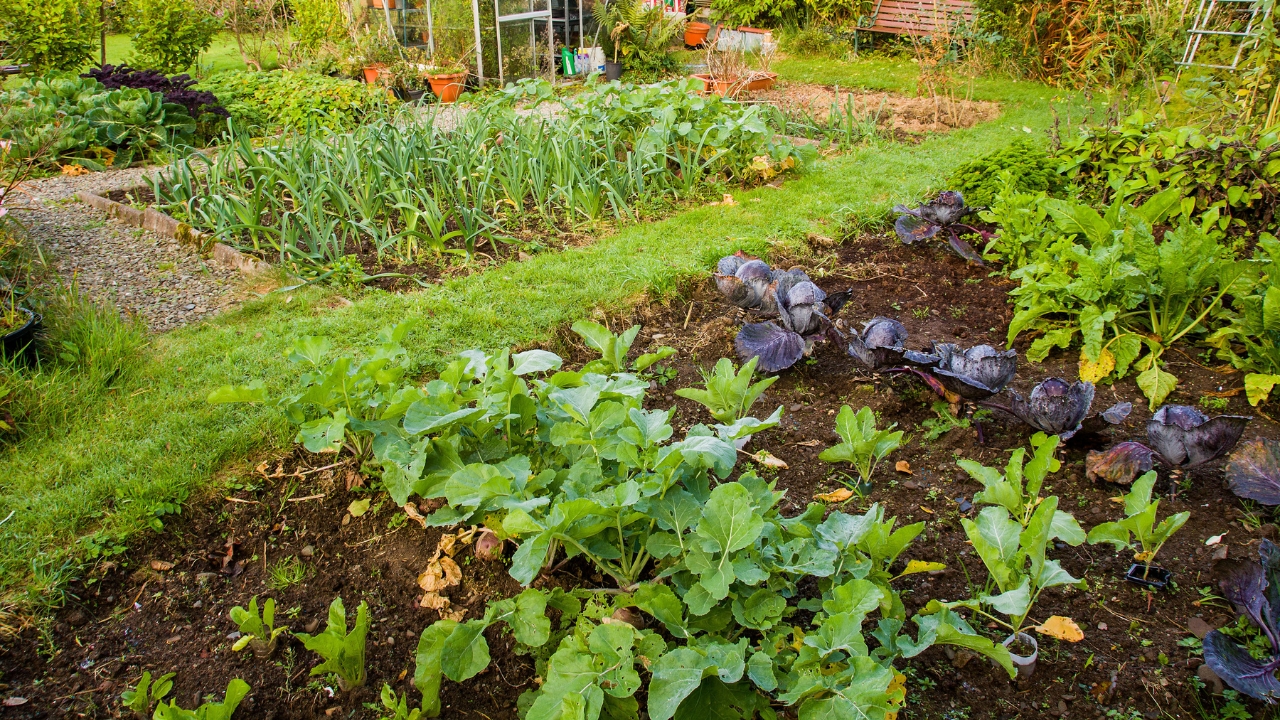
Spacing recommendations matter more than you think. In the South, plants grow fast—sometimes too fast—and without room to breathe, they’ll trap humidity, invite disease, and struggle with airflow.
A packed garden might look full and pretty early on, but it’ll go downhill quick when the heat sets in and mold starts popping up.
Planting Too Late in Spring

Southern summers come early. If you wait too long to get things in the ground, your plants might not stand a chance.
That May planting window? It works up north. Here, it means your tomatoes will wilt before they produce and your greens will bolt right out of the soil.
Ignoring the Soil Type
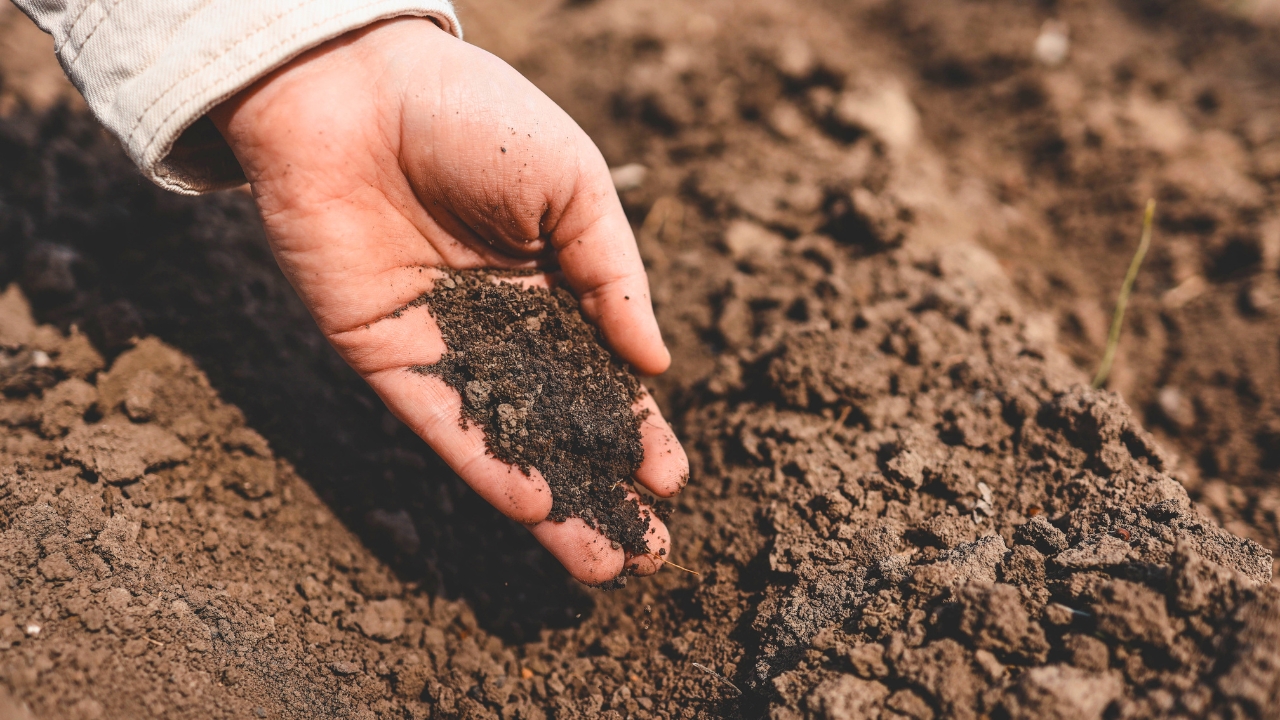
Southern soil can be sandy, full of clay, or somewhere in between. If you don’t check what you’re working with, your plants won’t thrive no matter how much you water.
Amend your beds with compost or raised soil if needed. Don’t assume one-size-fits-all.
Watering at Night
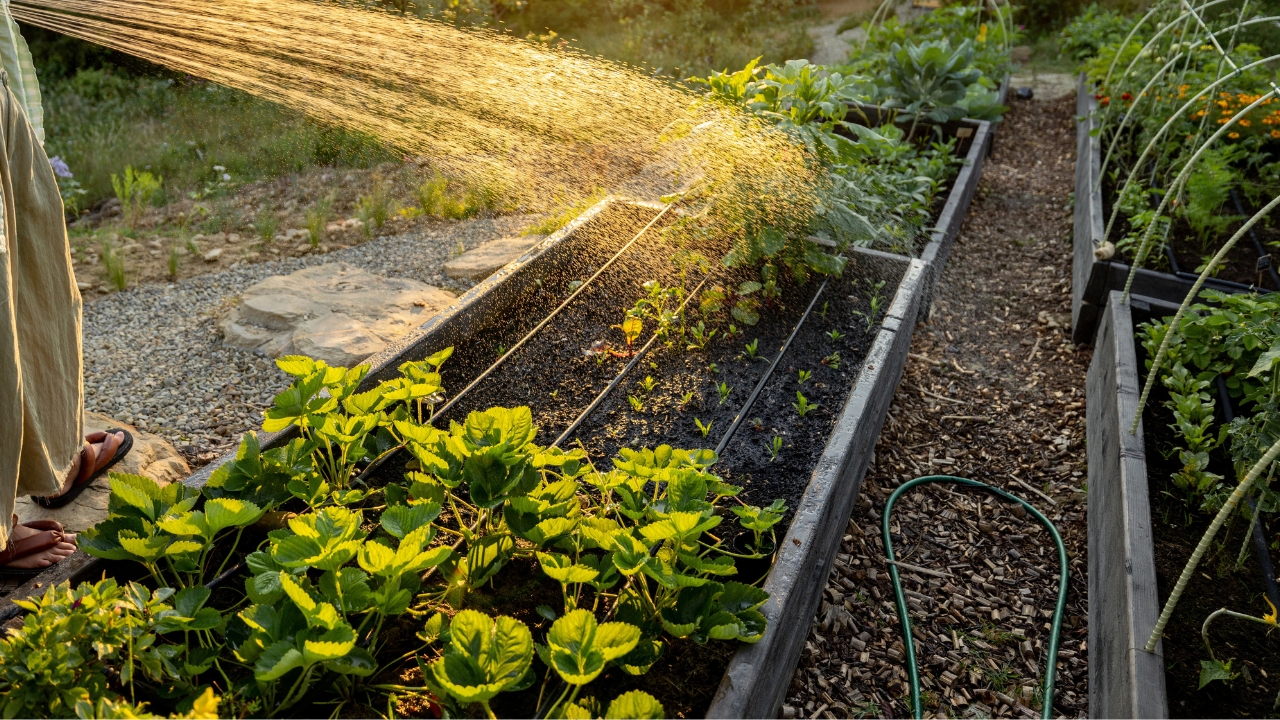
It might seem cooler and less wasteful to water in the evening, but the humidity holds on all night—and that’s asking for mildew and fungus.
Stick to early morning watering so your plants can soak it up before the sun gets brutal.
Skipping Mulch

Bare soil bakes in the Southern sun. Without mulch, you’ll lose moisture fast and invite weeds to take over.
A good mulch layer helps with temperature regulation, water retention, and pest prevention. It’s worth the extra step.
Using Northern Varieties
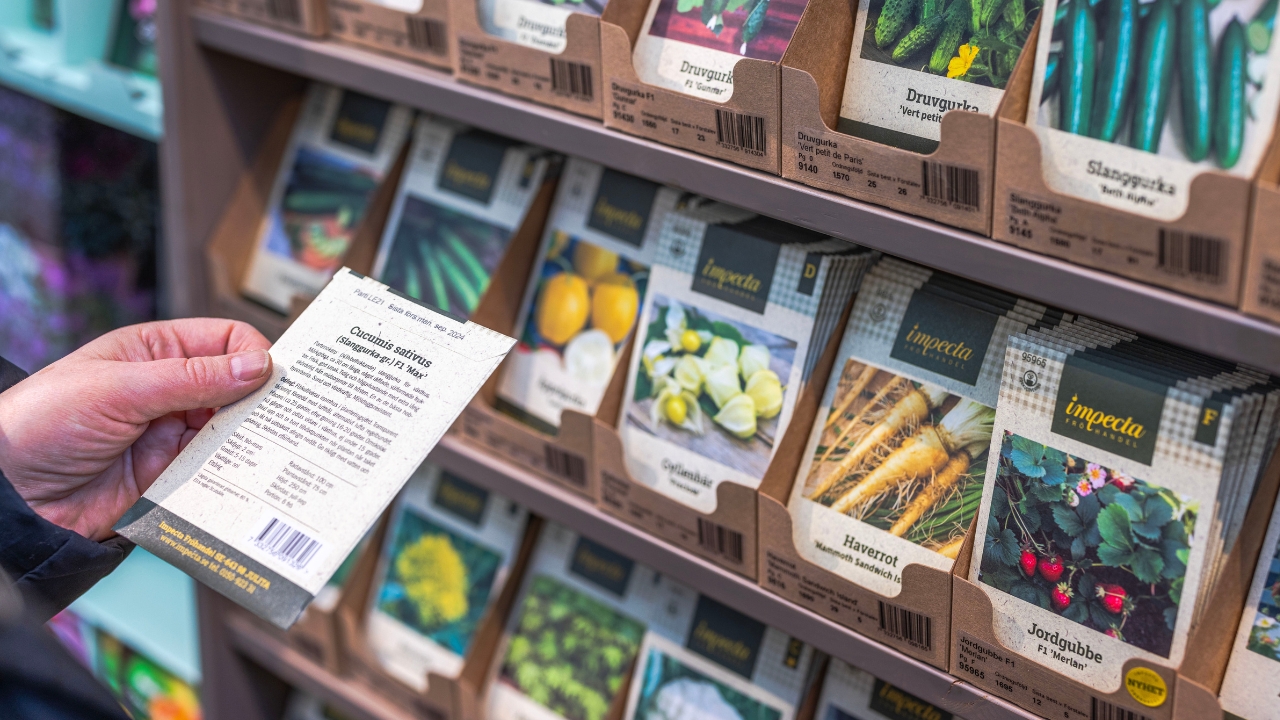
Not all seeds are bred for Southern heat. If you plant based on what’s popular on Pinterest instead of what thrives locally, you’ll waste time and money.
Look for “heat-tolerant” or “Southern-adapted” on the seed packet—or ask around at local feed stores.
Planting in Full Sun (Without Shade Consideration)
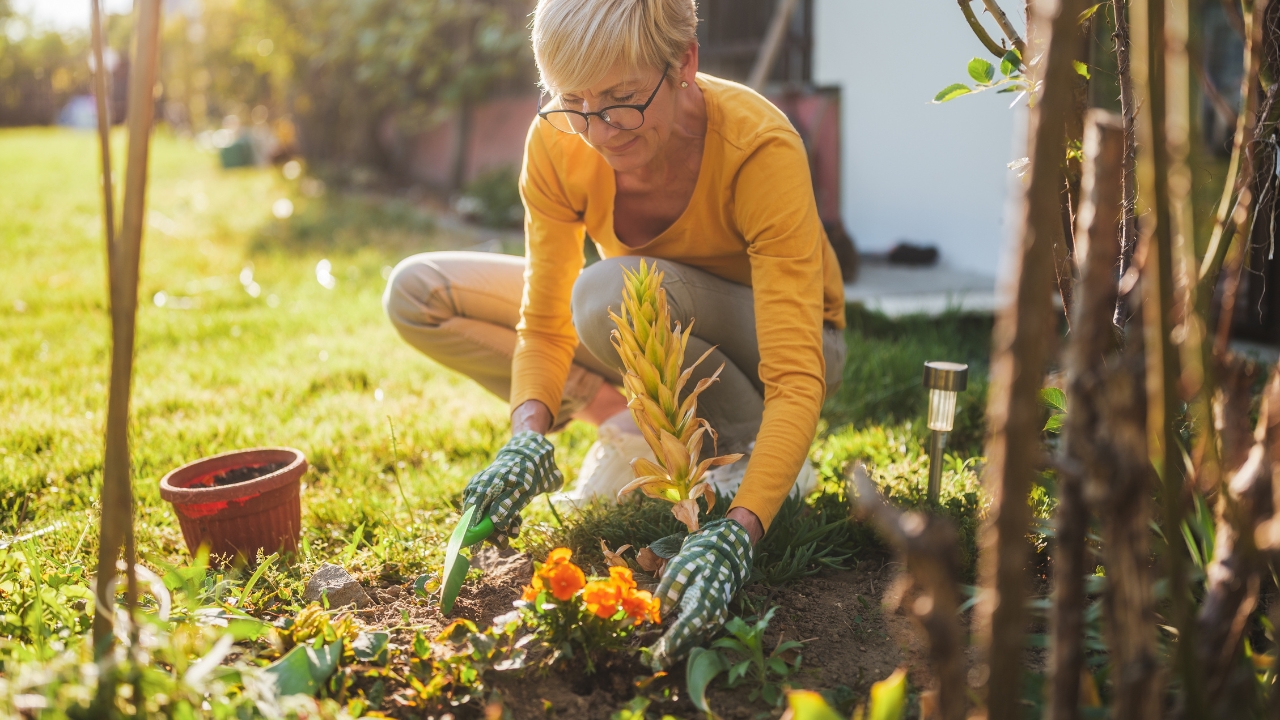
Full sun here is brutal. Plants that love “full sun” in other states may still need a break from our intense afternoons.
Set up shade cloth, use taller plants to give coverage, or pick spots that get morning sun and afternoon shade.
Planting in Low Spots
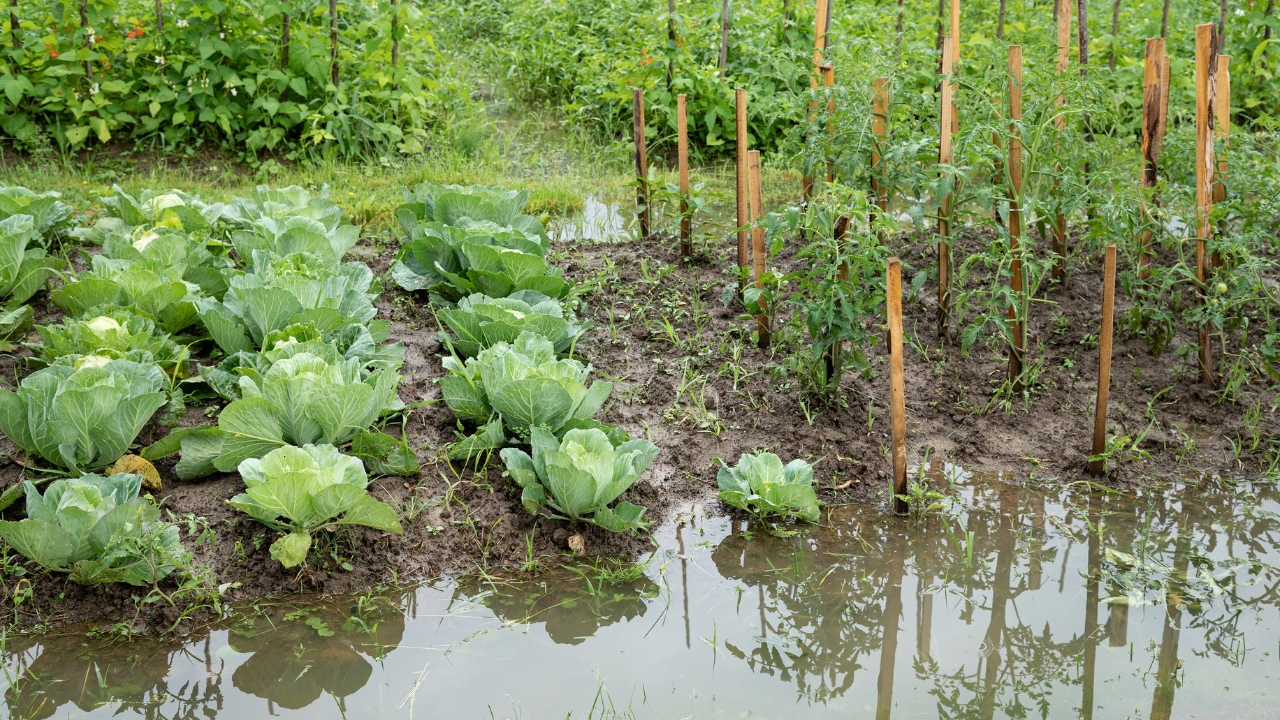
A little dip in the yard might seem harmless—until a Southern rain turns it into a swamp.
Plant in raised beds or mounds if you’ve got low ground. Most garden crops hate soggy feet.
Skipping Pest Prevention
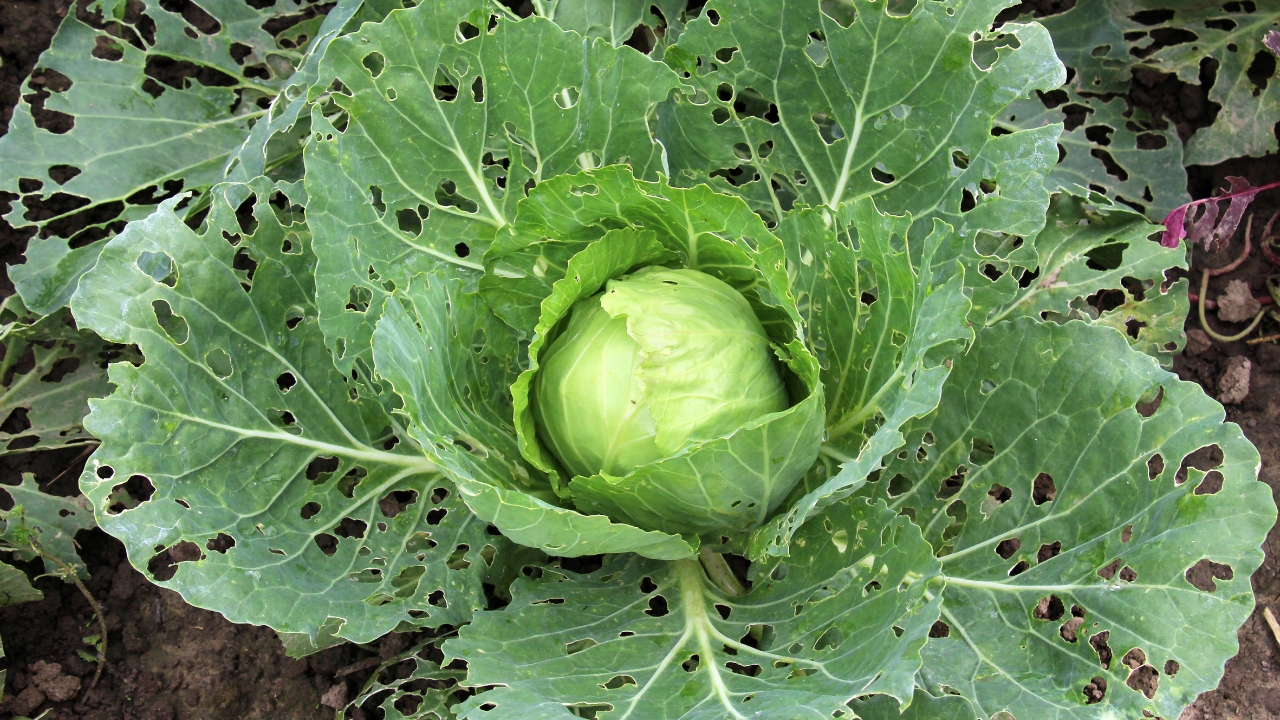
Southern bugs don’t play around. If you wait until you see damage, it’s usually too late.
Start early with deterrents like neem, row covers, or companion planting. Prevention is a lot easier than battling an infestation.
Forgetting the Fall Garden

You might burn out by summer, but don’t miss out on fall planting. Our long seasons mean you can get a second round of crops—sometimes even better than the first.
Greens, root veggies, and even beans thrive in a Southern fall.
*This article was developed with AI-powered tools and has been carefully reviewed by our editors.