10 Storage Mistakes That Make Metal Rust Much Faster
Photo credit: M.Gunsyah/Shutterstock.com
Impact-Site-Verification: ad99e1ad-5611-4956-9217-58a541b23cc1
You don’t have to leave something out in the rain for it to rust. Sometimes it’s how you’re storing it that’s doing the damage—especially in a humid or poorly ventilated space. Rust doesn’t show up overnight, but once it starts, it spreads fast. If you’ve been fighting corrosion and can’t figure out why, these storage habits might be the reason.
Leaving Tools in the Garage Floor

The floor traps condensation overnight, especially in concrete garages. That moisture gets into the handles, blades, and joints of any metal tool sitting down there. Even if it looks dry, you’ll find rust forming where metal touches concrete for long periods.
Sealing Wet Items in Totes
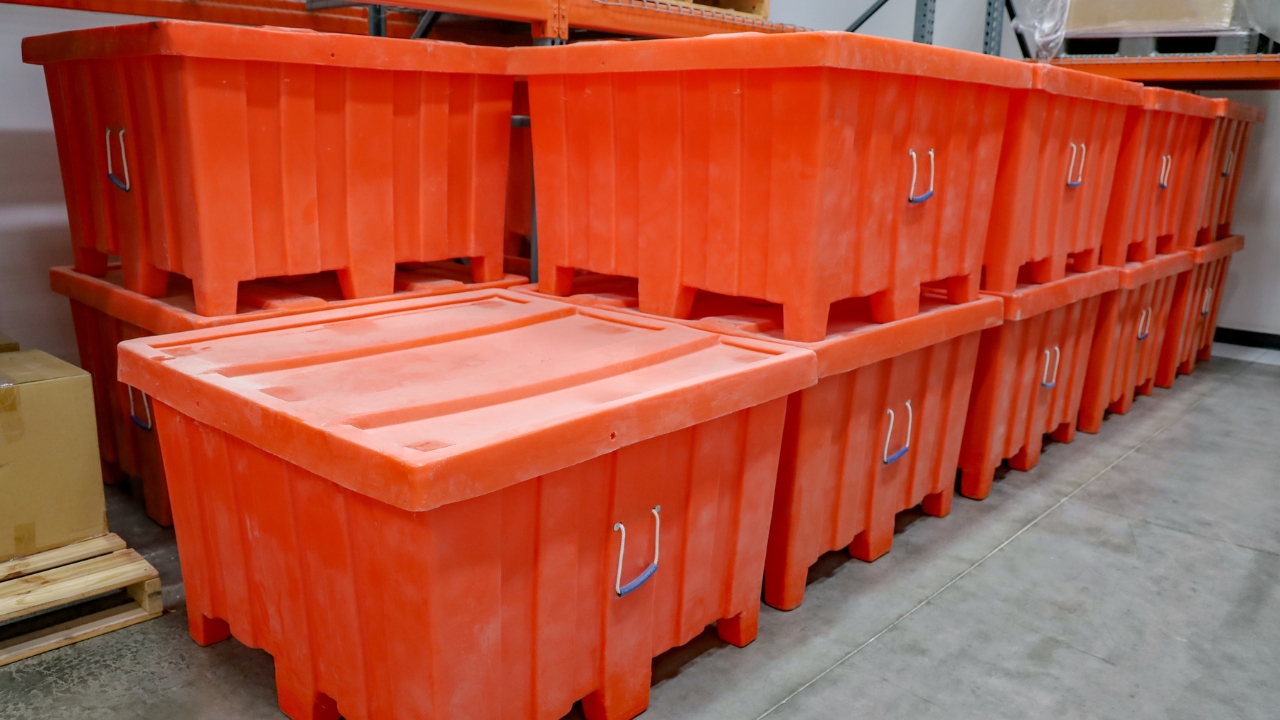
If you put something away even slightly damp, that moisture has nowhere to go inside a sealed bin. It creates the perfect humid environment for rust. Whether it’s hand tools, hardware, or parts, they’ll all start oxidizing fast if there’s trapped air and moisture.
Skipping Oil or Lubricant
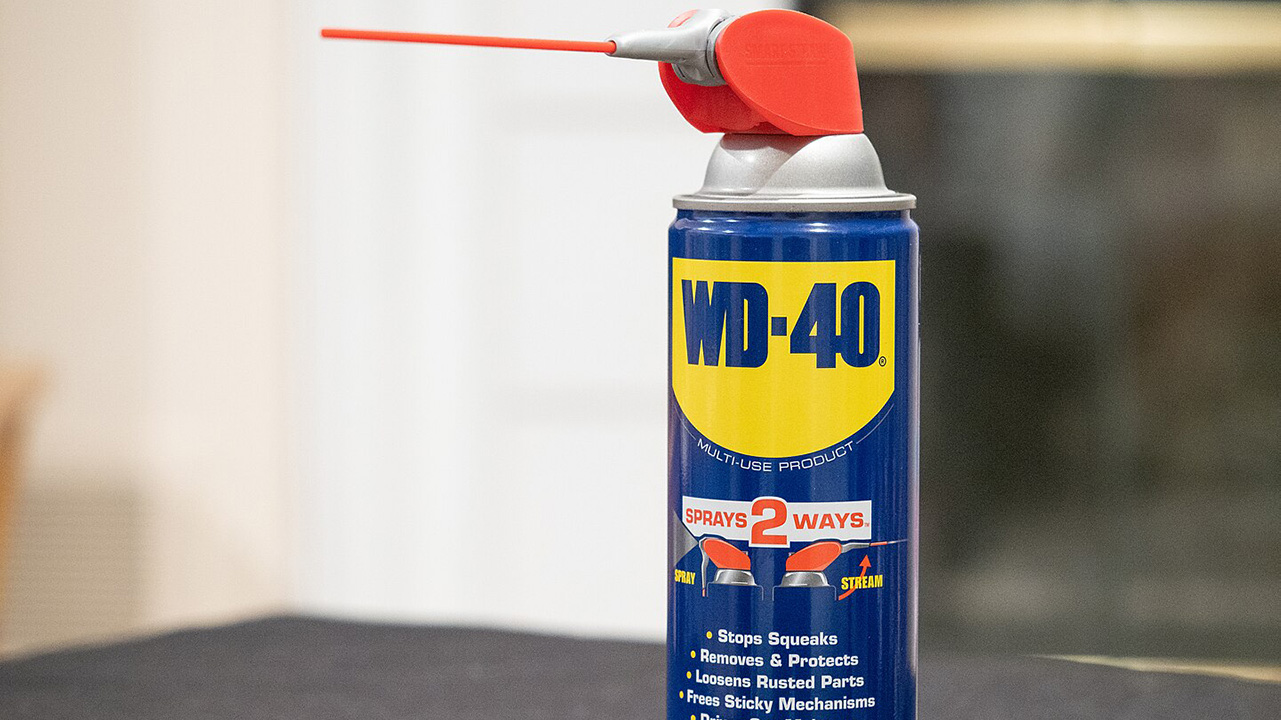
Any stored metal that isn’t lightly oiled or protected will rust over time—especially in outdoor buildings or non-climate-controlled sheds. A quick coat of WD-40 or machine oil before storing can make the difference between functional and ruined gear later.
Using Cardboard on Concrete

If you’re storing parts or tools in a cardboard box directly on a concrete floor, that box is absorbing moisture from the ground. It becomes a sponge, and everything inside stays damp for longer than you’d expect. You need a barrier or shelf to get it up and off the ground.
Ignoring Airflow
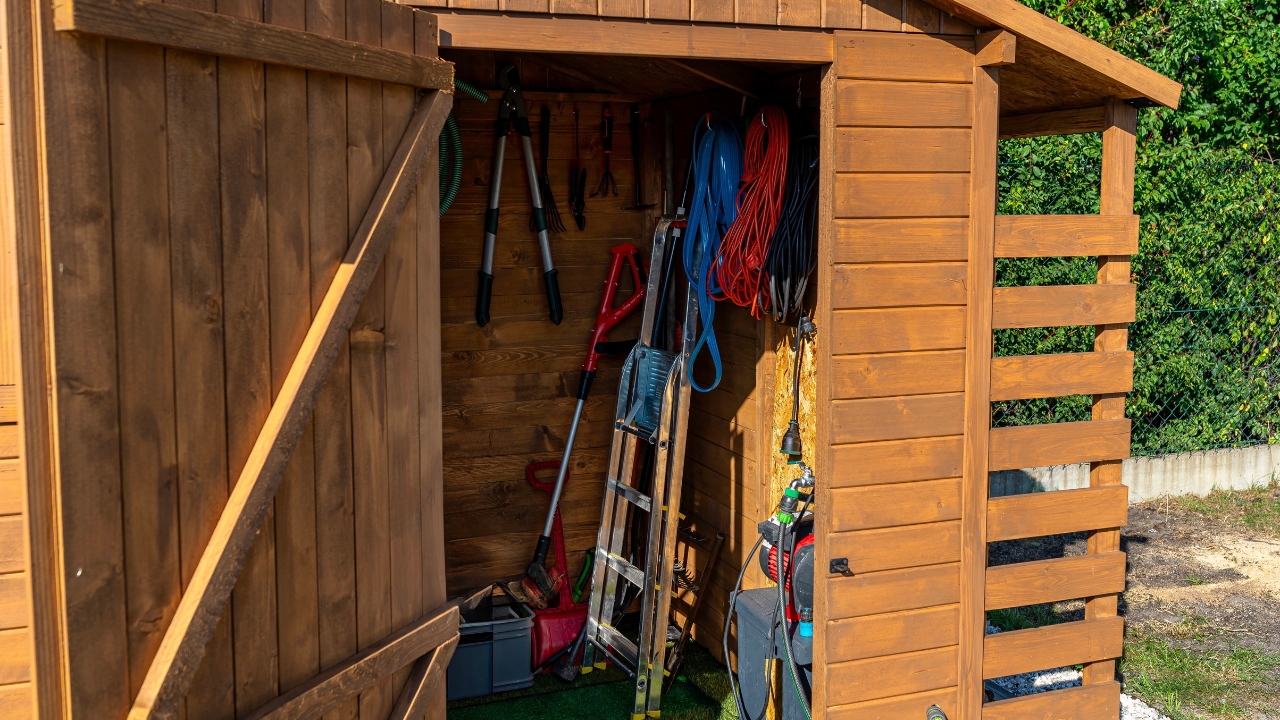
If your storage space doesn’t breathe, the humidity builds up inside. Closed cabinets, back corners of sheds, or stuffed workbenches can trap enough moisture to start rusting gear that’s technically “indoors.” Make space between items and consider small vents or fans in tight spots.
Mixing Metal Types
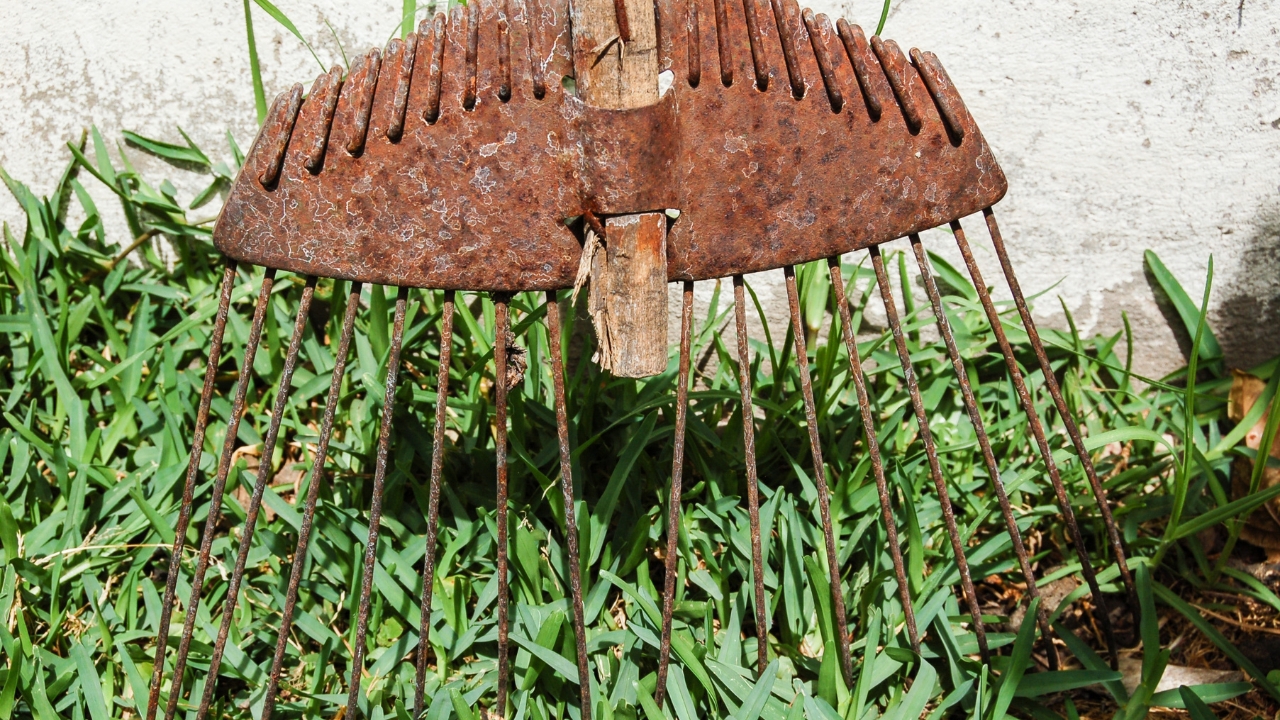
Putting dissimilar metals together—like steel, copper, and aluminum—can accelerate corrosion, especially when moisture’s involved. It causes a reaction that can eat through metal faster than normal rust. Keep hardware separated or use dividers if it’s all in one bin.
Leaving Fuel-Exposed Items Nearby
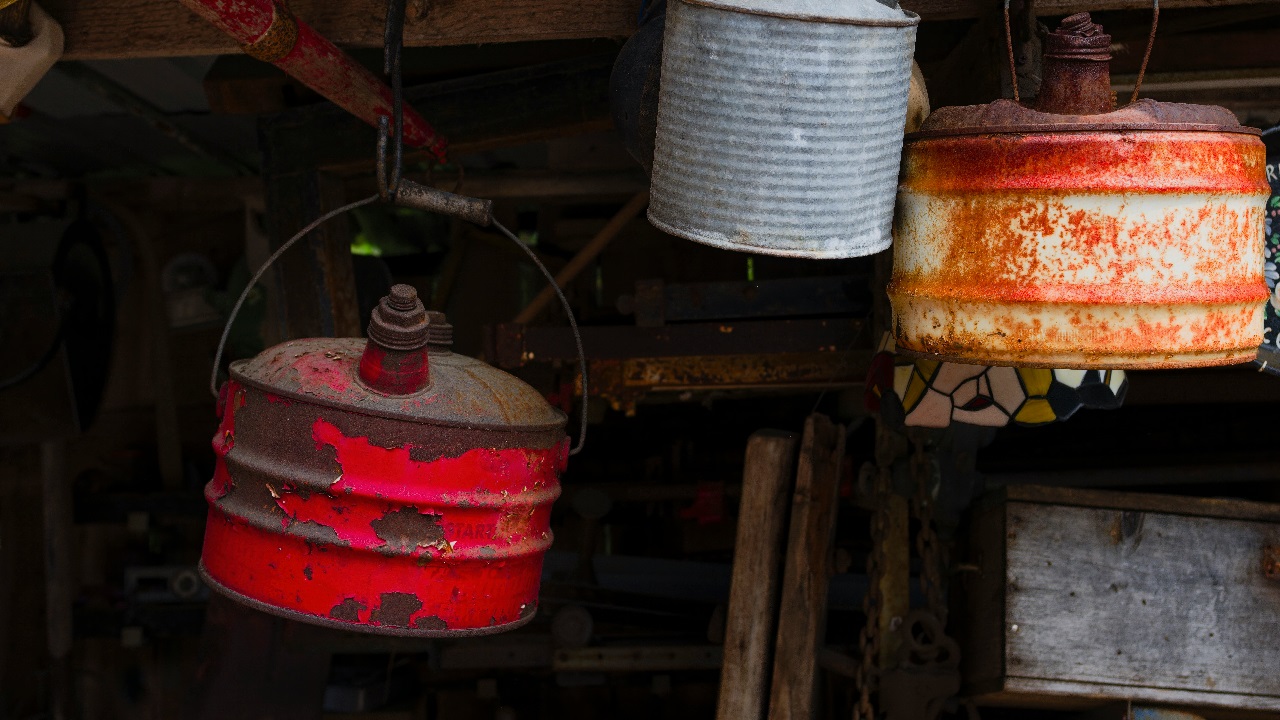
Gas cans or oily rags stored next to tools can release vapors that promote corrosion. The fumes don’t rust the tools directly, but they change the environment inside the space—making it more corrosive over time. Keep metal gear away from fuel storage when possible.
Forgetting to Dry Blades

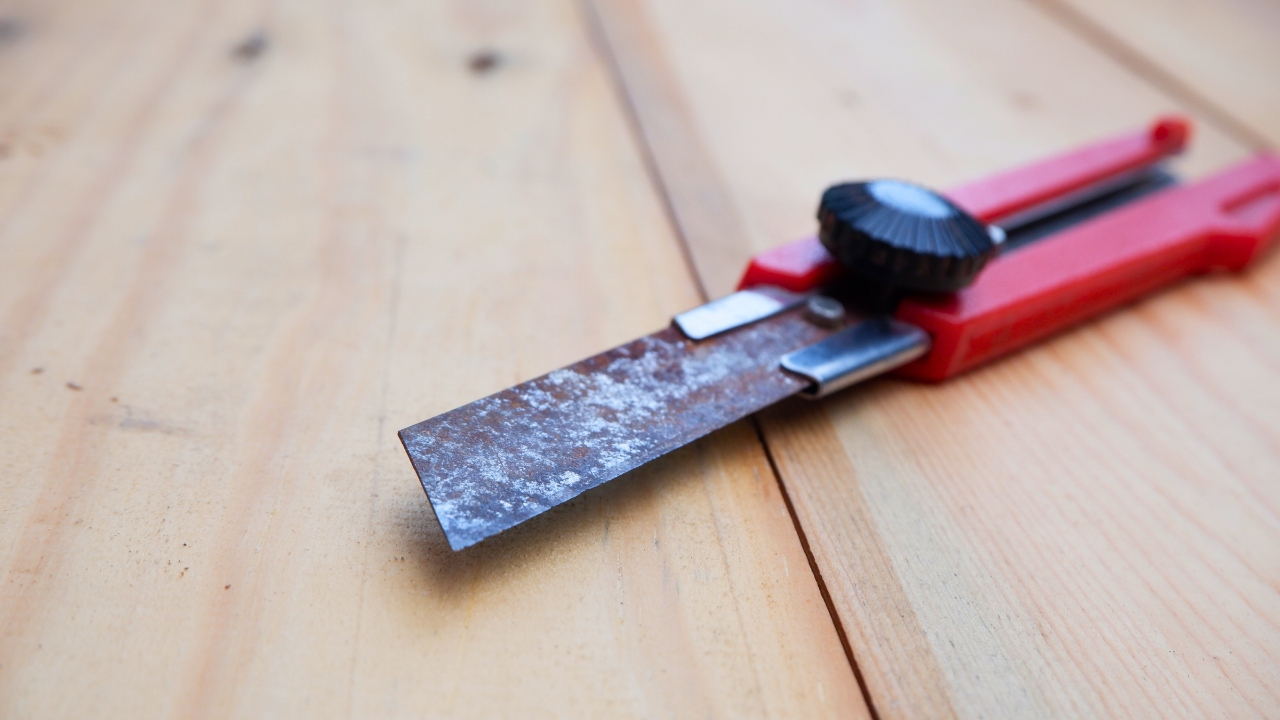
Blades on saws, pruners, hedge trimmers, and mowers need to be dried thoroughly before storage. Even if they were only damp from morning dew or grass, moisture trapped between parts (especially folded ones) can start rusting within days.
Using the Wrong Shelving

Metal shelving in a humid space without a barrier under tools creates cold-to-warm surface reactions. That’s how condensation forms under your gear. Add a wooden shelf liner or even foam padding to prevent that contact and reduce moisture build-up.
Not Checking for Leaks
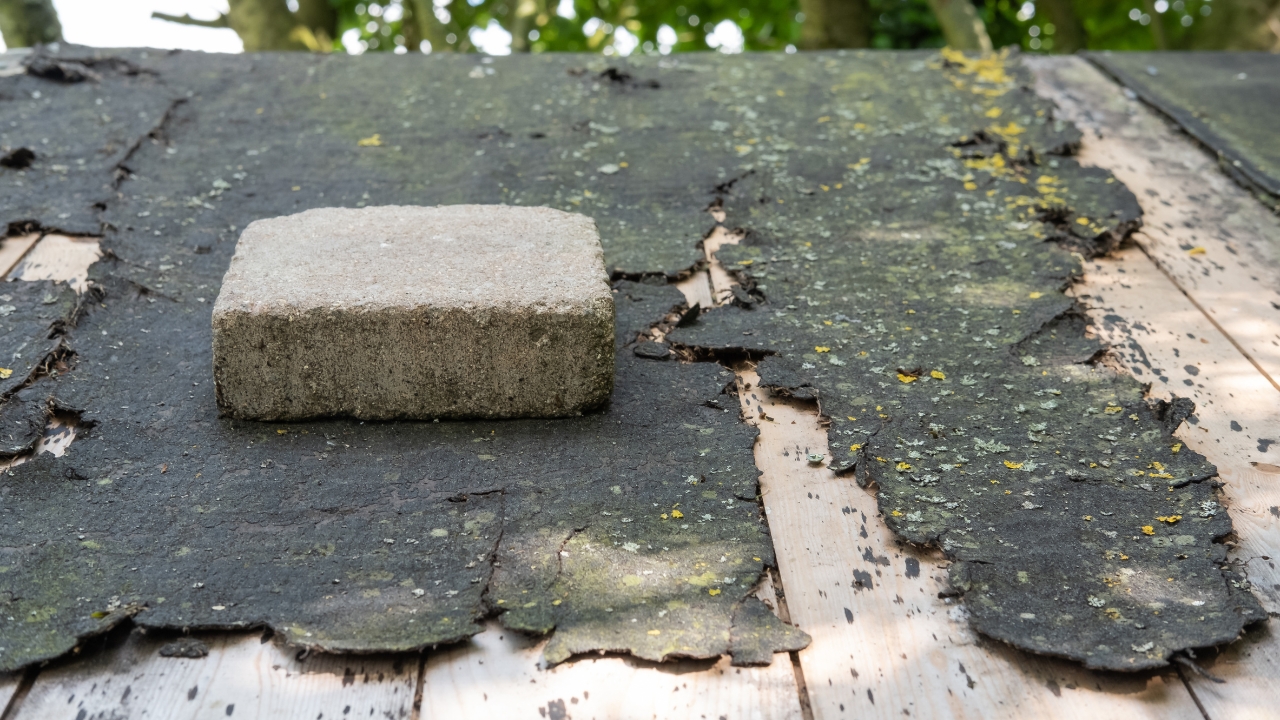
Sometimes it’s a slow drip from the roof or a wall that’s soaking one corner of your storage area. That one damp spot can rust everything in it while the rest of the space looks fine. Don’t assume dry floors mean you’re safe—check your building regularly for dampness or leaks.
Like Fix It Homestead’s content? Be sure to follow us.