What You Should Check When Something’s Tearing Up the Chicken Wire
Photo credit: unsplash.com
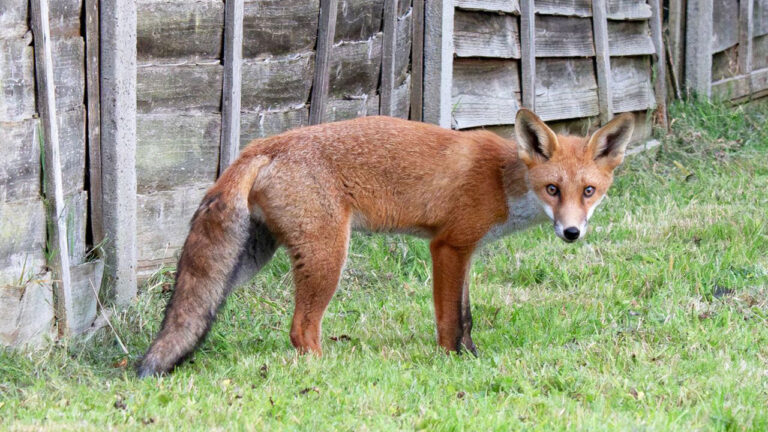
Chicken wire doesn’t hold up well against anything determined. Whether you’ve got predators busting through or your own animals testing the fence, it’s easy to miss the early damage until it’s too late.
If you’re finding holes or signs of a struggle, don’t wait—check everything thoroughly before you lose birds.
Check for Weak Spots Around the Bottom Edge
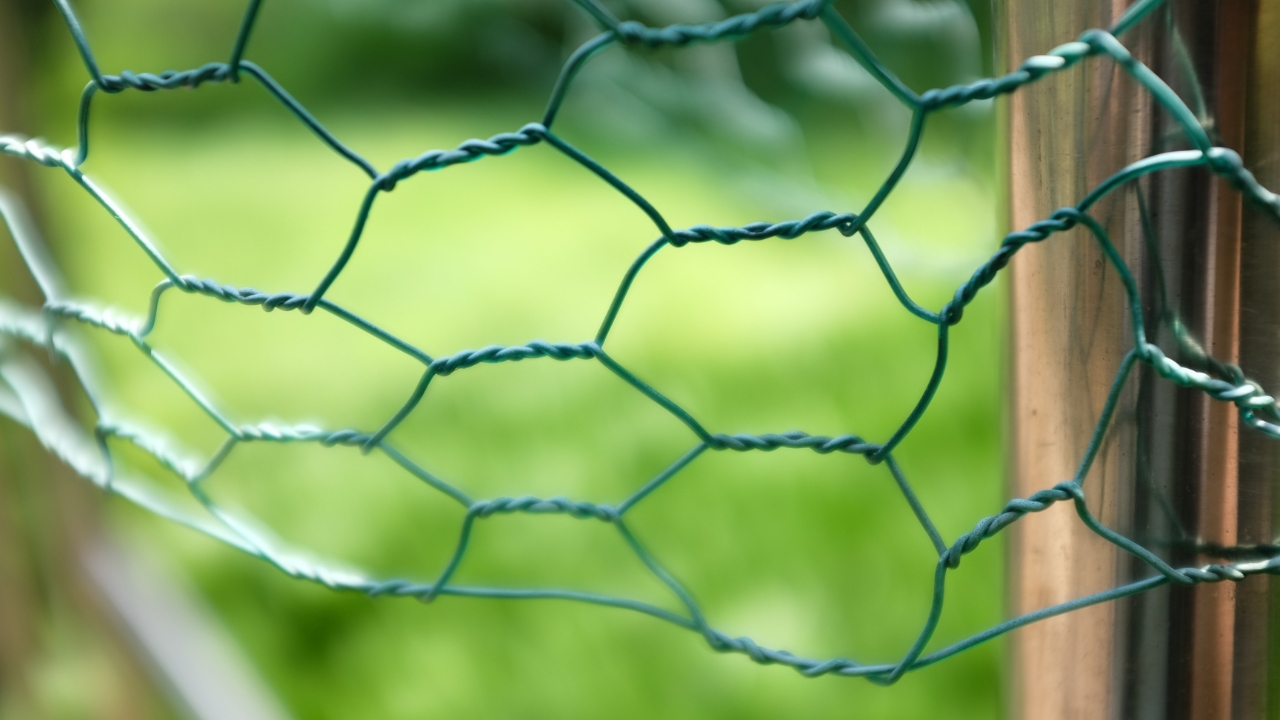
Predators usually start at the bottom, digging or pushing underneath. If the wire isn’t buried or secured tightly to a board, it can lift easily with pressure. Check for loose edges, shallow dirt, or signs of digging. Reinforce weak spots with hardware cloth or a solid apron.
Look at Where the Wire Attaches to Posts

Staples can pull loose over time, especially if they weren’t hammered in tight. Animals know how to work at corners and low-traffic areas. Check the entire perimeter where wire meets wood or metal. If anything’s wobbly, double down with more secure fasteners or replace damaged boards.
Inspect for Signs of Chewing or Biting

Raccoons and larger rodents can chew through chicken wire when they’re hungry enough. If the holes have sharp, torn edges or bite marks, you’re dealing with teeth. Chicken wire isn’t strong enough to stop them—upgrade to welded wire or hardware cloth in those spots.
Watch for Gaps Around Gates and Latches

If something’s pushing through where the gate meets the fence, you’ll see signs of rubbing, claw marks, or feathers. These spots are often overlooked, but predators know they’re usually easier to pry open. Tighten latches and cover the edges with stronger material if needed.
Check for Rusted or Brittle Sections
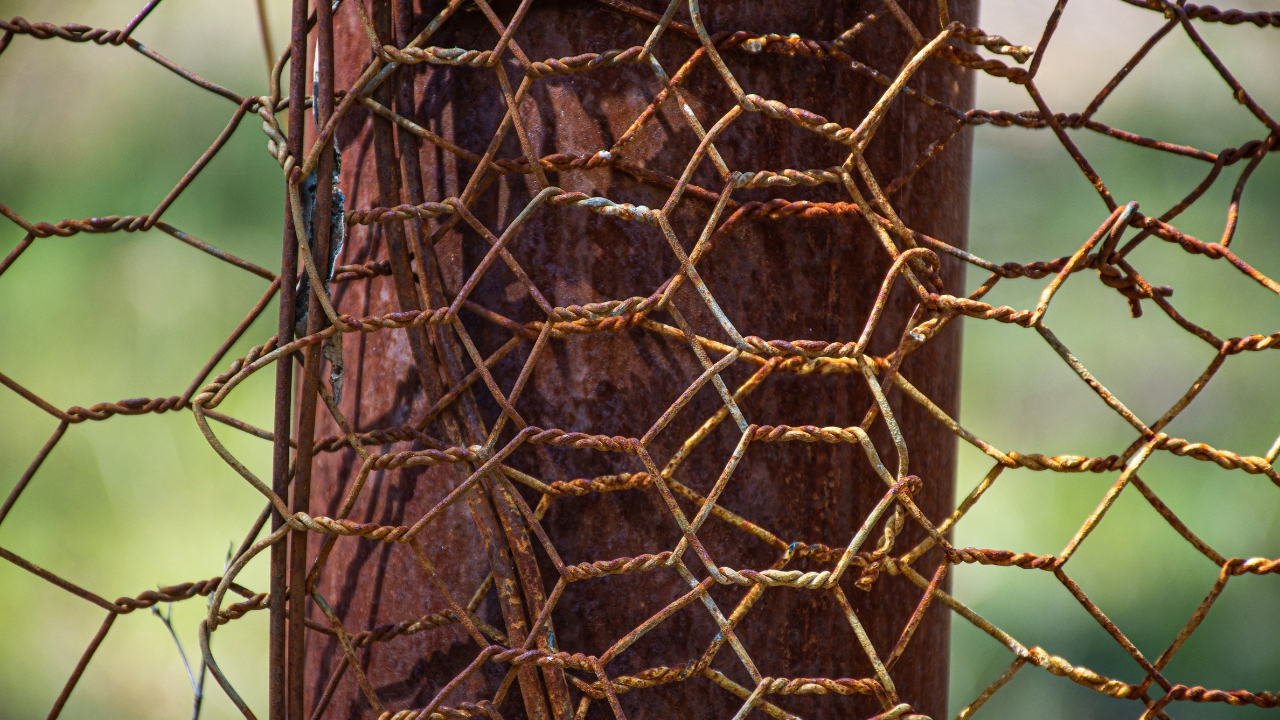
Once chicken wire starts to rust, it loses strength fast. Any weight or pressure can snap it, especially if it’s old or bent. Walk the fence line and push on it—if it flexes too much or crumbles at the touch, it’s time to replace it before something else pushes through.
Look for Tracks or Droppings Nearby
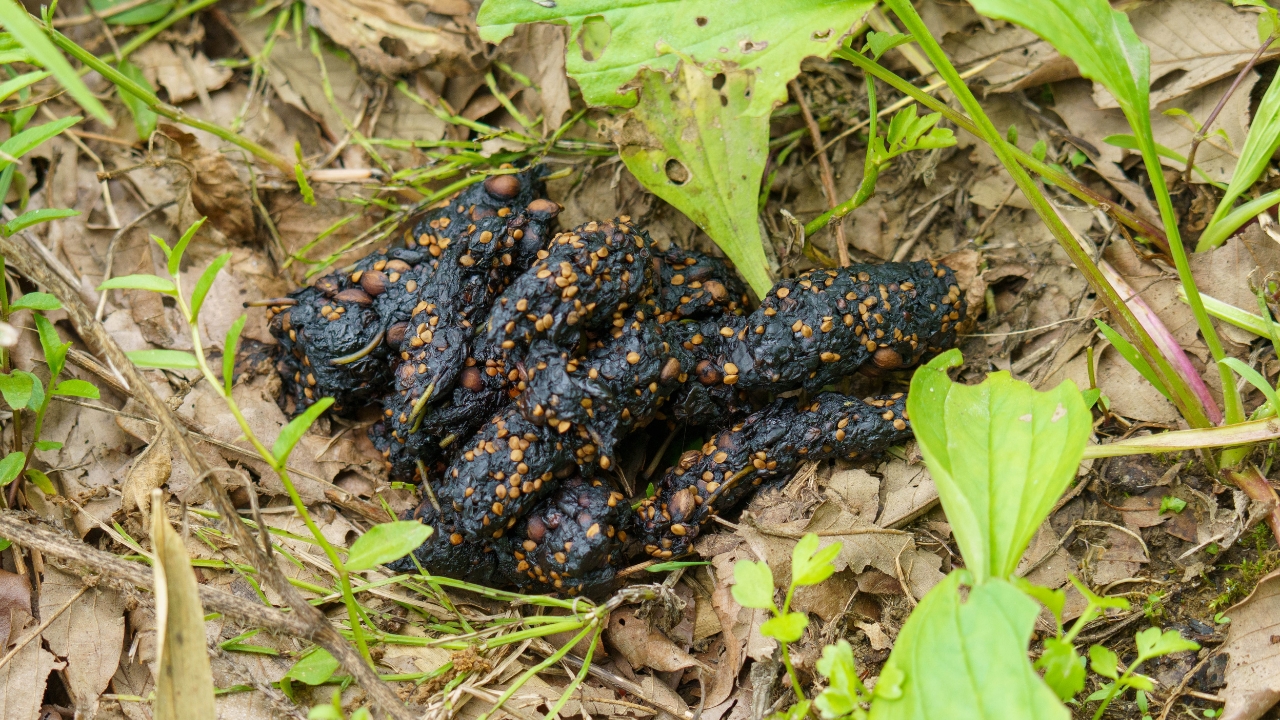
If something’s been digging or chewing, it probably left evidence behind. Look for prints, droppings, or tufts of fur near the torn areas. That helps you figure out what you’re dealing with—and what kind of reinforcements will actually stop it from coming back.
*This article was developed with AI-powered tools and has been carefully reviewed by our editors.