Things You Shouldn’t Be Feeding Livestock
Photo credit: Studio Romantic/ Shutterstock.com.
Some of the worst feeding mistakes happen when people assume animals can eat anything. But certain scraps, treats, or “natural” foods can wreck their health fast—or even kill them.
Moldy Bread or Hay
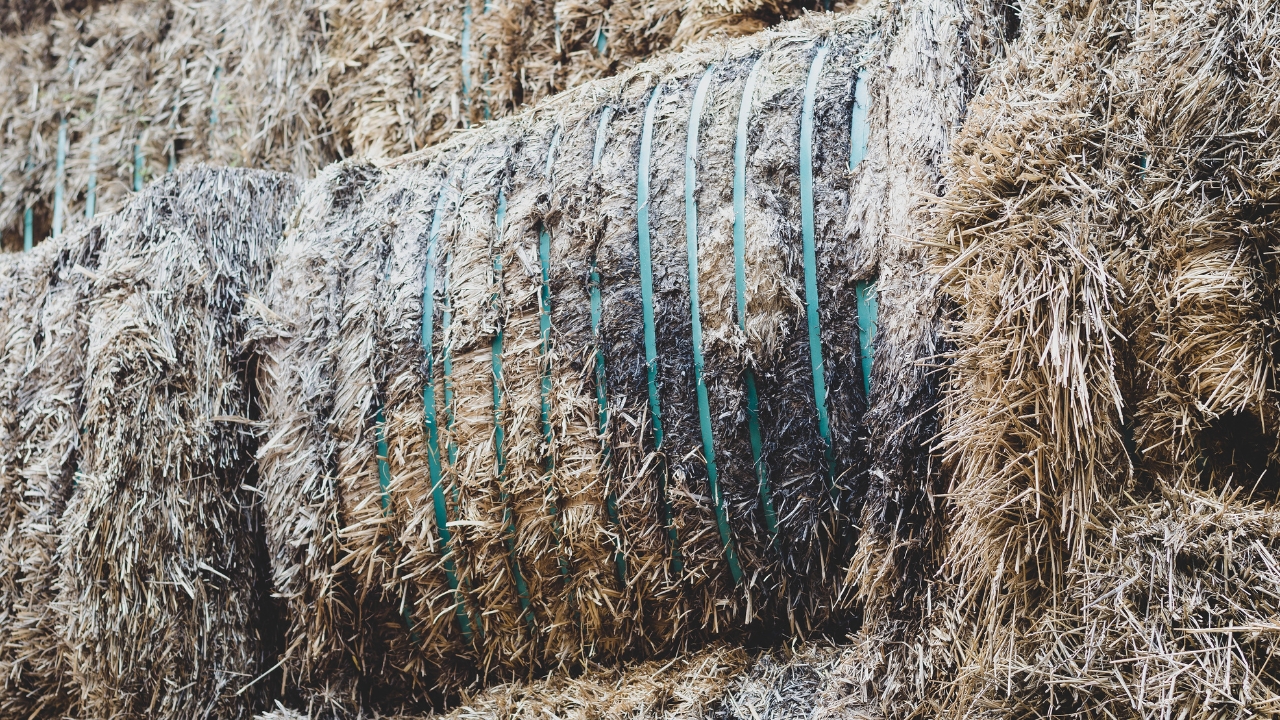
If it smells off, toss it. Mold spores are deadly to goats, cows, and chickens.
Even a little mold can cause neurological issues or bloat. Always feed fresh, clean hay and never give animals bread that’s gone soft or fuzzy.
Avocado
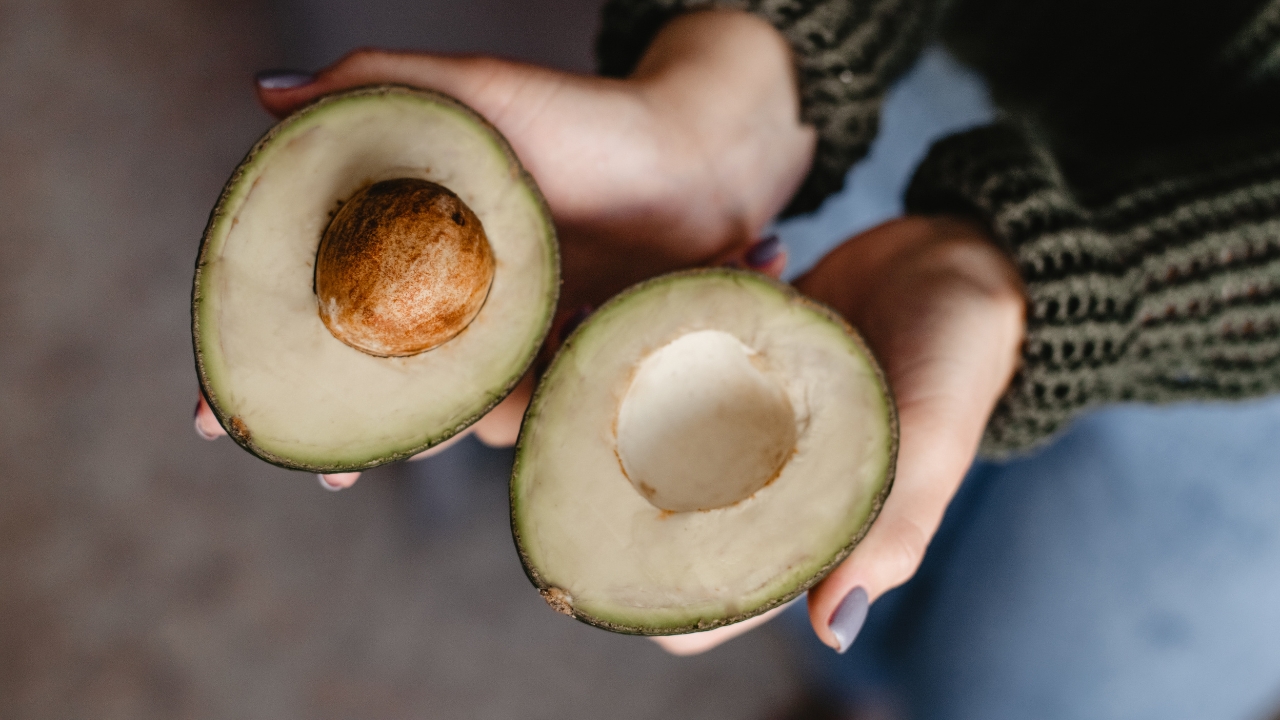
Avocado—especially the pit and skin—is toxic to most livestock, including chickens and horses.
It can cause heart issues, breathing trouble, or even sudden death in large doses. Keep it far away from the compost pile.
Chocolate or Caffeine
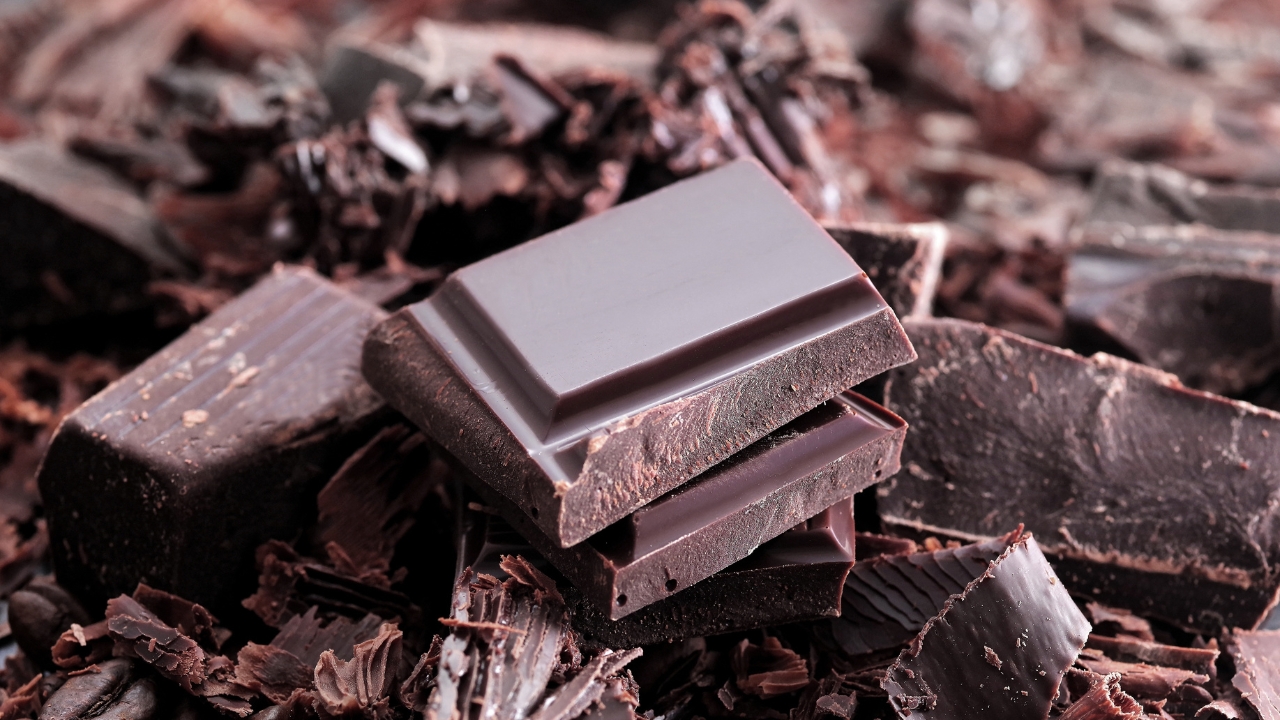
This one’s obvious for dogs, but livestock can’t handle it either.
The theobromine and caffeine in chocolate mess with their nervous systems and heart rate. No cookies, brownies, or sweet leftovers in the trough.
Onions and Garlic
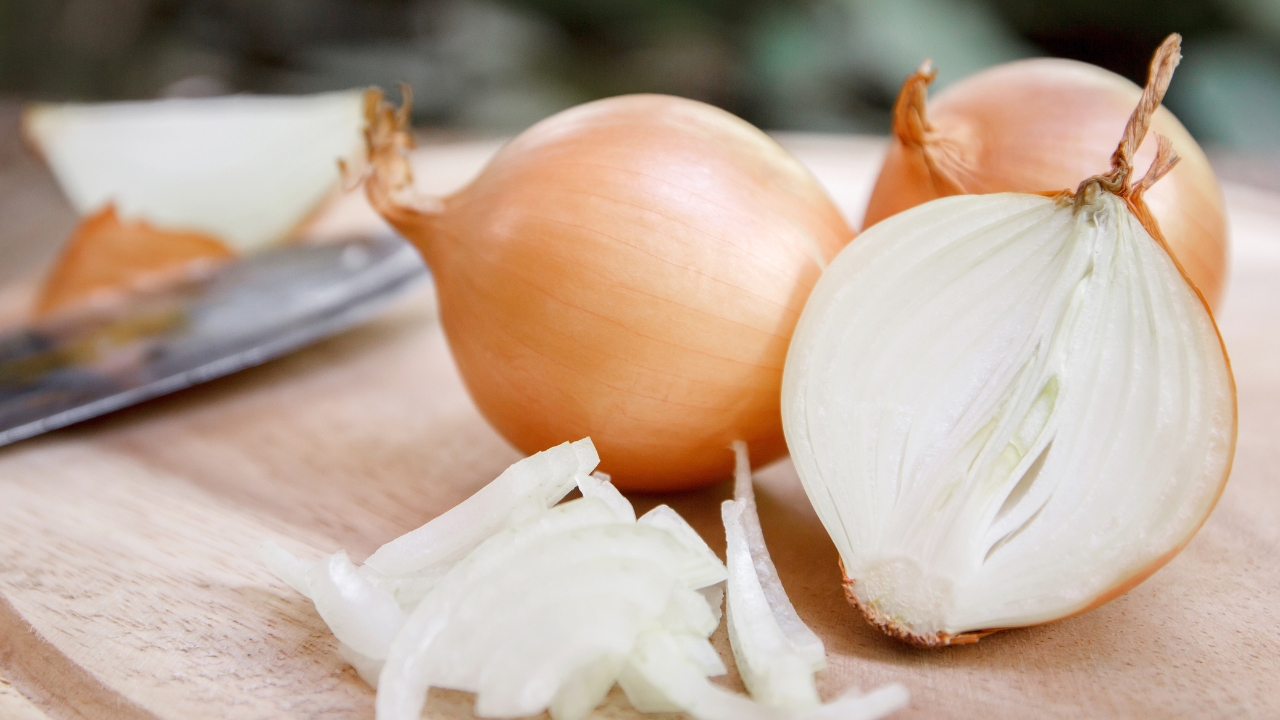
Too much can damage red blood cells and cause anemia in cows, goats, and sheep.
While a tiny amount won’t hurt, regular feedings or big scraps are risky—especially with leftover stir-fry or cooked food.
Raw Beans

Uncooked kidney or lima beans have lectins that are straight-up toxic to most animals.
Cooked beans are fine in moderation for pigs or chickens, but raw ones can cause digestive distress or worse.
Nightshade Plants

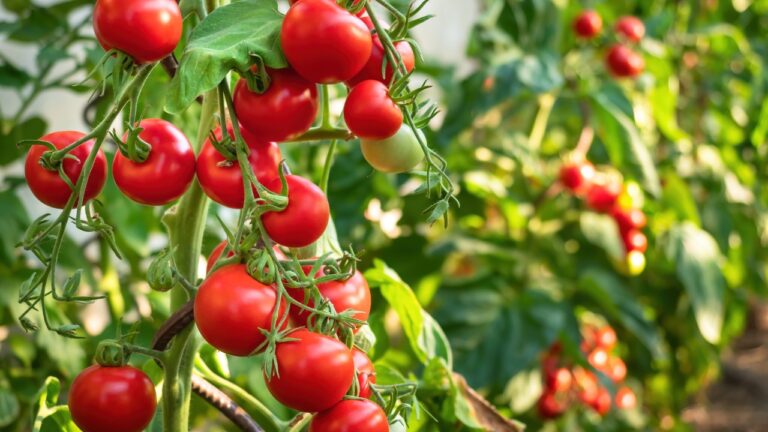
That means tomatoes, potatoes, eggplants, and peppers—especially green or sprouted ones.
Solanine, the chemical in nightshades, is dangerous in large amounts. Keep garden scraps away unless you know exactly what’s safe.
Meat or Dairy for Herbivores
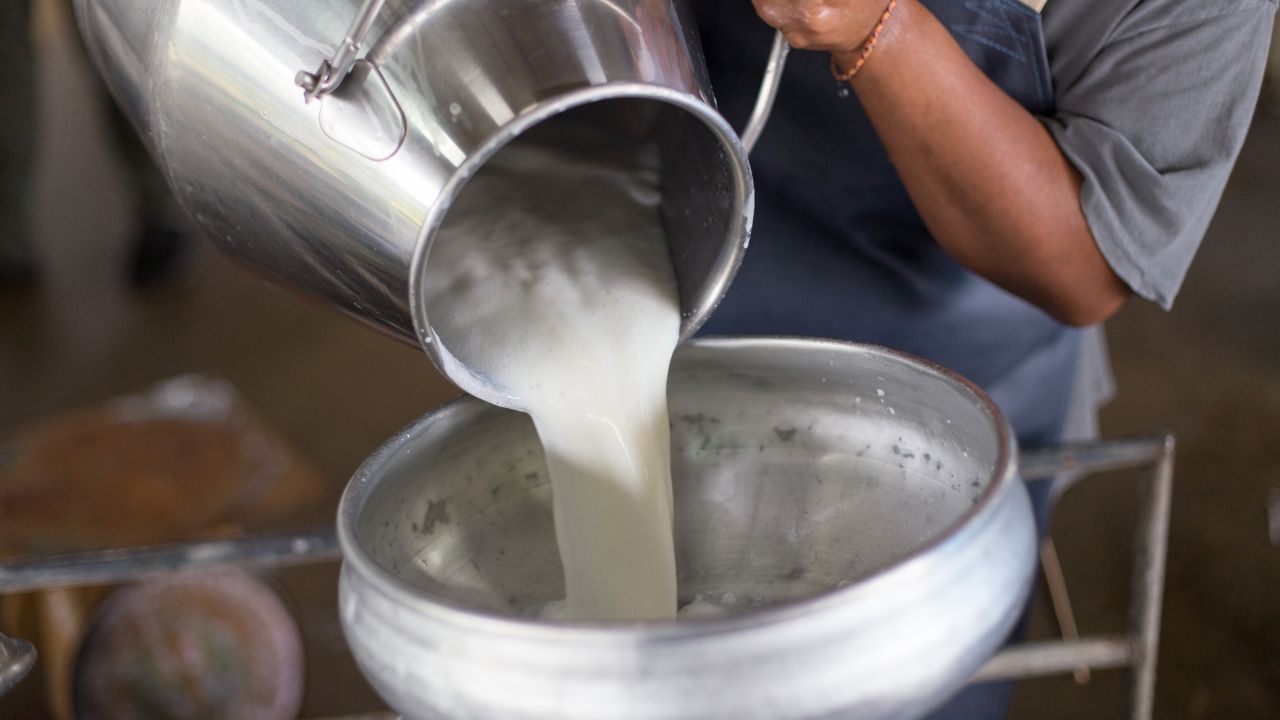
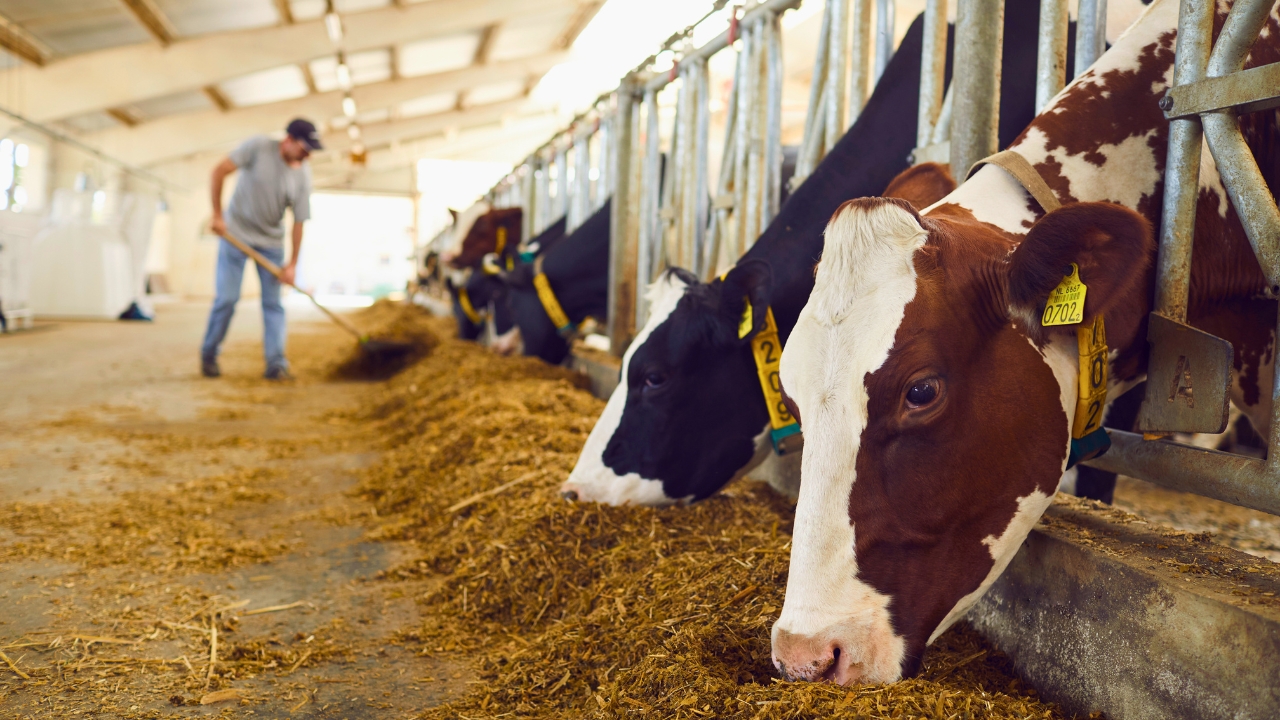
Cows, goats, sheep, and horses don’t need meat or milk—especially not spoiled or fatty scraps.
It throws off their digestive system and can cause bloating, diarrhea, or worse. Stick to feed that’s meant for their species.
Citrus
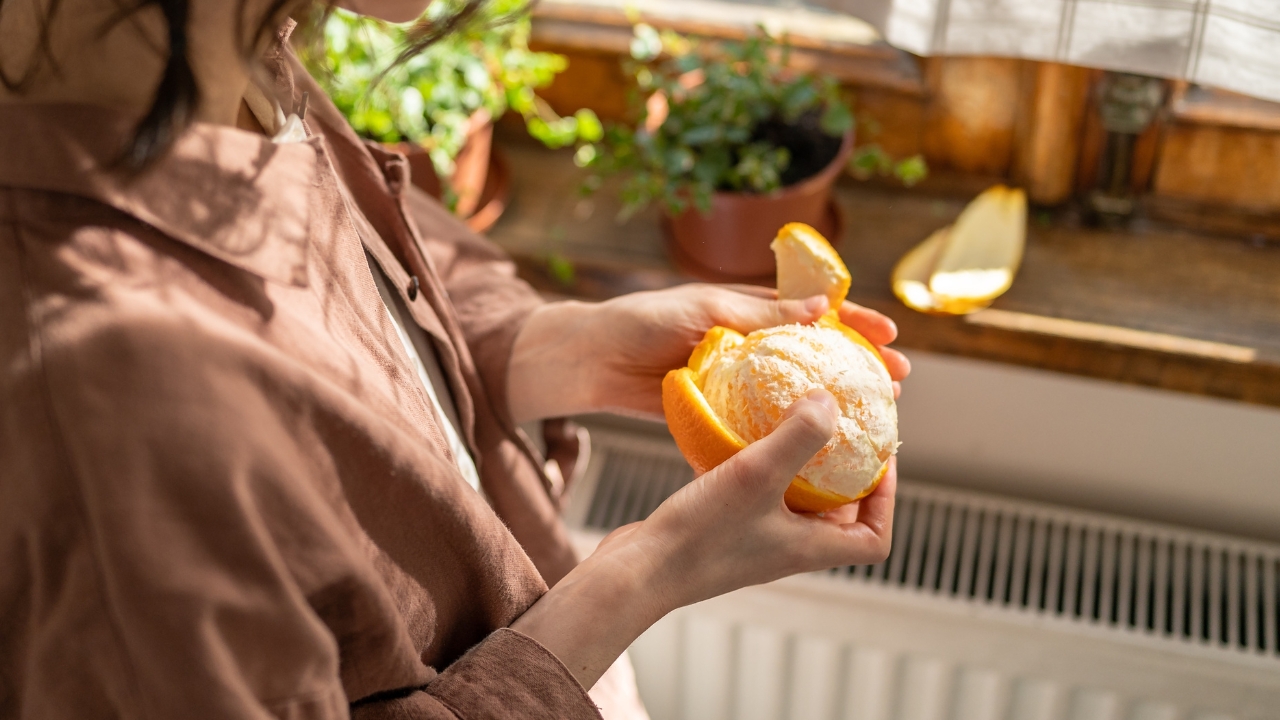
Chickens and pigs might tolerate a little, but it’s acidic and can mess with calcium absorption.
Too much citrus can cause sour crop in hens or digestive issues in other animals. Keep orange peels out of the feed bucket.
Too Many Treats
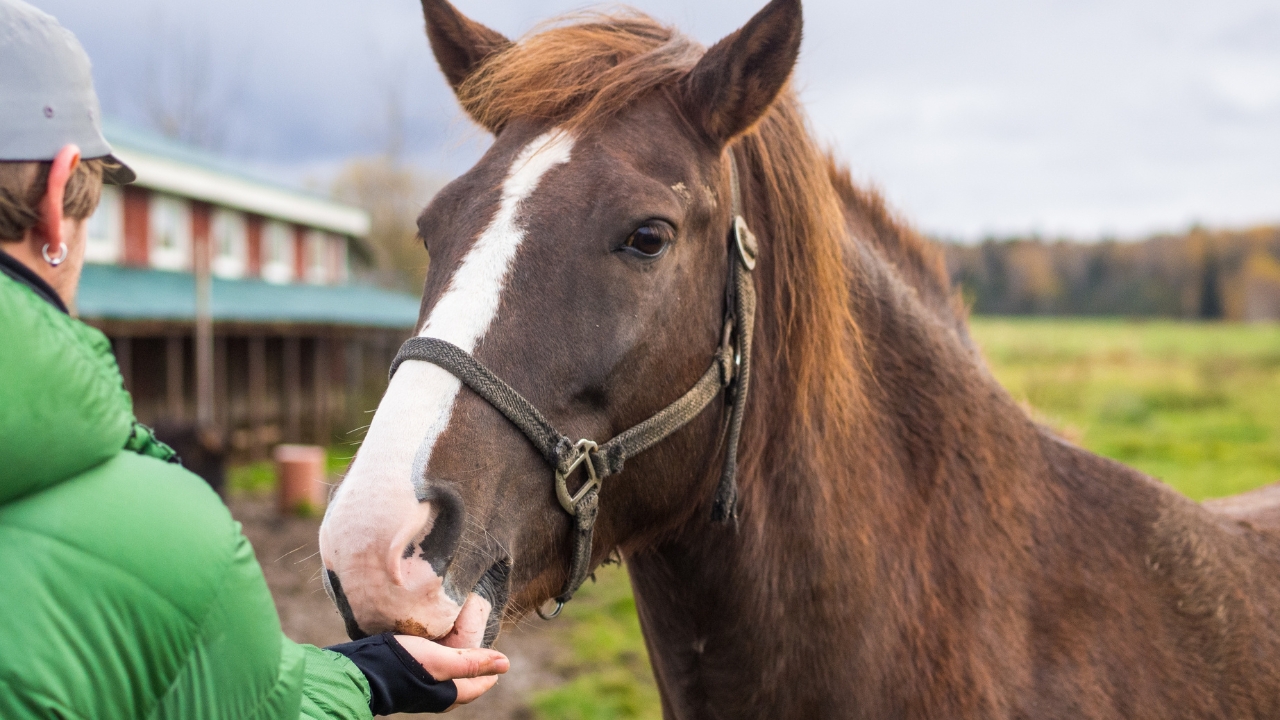
Even “safe” foods like corn, oats, or scratch grains can throw off nutrition if overfed.
Balance matters. Stick to proper rations and use treats sparingly or you’ll have fat, lazy, or sick animals before long.
Anything You Wouldn’t Eat
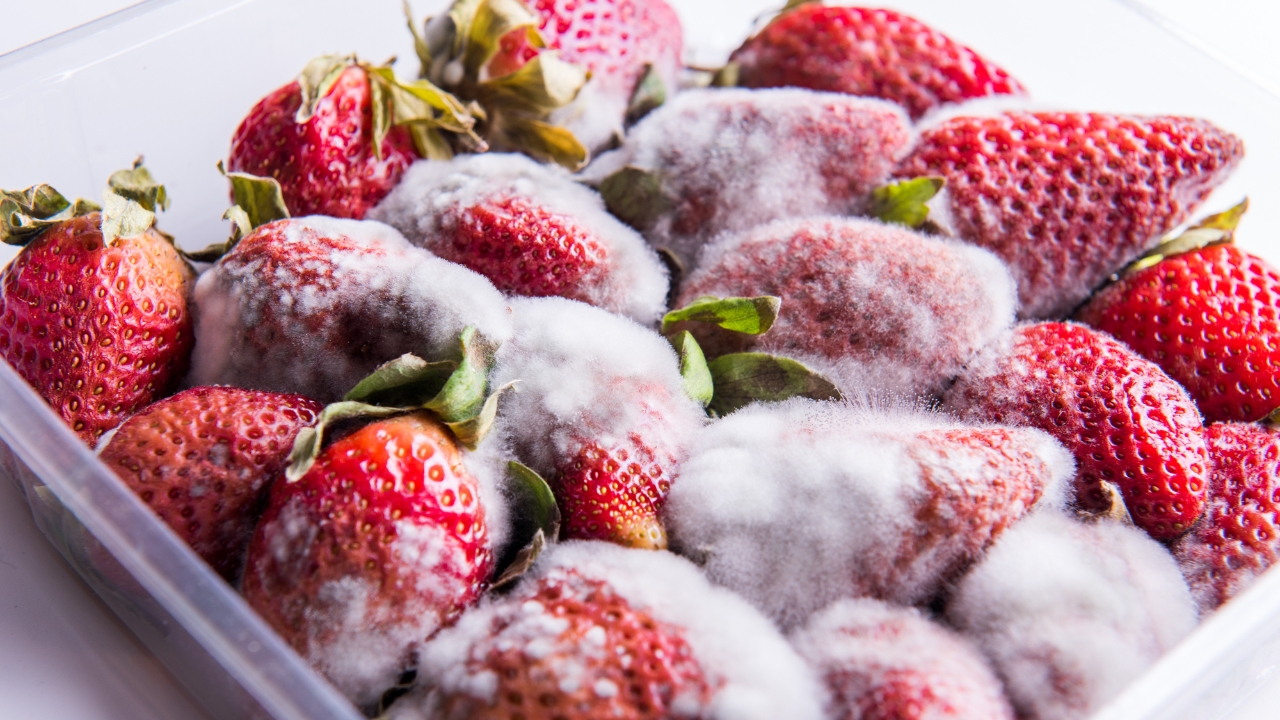
If it’s spoiled, moldy, or questionable, don’t pass it off to the animals.
They deserve fresh, safe food just like we do. Don’t use the coop or trough as a garbage disposal.
*This article was developed with AI-powered tools and has been carefully reviewed by our editors.