10 Things That’ll Make Your Water Pressure Worse Over Time
Photo credit: Maridav/Shutterstock.com
If your faucets, hoses, or sprinklers have started losing pressure, it’s probably not random. Most pressure issues creep in slowly because of overlooked habits or gradual wear on the system. And once they show up, they usually get worse unless you fix what’s causing them.
Here’s what could be dragging your pressure down without you realizing it.
Sediment Buildup in the Pipes
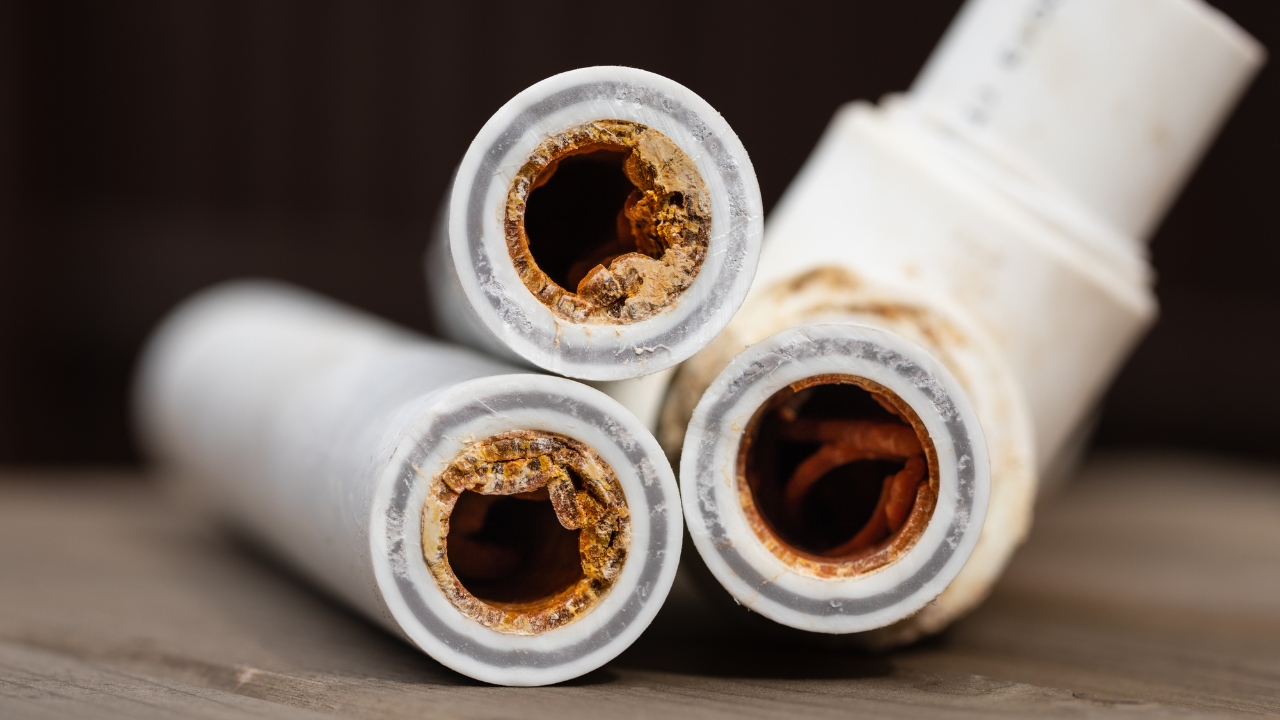
Over time, minerals and dirt from your water supply can collect inside your pipes. This narrows the space water can flow through and drops pressure across the board.
It’s especially common in homes with well water or older plumbing. If you notice lower pressure and haven’t flushed your system or installed a filter, sediment might be to blame.
Old or Corroded Valves
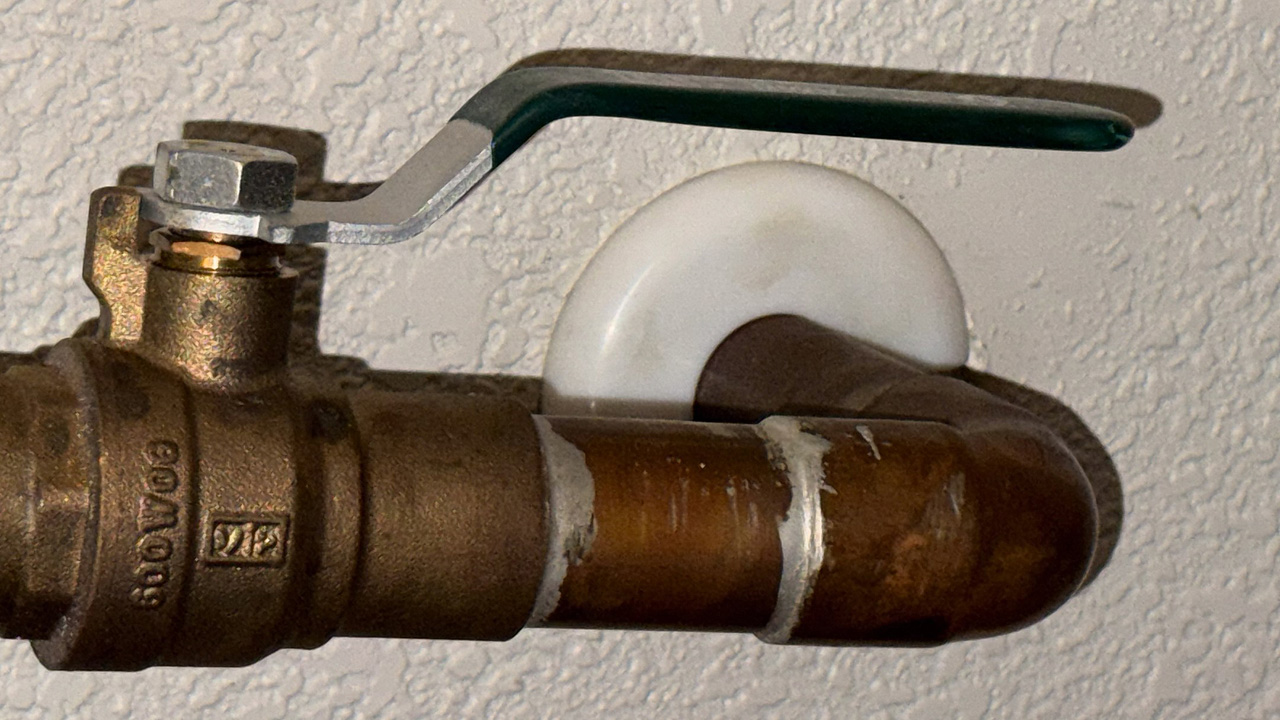
Gate valves, especially older ones, can get stuck halfway open or corrode internally. That limits water flow without fully cutting it off, making pressure seem weak throughout the house.
If your pressure issues are sudden and unexplained, check the main shutoff and any nearby valves to see if they’re the problem. Replacing one valve can make a big difference.
Too Many Taps on a Single Line
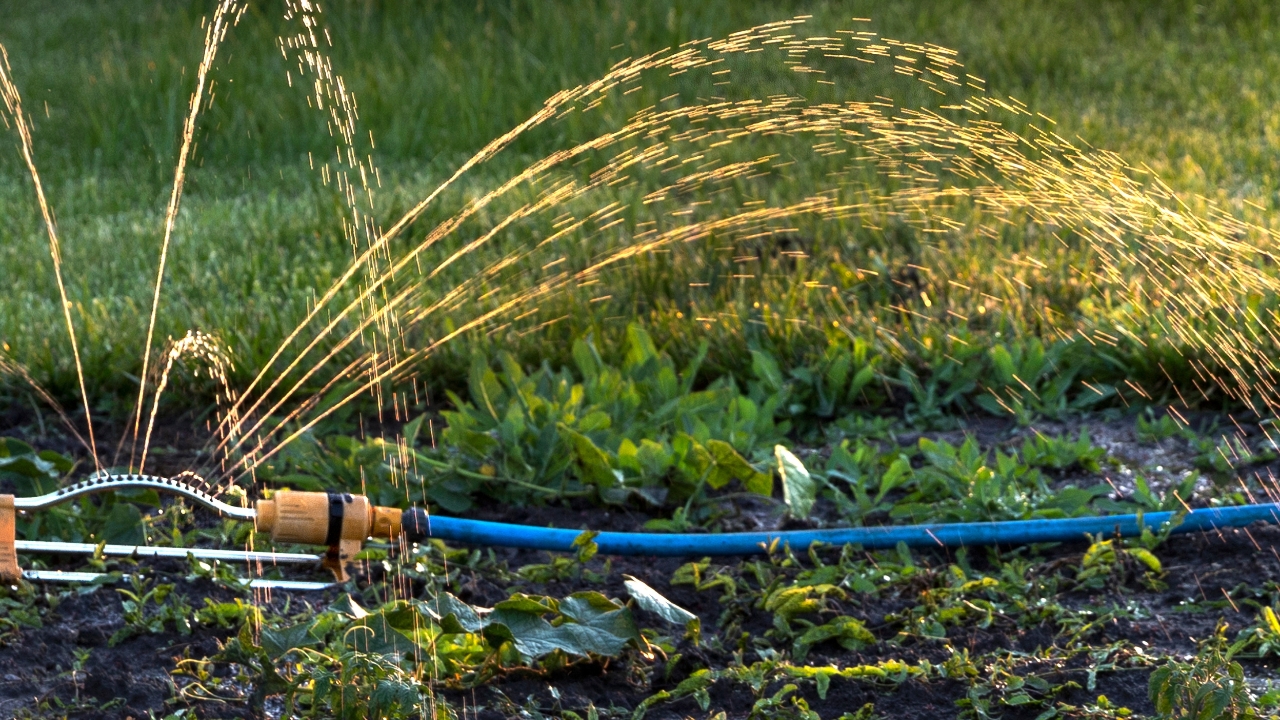
If you’ve added garden beds, outbuildings, or new fixtures without planning your water layout, you may be overloading a line that wasn’t meant to handle that much.
Every time multiple taps run at once, pressure drops. Balancing zones and installing split lines with their own shutoffs helps keep water flowing where you need it.
Clogged Hose Screens and Faucet Aerators
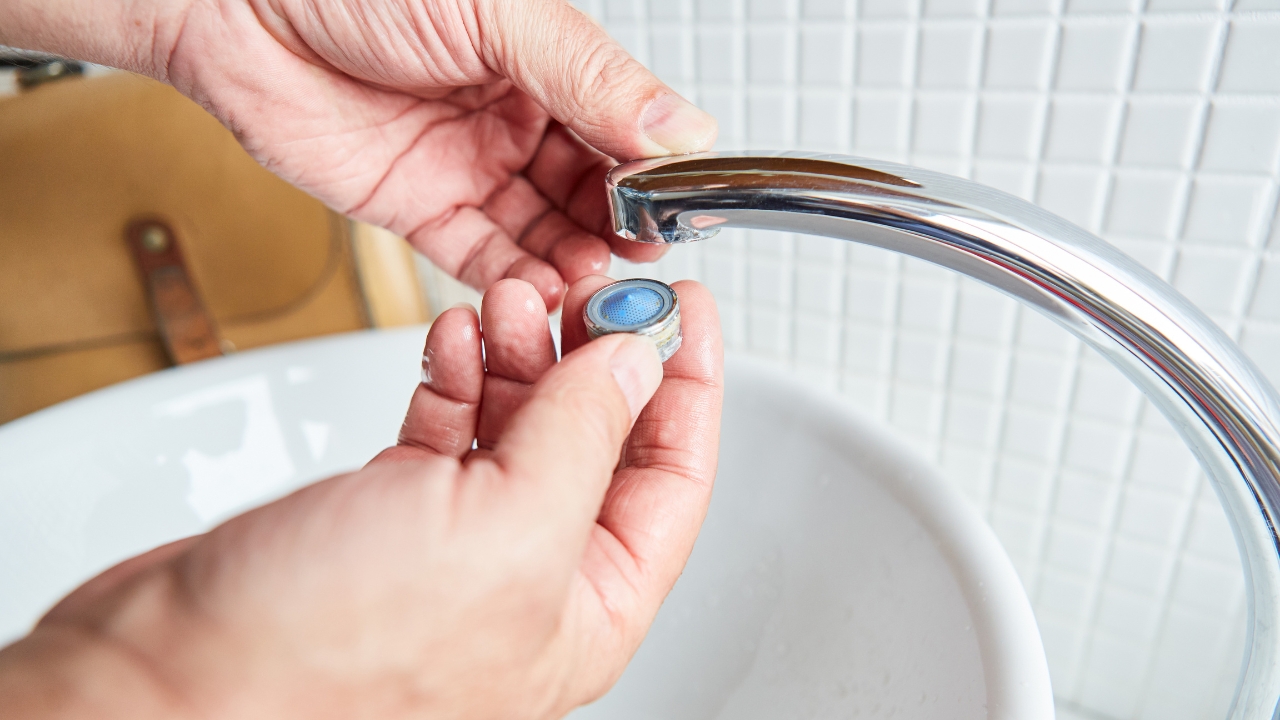
The tiny screens inside hose fittings and faucet heads collect debris over time. Even small bits of grit or hard water buildup can clog them enough to kill your pressure.
If pressure is low in one spot but fine everywhere else, clean out the screen before replacing anything. A quick scrub might be all it takes.
Cracked or Leaky Pipes

Leaks don’t always gush. Even a small crack underground can cause a noticeable drop in pressure, especially if water’s escaping before it reaches your fixture.
Check for wet spots, unusually green grass patches, or a water meter that runs when everything’s off. Catching a leak early can save you from losing pressure and money.
Wrong Size Pipe for the Job

Using half-inch pipe where three-quarter-inch should be can seriously bottleneck your system. This usually happens when someone adds onto an existing setup without upgrading the supply lines.
If you’ve extended your system and pressure dropped after, check the pipe diameter. Undersized pipes won’t keep up during peak use.
Using Timers or Filters That Don’t Fit Your System

Add-ons like hose timers or filters can restrict flow if they’re too small for your system’s pressure or aren’t installed correctly.
Always check the pressure rating on accessories. If they weren’t made for your setup, they can choke your flow without you realizing it.
Partially Closed Supply Valves
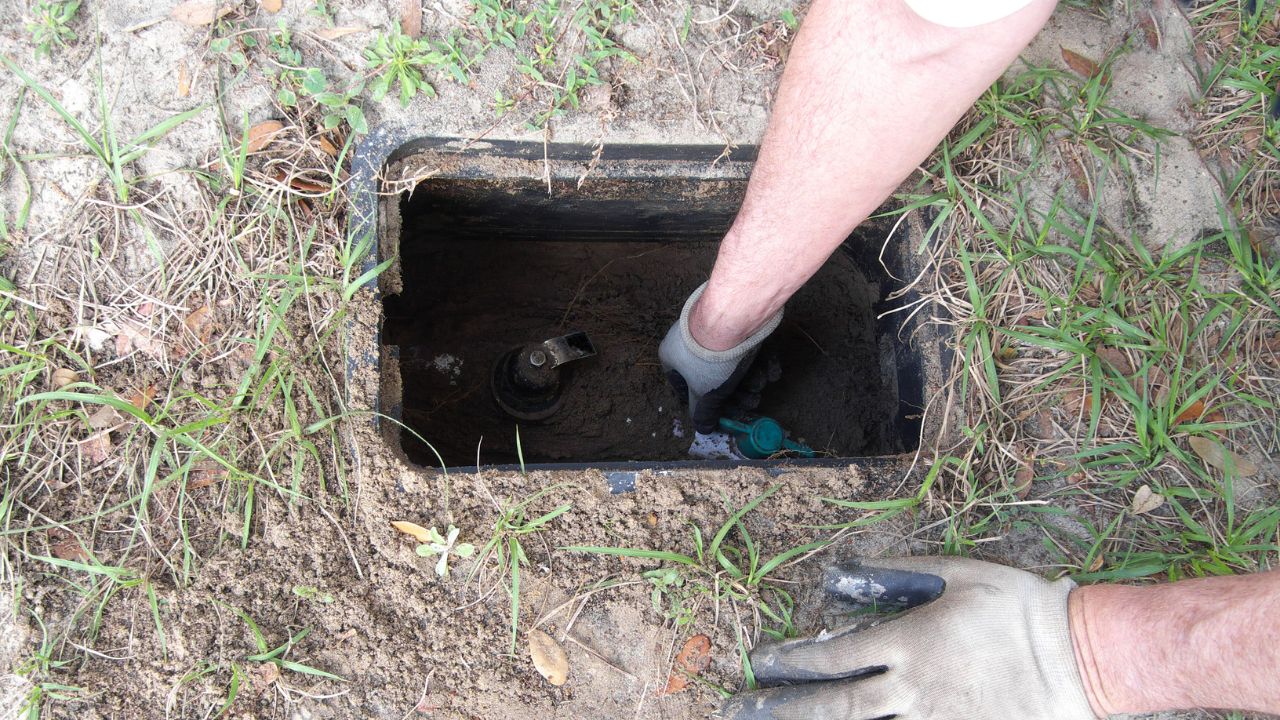
Sometimes a valve gets turned partway during a repair or install and never opened fully again. That can limit pressure to the whole house or a specific area.
If pressure has never been great since a project or repair, double-check that every valve is completely open.
Overusing Splitters Without Pressure Control
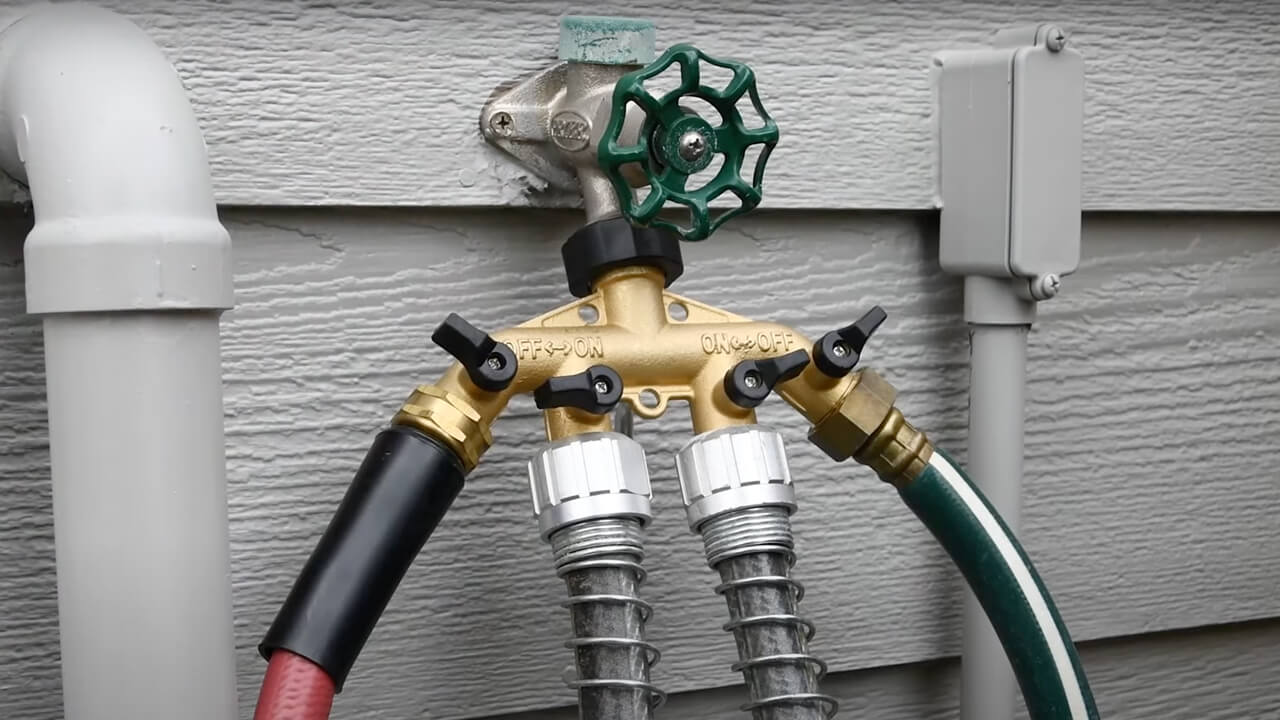
Running multiple hoses off one spigot with a basic splitter can drop your flow fast, especially if both are in use. Add in kinks or weak fittings and the pressure gets worse.
Use splitters with built-in pressure regulation and shutoffs to better manage your water and avoid pressure loss.
Ignoring Pressure Regulator Issues
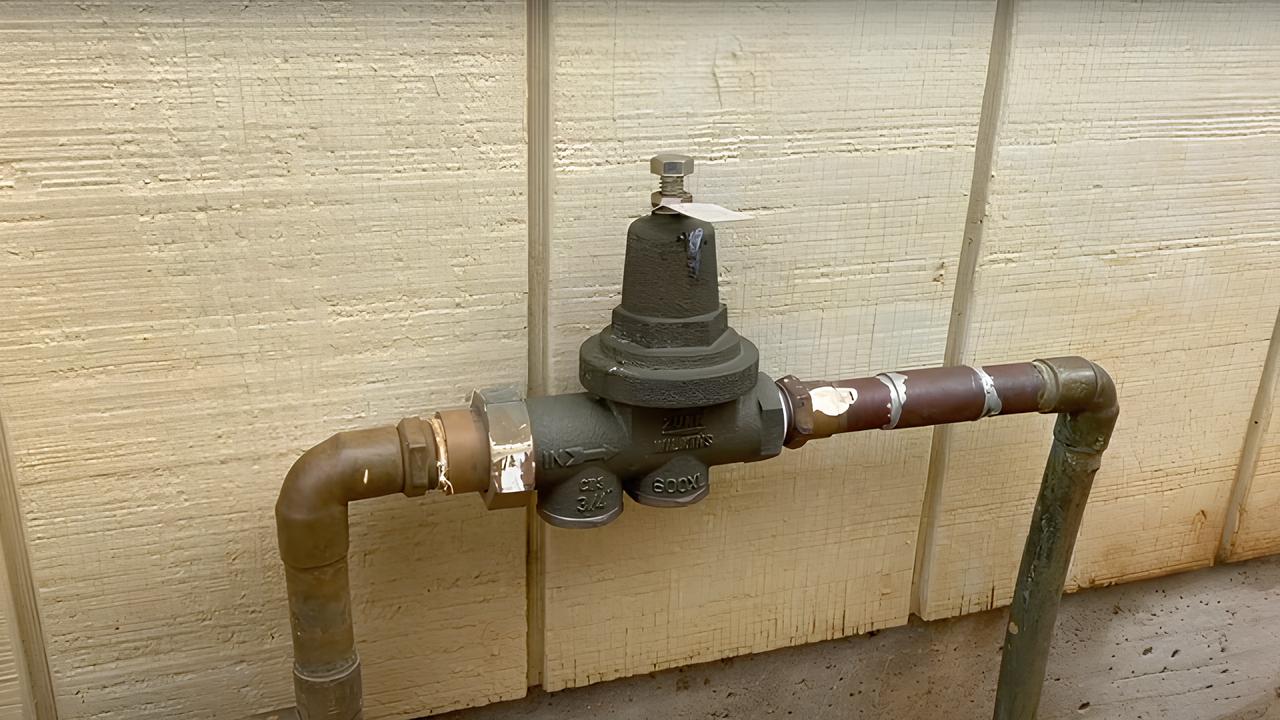
Homes with city water often have a pressure regulator where the line enters the house. If that regulator starts to fail, pressure across the whole property can drop.
A failing regulator can be subtle at first. If every fixture has slightly lower flow, it’s worth having the regulator checked or replaced.
*This article was developed with AI-powered tools and has been carefully reviewed by our editors.