12 Carpet Cleaning Tricks Every Homeowner Should Know
Photo credit: REDPIXEL.PL/Shutterstock.com
Carpet can make a home feel warm and comfortable—until it starts holding onto stains, smells, and everyday dirt. The thing is, most carpet problems can be handled with simple tools and the right routine. You don’t need to hire a professional every time something spills or track mud through the living room.
These tricks have helped us keep our carpets looking decent (even with pets and kids), and they’re easy enough to work into your regular cleaning routine. Here’s what’s actually worth doing.
Always Blot—Never Rub
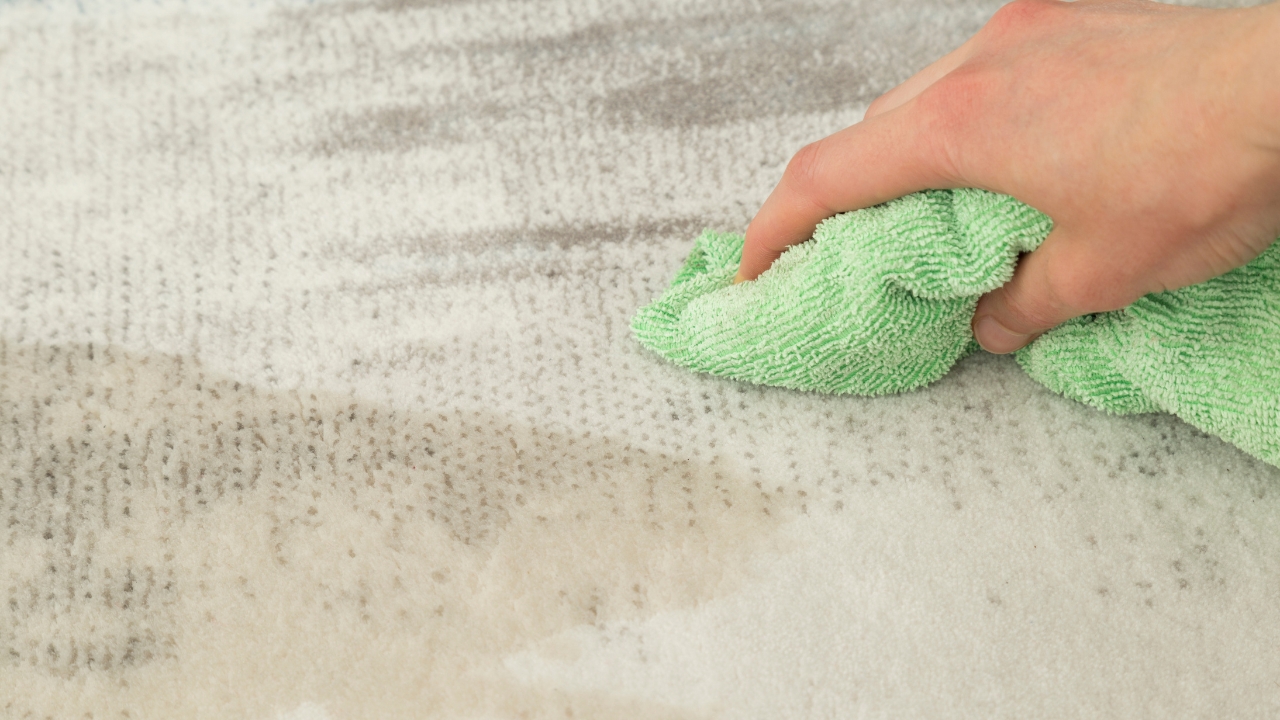
Rubbing a stain pushes it deeper into the carpet fibers and makes it harder to remove. Blotting pulls it up and gives your cleaner a chance to work.
Use a clean cloth or paper towel and press firmly from the outside of the stain inward. Keep blotting with a fresh section until the spot stops transferring.
Use a Shop Vac for Spills
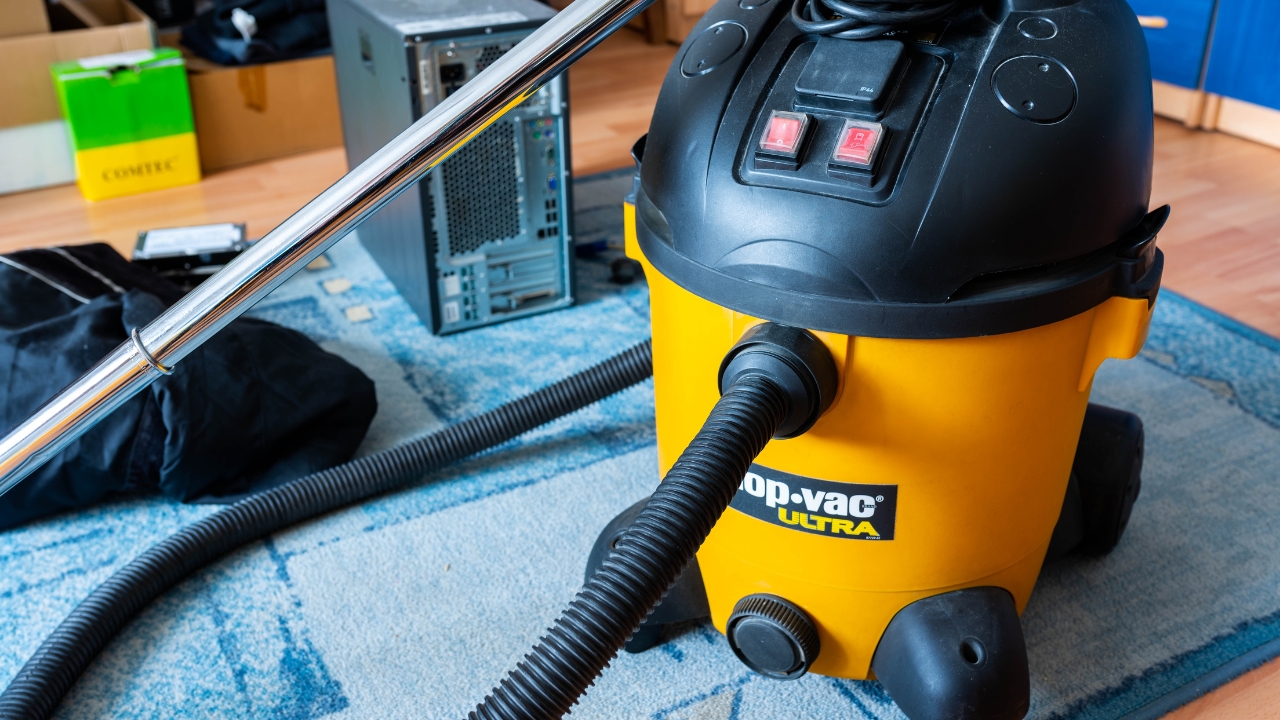
If you’ve got a wet/dry vac, it’s one of the best tools for handling spills. It pulls up way more liquid than a towel ever could.
As soon as something spills, vacuum it up before it soaks through the padding. It helps prevent stains and cuts drying time down significantly.
Try a Vinegar and Water Mix

A 50/50 mix of white vinegar and water works surprisingly well for everyday spots and odors. It’s safe for most carpets and doesn’t leave behind any residue.
Spray the area lightly, let it sit for a few minutes, and blot it up. It’s especially useful for pet messes or musty smells that don’t quite go away with soap alone.
Tackle Pet Accidents With Enzyme Cleaner
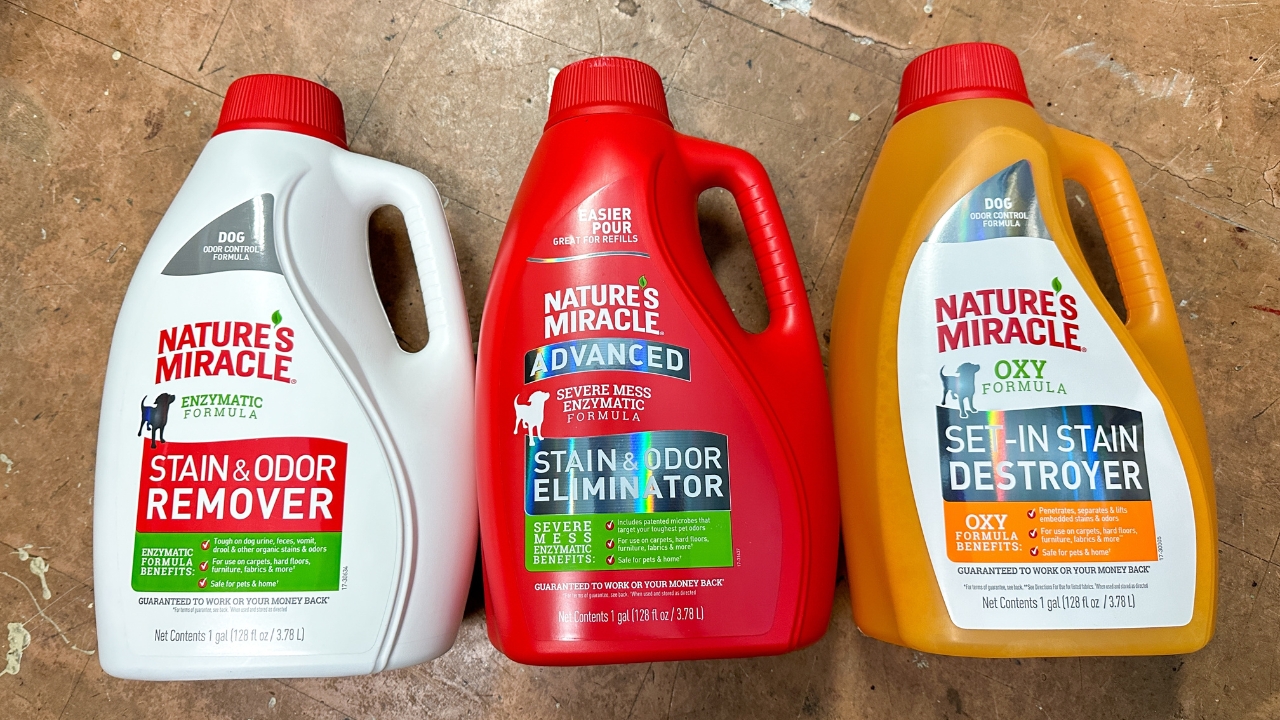
Standard cleaners won’t fully break down the proteins in pet urine. That’s why the smell often lingers even after the spot looks clean.
Look for an enzyme-based cleaner made for pet messes. Let it sit as long as the label recommends before blotting it dry. It neutralizes the source of the odor instead of just covering it up.
Use Baking Soda Before You Vacuum

Sprinkling baking soda over your carpet before vacuuming helps absorb odors and freshen things up. It’s a quick fix that makes a noticeable difference.
Let it sit for at least 15 minutes—longer if you’ve got time—then vacuum slowly to pull it up. You can use it as often as needed without harming the carpet.
Test Any Cleaner First
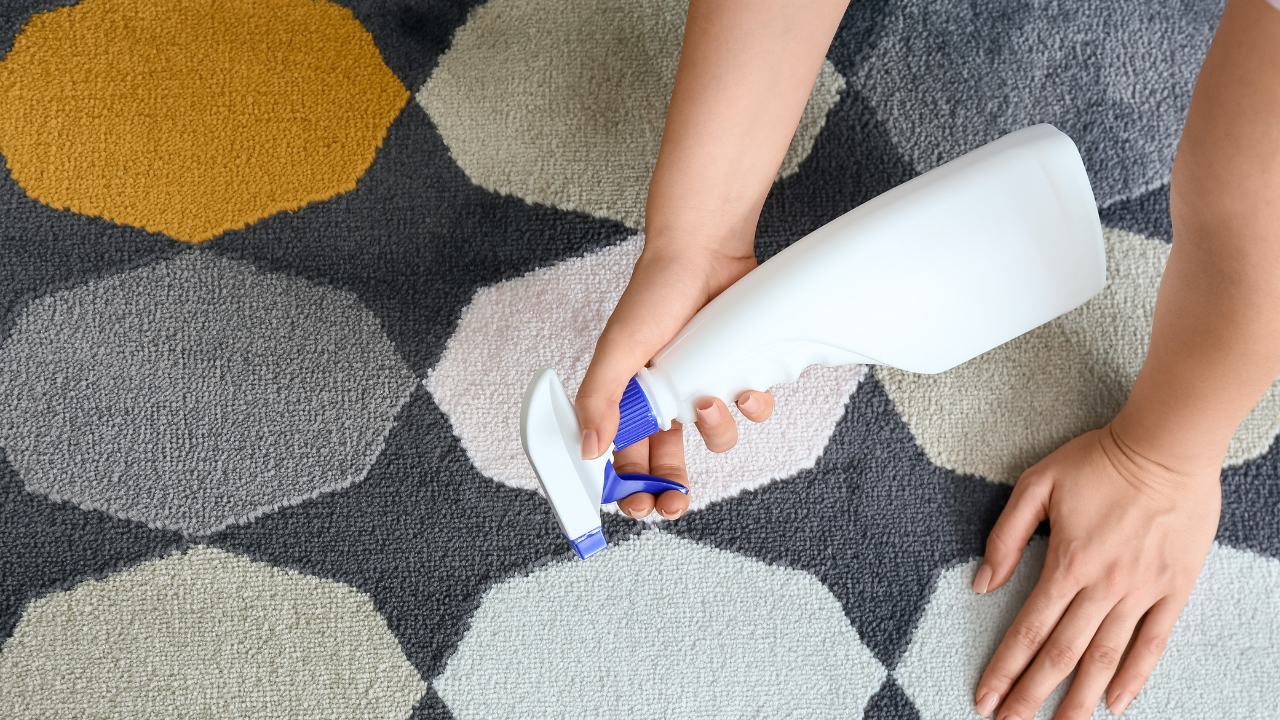
Even if a product says it’s safe for carpets, always test it on a small hidden spot first. Some carpets can react weirdly to certain formulas, especially if they’re wool or lightly dyed.
Let the test area dry completely before deciding it’s safe. It only takes a few extra minutes and could save you from accidentally bleaching or damaging a bigger area.
Keep Dirt Out in the First Place
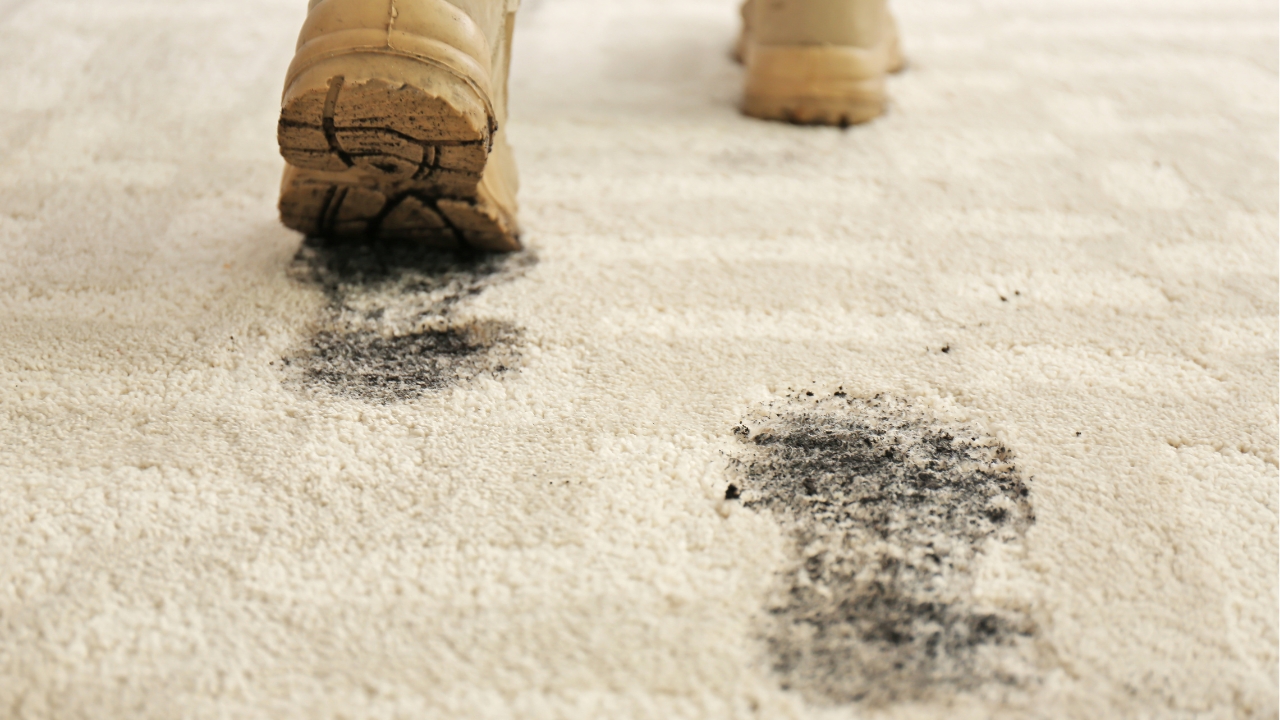
One of the best tricks for cleaner carpets is keeping dirt from getting tracked in. Entry rugs, shoe storage, and regular sweeping near doorways make a big difference.
Encouraging a no-shoes rule indoors helps too—even if it’s just during wet weather. Less dirt coming in means less vacuuming and fewer stains to deal with later.
Don’t Soak the Carpet

Too much moisture can lead to mildew and lingering odors. If you’re spot cleaning, make sure you’re not leaving the carpet wet for hours.
Use just enough cleaner to break down the stain, then blot and dry thoroughly. A fan or open windows can help speed up drying time if needed.
Deep Clean at Least Once a Year
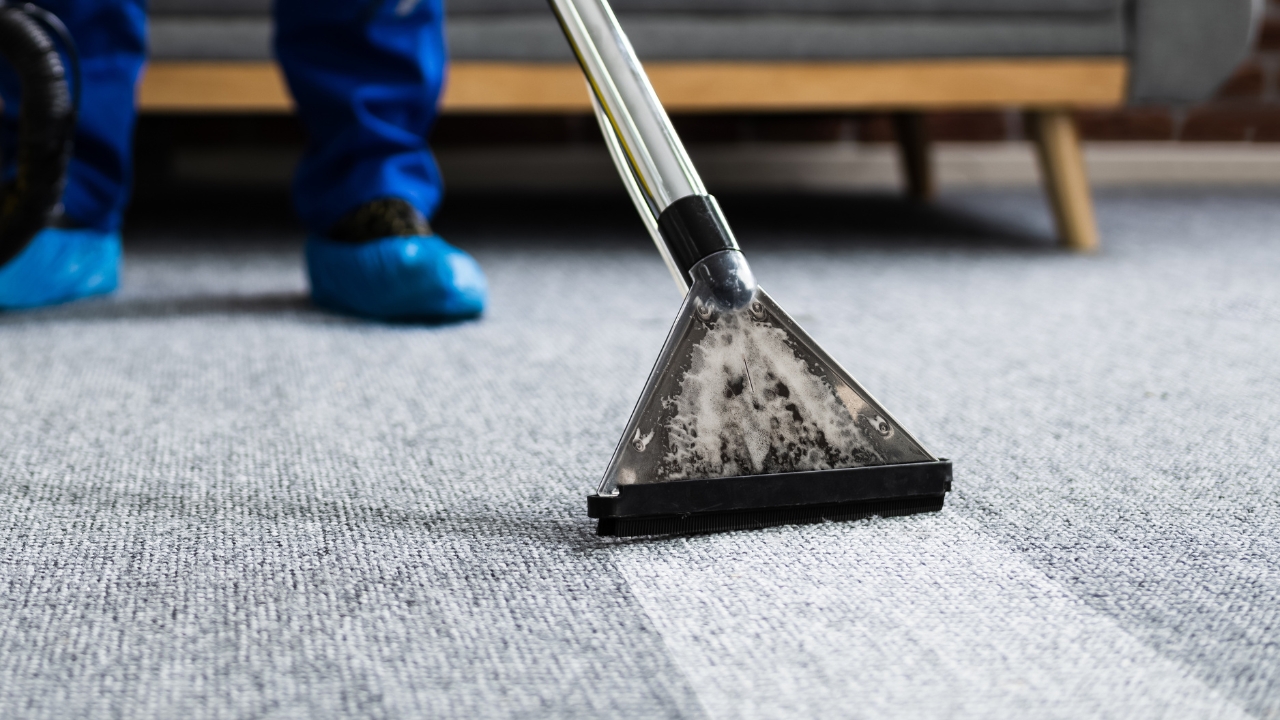
Even with regular care, carpet needs a deeper clean now and then. Renting a carpet cleaner or using a machine you own helps pull up the grime that vacuums leave behind.
Aim for once a year—twice if you’ve got pets or kids. Make sure the carpet dries completely after to avoid any musty smells or mildew buildup.
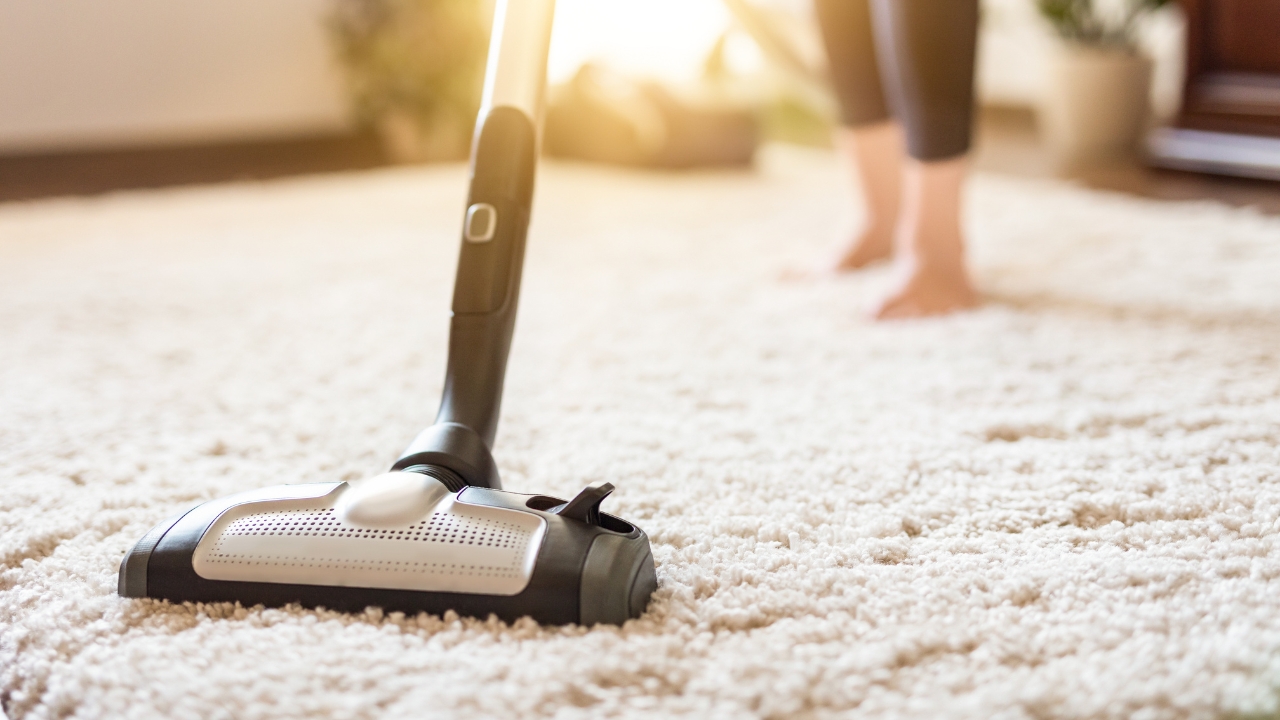
Vacuum Slowly and Regularly
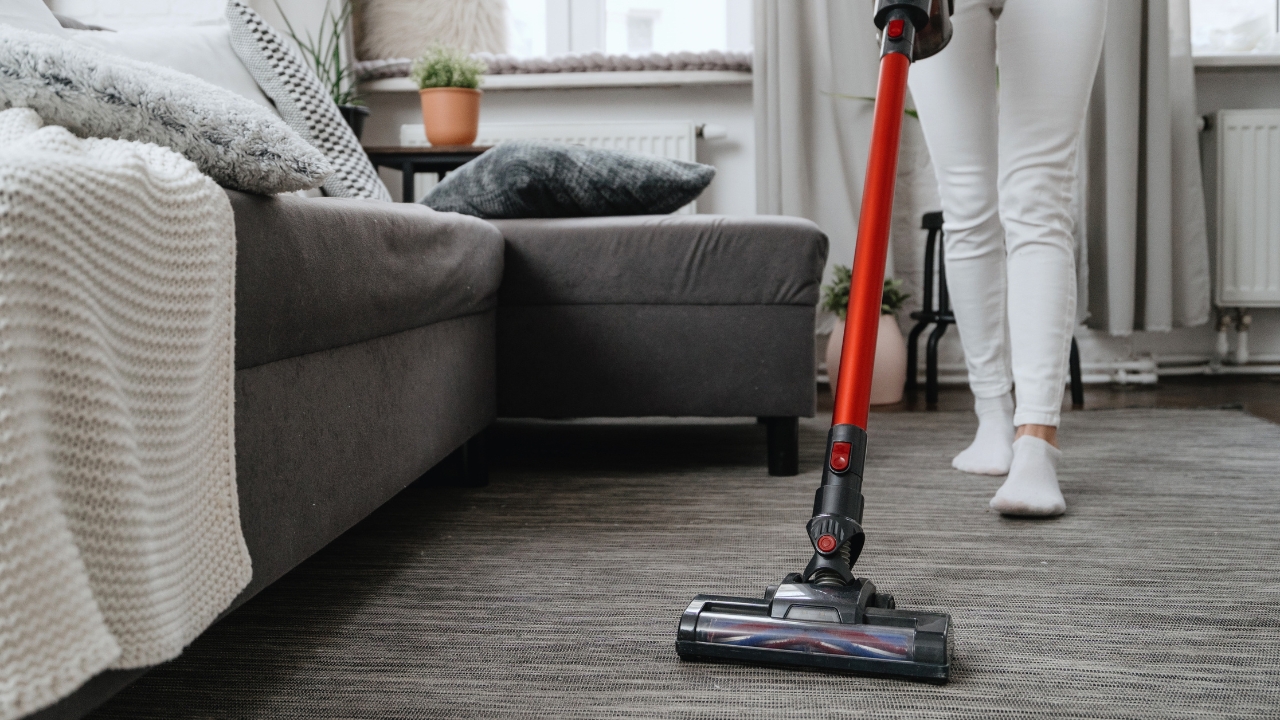
Speed vacuuming misses a lot of dirt. Going slowly gives the machine time to do its job and helps loosen the stuff that’s settled into the fibers.
Vacuum high-traffic areas a few times a week if you can, and the rest of the house at least weekly. It keeps buildup down and helps your carpet last longer.
Like Fix It Homestead’s content? Be sure to follow us.