10 cheap upgrades that fall apart faster than you’d think
Photo credit: New Africa/Shutterstock.com
Some upgrades sound great in theory—affordable, easy to install, and good enough for now. But when the finish starts peeling, corners lift, or they wear out before the season’s over, it’s clear they weren’t worth it. These are the kinds of budget upgrades that tend to disappoint faster than you’d like.
Peel-and-stick flooring tiles
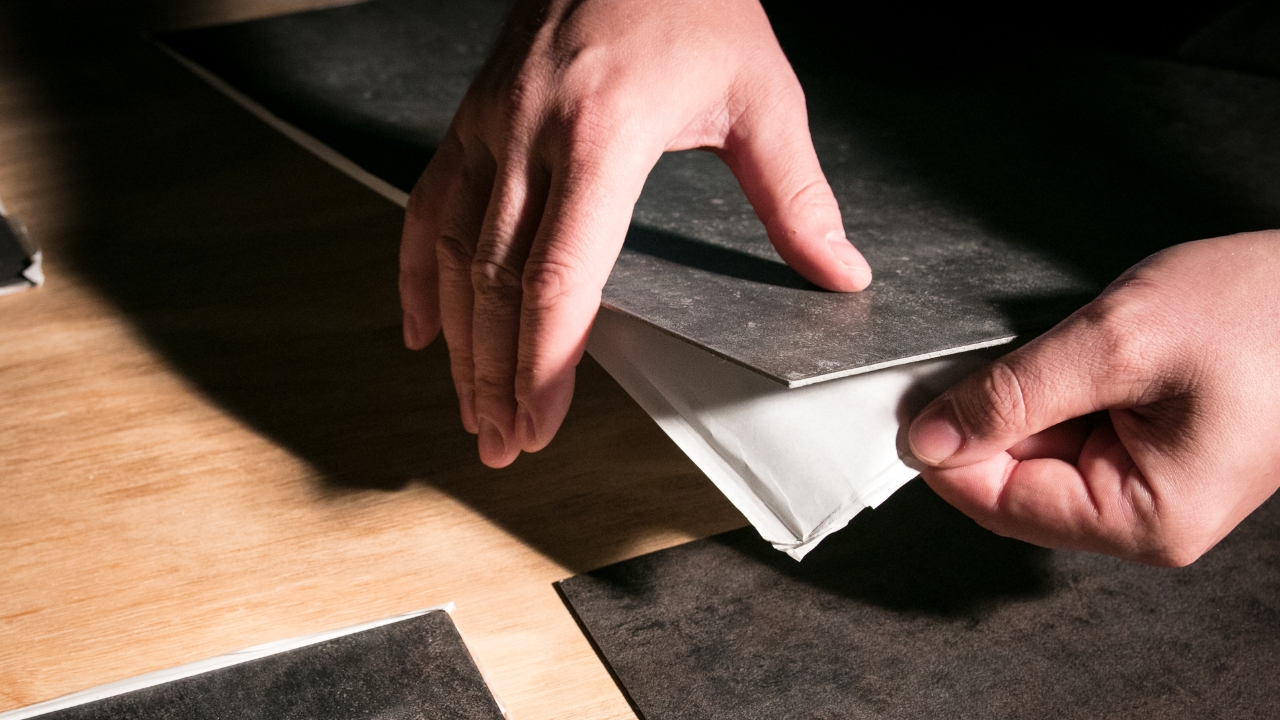
They go down quick and look fine at first, but most don’t hold up well. Corners lift, seams show, and any water exposure speeds up the wear. You’re usually better off saving for a better material or using these in truly low-traffic zones only.
Temporary countertop films
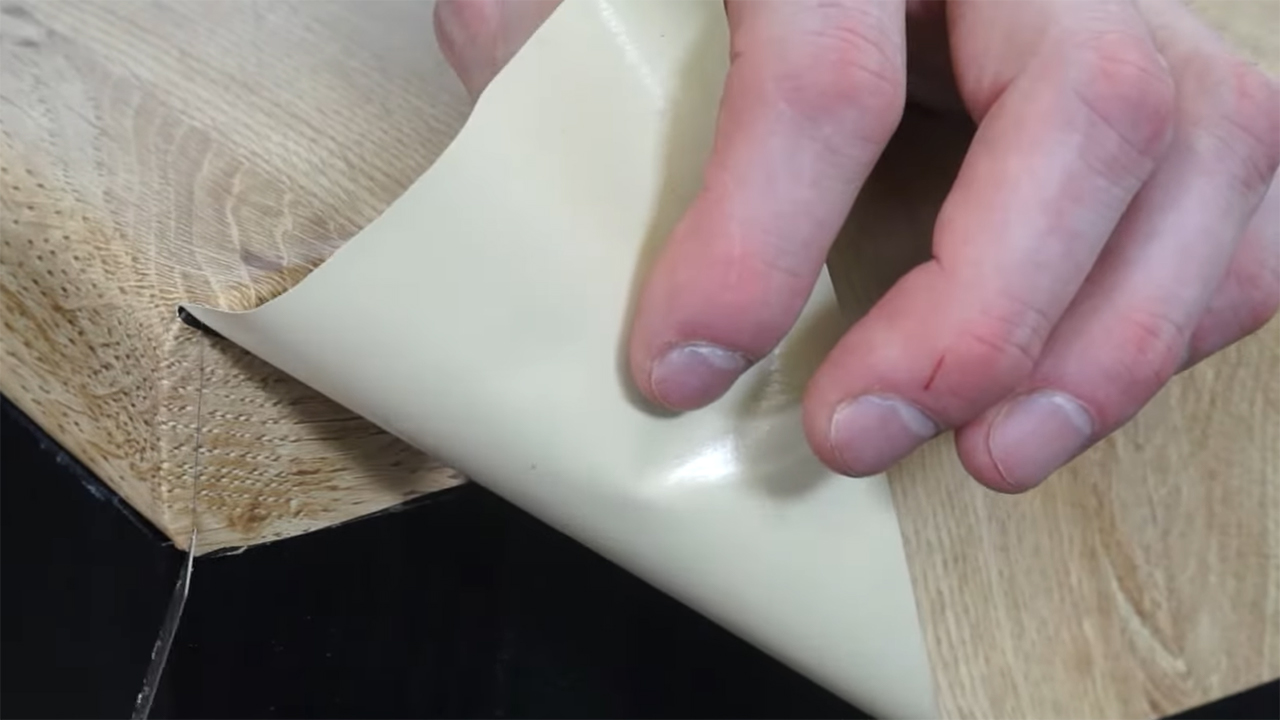
They promise a fresh look without the demo, but they scratch easily and often bubble or peel. If you cook often or clean with anything stronger than soap and water, they won’t last long. Plus, when they start to wear, they’re hard to ignore.
Low-cost cabinet paint kits
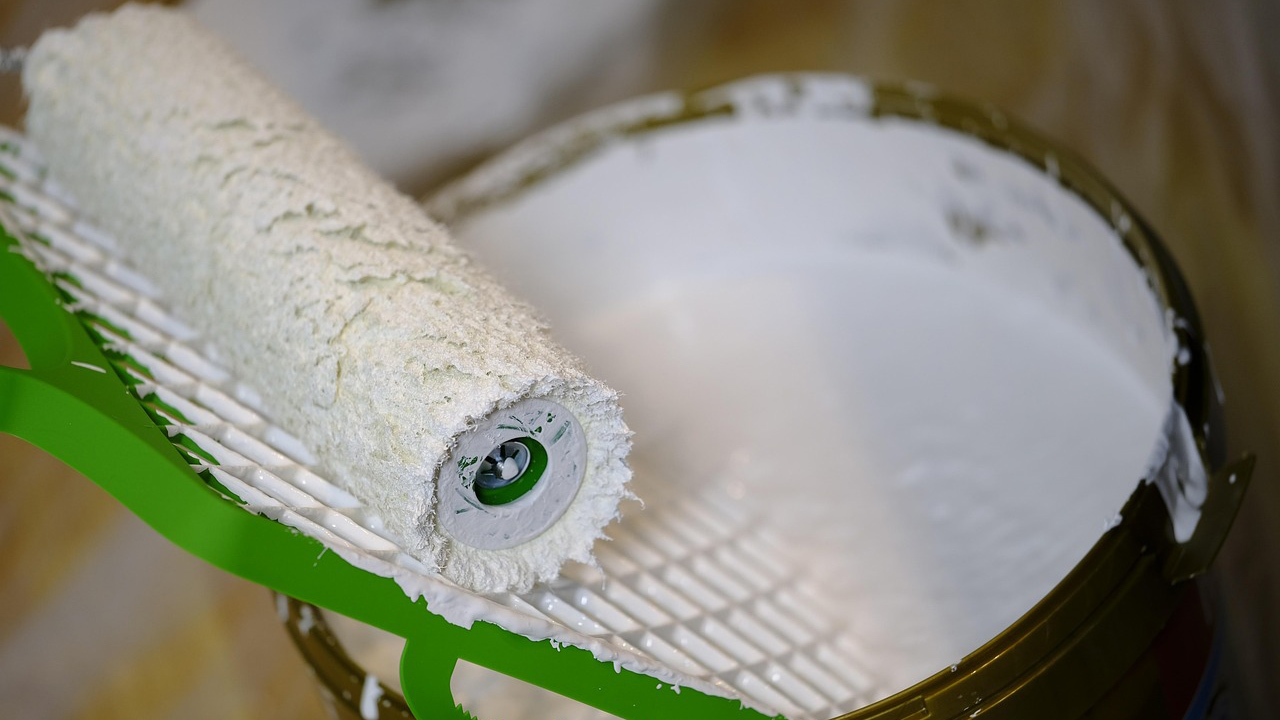
Some of the cheapest kits skip the prep steps that make paint actually stick. Without proper sanding or primer, you’ll likely see chips and scratches within weeks—especially around handles and edges. It ends up looking worse than before.
Budget light fixtures

Cheap fixtures often come with poor wiring, weak finishes, or parts that loosen over time. Even if they look decent out of the box, they usually don’t age well. Spending a little more gives you something that works and lasts.
Thin area rugs

Inexpensive rugs can fill a space, but they rarely stay in place or hold up to daily wear. Most are too thin to feel good underfoot and end up curling or pilling fast. A thicker rug pad helps, but the rug still matters.
Plastic faux-wood blinds
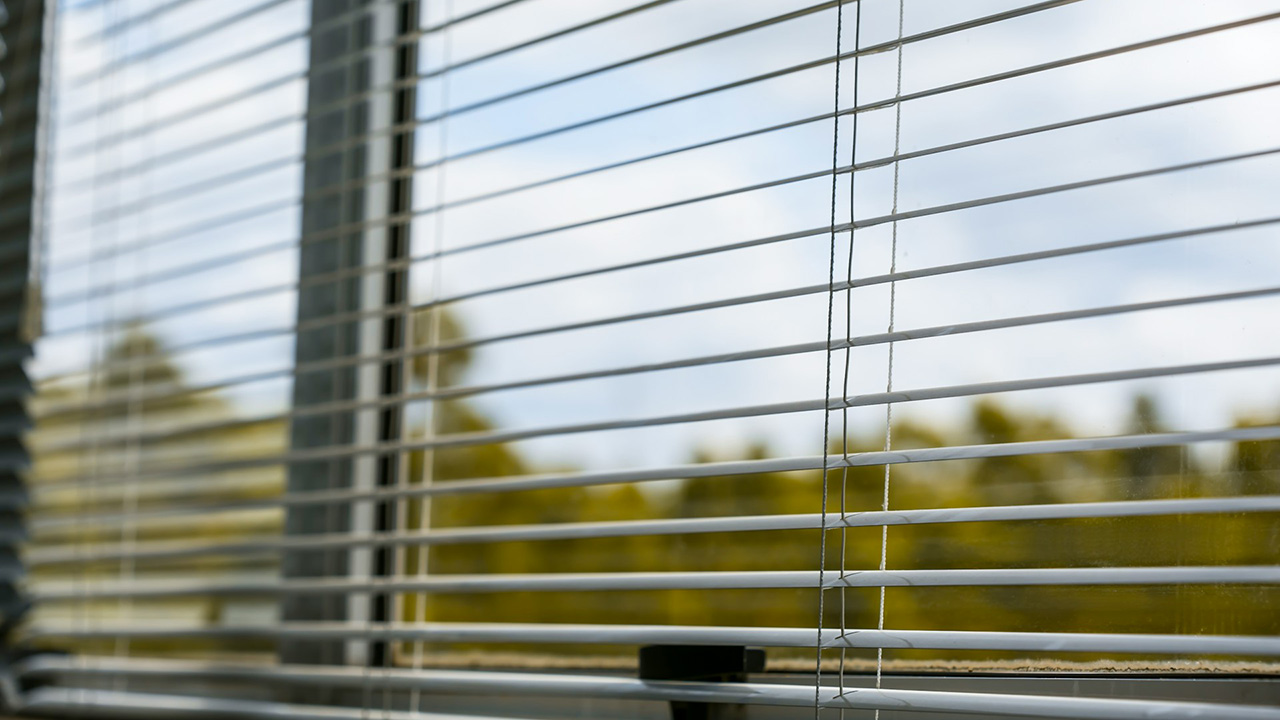
They look like a good deal until they start warping from sun exposure or snapping from light use. The cords tangle, the slats bow, and you’ll probably replace them sooner than planned. Real wood or fabric curtains age better.
Low-quality faucets
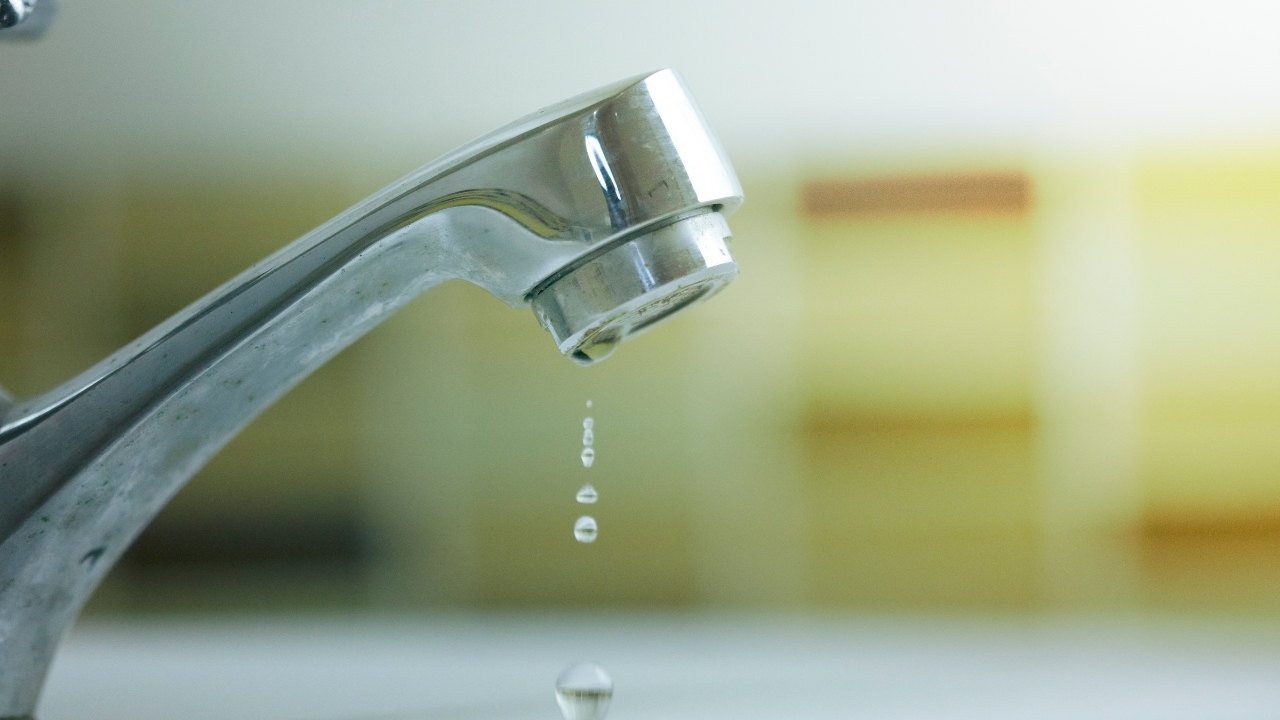
The budget options might look sleek, but the internals are usually the problem. Leaky valves, loose handles, and cheap finishes show up fast—especially in kitchens and bathrooms where use is constant. It’s one of those spots worth upgrading from the start.
Particle board furniture
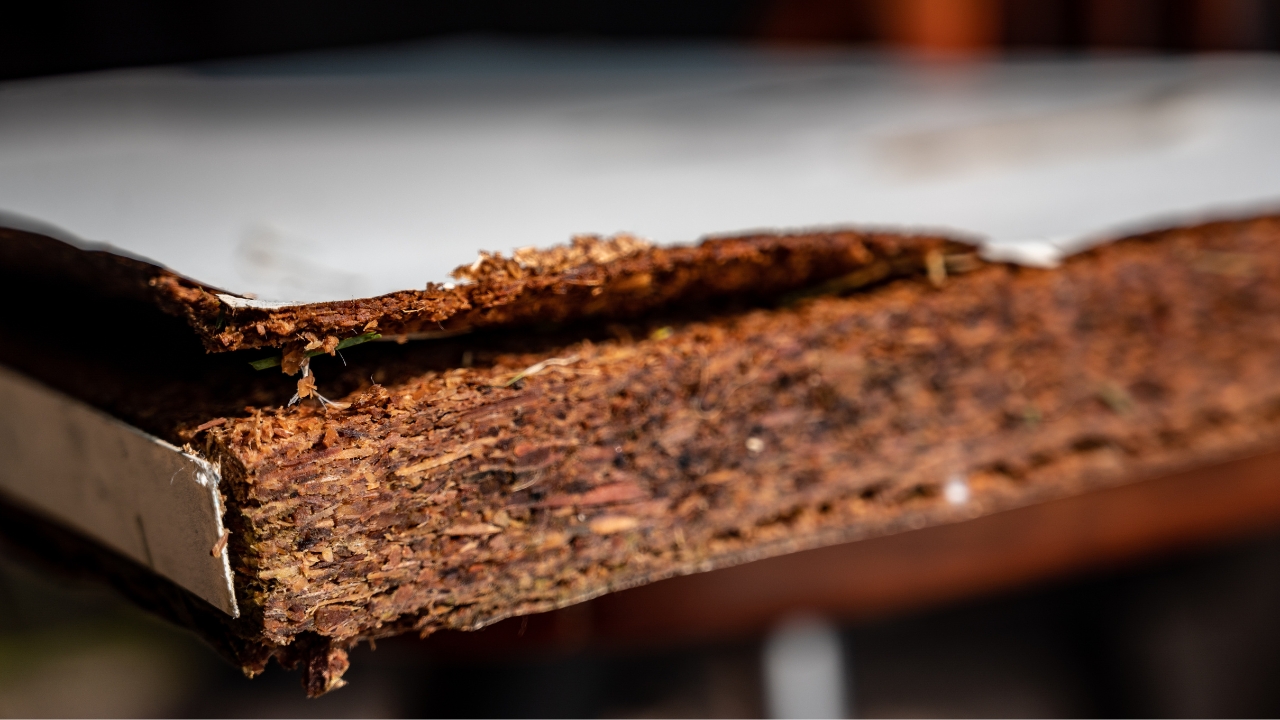
Flat-pack pieces are fine for short-term use, but particle board doesn’t handle moves, moisture, or daily use well. Once it starts chipping or sagging, there’s no easy fix. Buying secondhand solid wood often lasts longer for the same price.
Stick-on backsplash tiles
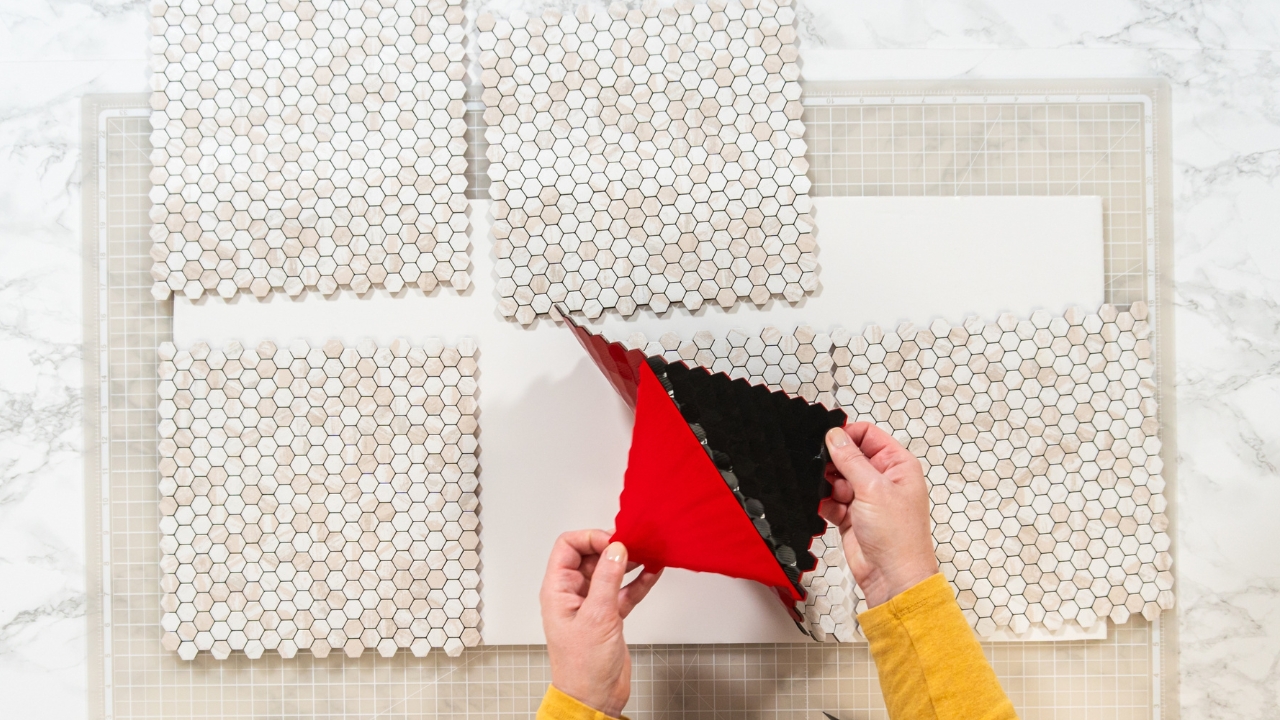
Like the floors, stick-on tiles peel or discolor in kitchens that actually get used. Heat, steam, and grease don’t mix well with adhesives. If you’re going for a tile look, save for the real deal or use a painted alternative.
Paint-and-primer-in-one
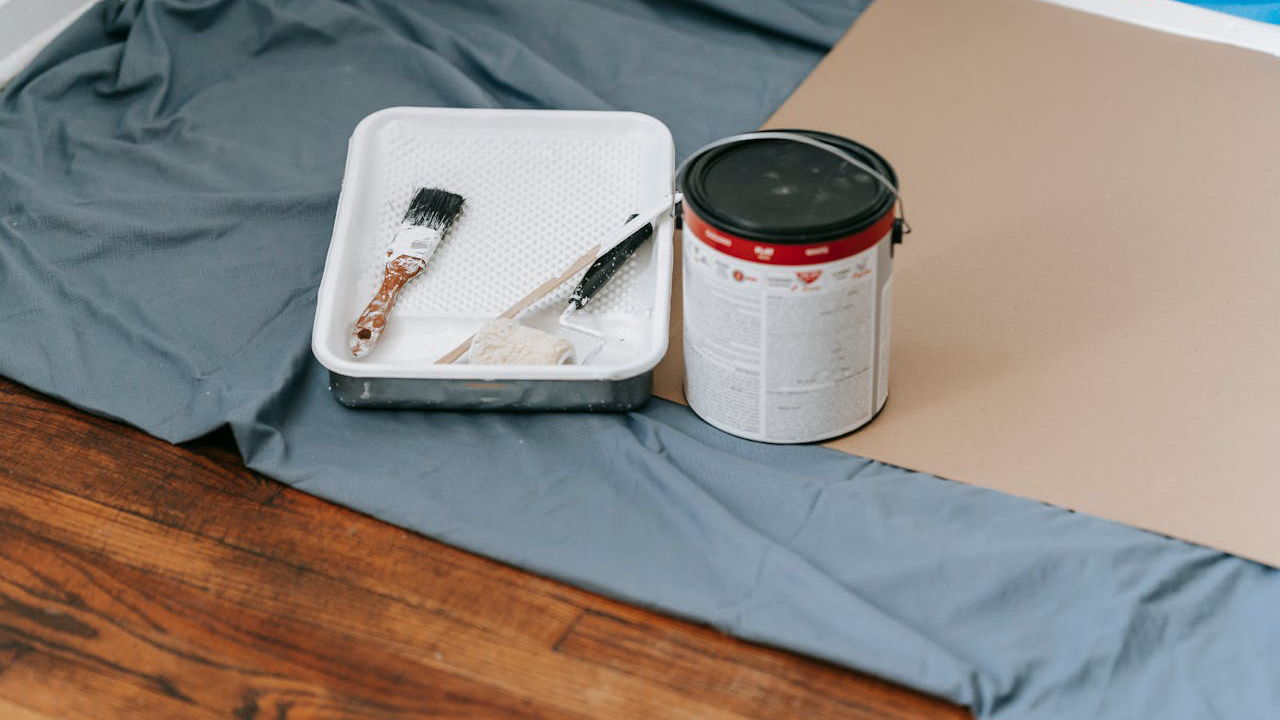
The one-coat promise sounds good, but it rarely works unless your walls are already smooth and light-colored. Skipping real primer leads to poor coverage and more frequent touch-ups. It usually costs more in time and effort long-term.
*This article was developed with AI-powered tools and has been carefully reviewed by our editors.