8 easy animals that keep giving you food all year
Photo credit: sergey kolesnikov/Shutterstock.com
If you want a steady supply of food without constantly fighting high feed bills or complicated setups, the right livestock makes all the difference. Some animals will work for you year-round with minimal fuss, giving you eggs, milk, meat, or honey without demanding massive barns or endless upkeep.
The key is choosing species that adapt well to your climate, handle seasonal changes, and keep producing even when the weather shifts. With good care and basic shelter, these animals can keep your kitchen stocked while making your property more self-sufficient.
Chickens
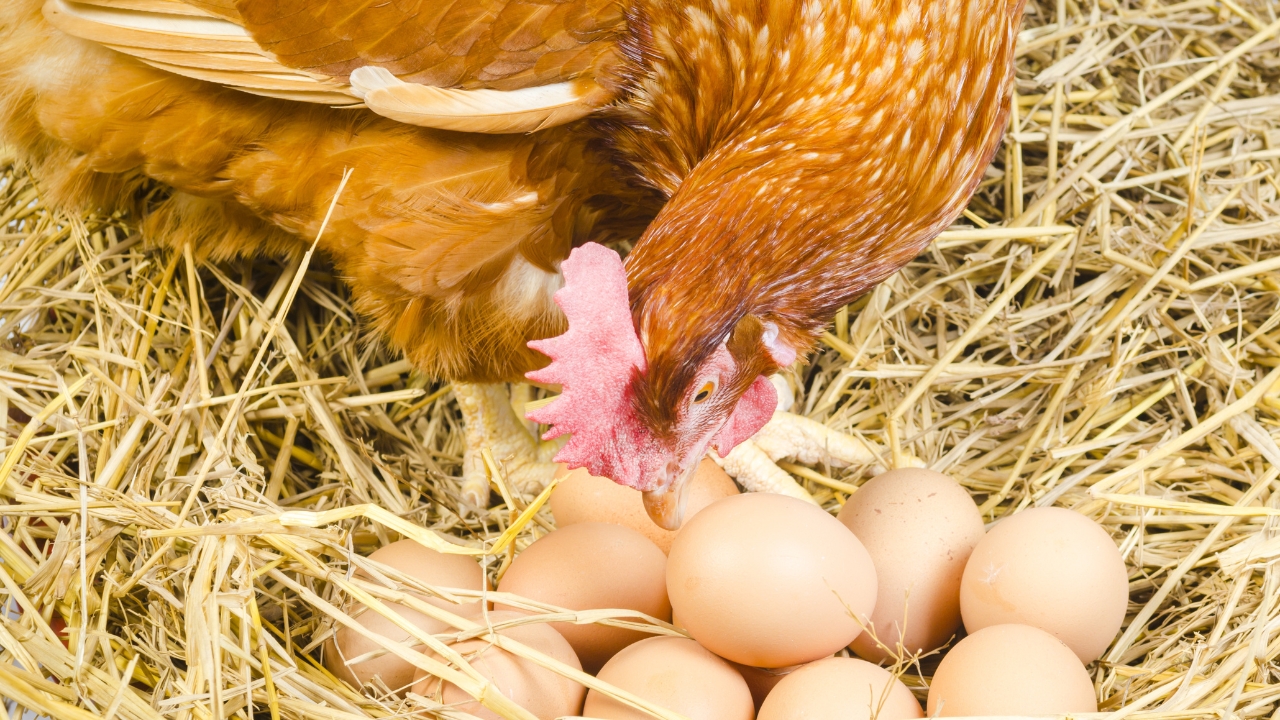
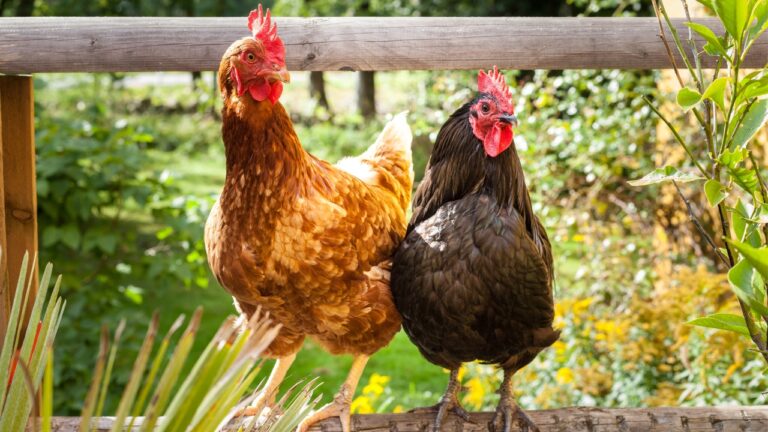
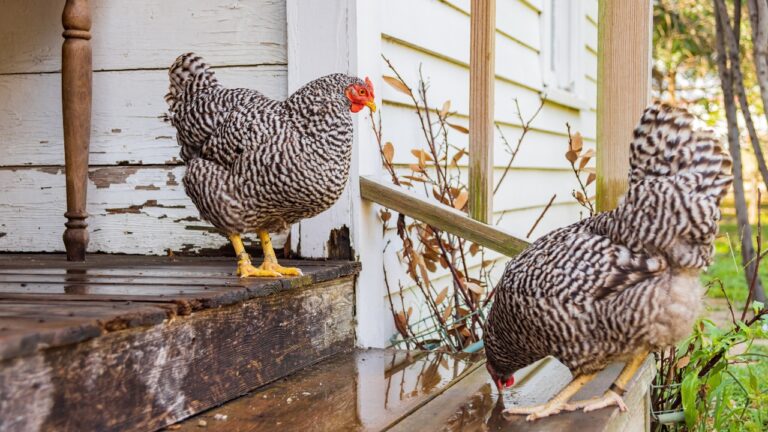
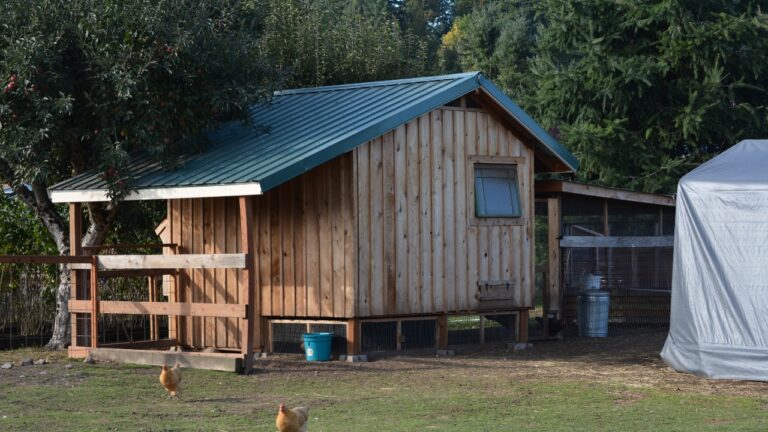
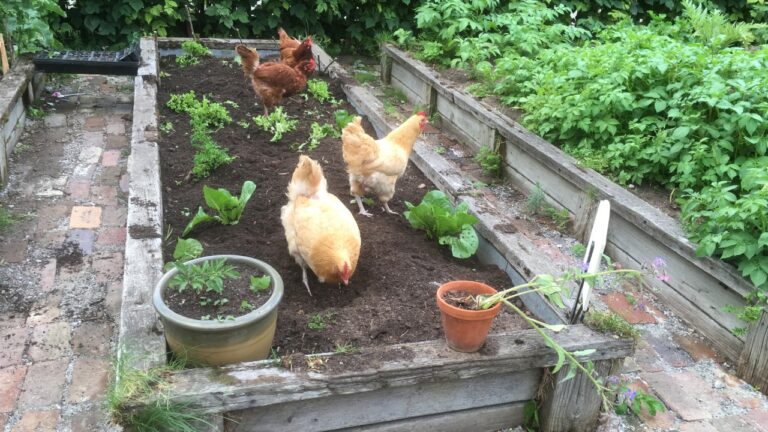
Chickens are one of the easiest ways to get fresh food year-round. With the right breeds, you can have eggs through most of the winter, especially if you provide supplemental lighting. They adapt well to small spaces, and their housing can be as basic as a secure coop with a run.
Feed them a mix of quality layer feed, scraps, and forage, and they’ll reward you with consistent production. Plus, they help with pest control by eating insects around your yard.
Ducks
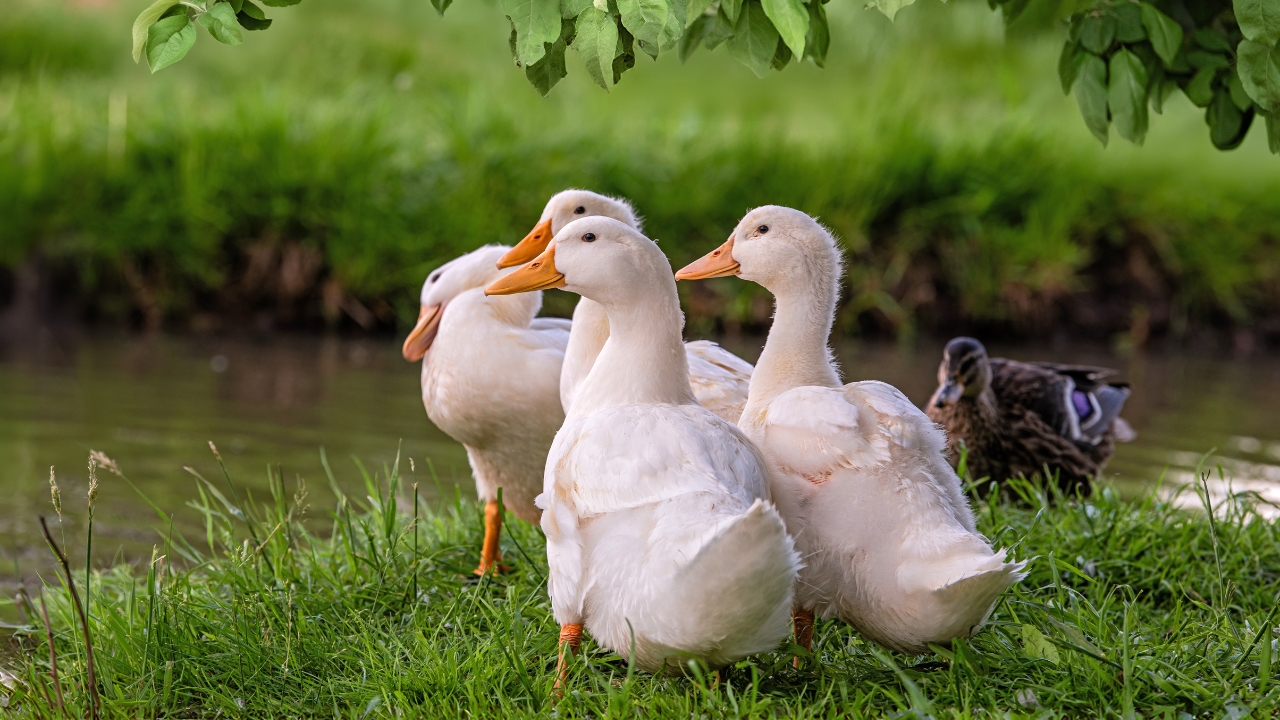
Many duck breeds lay through much of the year, even in cooler weather. They’re hardy, adaptable, and less prone to some of the health issues that affect chickens. Ducks need daily access to clean water deep enough to dunk their heads, but they don’t require a full pond.
With secure housing and a bit of space to forage, they’ll keep giving you large, rich eggs that store well. Their ability to handle cold and wet conditions makes them a reliable choice.
Rabbits

Rabbits are a productive meat source that can be raised year-round with minimal space and infrastructure. They breed quickly, and with proper planning, you can stagger litters for steady supply.
They thrive in hutches, colonies, or secure runs, and their feed needs are straightforward — hay, pellets, and greens. Rabbit manure is also a year-round bonus for your garden, requiring no composting before use.
Goats
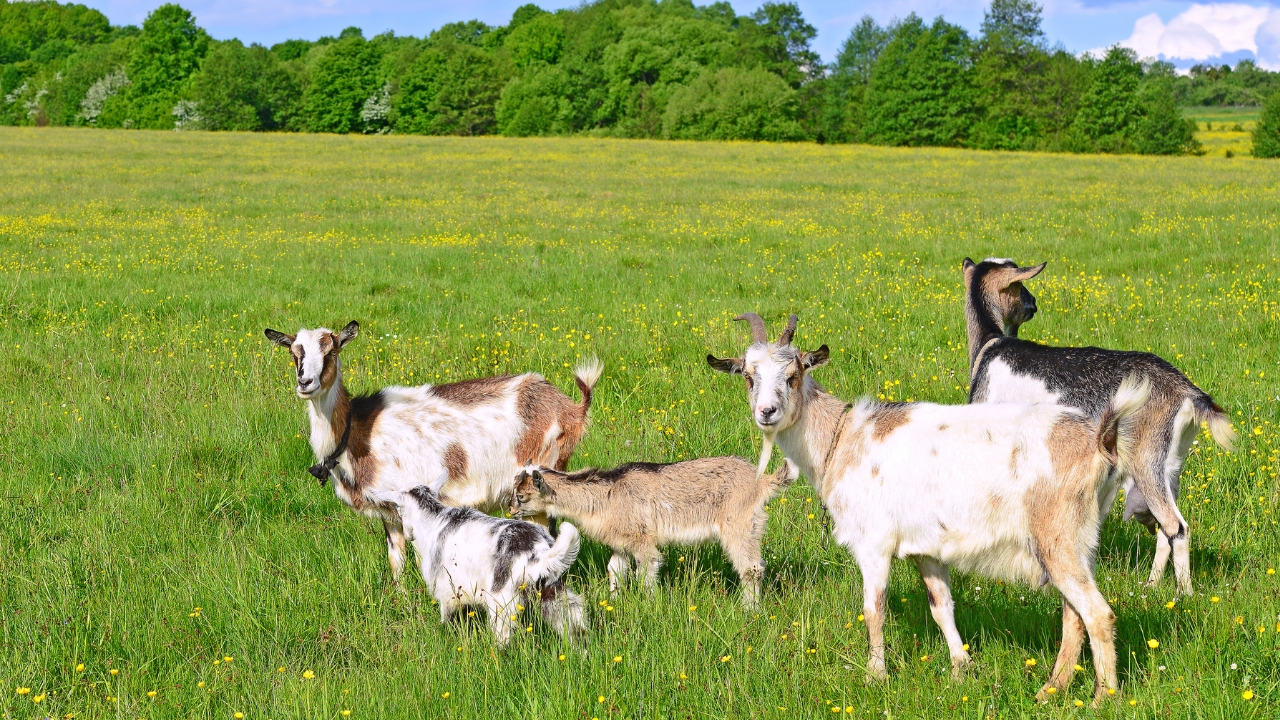
Dairy goats can provide milk throughout the year if you stagger breeding schedules. Breeds like Nigerian Dwarfs and Nubians are well-suited for smaller properties and adapt to different climates. They need secure fencing, basic shelter, and a diet of quality hay, browse, and minerals.
Goats are also valuable for clearing brush and managing overgrowth, which makes them useful beyond their milk production.
Quail
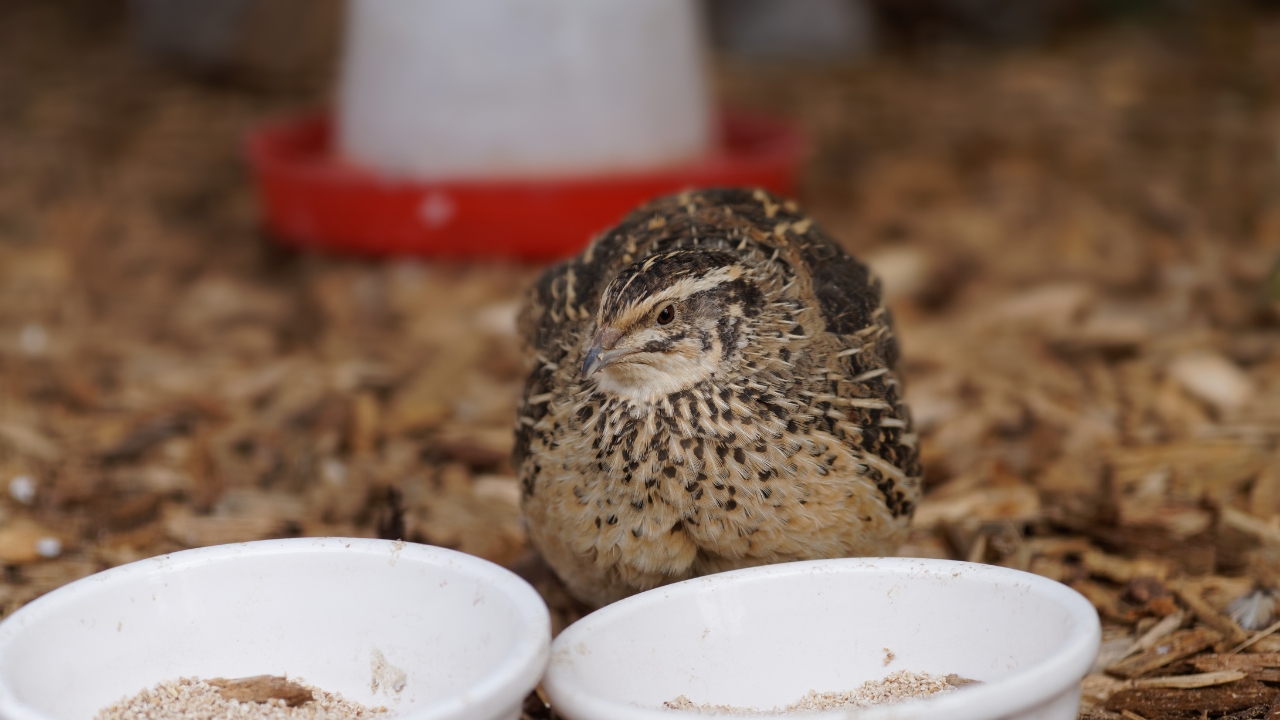
Quail are compact, fast-growing birds that mature quickly and start laying eggs in about eight weeks. With climate-controlled housing, they can produce consistently year-round. Their small size means they don’t take up much room, and they require less feed than chickens or ducks.
Quail eggs are highly marketable and store well, making them a smart choice for ongoing food production.
Bees
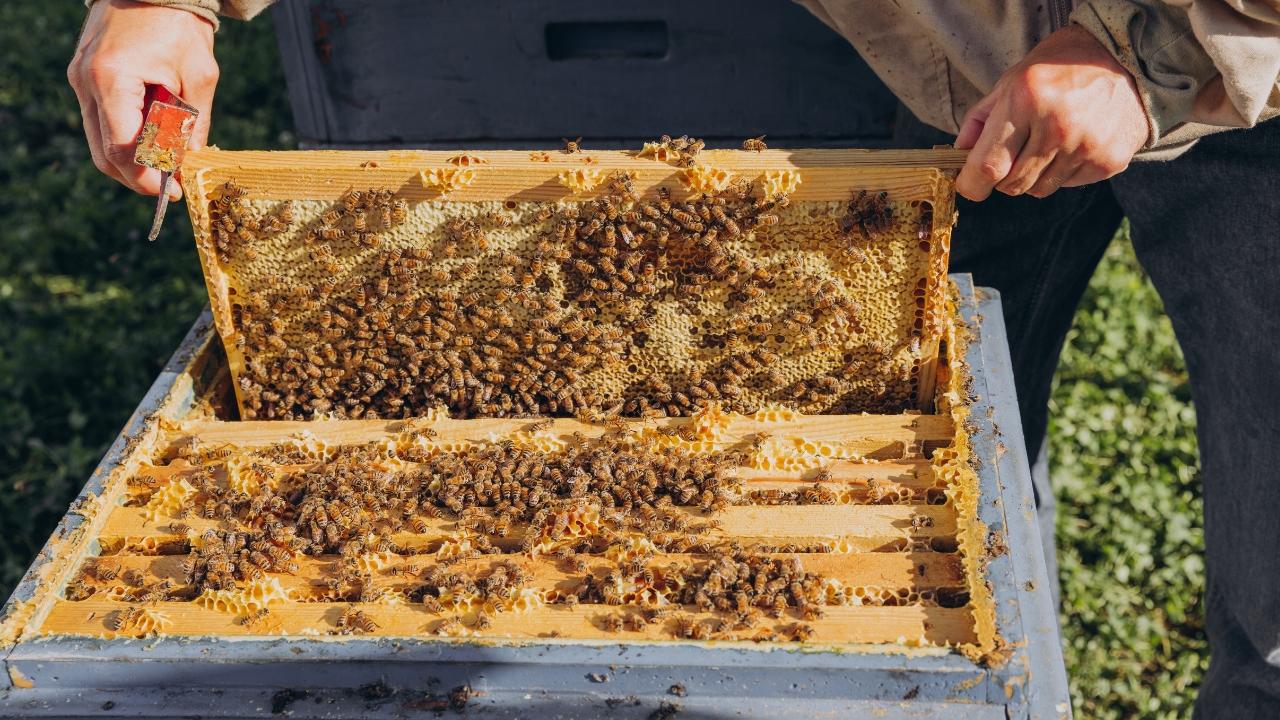
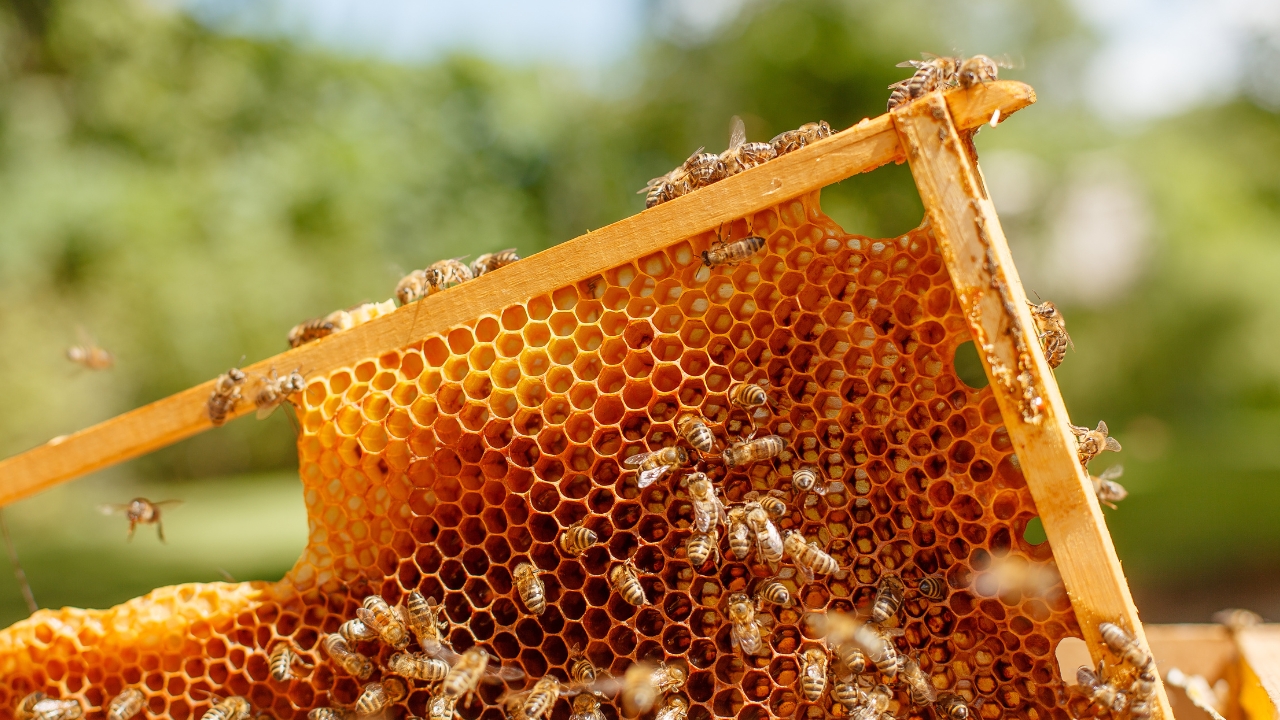
A healthy beehive can produce honey, beeswax, and propolis annually. While honey production slows in winter, proper hive management ensures bees survive to start again in spring. Beekeeping doesn’t require daily chores, but it does require seasonal inspections and pest control.
In addition to honey, bees increase yields from your fruit trees and garden through pollination.
Tilapia
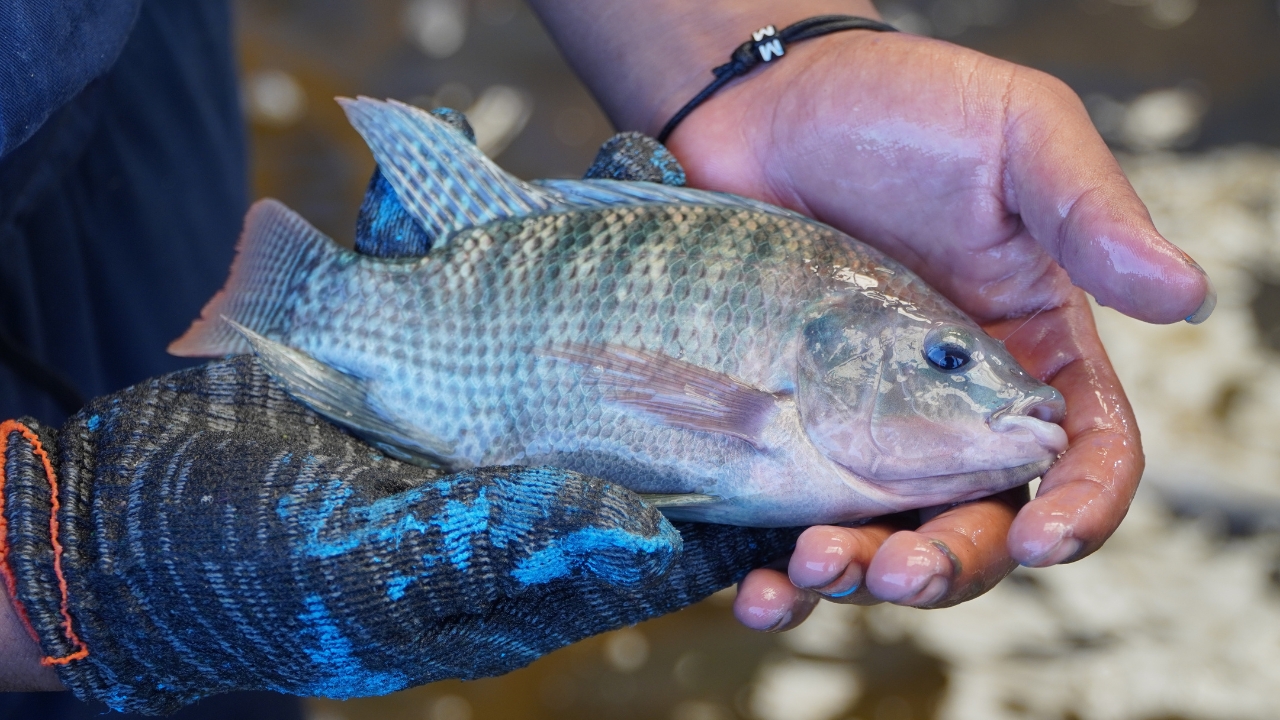
If you have space for an indoor or greenhouse aquaponics system, tilapia can be raised for meat year-round. They grow quickly, adapt to varied diets, and thrive in warm water.
In colder climates, keeping the system heated ensures steady growth. Tilapia also contribute to a closed-loop setup if paired with plants in the same system.
Greenhouse Chickens
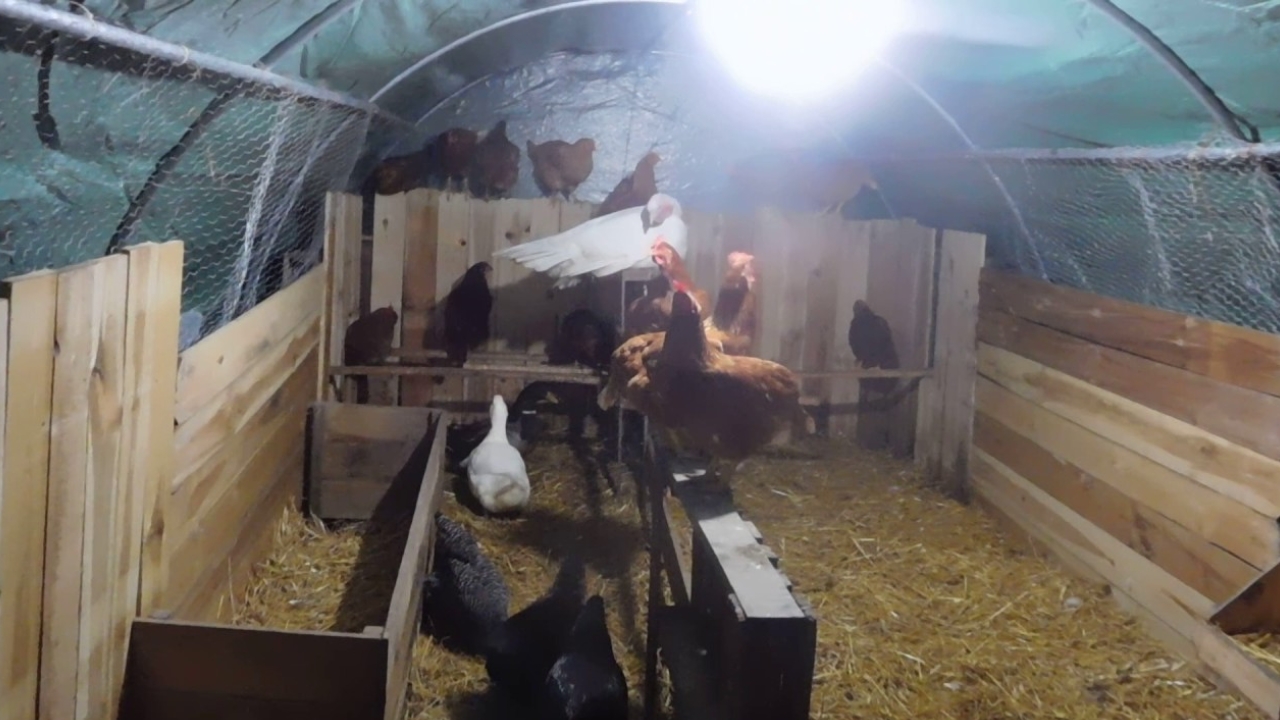
Keeping a small flock in a greenhouse or covered run can extend egg production in winter by giving them a warmer, more sheltered environment. This setup also helps with pest control inside the greenhouse during the growing season.
With proper ventilation and sanitation, it’s a way to keep eggs coming when outdoor flocks slow down.
*This article was developed with AI-powered tools and has been carefully reviewed by our editors.