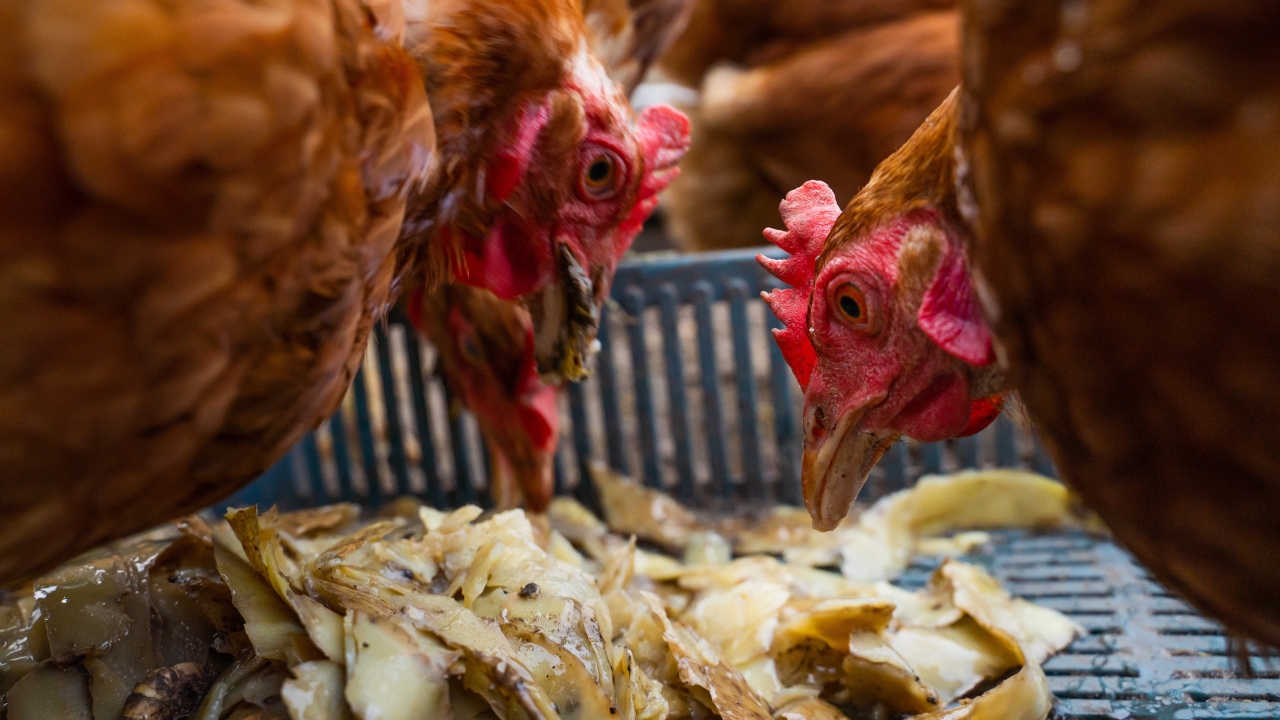
8 Things You Should Never Feed Your Farm Animals
Photo credit: VVVproduct/ Shutterstock.com
Feeding livestock isn’t as simple as tossing them whatever scraps you have lying around. Some foods can cause immediate poisoning, while others build up over time, leading to serious health issues you won’t notice until it’s too late. Just because an animal will eat something doesn’t mean it’s safe.
Toxic compounds, mold, and even common kitchen scraps can be a bigger threat than most people realize. If you’re raising animals, you need to know what’s off-limits. Here are the foods that should never end up in your livestock’s diet—and why they’re a problem.
Chocolate
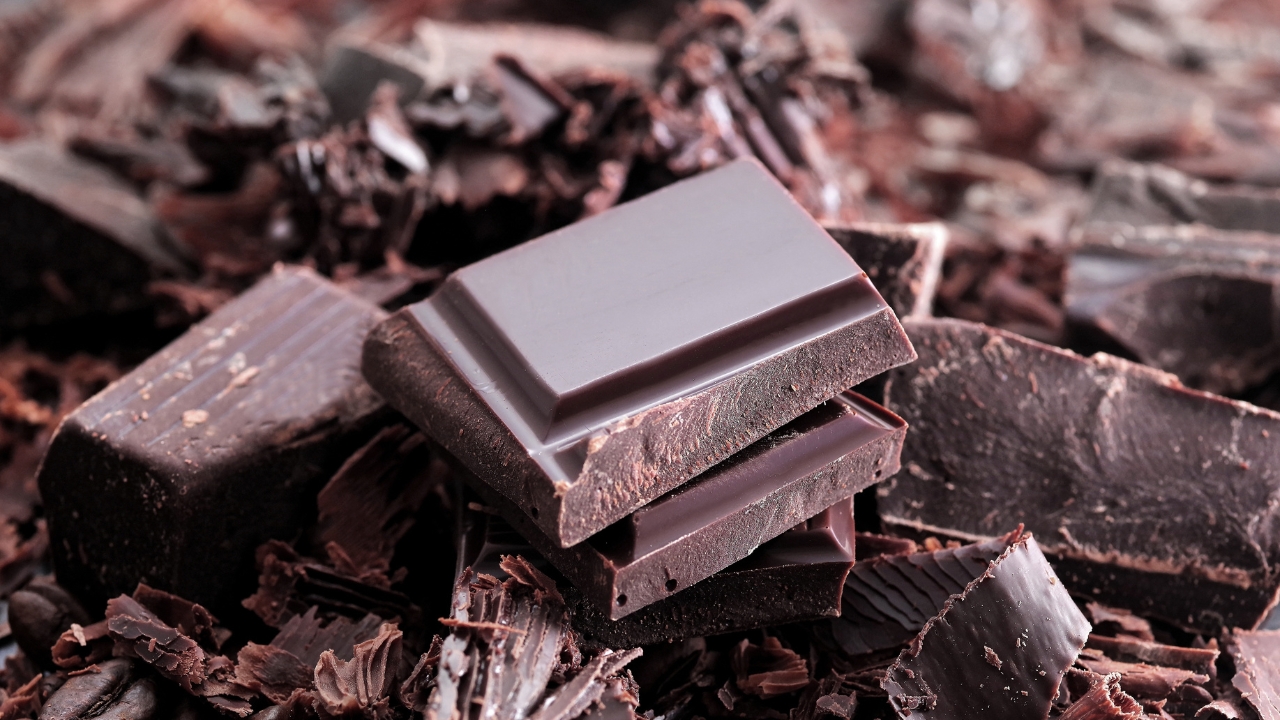
Chocolate isn’t just bad for dogs—it’s toxic to most farm animals, too. Theobromine, the compound that makes chocolate dangerous, can’t be processed properly by cattle, horses, goats, and poultry. Even a small amount can cause an irregular heartbeat, tremors, or even sudden death in sensitive animals.
Dark chocolate and baking chocolate are the worst offenders since they have the highest theobromine levels. If you’ve got kids or guests on the farm, make sure they know not to toss chocolate scraps into the animal pen. It’s not worth the risk.
Avocados
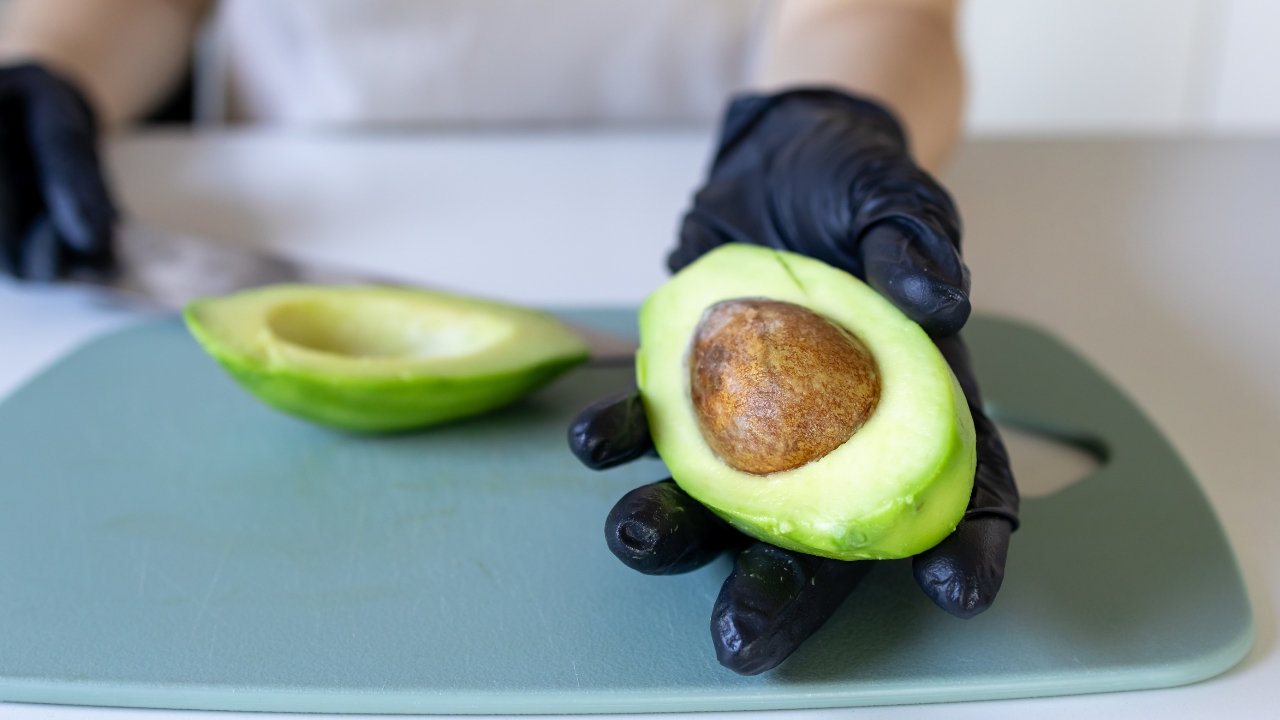
Avocados contain persin, a toxin that can be deadly to livestock, especially birds, goats, and horses. The highest concentrations are found in the pit, skin, and leaves, but even the flesh can cause problems. Symptoms of poisoning include difficulty breathing, swelling, and heart failure.
If you live in an area where avocados grow naturally, make sure your livestock can’t access fallen fruit or leaves. If you compost kitchen scraps, keep avocado waste out of reach—one good bite can be enough to cause serious damage.
Onions and Garlic
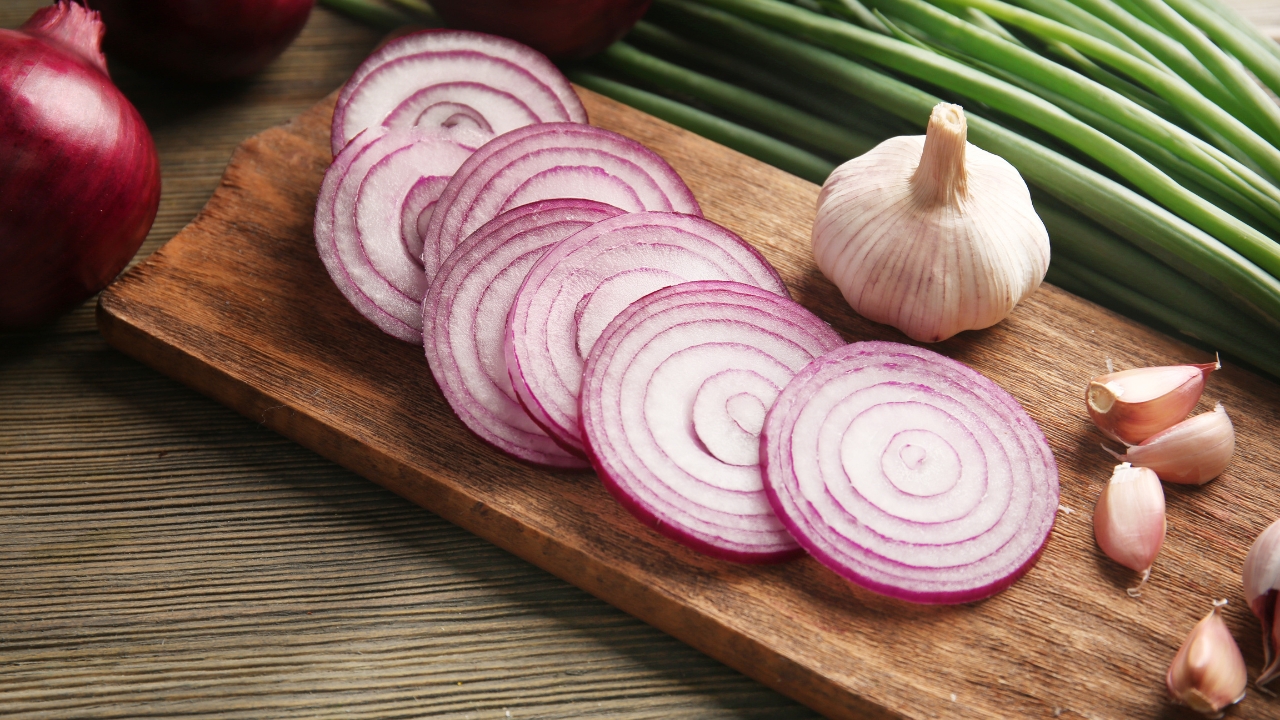
Onions and garlic contain sulfur compounds that can break down red blood cells in livestock, leading to anemia. Cattle, horses, sheep, and goats are the most at risk, and the effects are cumulative—meaning the more they eat, the worse the damage.
Small amounts might not cause immediate harm, but repeated exposure can lead to weakness, pale gums, labored breathing, and even collapse. Keep onion and garlic scraps out of animal feed, and don’t let livestock graze in areas where wild onions are growing.
Raw Potatoes and Green Potato Skins

Raw potatoes and their green skins contain solanine, a toxin that affects the nervous system. Symptoms of solanine poisoning include drooling, diarrhea, confusion, and, in severe cases, paralysis. Cattle, goats, and poultry are especially sensitive.
Cooking destroys solanine, so boiled or baked potatoes are safe in moderation. But raw potatoes, green peels, and potato plants should be kept far from livestock. If you grow potatoes on your property, fence them off so curious animals don’t get into them.
Tomato Leaves and Stems
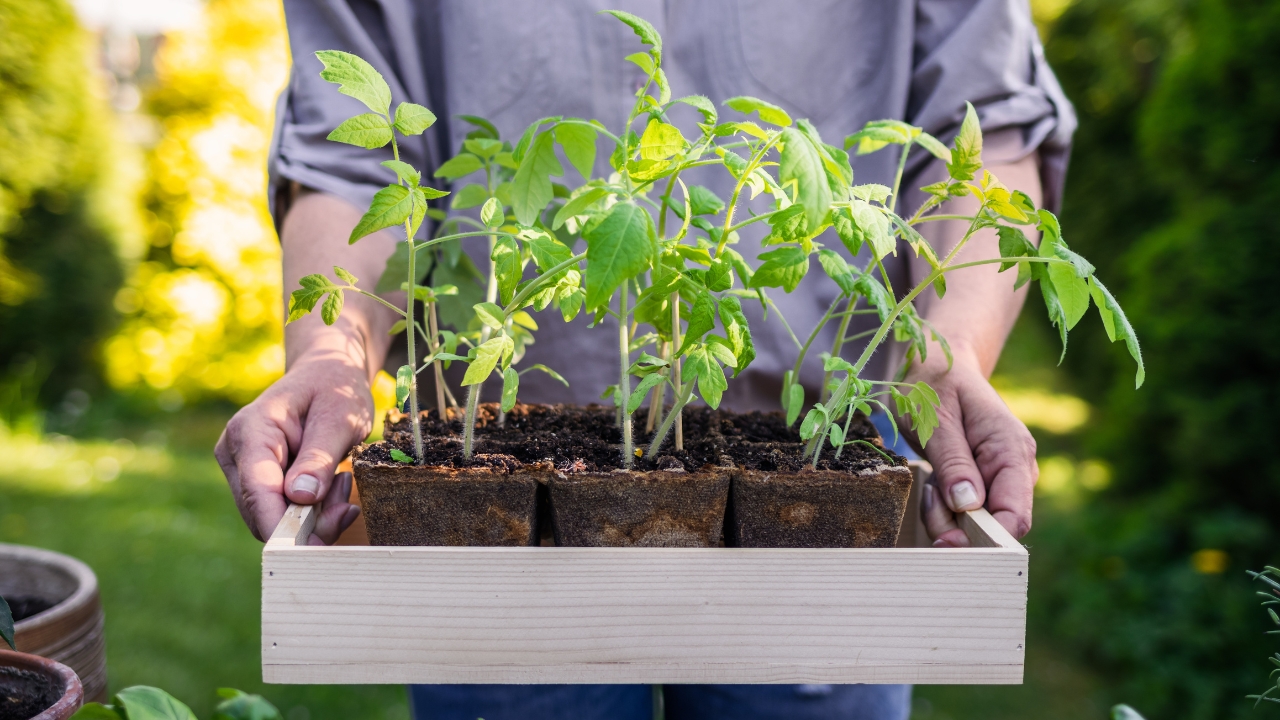
Tomato plants are another member of the nightshade family, and like potatoes, they contain solanine and tomatine. The ripe fruit is safe, but the leaves, stems, and green tomatoes can cause digestive issues, weakness, and even neurological problems in some animals.
Most livestock won’t go for tomato plants unless food is scarce, but it’s still a risk. If you grow tomatoes near grazing areas, keep them fenced off. Even a few bites of the wrong part of the plant can cause problems.
Moldy or Spoiled Feed
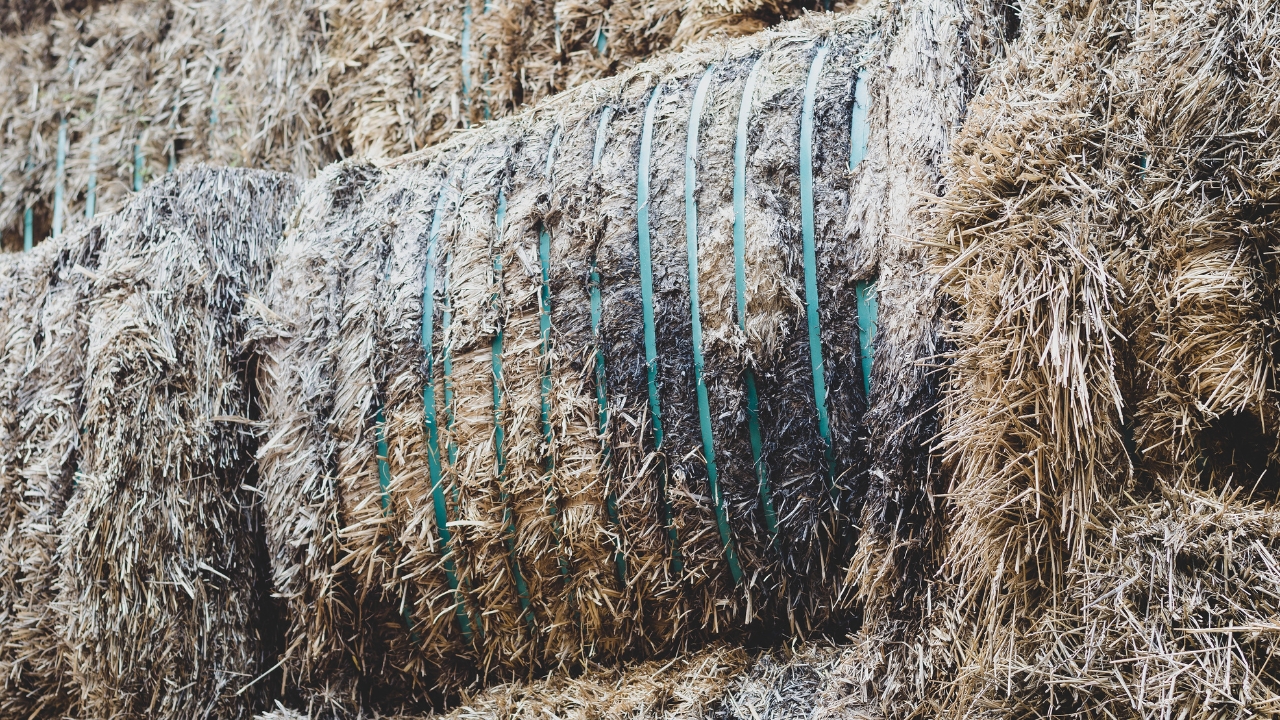
Moldy feed isn’t just unappetizing—it’s deadly. Mold produces mycotoxins, which can cause severe respiratory problems, neurological disorders, and even organ failure. Horses, cattle, and goats are especially sensitive.
Mold thrives in damp, poorly stored feed. If your hay, grain, or silage smells musty, has visible mold, or feels damp, don’t risk it. Store feed in a dry, well-ventilated area, and rotate stock regularly. Even small amounts of mold-contaminated feed can build up in an animal’s system over time.
Caffeine (Coffee Grounds, Tea Bags, Soda)
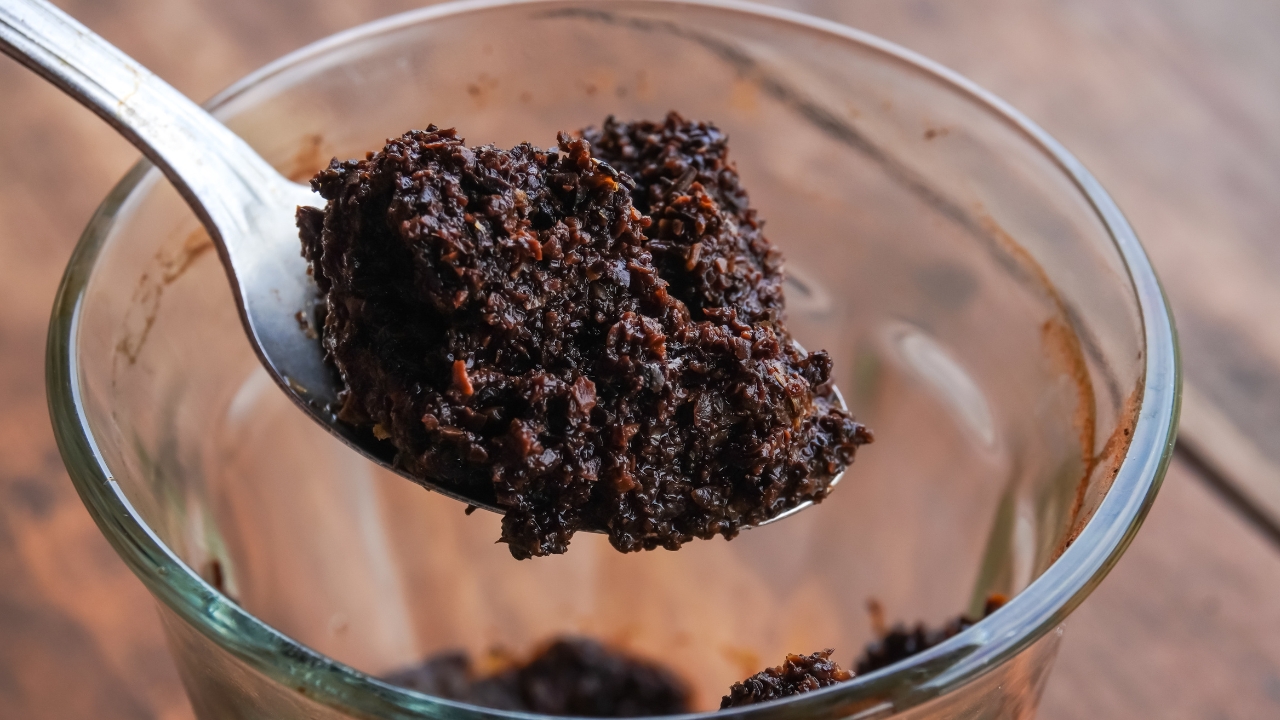
Caffeine is highly toxic to livestock. It overstimulates the heart, causes muscle tremors, and can lead to seizures or death. Smaller animals like goats and poultry are at the highest risk, but even larger livestock can suffer serious effects.
Never let animals get into coffee grounds, tea bags, or soda cans. If you use coffee grounds in compost, make sure it’s well-mixed and aged before spreading it anywhere livestock might graze. A little carelessness with caffeine can turn into an emergency vet call.
Large Amounts of Fruit Pits and Seeds
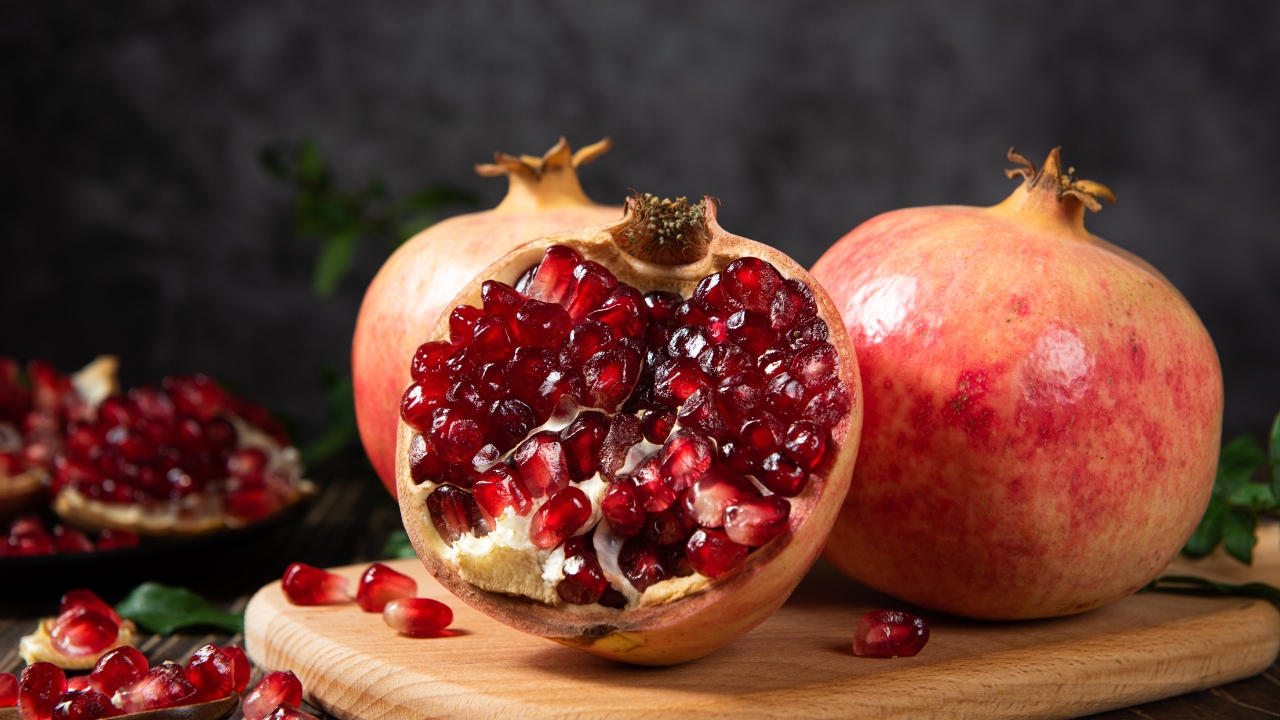
The seeds and pits of certain fruits—like apples, cherries, peaches, and apricots—contain cyanogenic compounds that can release cyanide when digested. A couple of seeds won’t do much harm, but if an animal eats a large number at once, it can lead to difficulty breathing, muscle tremors, and, in extreme cases, death.
The biggest risk comes from fallen fruit that hasn’t been cleaned up. If you have fruit trees in or near your pasture, pick up any fruit that drops before livestock can eat too much. And if you’re feeding fruit scraps, remove pits and seeds first.