7 livestock breeds that don’t get sick as easily
Photo credit: Alisha Falcone/ Shutterstock.com
Some breeds naturally resist common diseases, making them a better fit if you want fewer vet visits and healthier animals overall. These hardy breeds tend to adapt well to varying conditions, bounce back from stress quickly, and stay productive without constant medical intervention.
Choosing resilient animals from the start can save you time, money, and frustration in the long run.
Rhode Island Red Chickens
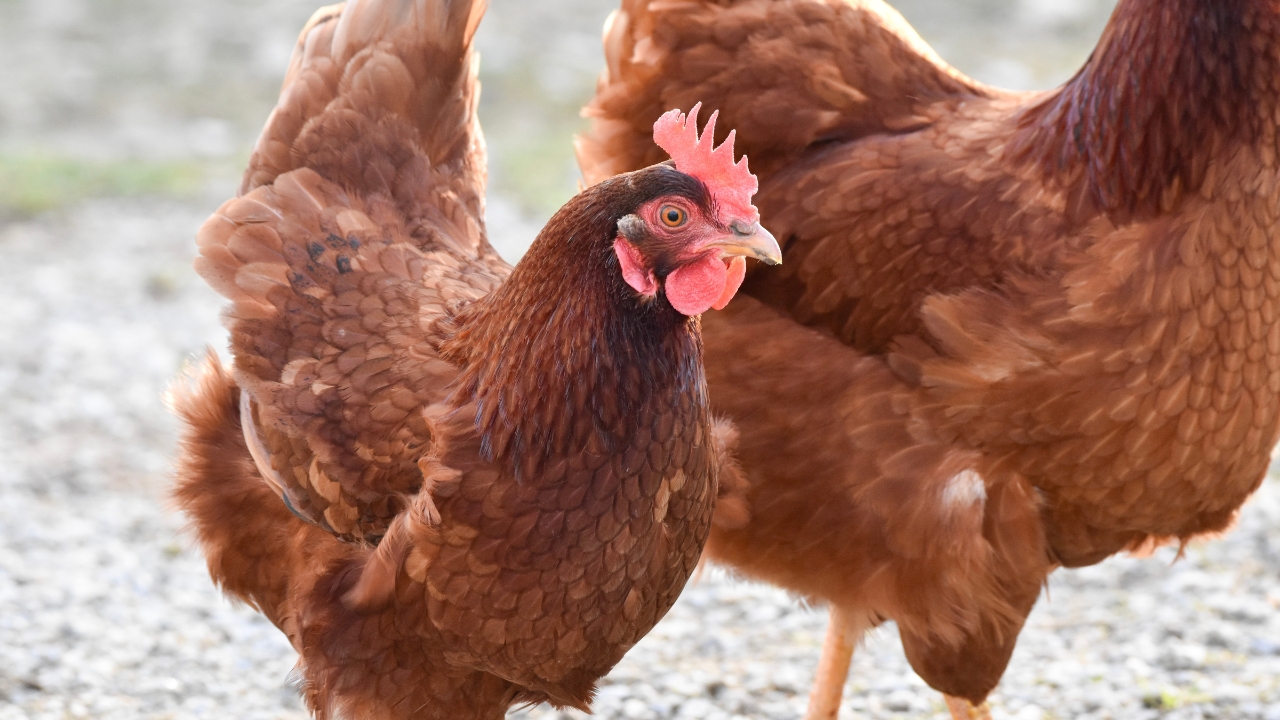
Rhode Island Reds are tough birds that handle both hot summers and cold winters with minimal health issues. They’re less prone to respiratory problems and keep laying eggs reliably even in less-than-perfect conditions. Their adaptability makes them a good choice for small farms and backyard flocks.
Pekin Ducks

Pekin ducks are hardy, fast-growing birds that resist many common poultry illnesses. They’re less susceptible to parasites than some waterfowl and adapt well to a variety of climates. Their calm nature also makes them easier to manage, reducing stress-related health problems.
New Zealand Rabbits
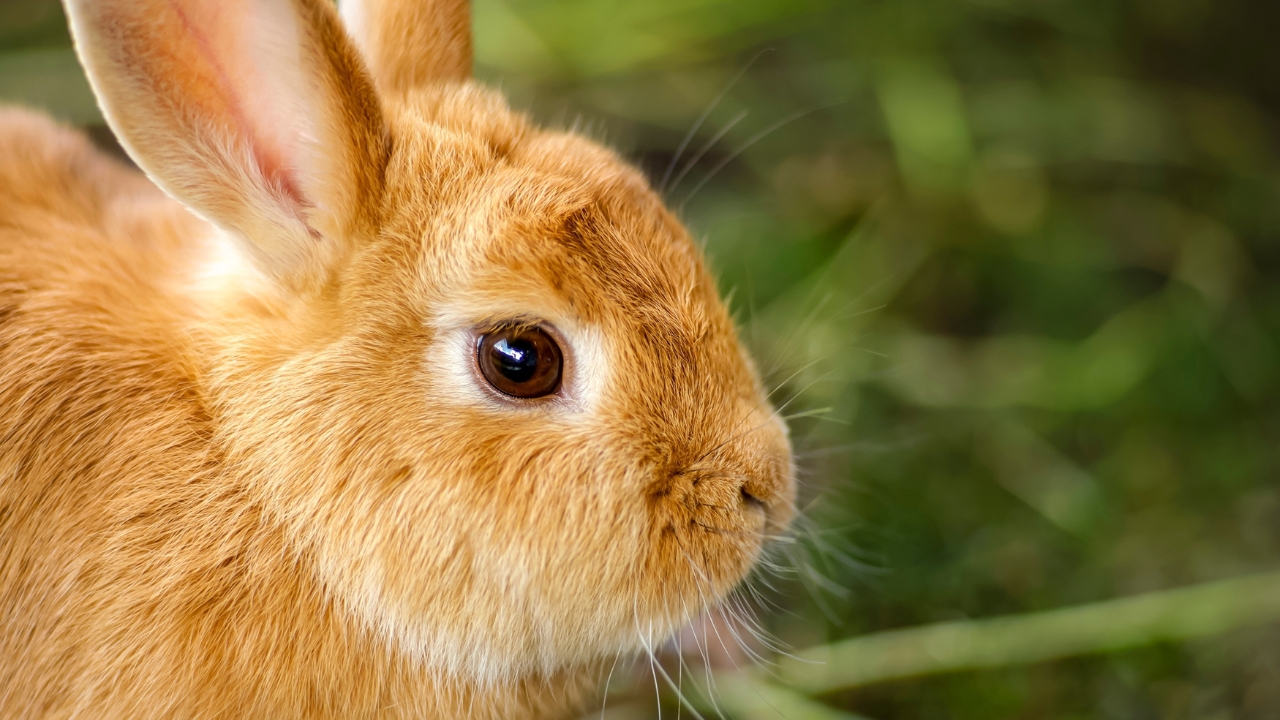
New Zealand rabbits are widely recognized for their strong immune systems and adaptability. They handle a range of temperatures well and are less prone to digestive issues than some other breeds. With good nutrition and housing, they stay productive with minimal health concerns.
Nigerian Dwarf Goats
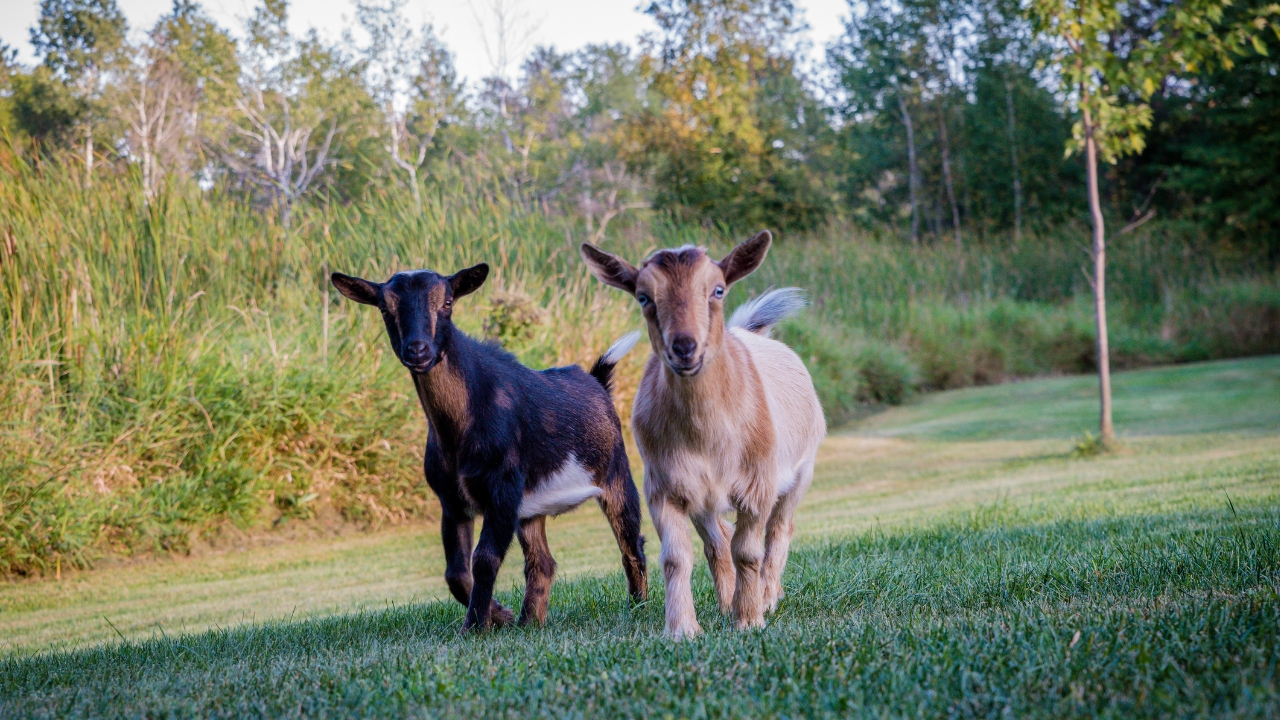
Nigerian Dwarfs are known for being hardy and adaptable. They’re less prone to parasites compared to some larger breeds, especially when managed with rotational grazing. Their small size makes them easier to handle during routine care, which helps prevent stress-related illness.
Katahdin Sheep
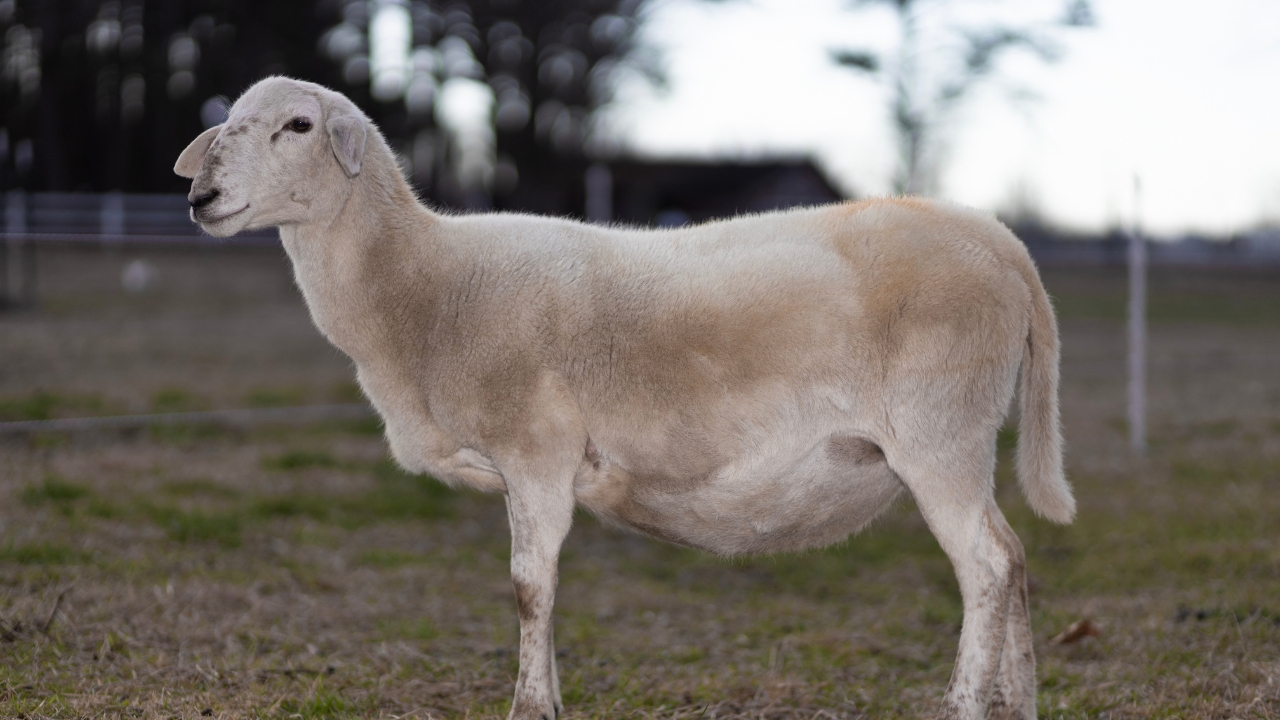
Katahdin sheep are parasite-resistant hair sheep that don’t require shearing. Their natural resistance to internal parasites makes them a favorite for low-maintenance flocks. They also adapt well to various climates without major health issues.
American Guinea Hogs
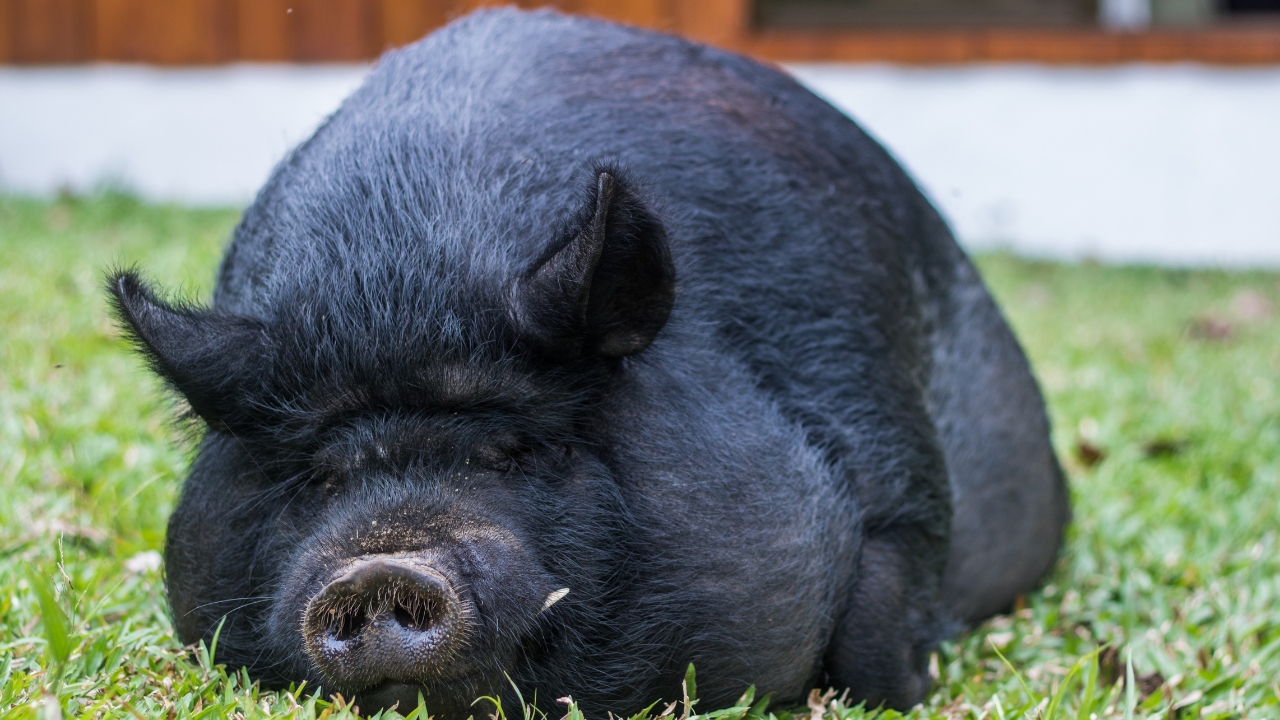
American Guinea Hogs are a smaller pig breed known for staying healthy on pasture-based diets. They’re less prone to joint and leg problems than larger breeds and have fewer respiratory issues when kept outdoors with basic shelter.
Dexter Cattle

Dexter cattle are small, hardy cows that resist many of the health problems larger breeds face. They’re efficient grazers and adapt well to different environments, making them a good choice for smaller farms or pasture-based systems.
*This article was developed with AI-powered tools and has been carefully reviewed by our editors.