10 Things You Should Never Feed Your Chickens (But Probably Are)
Photo credit: VVVproduct/ Shutterstock.com
Chickens aren’t picky eaters, and that’s part of what makes them so easy to raise. But just because they’ll peck at anything doesn’t mean everything’s safe for them. Some foods can mess with their health, egg production, or even kill them if you’re not careful.
The tricky part? A lot of the stuff we toss their way seems harmless. Here’s a list of ten common foods you should keep out of the coop—especially if you’ve been treating your flock like a feathery garbage disposal.
Avocado (Especially the Pit and Skin)
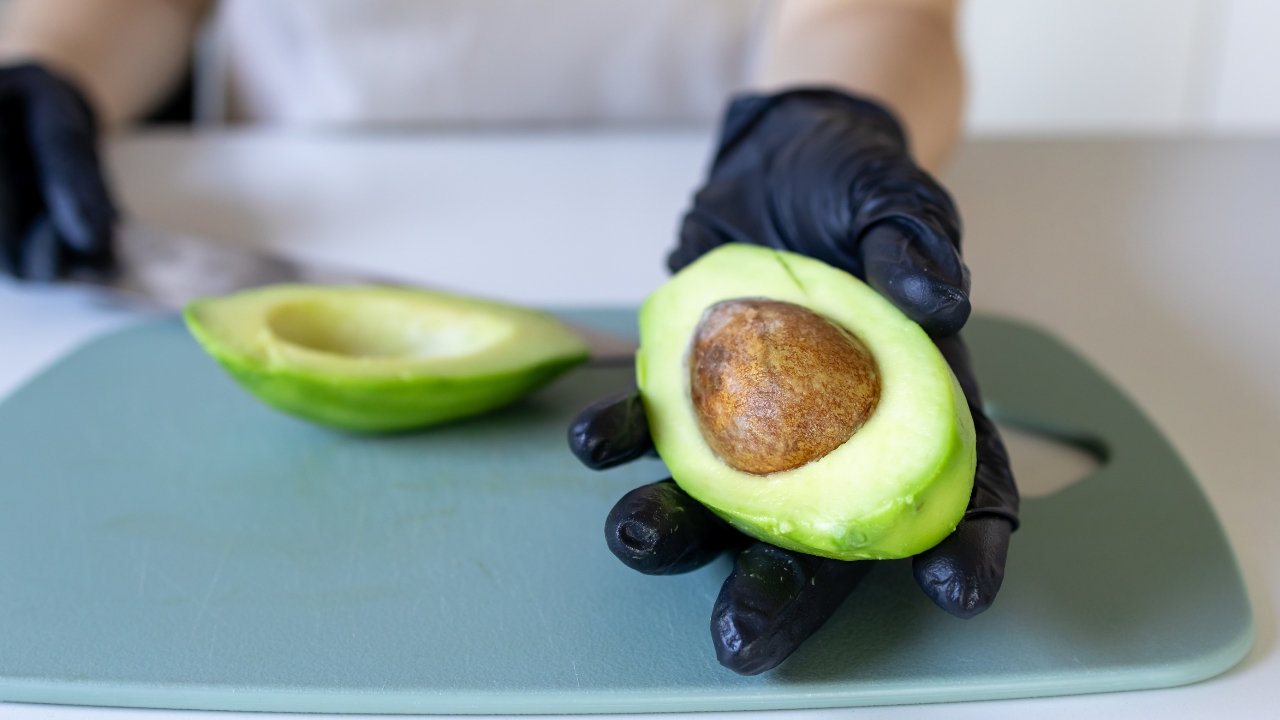
Avocados seem harmless enough, but the skin and pit contain persin, which is toxic to chickens. A few bites won’t always kill them, but it can cause heart issues, breathing problems, or even death in some cases.
If you’re tossing food scraps into the run, skip anything with avocado. The flesh is less risky, but it’s not worth the gamble. There are better, safer scraps to share—don’t take chances with something that can wreck their health quick.
Raw Potato Peels

Raw potatoes, especially the green ones, contain solanine—a toxin that can mess with a chicken’s nervous system. It’s mostly in the skin and eyes of the potato, and cooking doesn’t always remove all of it.
A few peels here and there might not do much harm, but long-term exposure can build up. If you’re going to feed potatoes, make sure they’re fully cooked and not green. Otherwise, it’s better to just toss the peels in the compost pile.
Onions
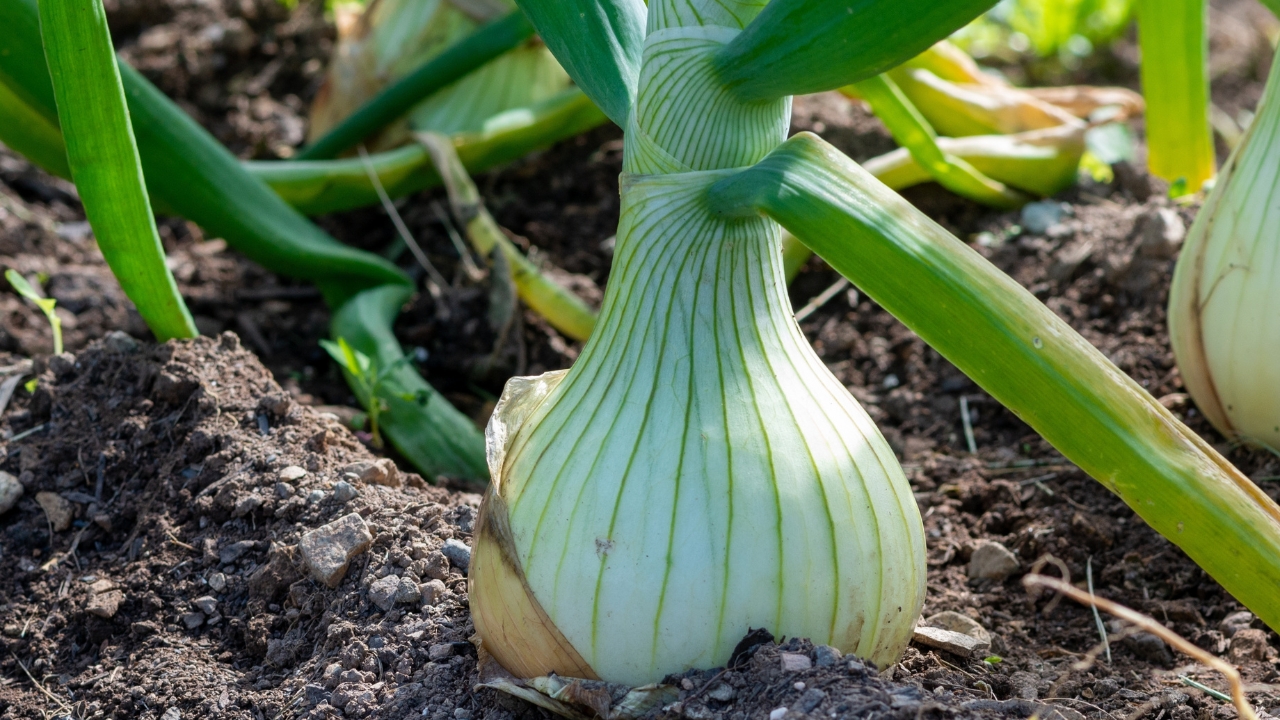
Onions can cause a condition called hemolytic anemia in chickens, which basically means their red blood cells break down too fast. That leads to weakness, trouble breathing, and in bad cases, death. It’s not something that happens overnight—but it adds up.
A little leftover casserole or soup might not seem like a big deal, but if it’s heavy on onions, skip it. Garlic in small amounts is fine and even beneficial, but onions are one of those foods that aren’t worth the risk.
Chocolate
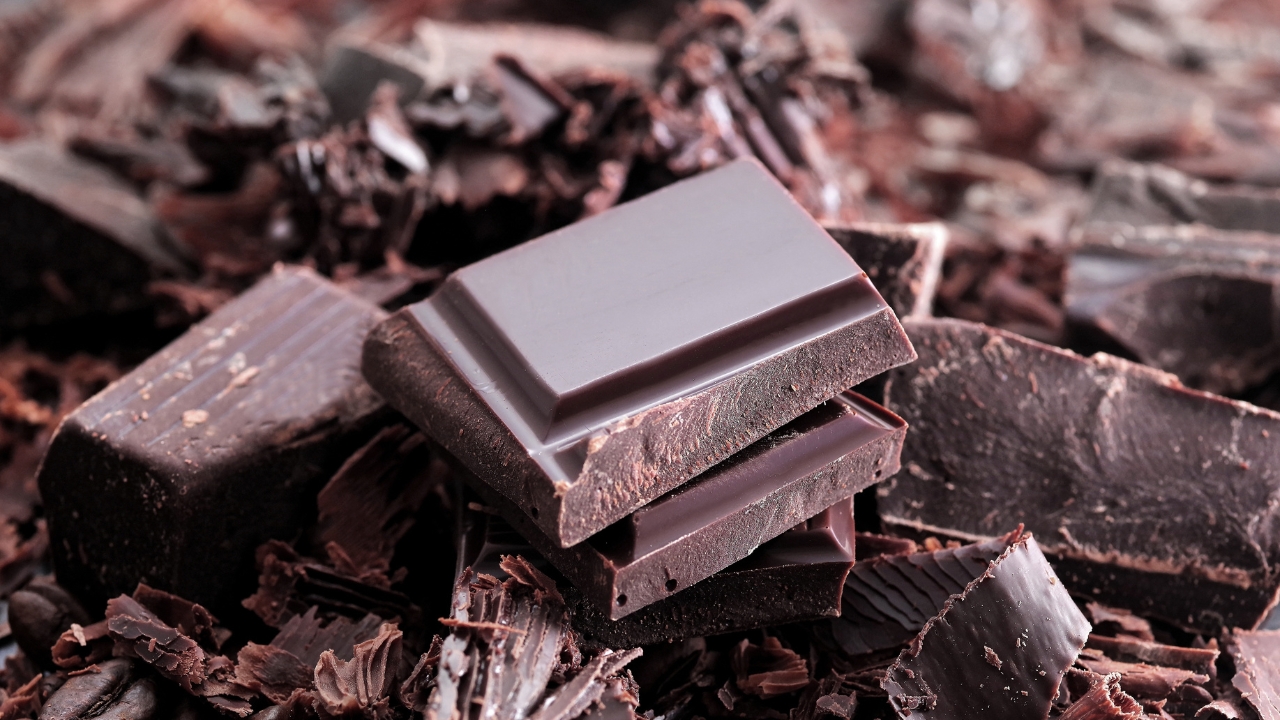
Chocolate is toxic to a lot of animals, and chickens are no exception. The theobromine and caffeine in chocolate can affect their heart and nervous system, especially in dark or baking chocolate where the levels are higher.
It might be tempting to toss them a broken cookie or some leftover brownies, but don’t. Even a small amount can cause problems. Keep sweets out of the run and stick to natural treats instead.
Moldy Food
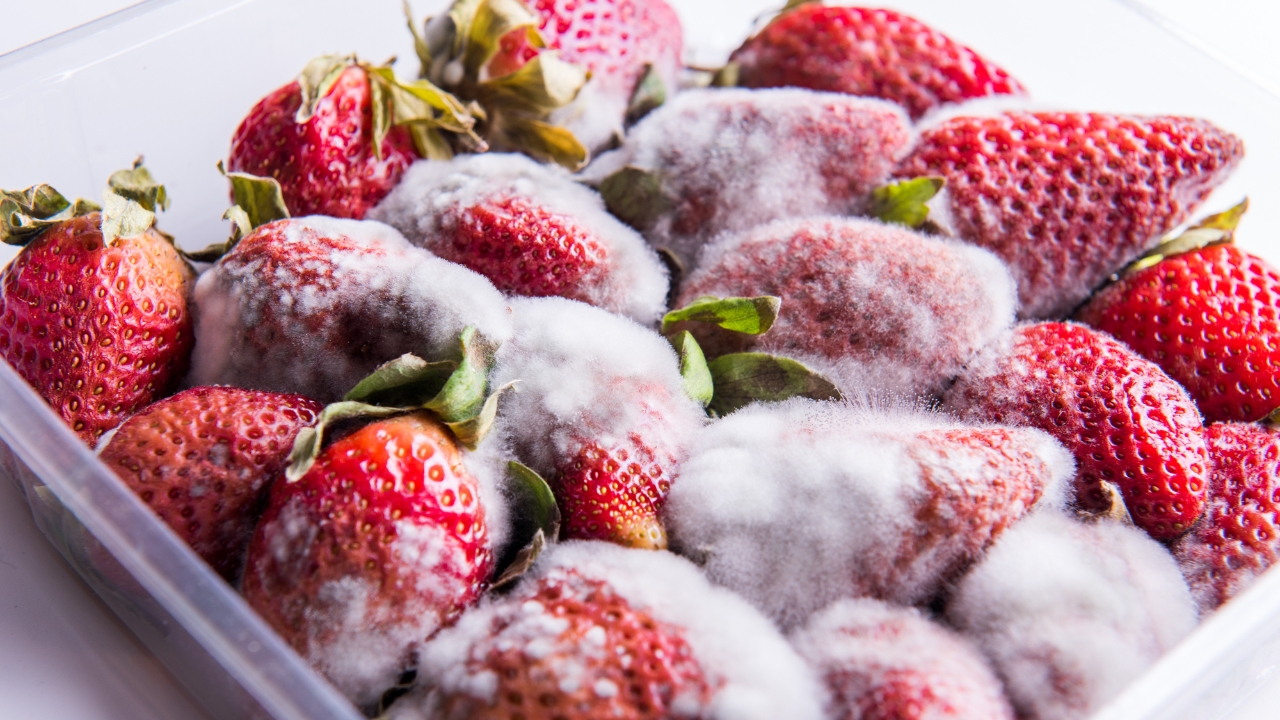
Just because chickens will eat almost anything doesn’t mean they should. Moldy food can carry toxins like aflatoxin or mycotoxins, which can lead to long-term health problems or sudden death in birds.
If it’s too sketchy for you to eat, it’s too sketchy for your chickens. A little fuzz on bread or spoiled produce may not look like much, but it can pack a punch. When in doubt, toss it in the trash or compost—don’t feed it to your flock.
Raw or Dried Beans
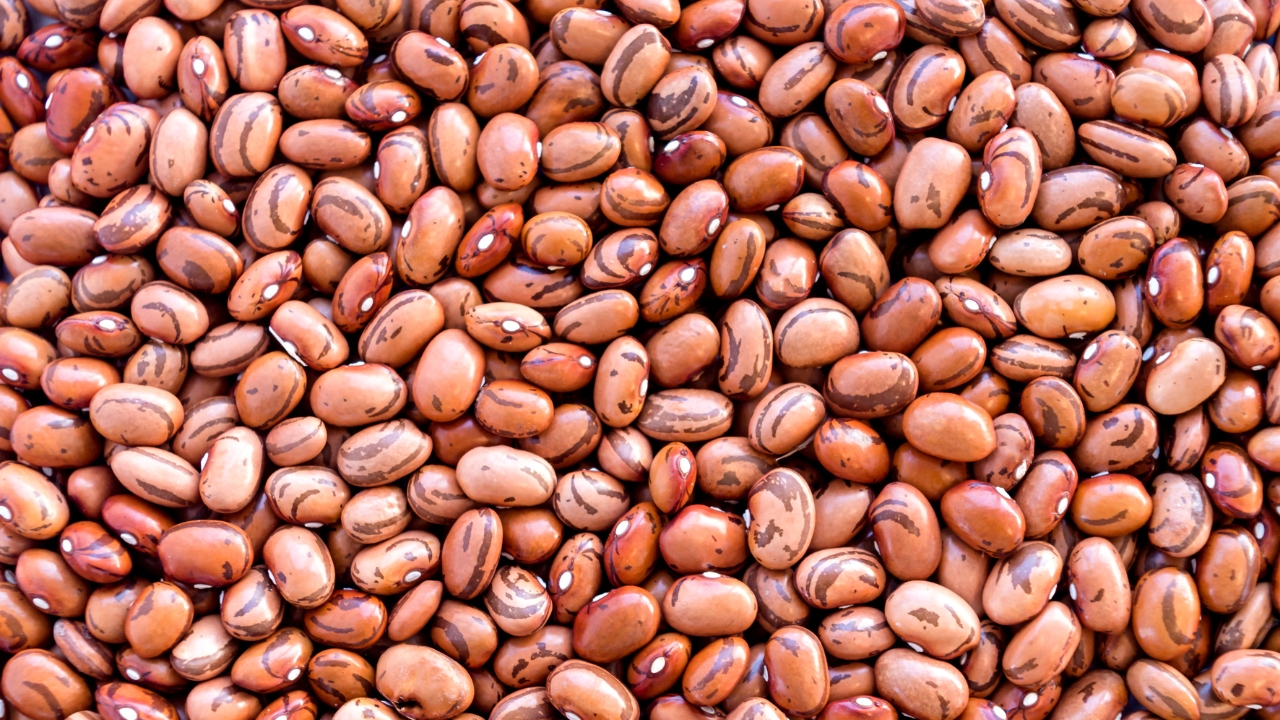
Uncooked beans contain lectins—especially phytohaemagglutinin—which are extremely toxic to chickens. Just a few raw beans can be fatal. Kidney beans are the worst, but it applies to several types.
If you’re feeding beans, they need to be cooked thoroughly. Boiling destroys the toxins, but soaking or sprouting won’t cut it. This is one of those foods where even a small mistake can have serious consequences, so be extra cautious with anything bean-related.
Salty Snacks
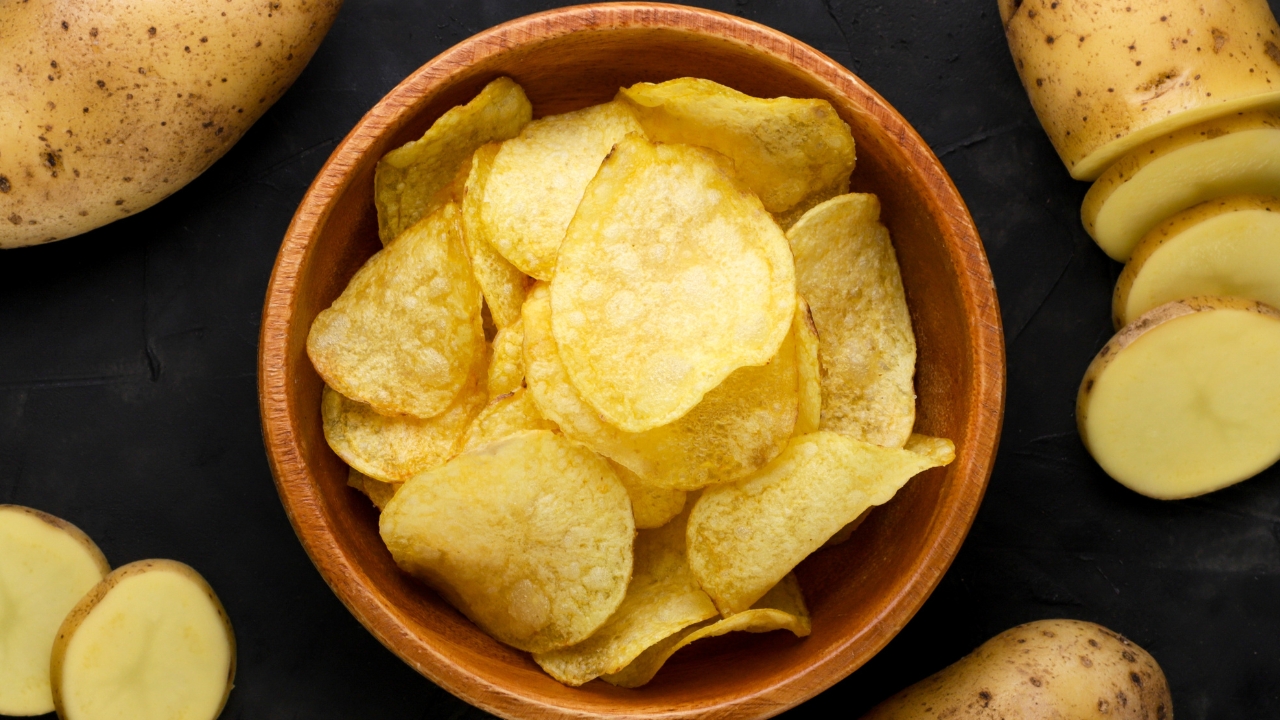
Chickens don’t need salt like we do. Their bodies aren’t built to handle high-sodium foods, and too much salt can lead to kidney failure or dehydration. Chips, pretzels, crackers—leave that stuff for the people.
It’s easy to think “a little won’t hurt,” but over time, it adds up. Stick to grains, vegetables, and natural protein sources when giving treats. Processed foods might be tasty, but they’re not made for birds.
Citrus Fruits
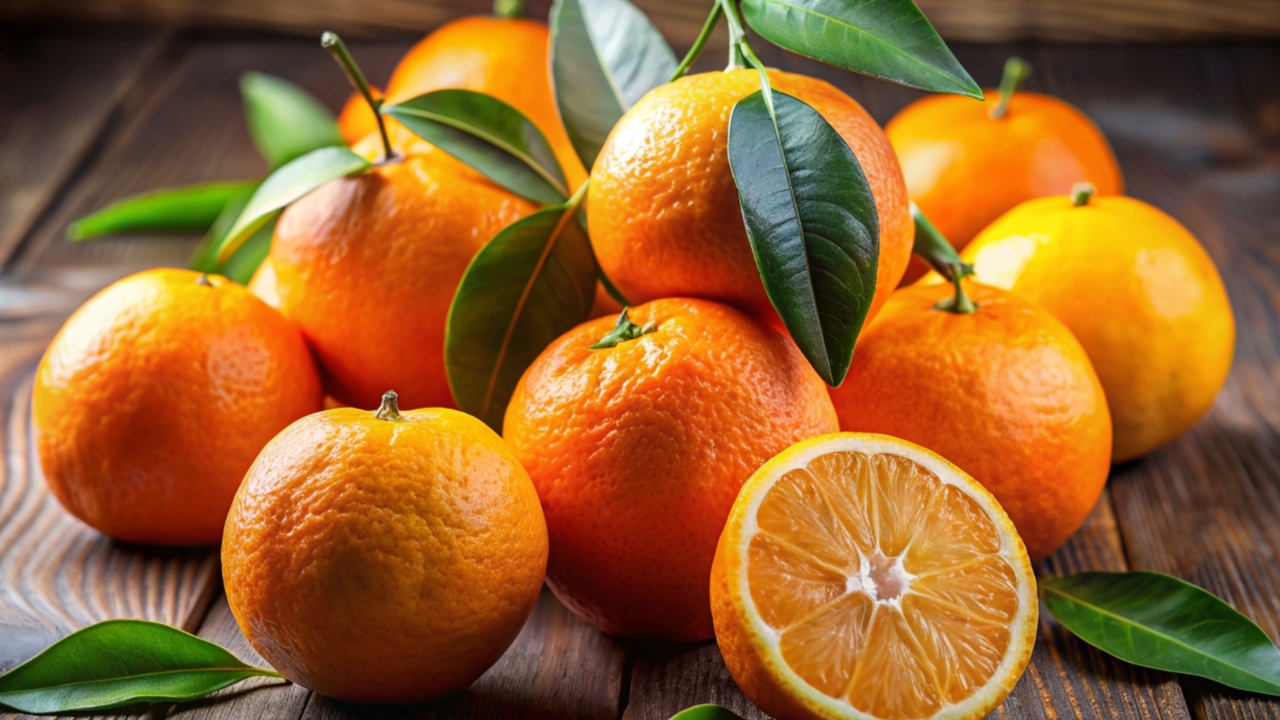
This one’s debated, but in large amounts, citrus can interfere with calcium absorption, which can lead to thin-shelled eggs. Some chickens don’t mind it, others avoid it completely. Either way, it’s not something they need.
A little lemon or orange scrap probably won’t cause harm, but there’s no real benefit to feeding it, either. If you’re trying to keep your flock healthy and productive, it’s better to toss citrus peels in the compost than in the coop.
Greasy or Fried Foods
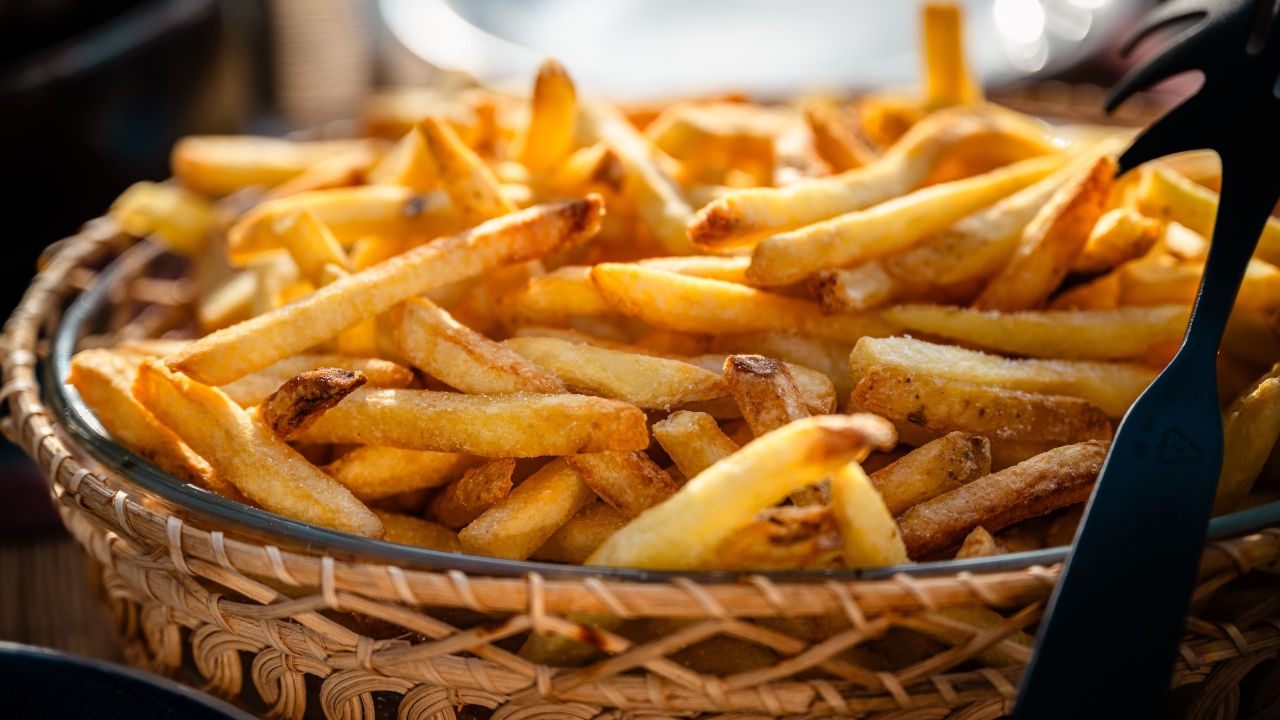
Leftover fries or fried chicken might seem like easy scraps to share, but greasy food isn’t good for your birds. It can lead to obesity, liver problems, and lower egg production over time.
Chickens are built to process grains, greens, and protein—not human junk food. A bite here and there might not cause a problem, but don’t make it a habit. Keep the fried stuff on your plate, not theirs.
Rhubarb Leaves
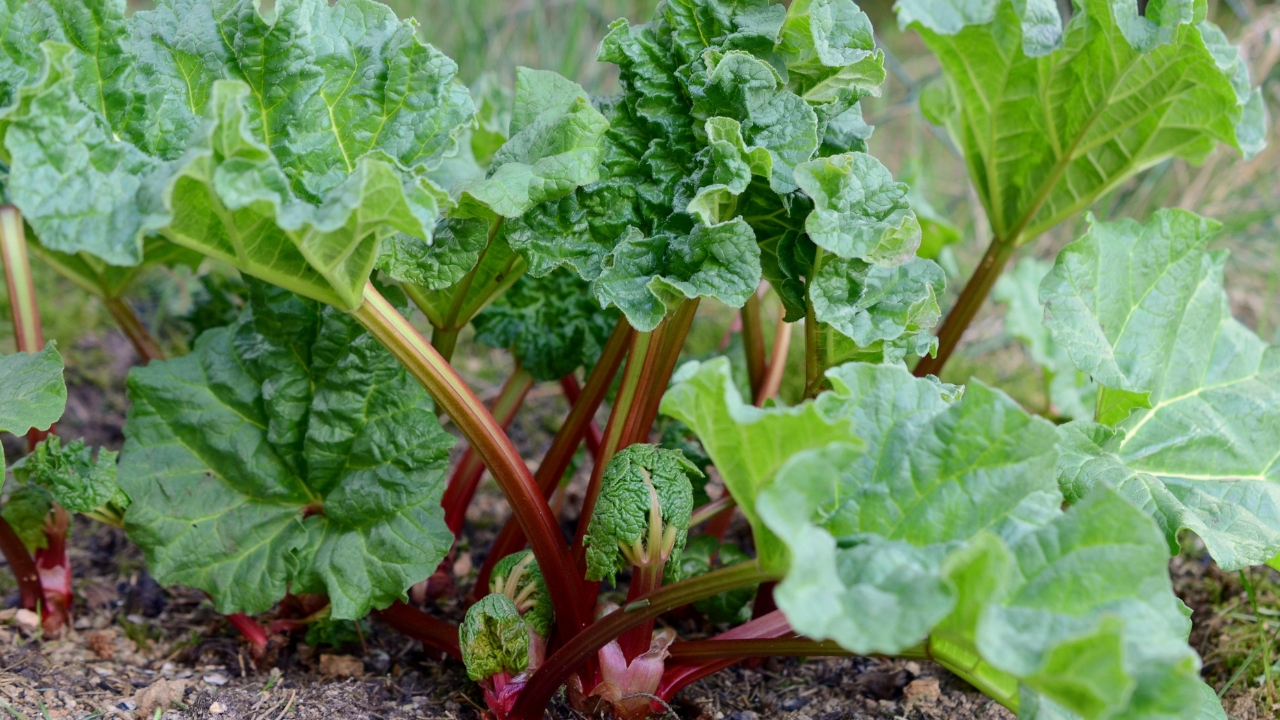
The leaves of the rhubarb plant contain oxalic acid, which is toxic to chickens. It can cause digestive issues, weakness, or worse if they eat too much of it. The stalks are fine, but the leaves are a no-go.
If you grow rhubarb, make sure your chickens can’t get into it. And if you’re tossing kitchen scraps into the run, double-check that the leaves didn’t end up in the mix. It’s one of those lesser-known dangers that’s easy to overlook.
Like Fix It Homestead’s content? Be sure to follow us.