8 animals with upkeep costs no one warns you about
Photo credit: Andrey Sayfutdinov/Shutterstock.com
Some animals may seem affordable at first, but their ongoing care can quickly drain your budget. Between feed, housing, equipment, and veterinary needs, these animals require a steady investment.
If you’re not prepared for the long-term expenses, you’ll be in for a surprise. Planning ahead for these costs is key to keeping both you and the animals in good shape.
Horses
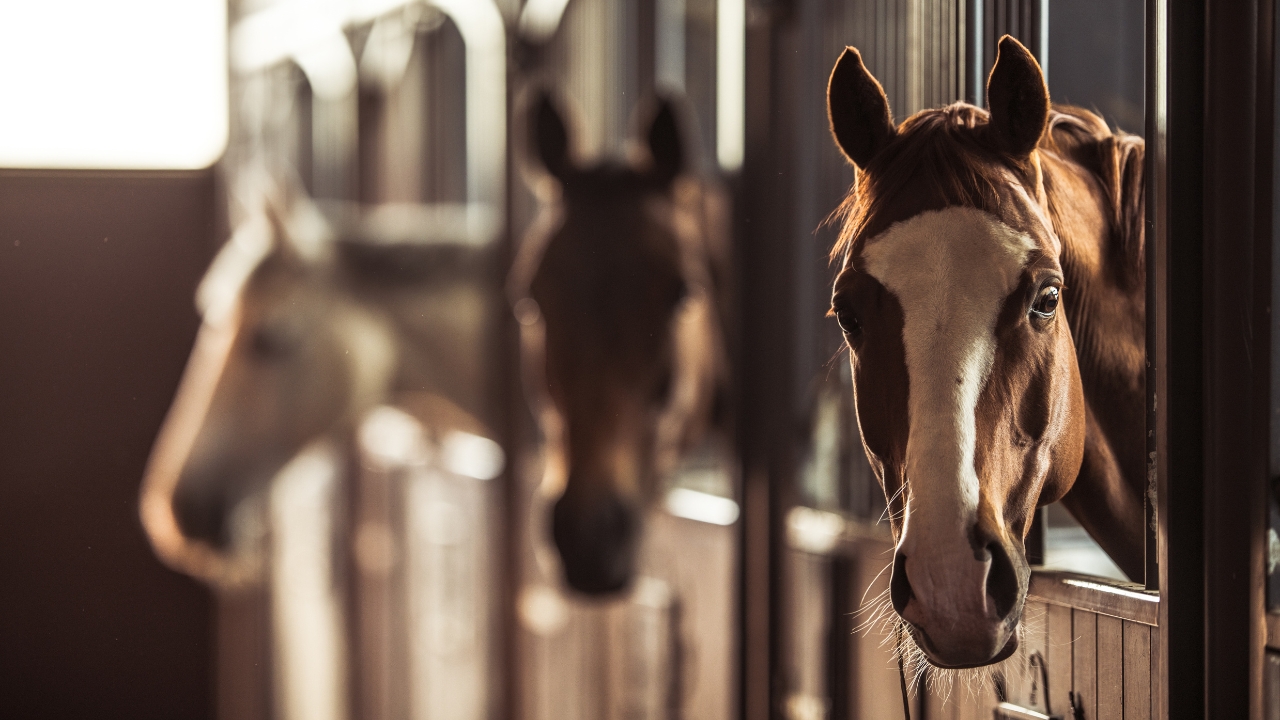
Feed, farrier visits, vet bills, and equipment add up fast. Quality hay and grain alone can cost hundreds per month, especially in winter. Hoof trimming or shoeing is needed every 6–8 weeks, and unexpected medical issues can run into the thousands.
Dairy Cows
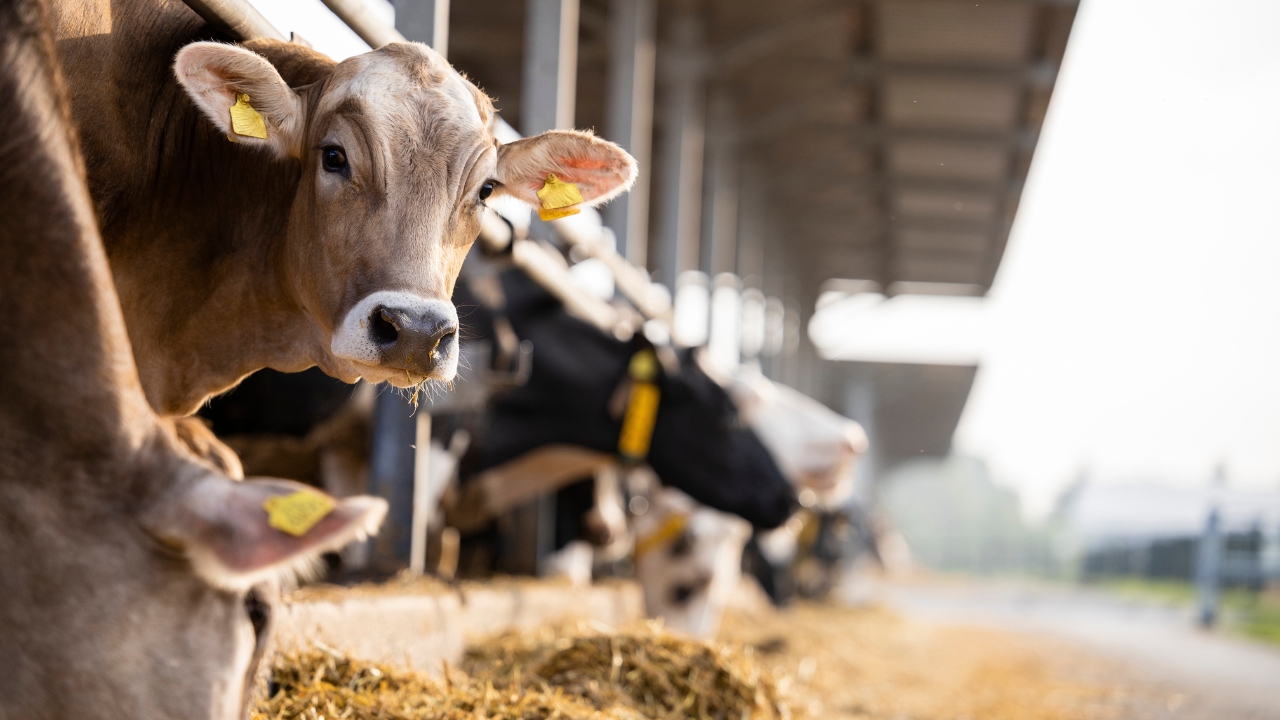
Large feed requirements, mineral supplements, and regular vet visits make dairy cows costly to maintain. Milking equipment, storage, and sanitation supplies also add ongoing expenses. Even healthy cows require steady investment to stay productive.
Llamas
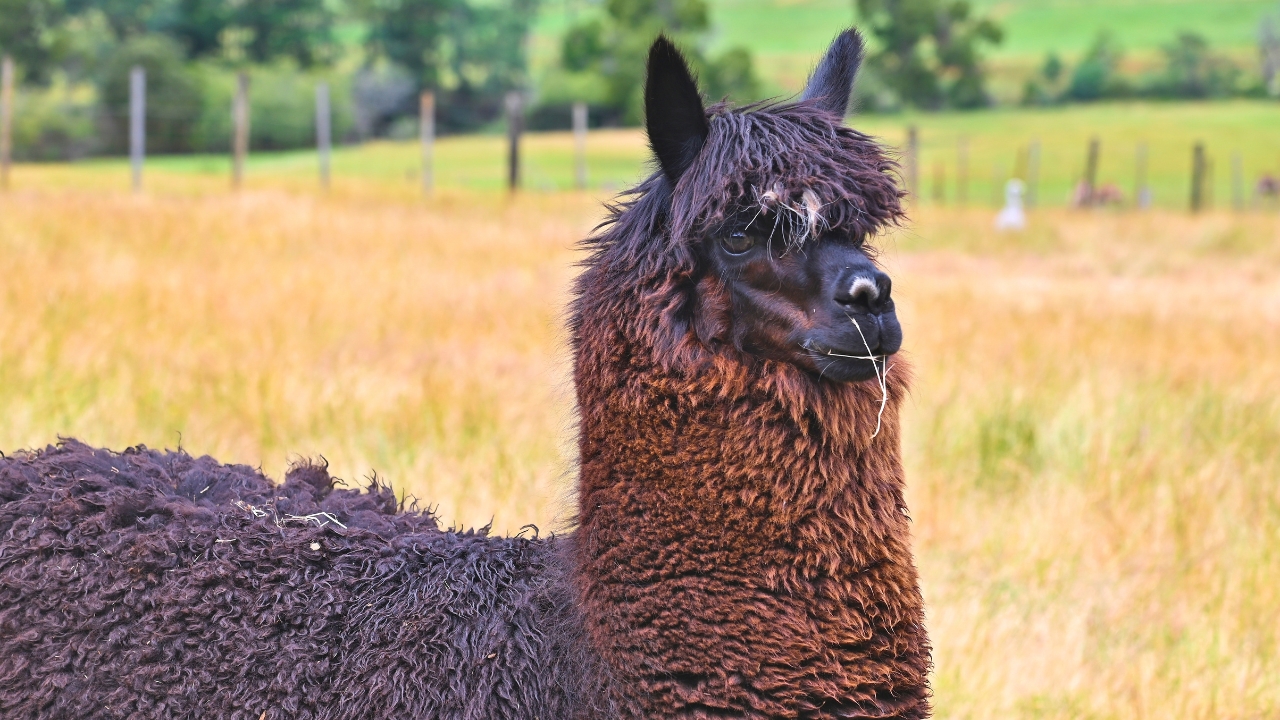
Llamas need quality hay, regular shearing, parasite control, and vet care that can be more expensive than for smaller livestock. Fencing strong enough to contain them can also be a significant cost up front and over time.
Pigs
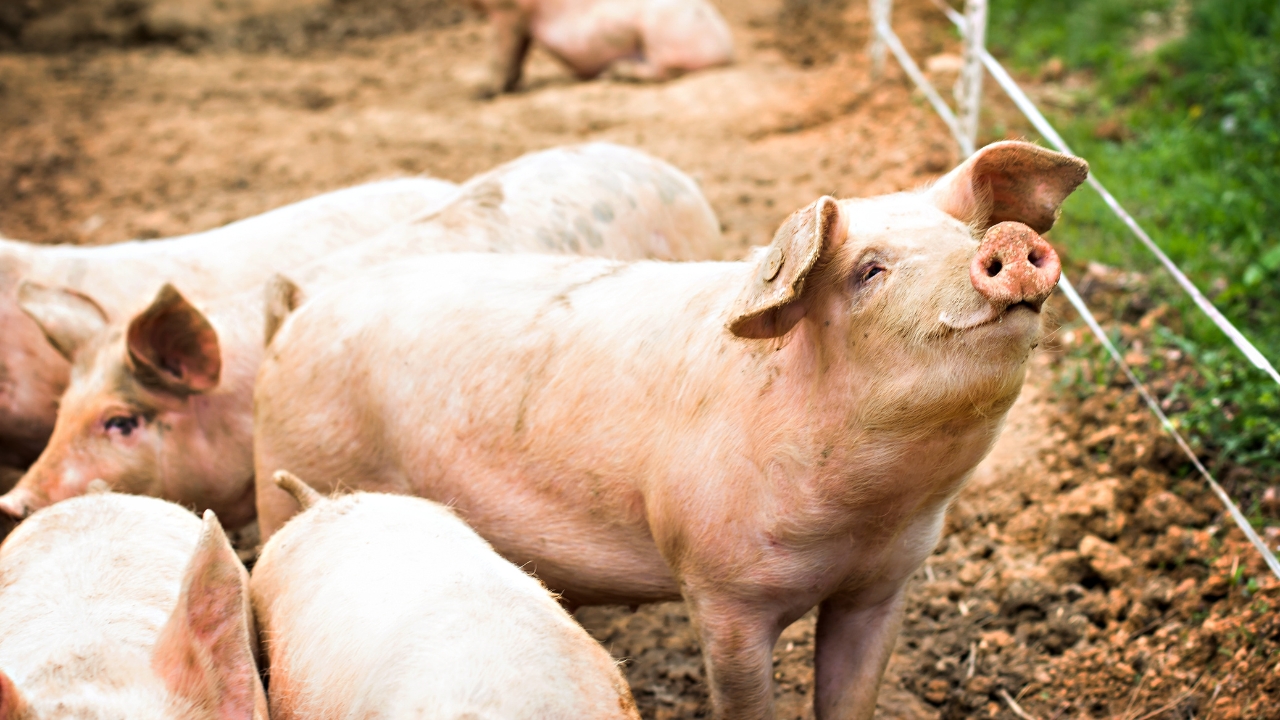
Feed is the biggest ongoing cost for pigs, especially if you’re raising them to market weight. They also require sturdy housing and fencing, which can be costly to repair if they damage it. Vet bills can add up, particularly for breeding stock.
Sheep
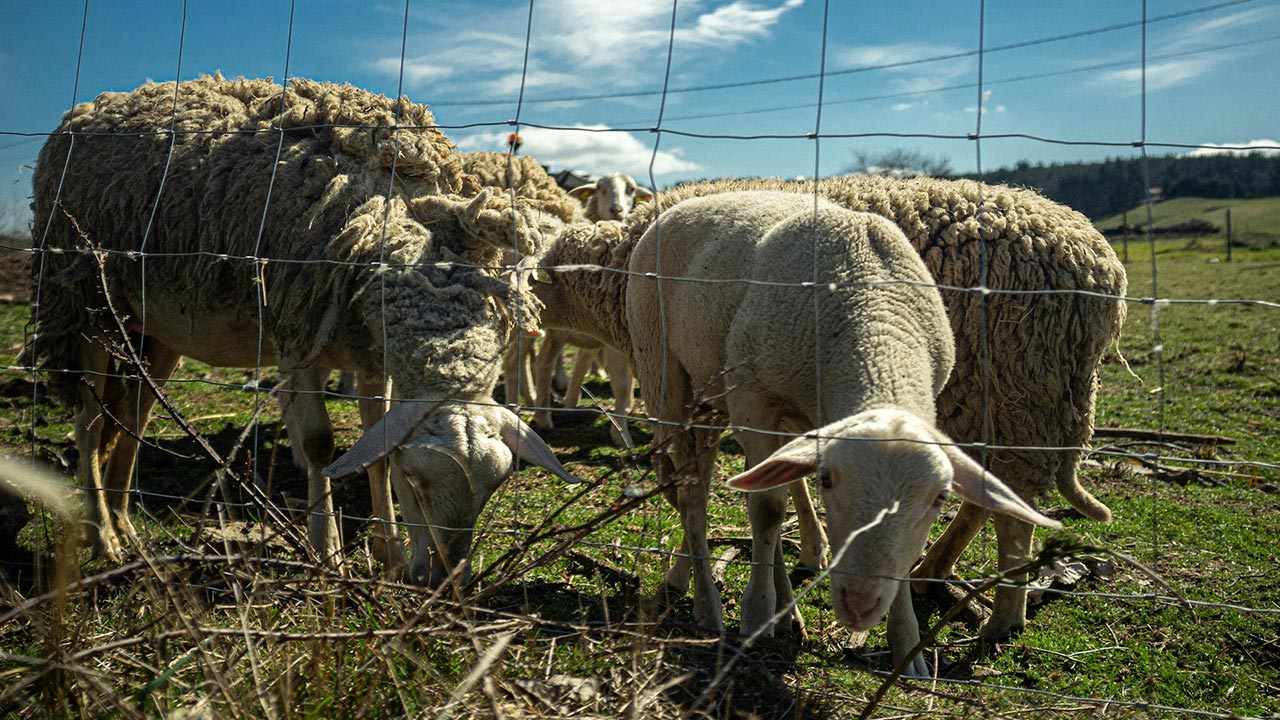
Sheep need shearing, hoof trimming, parasite treatments, and quality pasture or hay. If you’re not grazing them year-round, feed costs can spike. Fencing and predator protection also add to the ongoing expenses.
Exotic Birds
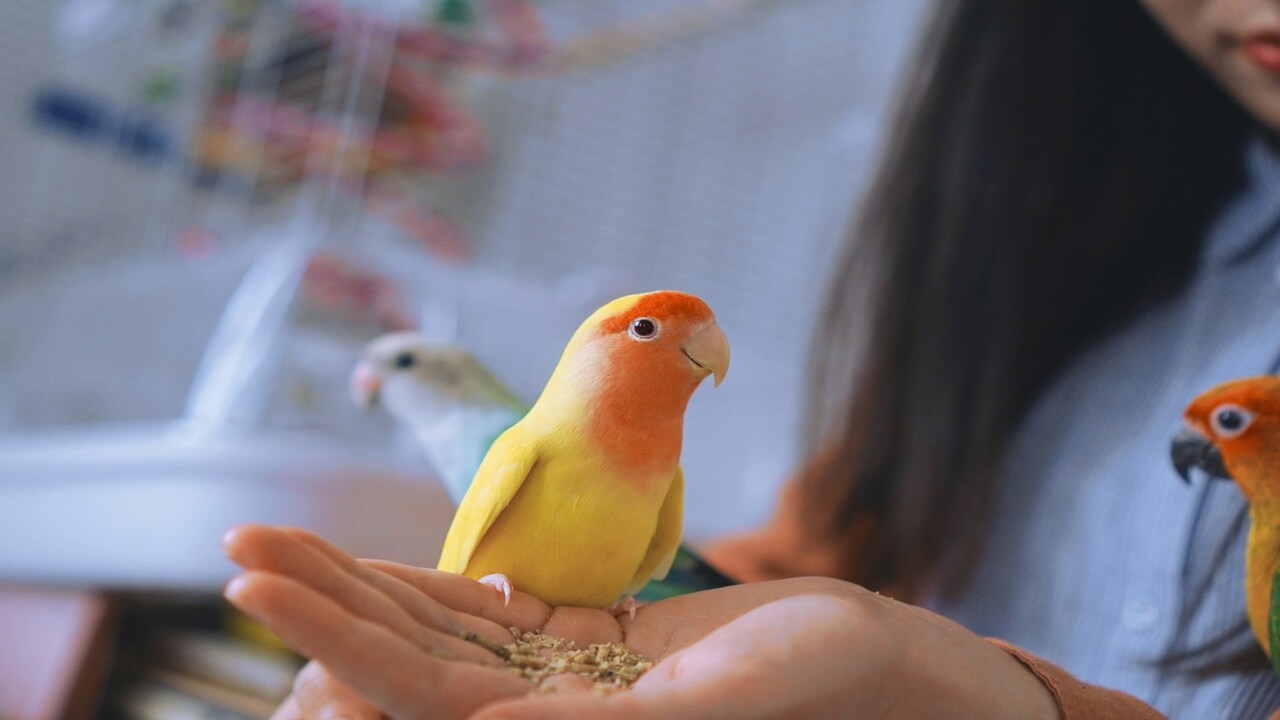
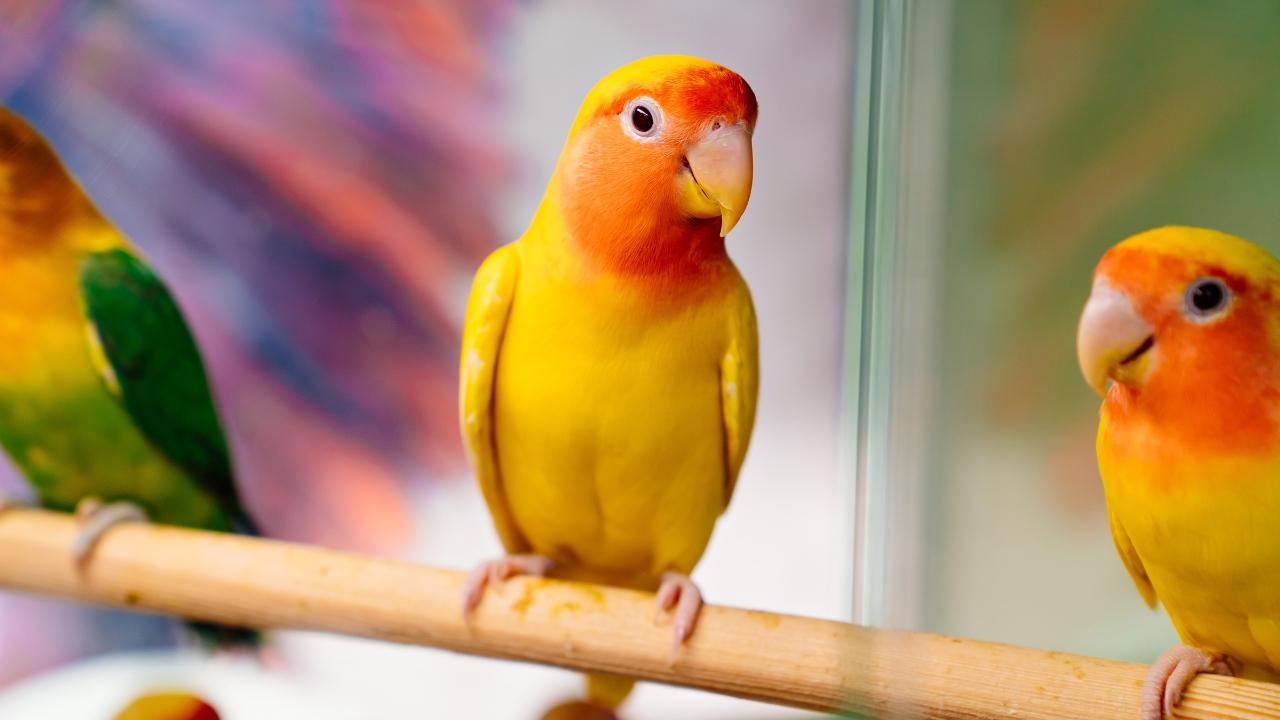
Parrots and other exotic birds require specialized diets, large cages, toys, and regular vet visits. Avian veterinary care is often more expensive than care for common pets, and their long lifespan means decades of ongoing costs.
Bees
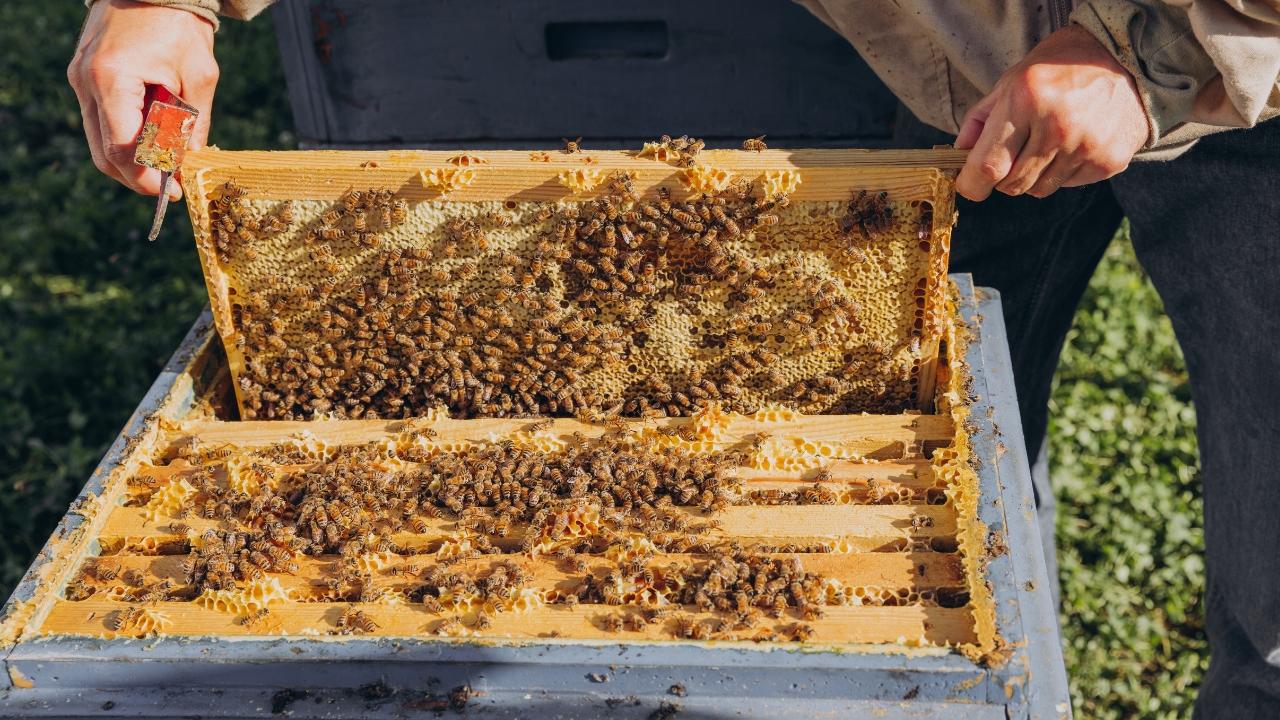
While hives themselves are affordable, beekeeping gear, protective clothing, replacement bees, and pest control add up. Honey extraction equipment is another cost, and disease outbreaks can require expensive treatments.
Koi Fish

Koi ponds require filtration systems, water testing kits, and quality fish food. Maintaining proper water quality often means spending on pumps, liners, and repairs. Some varieties are expensive to purchase and insure.
*This article was developed with AI-powered tools and has been carefully reviewed by our editors.