8 of the Absolute Best Fertilizers For Your Garden
Image Credit: Viktor Sergeevich/ Shutterstock.com.
If you want a productive garden, you need to feed your soil, not just your plants. The problem is, a lot of fertilizers out there are either loaded with unnecessary fillers or only work under certain conditions. Some won’t do much at all.
The good news? The right fertilizers do make a difference. Whether you’re growing vegetables, flowers, or fruit trees, using proven fertilizers will give you healthier plants and better harvests. If you’re serious about improving your soil and getting real results, here’s what actually works.
Compost
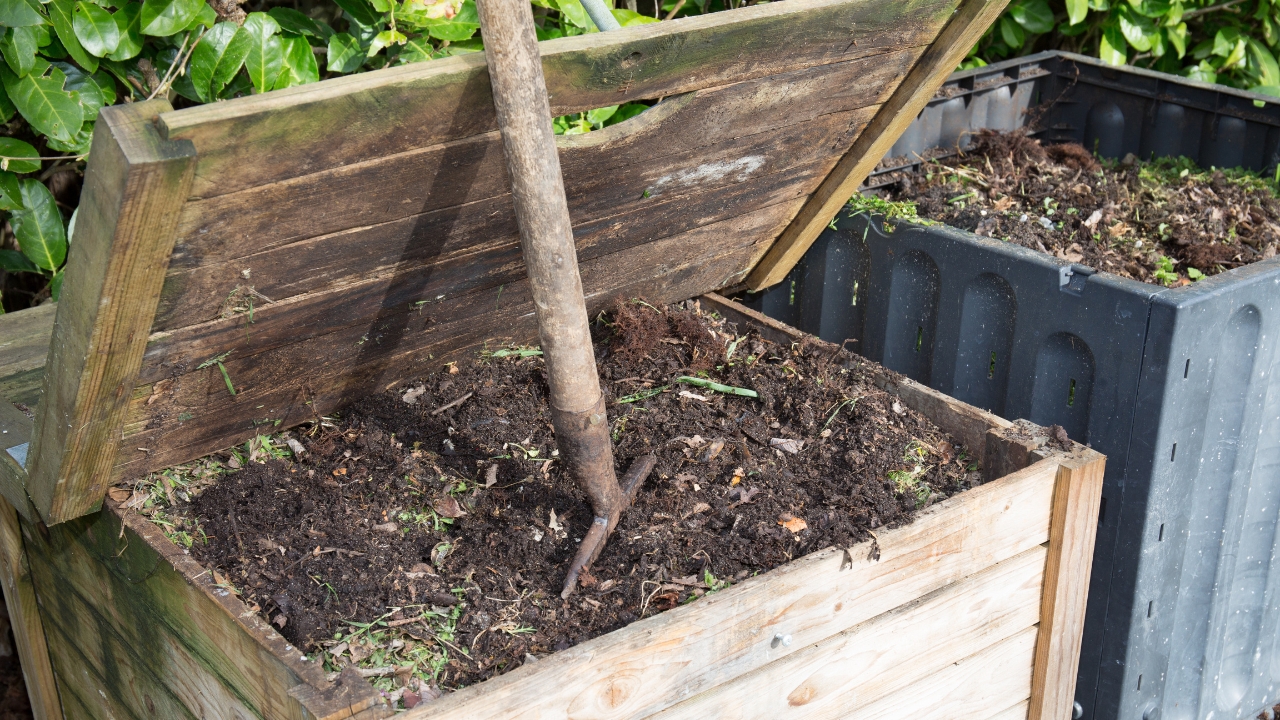
Compost is one of the best natural fertilizers you can use. It builds soil health, improves moisture retention, and provides a steady release of nutrients. Unlike synthetic fertilizers that give plants a quick boost and fade, compost feeds your soil long-term, making everything grow better.
The best part? It’s free if you make your own. Kitchen scraps, grass clippings, and yard waste all break down into nutrient-rich compost. Just make sure you’re balancing green (nitrogen-rich) and brown (carbon-rich) materials to keep it from turning into a smelly mess.
Manure

Well-aged or composted manure is packed with nitrogen and organic matter, making it a great choice for improving soil fertility. Cow, horse, goat, and chicken manure all work, but they need to be composted first. Fresh manure can be too strong and burn plants with excess ammonia.
Chicken manure has the highest nitrogen content, while cow and horse manure improve soil structure over time. Whichever you use, let it age for a few months before adding it to your garden to avoid shocking your plants.
Fish Emulsion
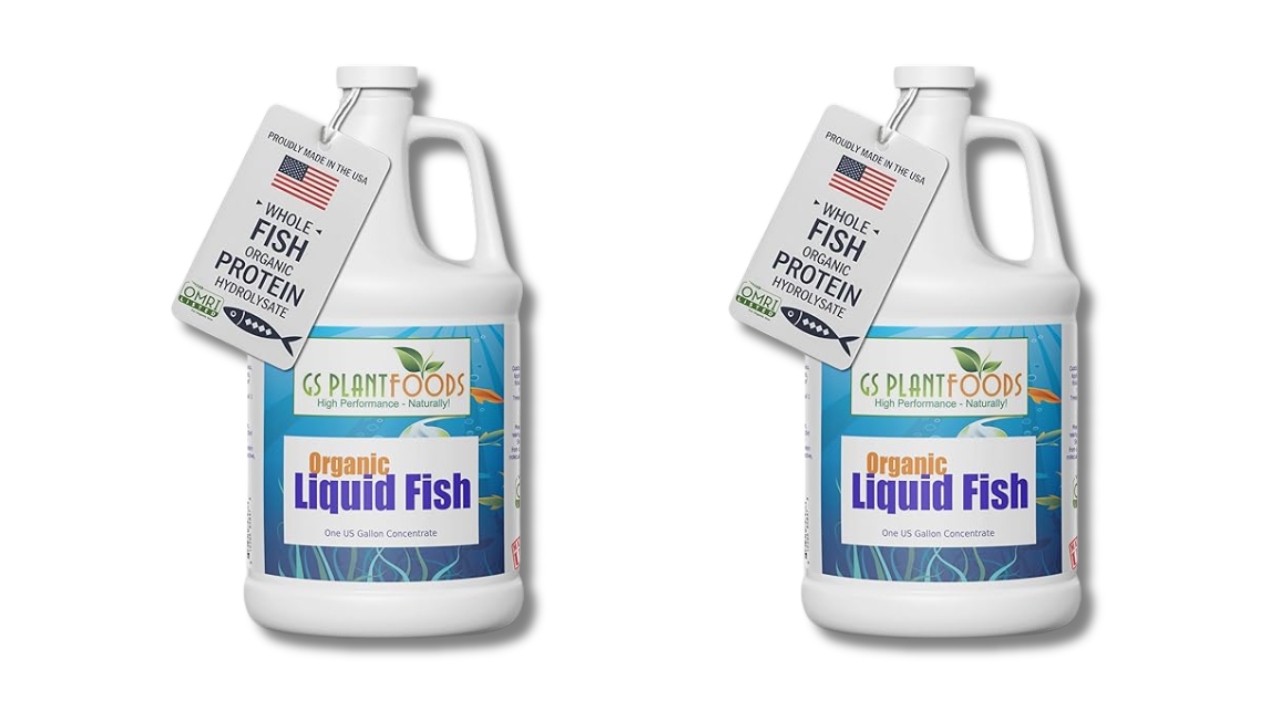
Fish emulsion is a fast-acting liquid fertilizer that gives plants an instant nitrogen boost. It’s great for leafy greens, but really, anything in your garden can benefit from it. Unlike some fertilizers that take weeks to break down, fish emulsion absorbs quickly, making it perfect for plants that need a pick-me-up.
The only downside? The smell. It’s not terrible, but you’ll know it’s there. Some gardeners dilute it more than recommended to reduce the odor, but even at full strength, the results are worth it.
Bone Meal
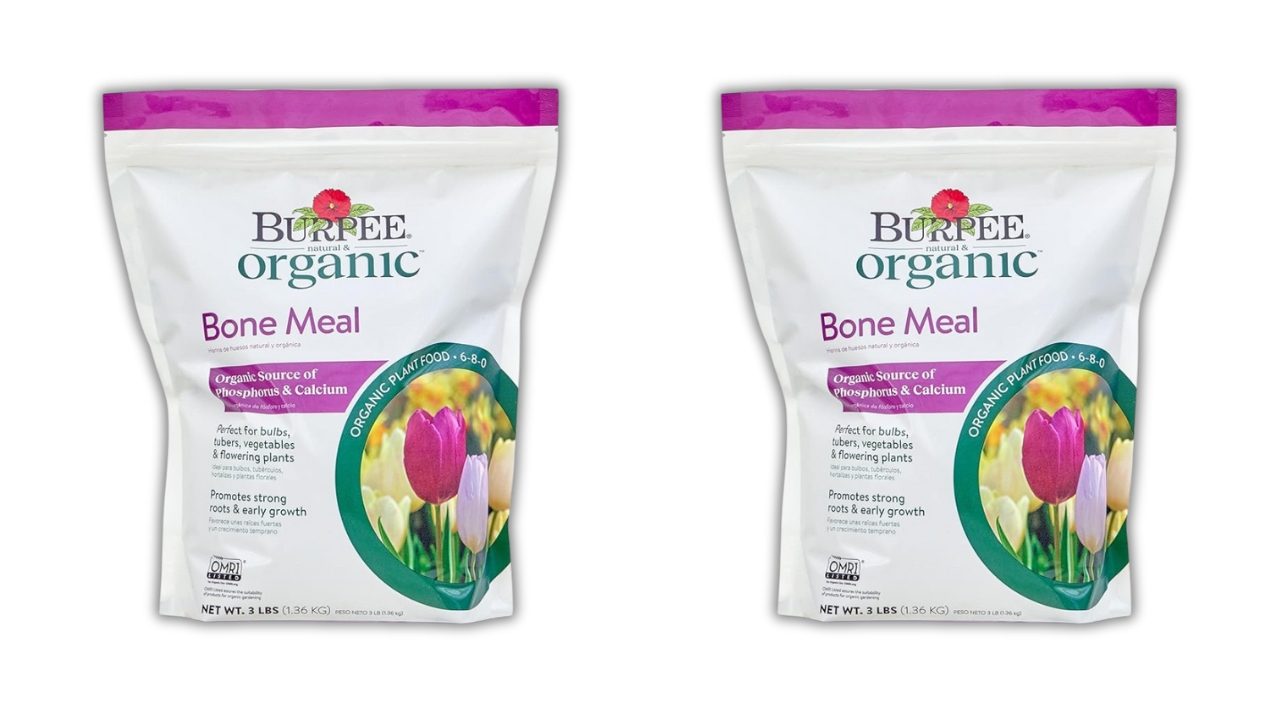
If your plants need stronger roots or better blooms, bone meal is the way to go. It’s loaded with phosphorus, which helps with root development and flowering. It’s especially useful for root crops like carrots and onions, as well as flowering plants that need an extra boost.
One thing to keep in mind: bone meal works best in slightly acidic to neutral soil. If your soil is too alkaline, phosphorus won’t break down properly. A simple soil test can tell you if it’s worth using.
Blood Meal
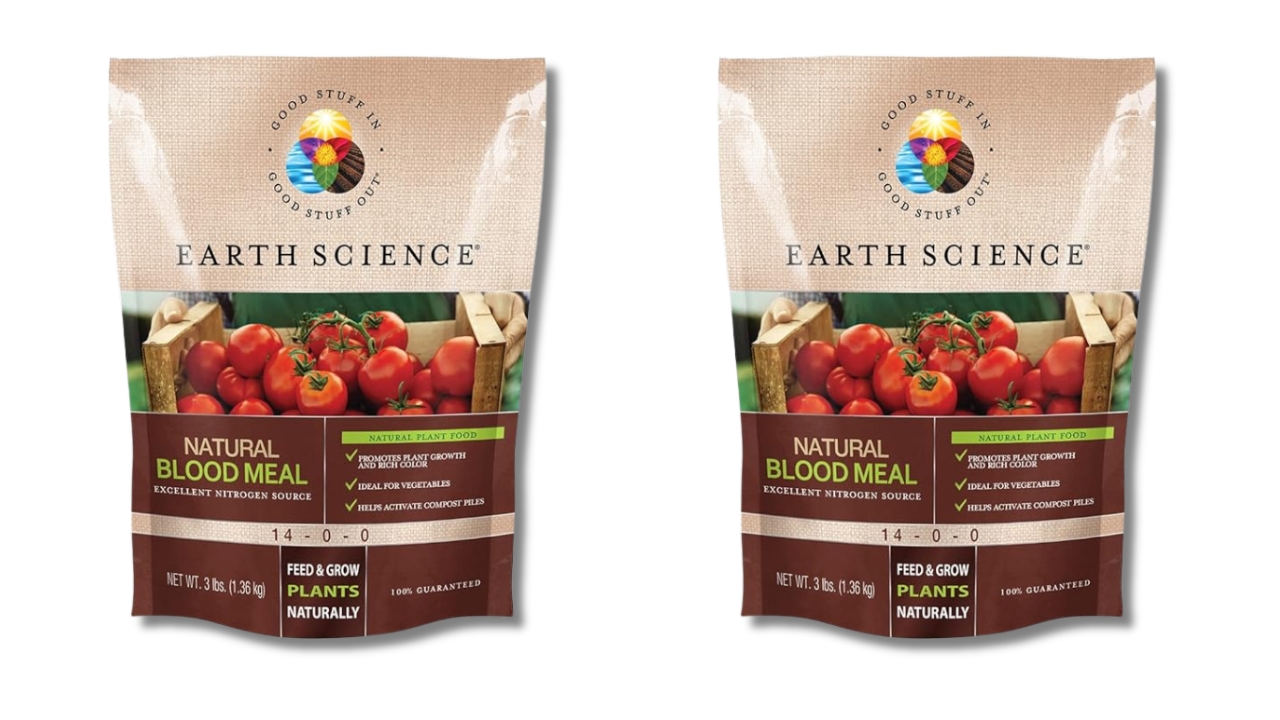
Blood meal is one of the fastest ways to add nitrogen to your garden. It’s great for greens like lettuce, spinach, and kale, giving them the nutrients they need for strong, healthy growth. Since it’s a dry powder, it’s easy to mix into the soil or sprinkle around plants.
One thing to watch out for: too much nitrogen can cause leafy plants to grow fast at the expense of fruit or flowers. Use it sparingly, especially with tomatoes and peppers, or you’ll end up with a lot of leaves and not much else.
Worm Castings

Worm castings (basically worm poop) are a powerhouse for soil health. They improve drainage, boost microbial activity, and help plants absorb nutrients more efficiently. Unlike some fertilizers that can be too strong, worm castings are gentle enough to use anytime without worrying about overfeeding.
You can buy them or set up your own worm bin to produce a steady supply. Either way, adding a handful to each planting hole or mixing them into potting soil gives your plants a real advantage.
Granular Slow-Release Fertilizer

Slow-release fertilizers provide a steady supply of nutrients without needing constant reapplication. Organic versions, like Espoma’s Plant-Tone, break down naturally over time, feeding plants without overwhelming them.
They’re especially useful for fruiting plants like tomatoes and peppers, which need consistent nutrition throughout the season. Just mix them into the soil at planting time, and they’ll keep feeding your garden for weeks.
Liquid Seaweed Fertilizer
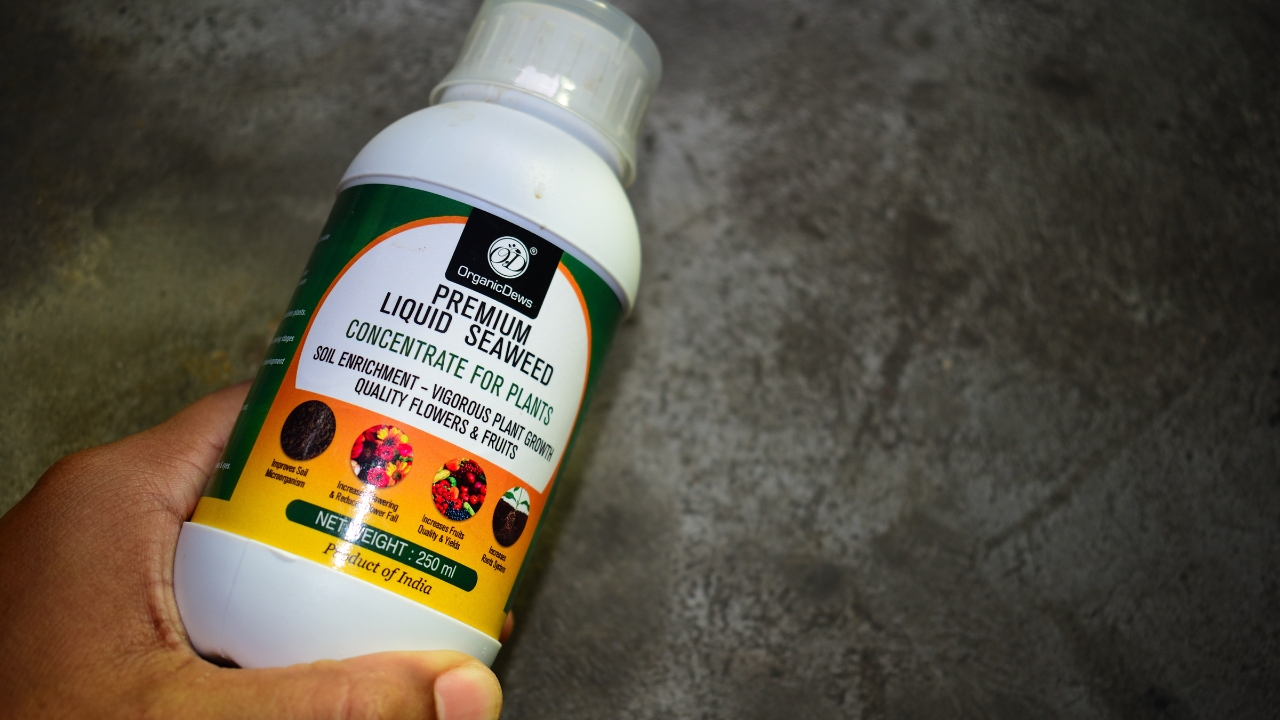
Seaweed fertilizer isn’t a heavy hitter like compost or manure, but it’s a great supplement. It contains trace minerals and natural growth hormones that help plants handle stress better. If your plants are struggling due to heat, drought, or transplant shock, a dose of liquid seaweed can help them bounce back.
It’s mild enough to use regularly and works well when combined with other fertilizers. Think of it as a booster rather than a main food source—your plants will be stronger and more resilient with it in the mix.
Like Fix It Homestead’s content? Be sure to follow us.