10 Trees That Are Beautiful but Bad News for Your Lawn
Image Credit: jessicahyde/Shutterstock.com
I get it—big trees with pretty leaves seem like a great choice when you’re trying to add some shade or make the yard feel less empty. But I’ve learned the hard way that not every tree belongs anywhere near your lawn.
Before you start digging holes, it’s worth knowing which ones are going to give you more headaches than shade. Let’s break down the trees that look good at first but end up being a real pain later on.
Silver Maple
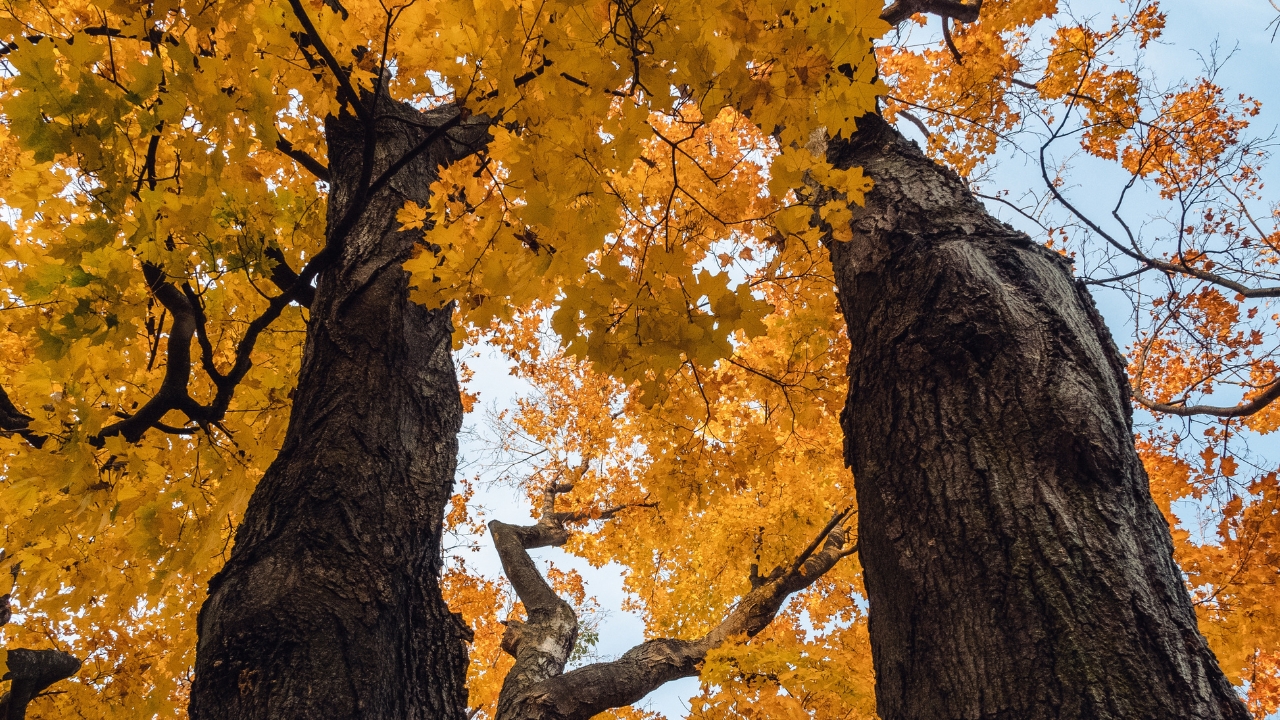
Silver maples grow fast, which sounds nice—until the roots start showing up where they shouldn’t. Their shallow, aggressive roots can buckle sidewalks, clog pipes, and ruin your lawn. These trees also drop twigs and branches constantly, so you’ll spend more time raking than relaxing.
On top of that, their wood is soft and prone to storm damage. If you’ve got one close to the house, it’s worth keeping an eye on those limbs. This is one of those trees that looks great until you’ve got the cleanup bill.
Weeping Willow

Weeping willows are striking, especially near water, but they’re not great for most yards. Their root systems are incredibly thirsty and will head straight for any moisture source—like your sewer lines or foundation.
They also shed branches like crazy, and that graceful canopy doesn’t play nice with grass underneath. Unless you’ve got a large property with a pond to stick it by, this is one tree better admired from afar.
Bradford Pear
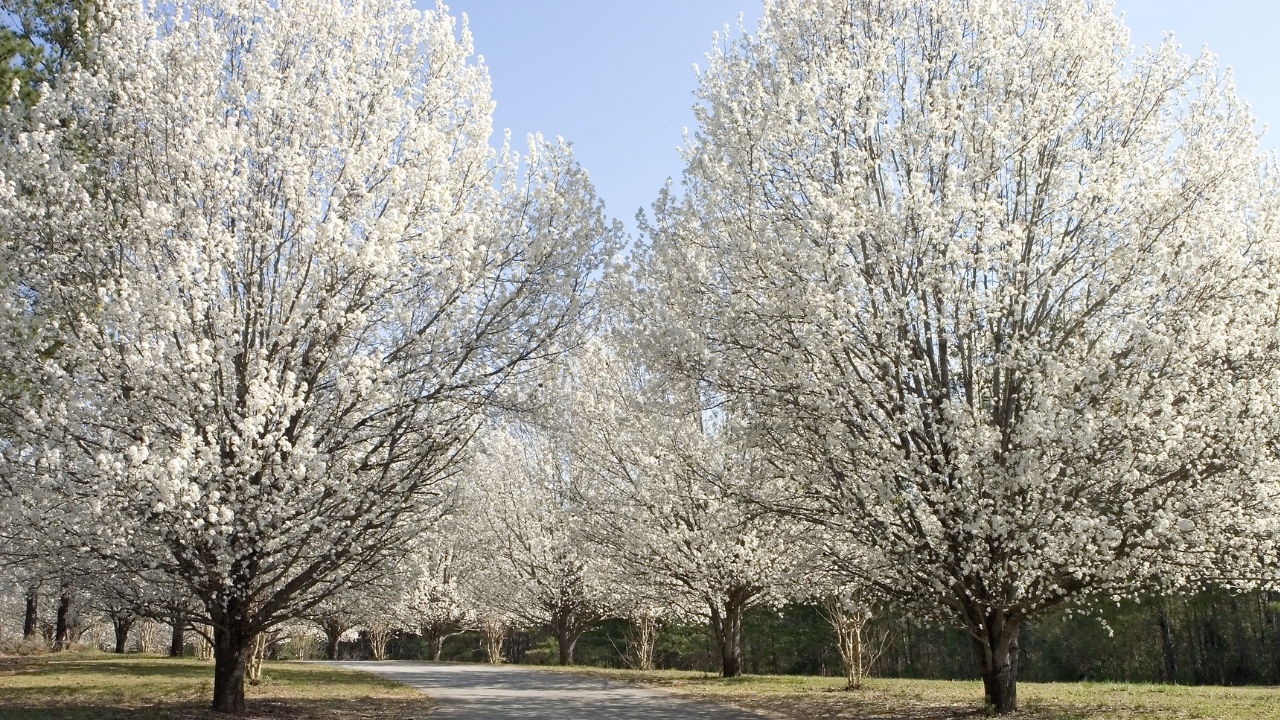
Bradford pears used to be the go-to for fast-growing curb appeal. Problem is, they grow too fast for their own good. Their branches are weak and prone to splitting, especially during wind or ice storms.
They’re also invasive in many areas, spreading like wildfire and crowding out native trees. Add in the smell when they bloom, and it’s not hard to see why folks are cutting them down instead of planting more.
Norway Maple
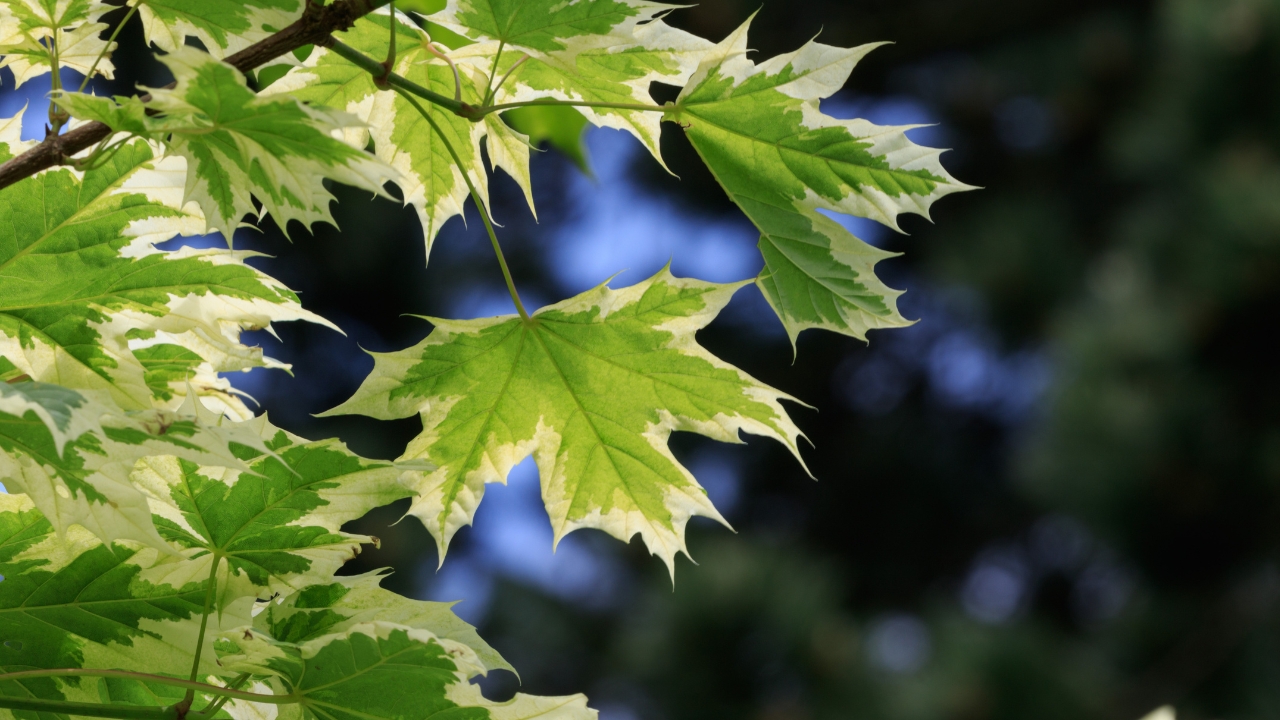
Norway maples create a thick canopy that casts heavy shade—good for cooling down, bad for grass. You’ll struggle to grow anything under one because it hogs sunlight and water with a wide, shallow root system.
Plus, those roots can mess with your mowing. You’ll constantly be dodging exposed roots with the lawnmower, and that dense shade doesn’t leave much room for healthy turf.
Sweetgum
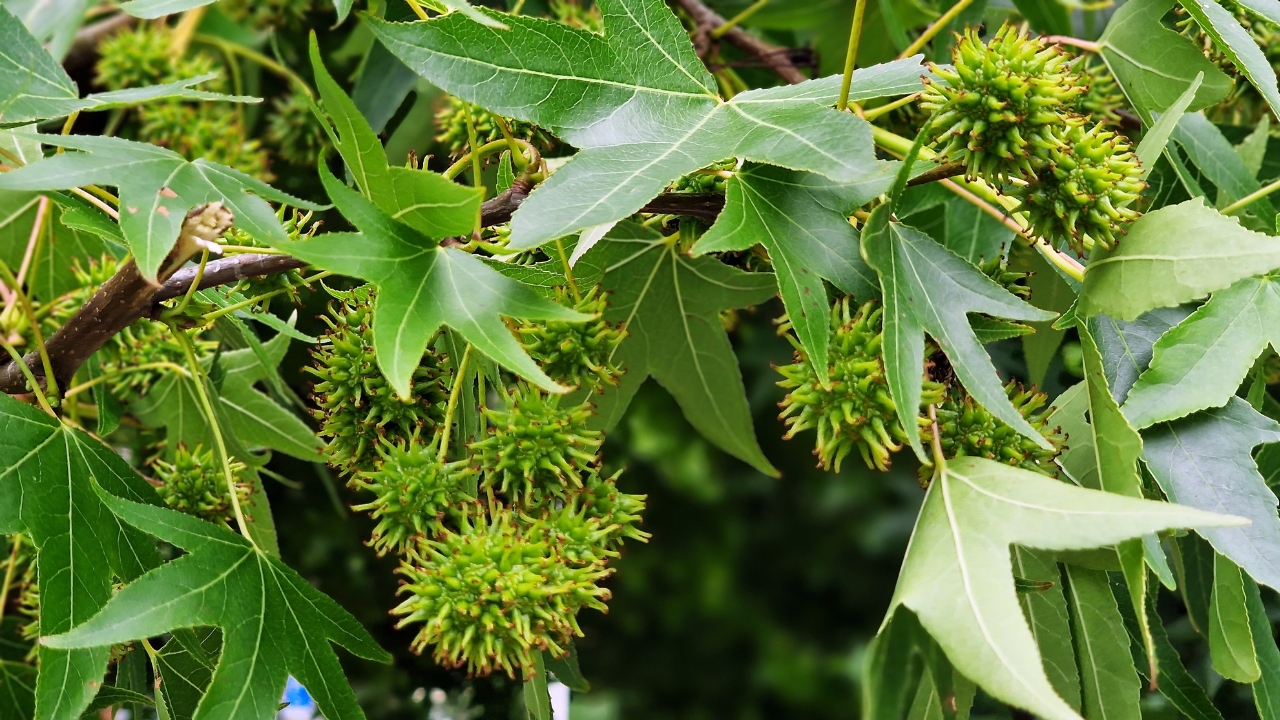
Sweetgum trees are known for their spiky seed pods, and if you’ve ever stepped on one barefoot, you already know the problem. These things drop hundreds of those little landmines every year.
They also don’t break down easily, so they linger in your lawn and jam up mowers. While they’ve got nice fall color, the mess they leave behind just isn’t worth it for most yards.
Black Walnut
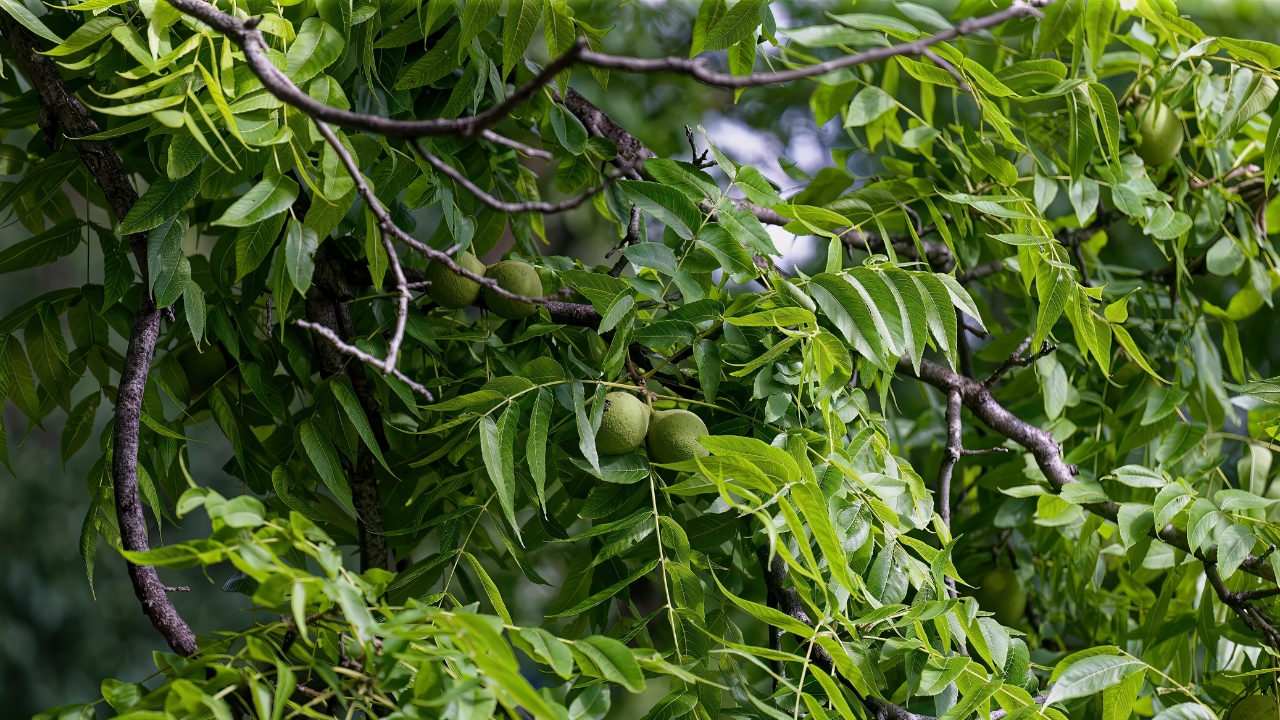
Black walnuts produce juglone, a natural chemical that’s toxic to many other plants. That means your grass, flowers, and even some trees might not survive nearby.
Their roots, leaves, and husks all contain this stuff, and it sticks around in the soil. If you’re trying to grow a productive or pretty landscape, a black walnut tree can sabotage you without lifting a limb.
Sycamore
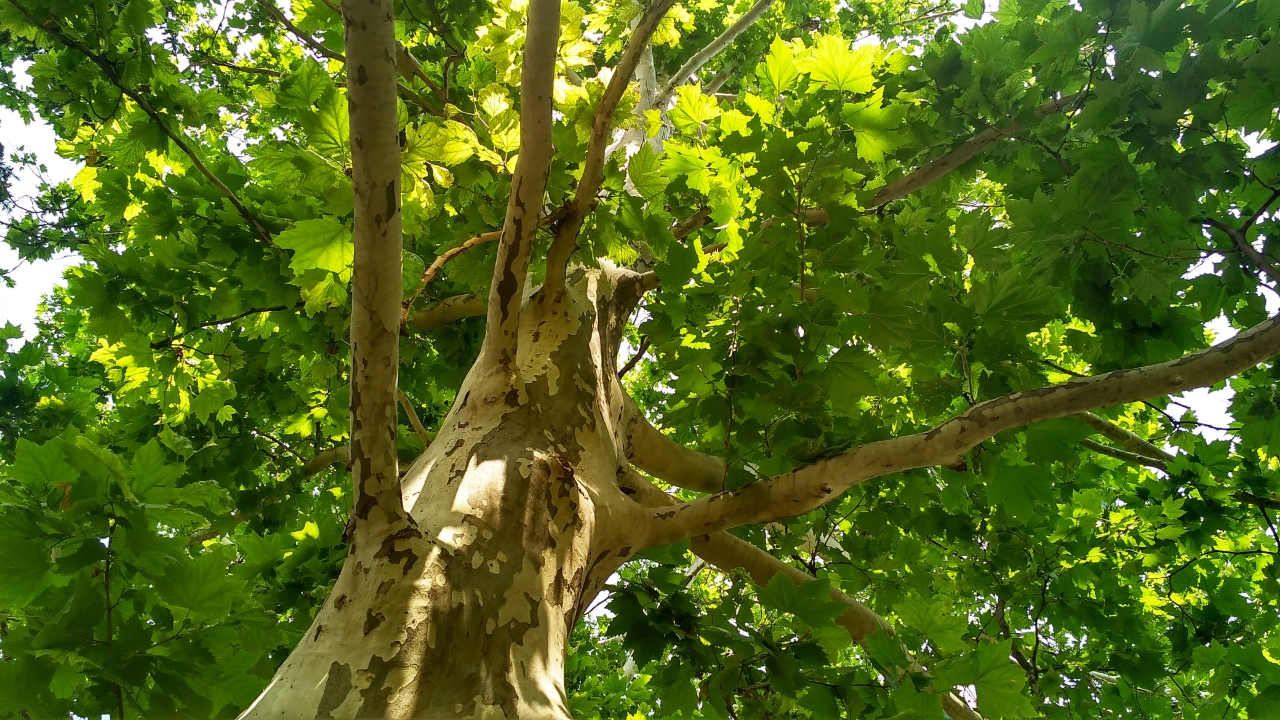
Sycamores are big, beautiful trees—but they’re messy. They drop bark, leaves, twigs, and seed balls like it’s their full-time job. Keeping your yard clean under one is a never-ending task.
They’re also prone to anthracnose, a fungal disease that can cause defoliation and spotting. If you like your trees low-maintenance, sycamore probably isn’t it.
Cottonwood
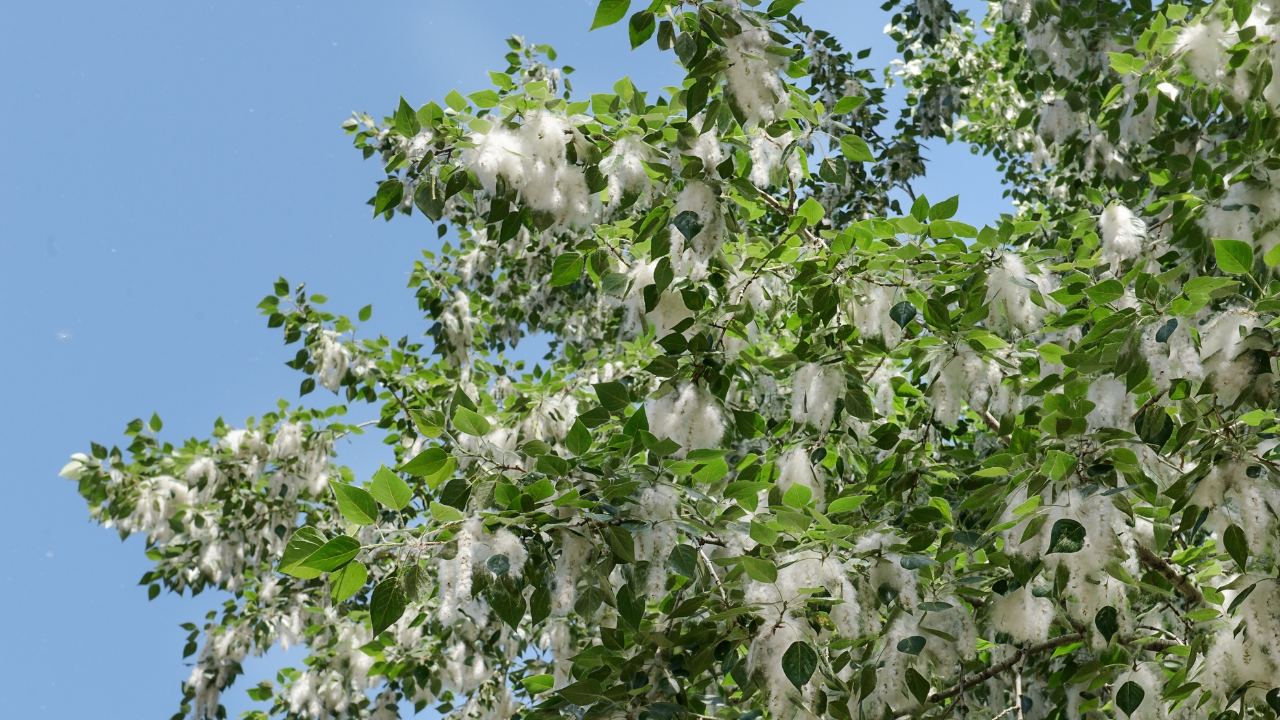
Cottonwoods grow fast and tall, but they come with a list of issues. Their wood is brittle, which means branches snap off during storms. And when they start releasing their fluffy seeds, it’s like snow in the summer—only messier.
They also have invasive roots that crack sidewalks, disrupt lawns, and find their way into pipes. Not a great choice unless you’ve got a wide-open space far from anything important.
Mimosa

Mimosa trees look nice when they bloom, but they’re a maintenance nightmare. They drop flowers, seed pods, and leaves all over your yard, and those seeds spread like crazy.
They’re also considered invasive across much of the South and can take over quickly if you’re not careful. On top of that, they’re short-lived and prone to disease, so you won’t get many good years out of them.
Ash Trees
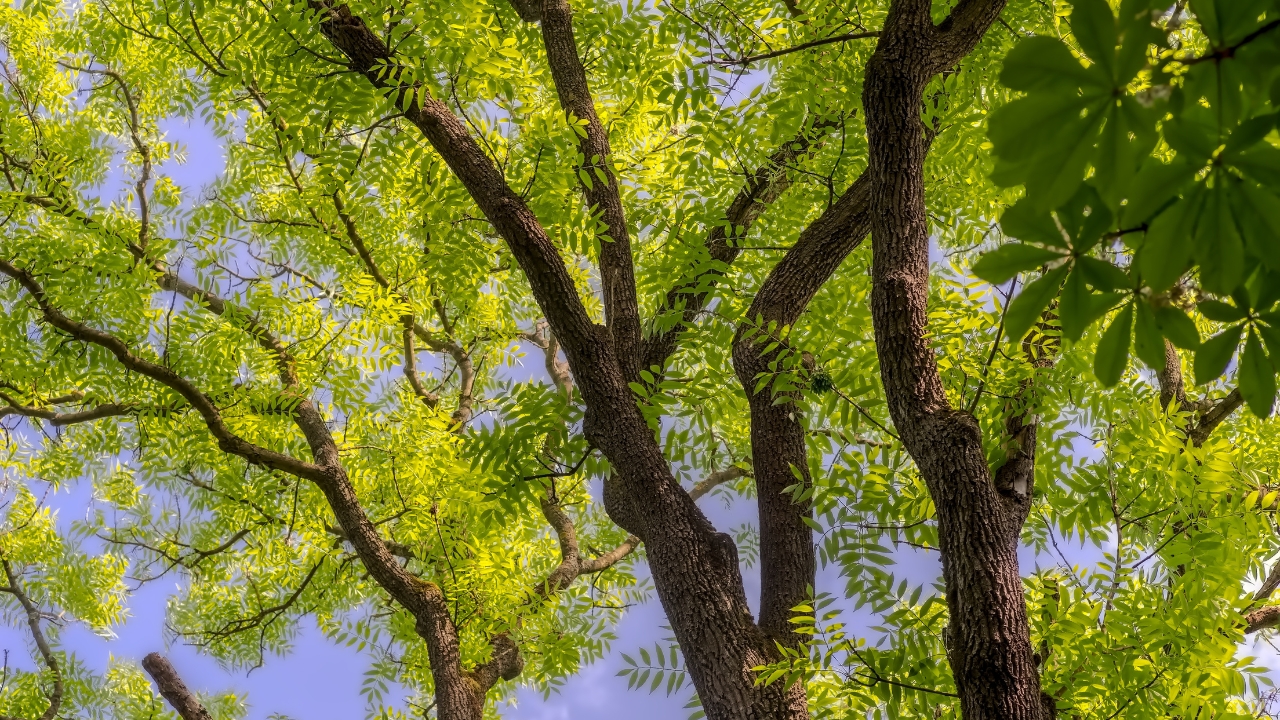
Ash trees used to be a favorite in residential areas—until the emerald ash borer showed up. This invasive pest has decimated ash populations across the country, and once a tree is infested, it dies fast.
Dead ash trees become brittle and dangerous, especially near homes or driveways. If you’ve got one, you’re either paying for treatment or removal. Planting a new one just doesn’t make sense anymore.
Like Fix It Homestead’s content? Be sure to follow us.