10 billionaires with land holdings so big they outsize small cities
Photo credit: Al Teich/Shutterstock.com
You’ve probably heard of billionaires owning land, but some of them have pieces of the country that would make whole towns feel tiny. It’s wild to think how much acreage they control—forests, ranches, and timberland that stretch for millions of acres. Those numbers aren’t just abstract—they translate into real places that feel more like private counties.
When you look at how these holdings stack up against small cities, it hits hard: these aren’t just estates, they’re landscapes that redefine where your home ends and their empire begins. Knowing who owns these stretches—and how big they really are—can change how you see land and power in your own backyard.
Emmerson family
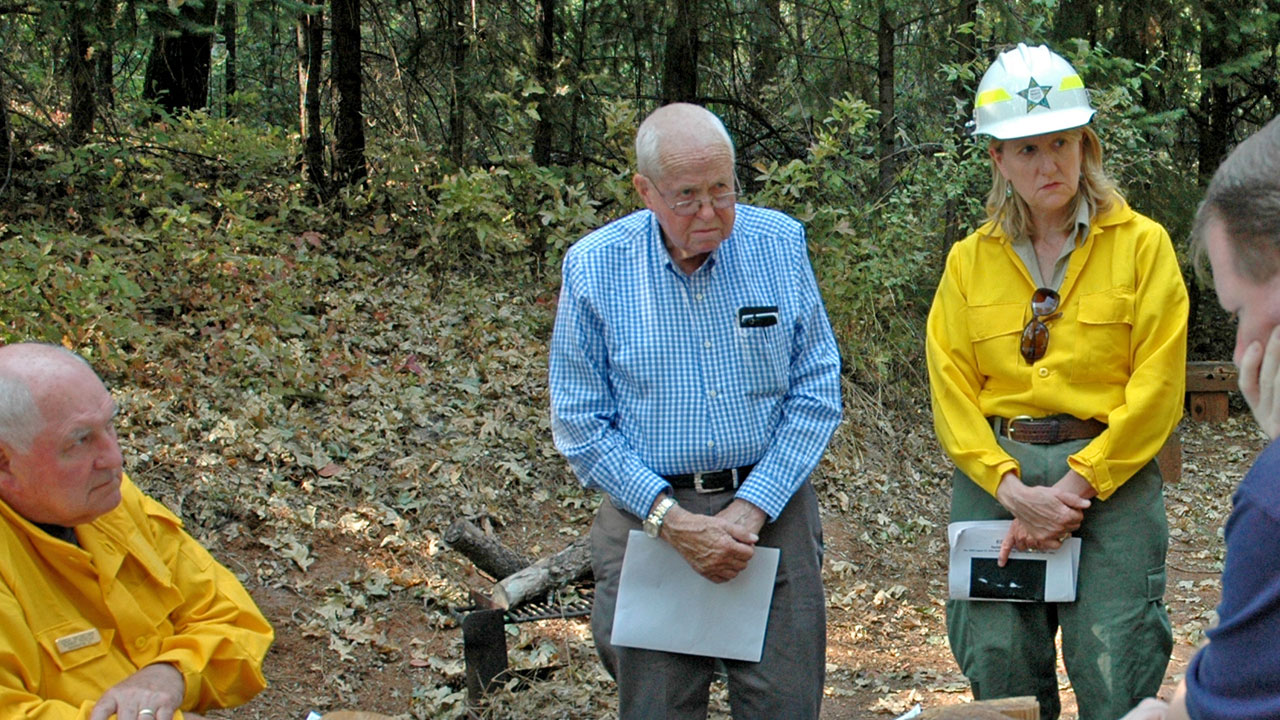
The Emmersons top the list with about 2.4 million acres across California, Oregon, and Washington via Sierra Pacific Industries. That’s more than three times the size of Rhode Island and easily outscales many U.S. cities. Their wealth in timberland gives them not just land but entire ecosystems to manage.
Their ownership spans multiple states, which means they’re managing varied landscapes all at once. Timber, conservation, operations—it’s a full ecosystem, not a single estate, and it overshadow many traditional notions of private property.
John Malone
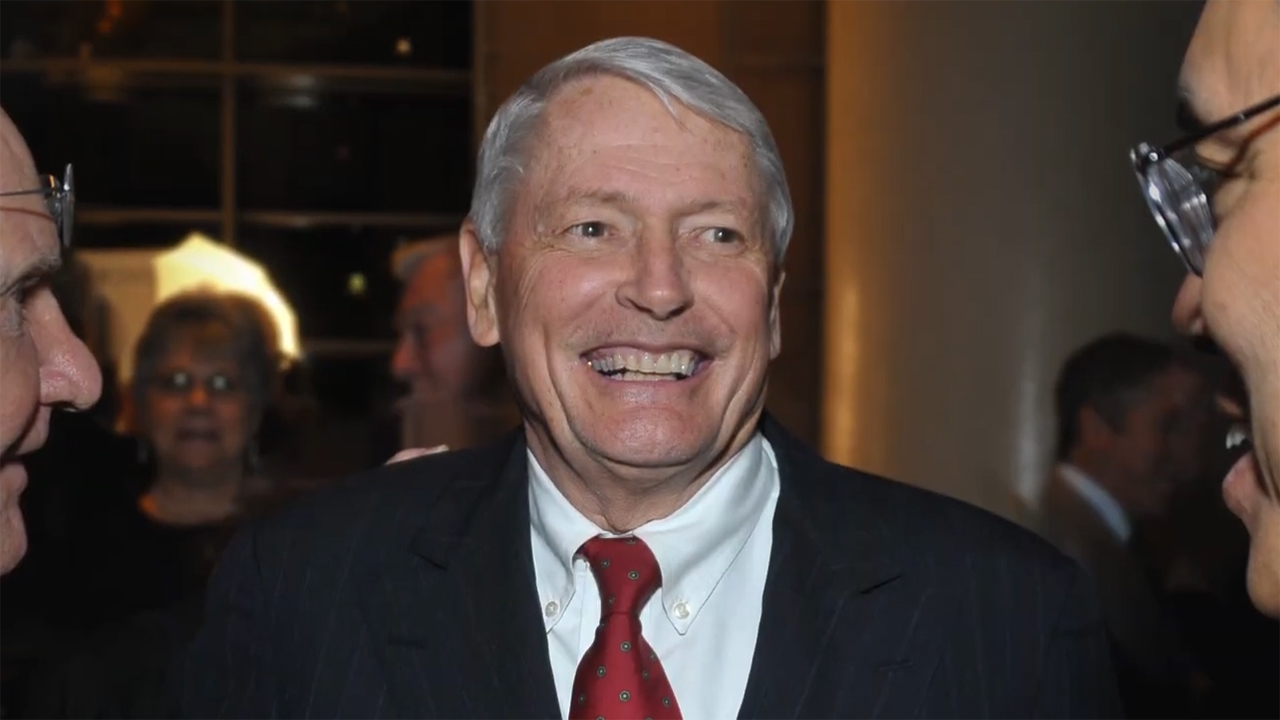
Liberty Media’s chairman owns around 2.2 million acres spread out over western states. That acreage is nearly three times the size of Rhode Island—think cross-state borders, ranches, and forestlands folded into his portfolio.
He’s made a name for himself as the modern land preservationist, and the scale reflects a strategy based in long-term stewardship, not flash—and that kind of quiet footprint doesn’t fade from a state’s map easily.
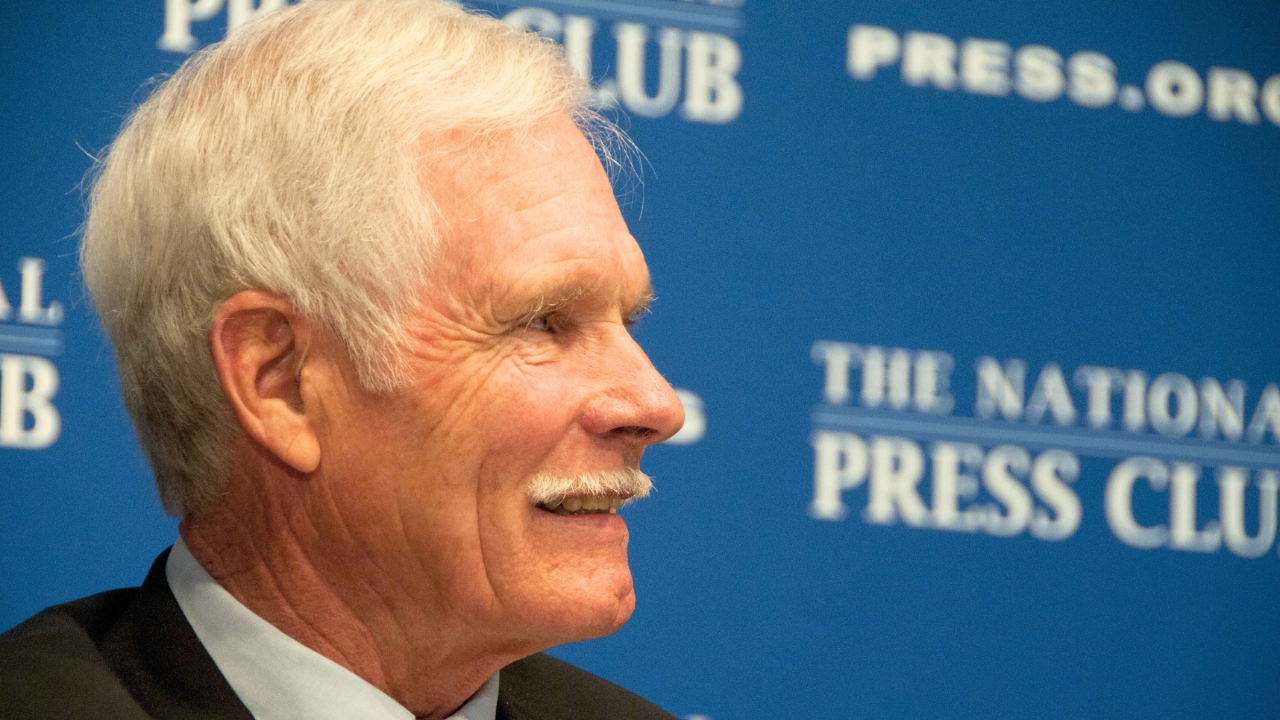
Ted Turner
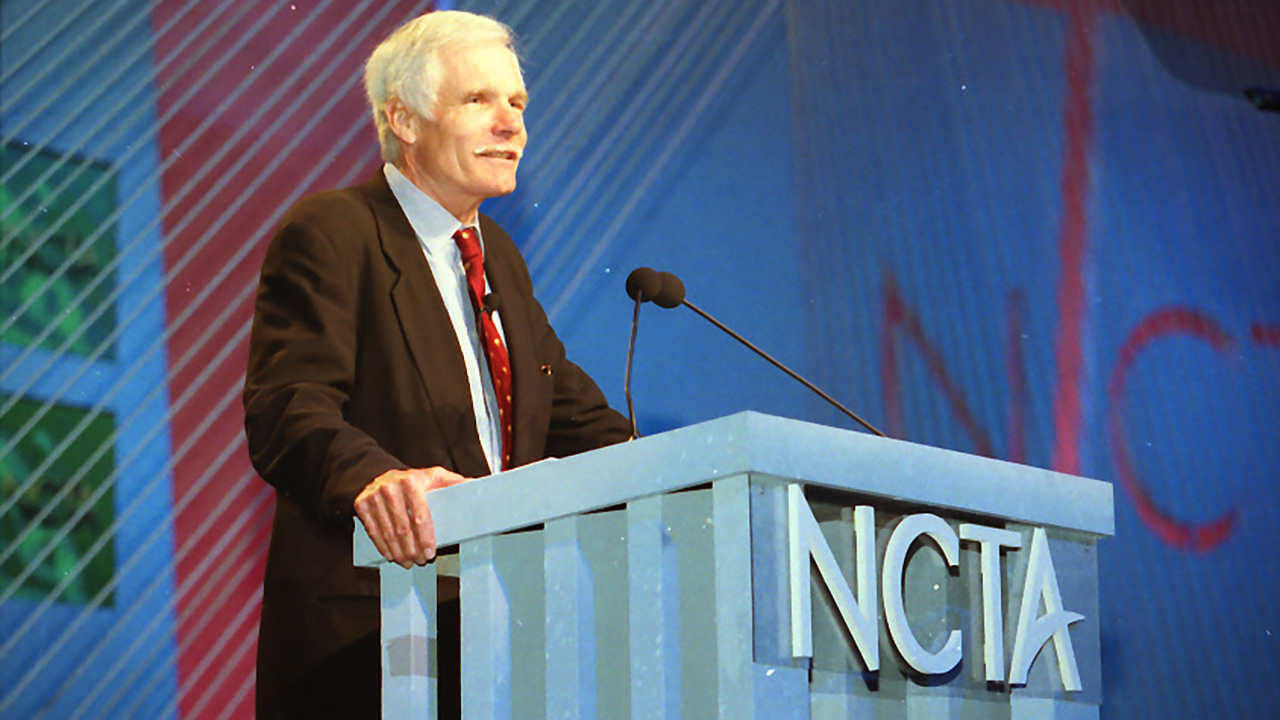
The CNN founder holds about 2 million acres across the Southeast, the Great Plains, and the West. That’s roughly one-third the area of New Jersey, running from cattle country to brushlands.
Turner’s reputation for conservation mixes with legacy ranching—he’s known for wildlife habitats and rewilding efforts. His land holds actual herds, not just headlines, and that kind of ownership shapes landscapes.
Stan Kroenke
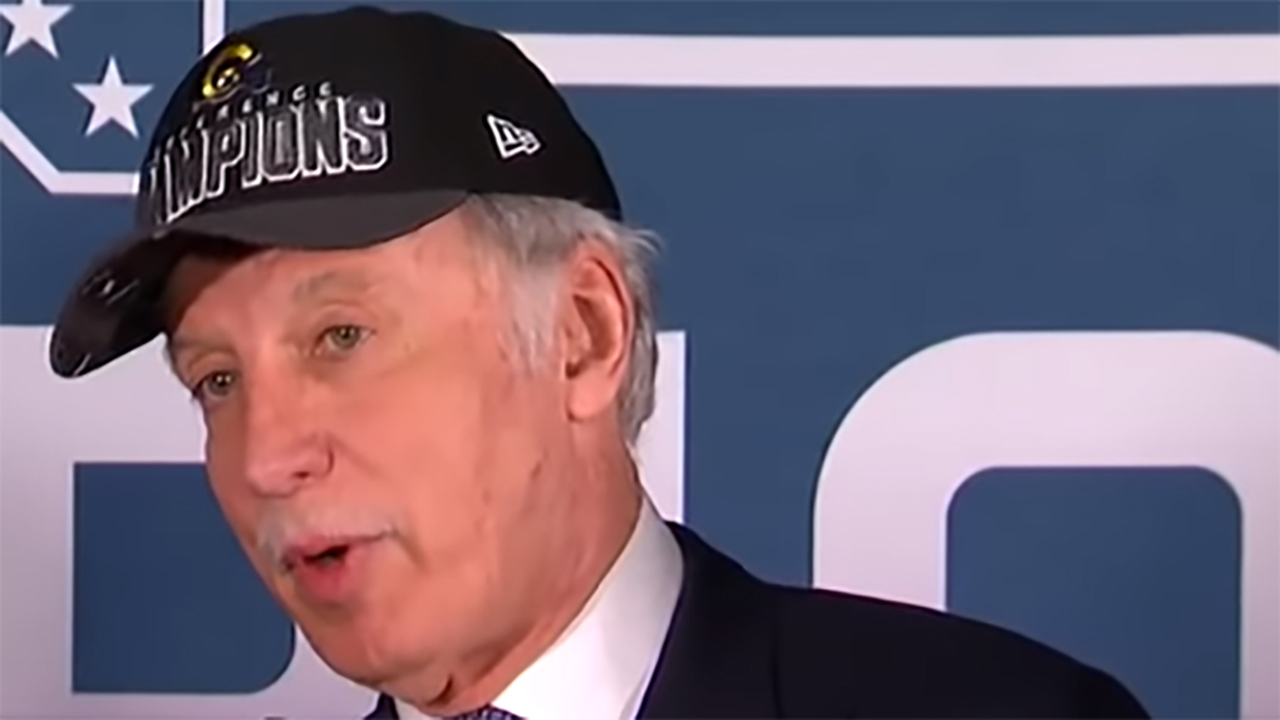
Owner of stadiums and sports teams, Kroenke also controls around 1.8 million acres, including the massive Waggoner Ranch in Texas and acreage in Montana. That’s nearly half the size of Connecticut.
Managing such a sprawling property while balancing agriculture, ranching, and conservation is no small task—it’s running an ecosystem as much as managing assets.
Reed family
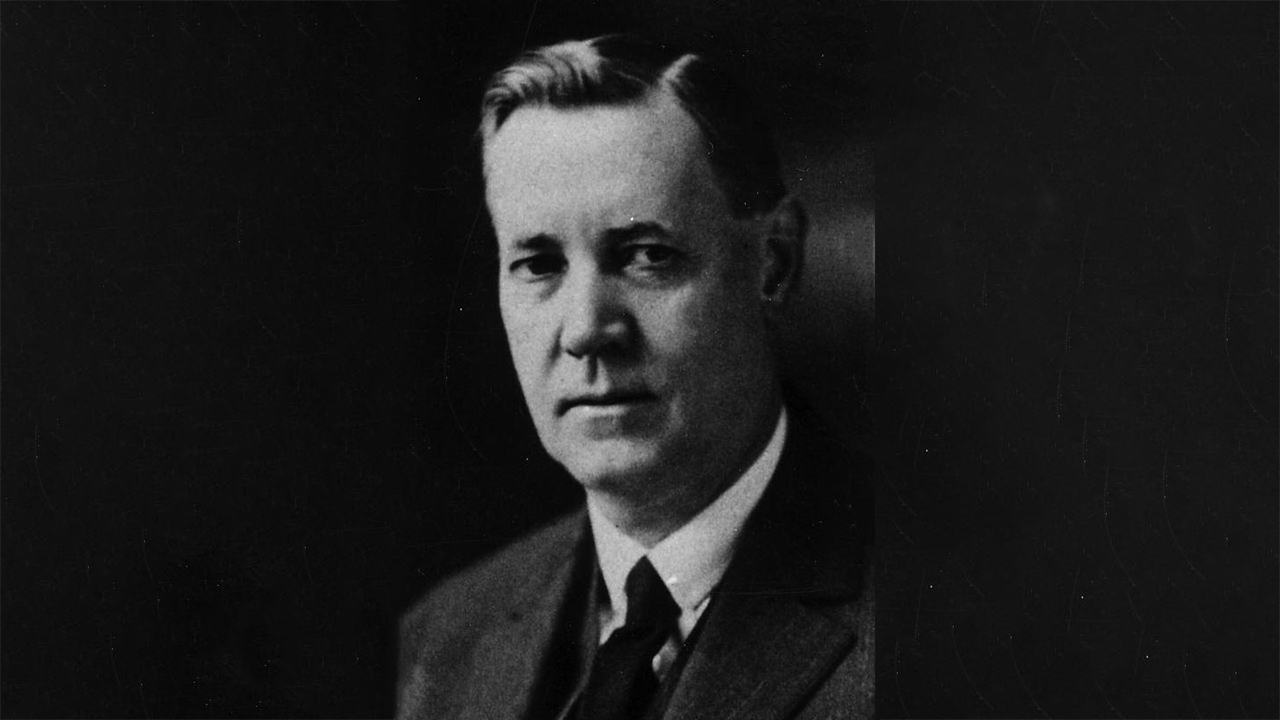
This timber-industry family owns about 1.66 million acres across California, Oregon, and Washington—about the size of Delaware.
They blend forestry and logging with long-term resource planning, keeping large swaths of forest under sustained management rather than short-term extraction.
Irving family
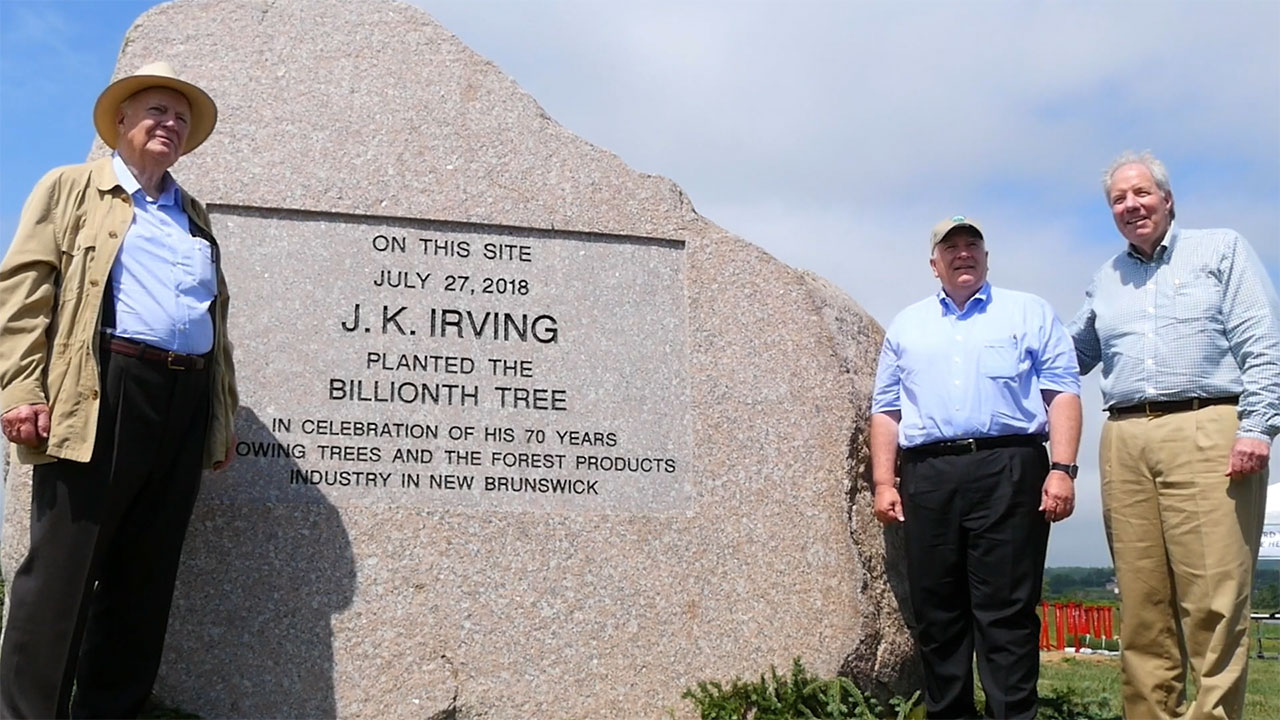
You’ll find nearly 1.27 million acres under their control, mostly in Maine—around half the size of the island of Hawaii.
Maine forests stretch under their stewardship, which means their land management decisions influence wildlife and local economies for miles.
Buck family
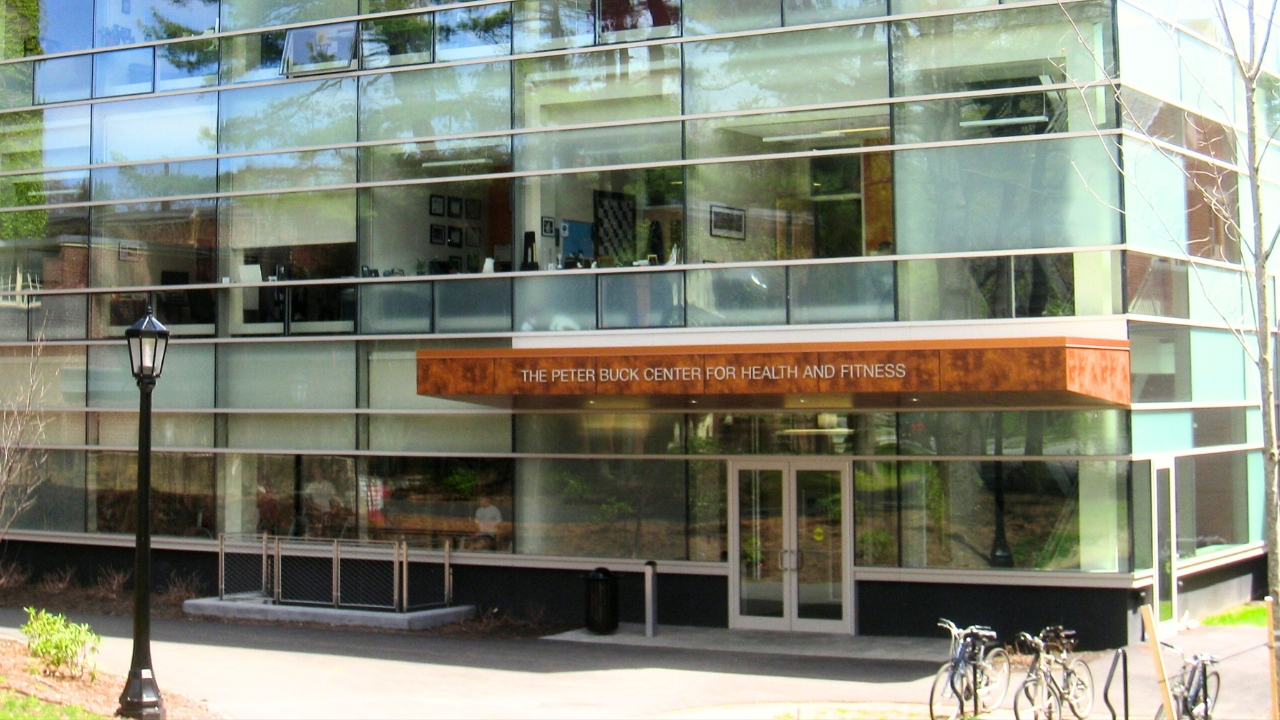
About 1.23 million acres in Maine, roughly four times Los Angeles in area.
That much land isn’t a backyard—it’s a region held in private hands, with scale that influences local land value and ecosystems.
Brad Kelley
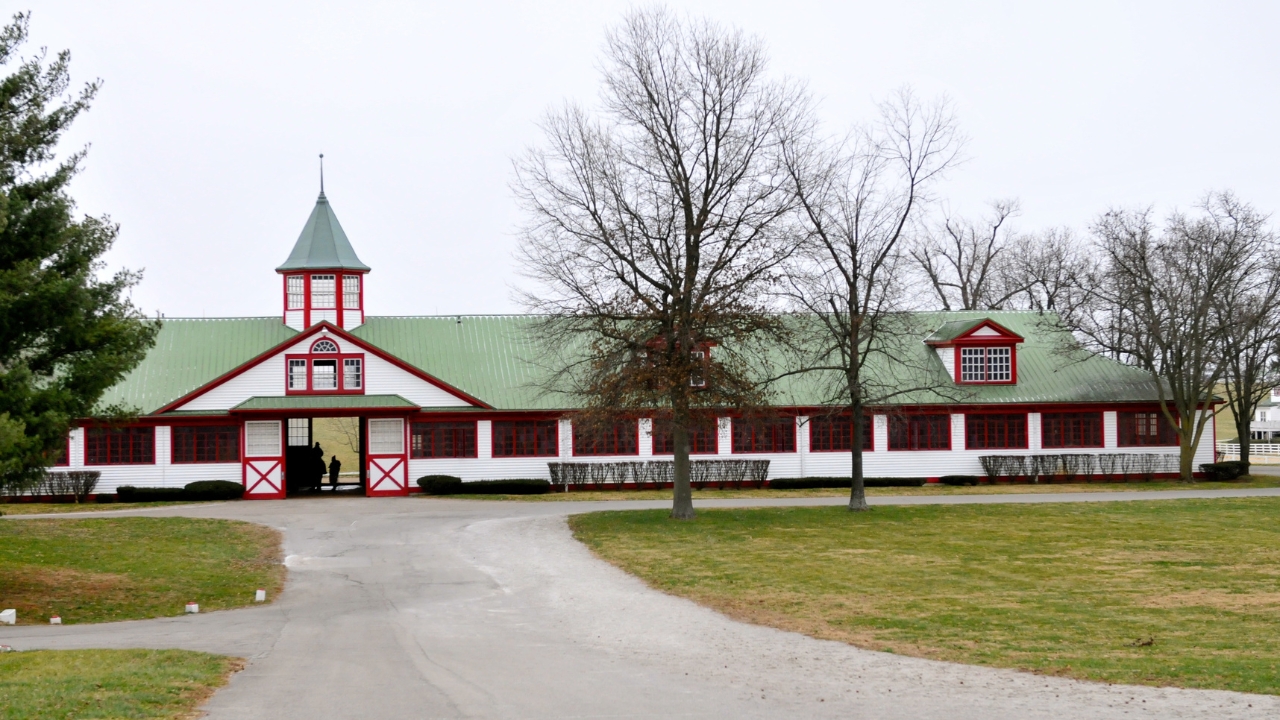
He controls an estimated 1 million acres across New Mexico and Texas—basically the size of Rhode Island.
That much ranchland is vast grazing country, not just trendy acreage—it’s tangible space that beats some cities in size.
Taylor Sheridan
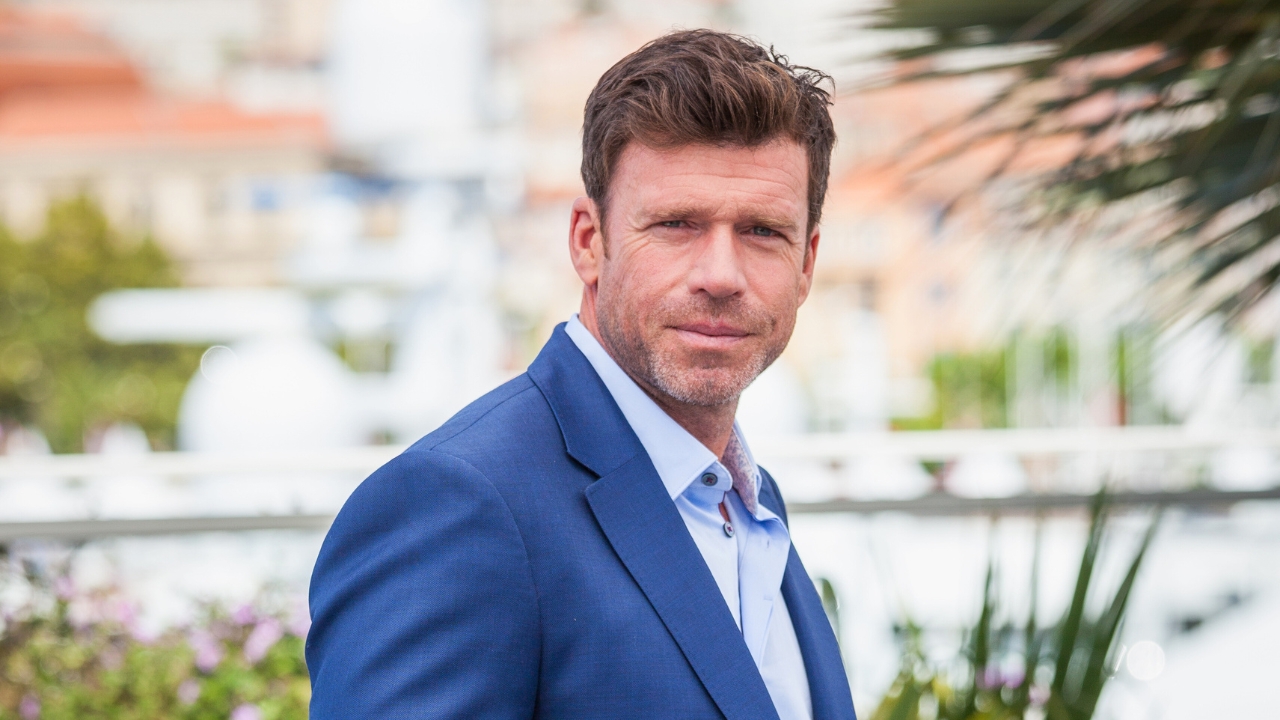
Known as the writer behind Yellowstone, he owns around 267,000 acres in Texas, including the famed 6666 Ranch. That’s city-sized scale and deeply rooted in working land traditions.
His land is both functional—ranching—and cultural, set in the story-driven landscapes he depicts in his work.
Jeff Bezos
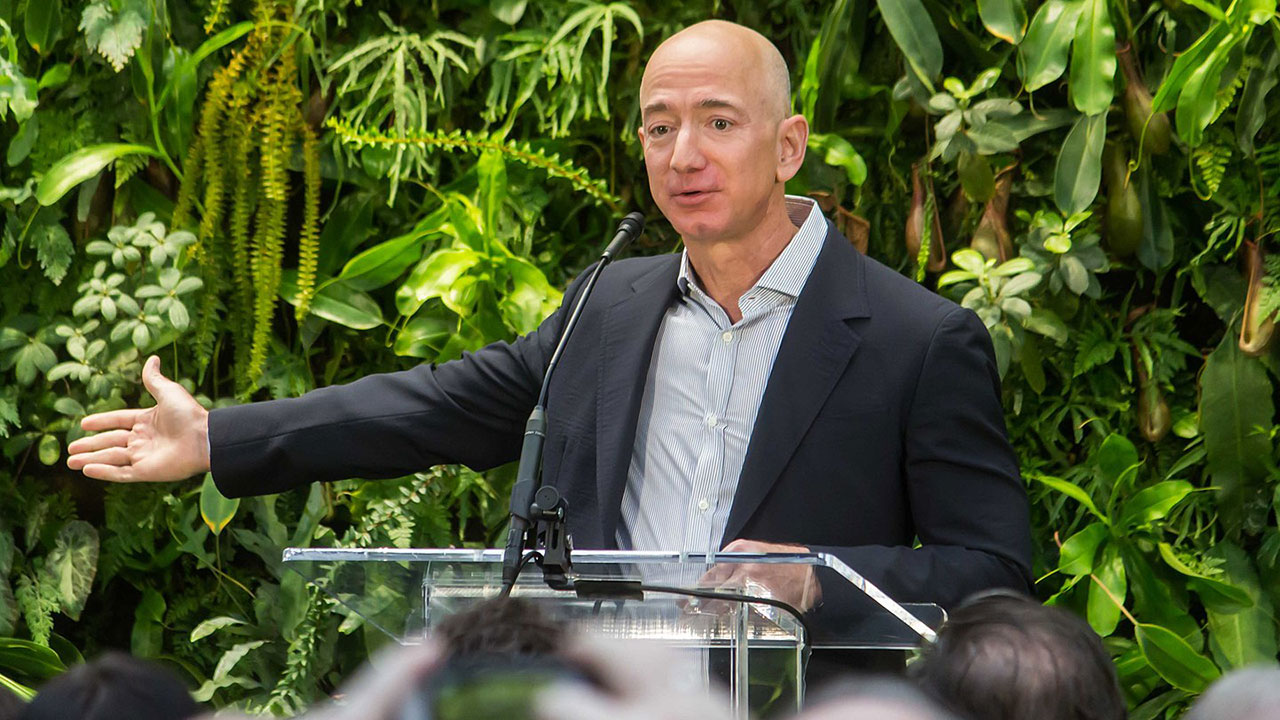
His lands tally around 420,000 acres in West Texas—roughly half the size of Yosemite National Park—used partly by Blue Origin for its space operations.
This isn’t just scenic ranchland—it’s launch infrastructure and a private zone where exploration takes shape.
*This article was developed with AI-powered tools and has been carefully reviewed by our editors.