10 design tricks our parents used that still work
Photo credit: BryanChavezPhotography/Shutterstock.com
A lot of design choices from decades ago feel dated now, but not everything our parents did missed the mark. Some of their go-to tricks still hold up because they were practical, budget-friendly, or made a house feel more like a home. If you’re looking for easy ways to update your space without spending big, these tried-and-true ideas are worth bringing back.
Mixing High and Low Pieces
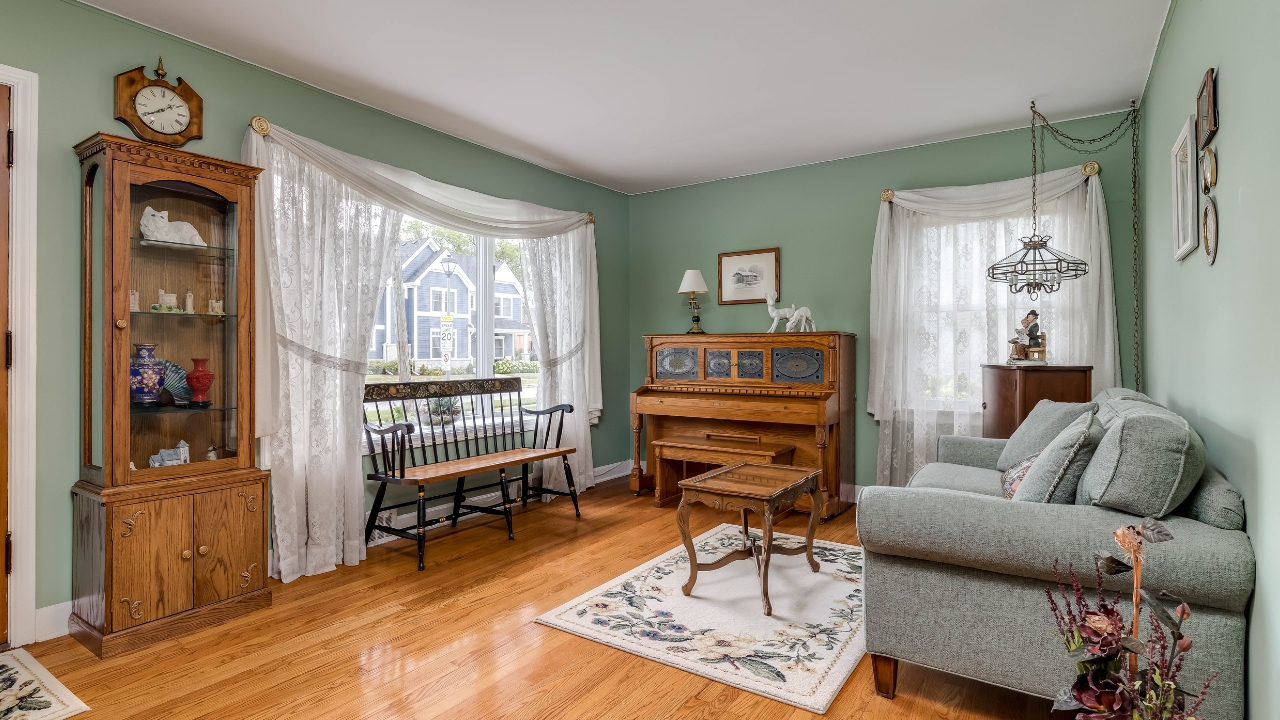
Our parents didn’t buy everything brand-new at once.
They blended hand-me-downs with newer furniture, making their homes look lived-in instead of staged. Today, designers call it “curated,” but it’s the same trick our parents used. Mixing a thrifted wood dresser with a new sofa still works because it balances budget with character.
Built-In Storage

Think about all the built-in bookshelves and cabinets in older homes.
They weren’t just pretty; they kept things tidy. Built-ins give you storage without extra furniture, which makes rooms feel larger. Adding shelves around a fireplace or a custom bench with hidden compartments is a timeless move our parents got right.
Layered Lighting

One overhead light was never enough.
Parents used table lamps, floor lamps, and sconces to make spaces more comfortable. That same approach is still the backbone of good design today. Layered lighting keeps a room cozy while letting you control the mood and brightness.
Real Wood Furniture
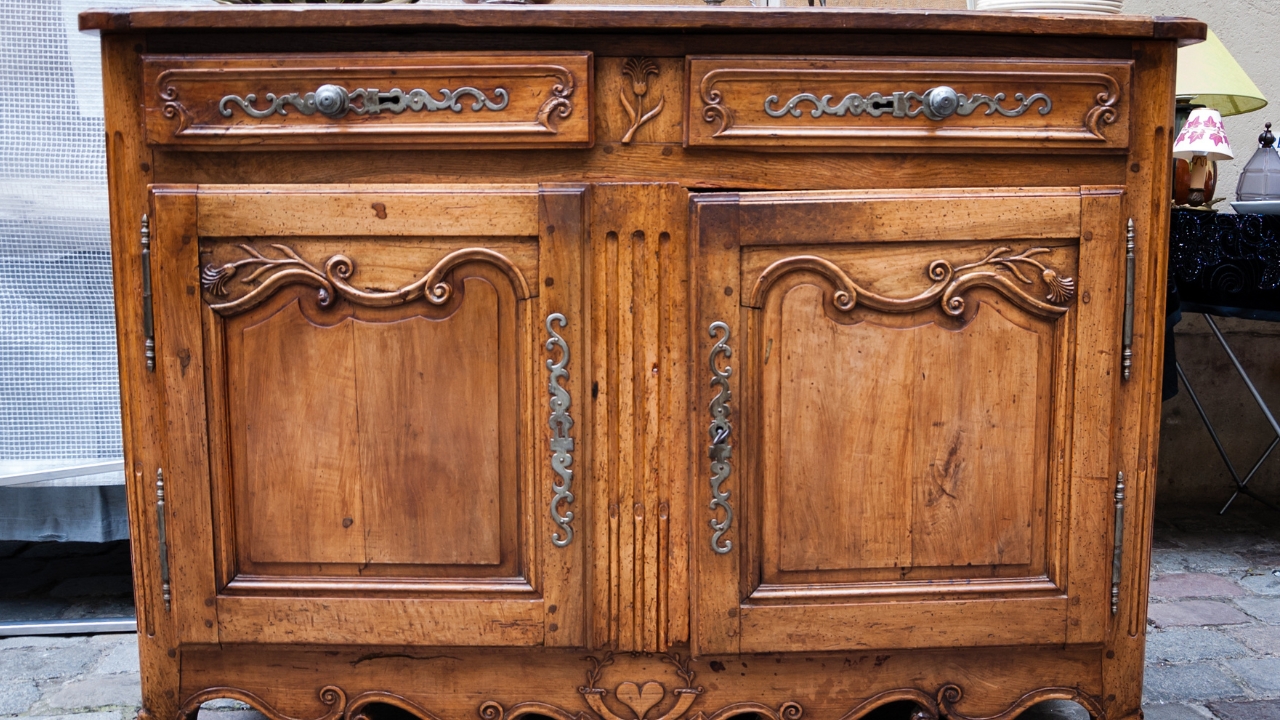
Our parents often bought solid wood pieces that lasted decades.
Unlike particleboard, wood can be sanded, refinished, or painted. Many of those pieces are still around today, proving the value of investing in furniture that ages well. If you want something durable, solid wood is still the way to go.
Outdoor Living Focus

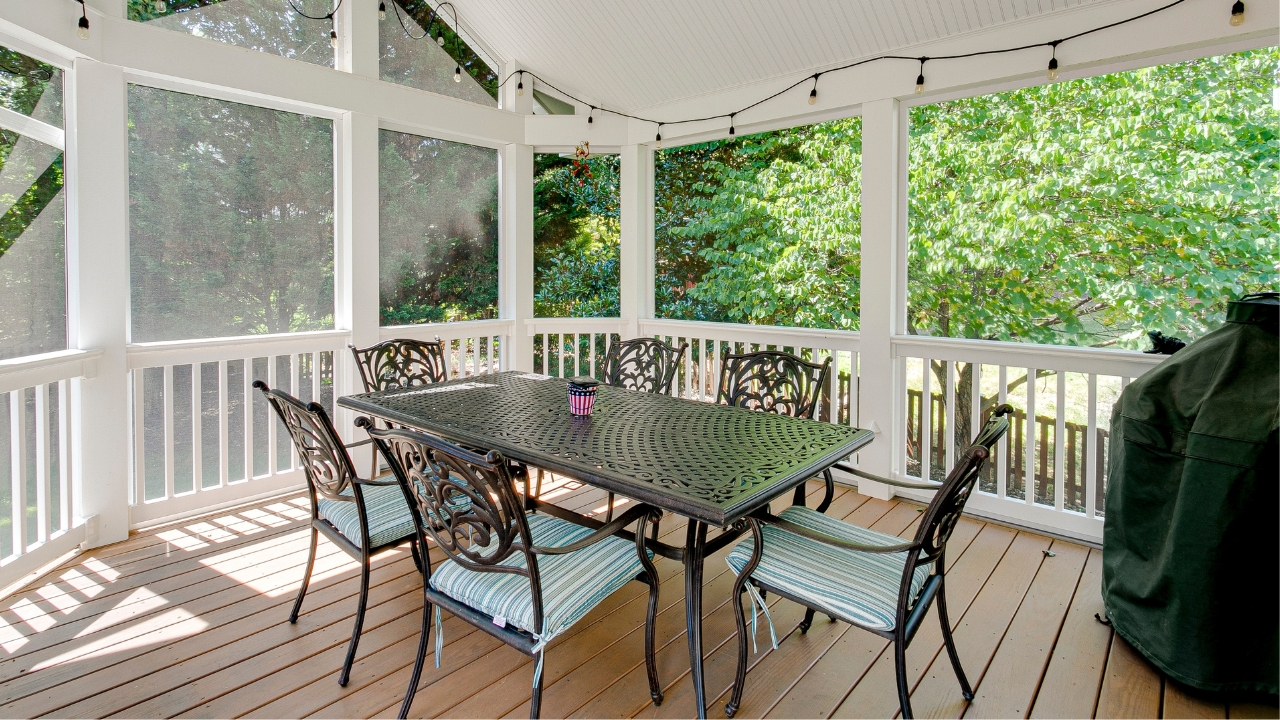
Patios, screened porches, and backyard dining were staples.
Our parents knew the value of extending living space outdoors. Even a small patio set or porch swing makes a home feel bigger. The trend toward outdoor kitchens and cozy backyard setups proves this old trick never went out of style.
Using Area Rugs to Define Spaces
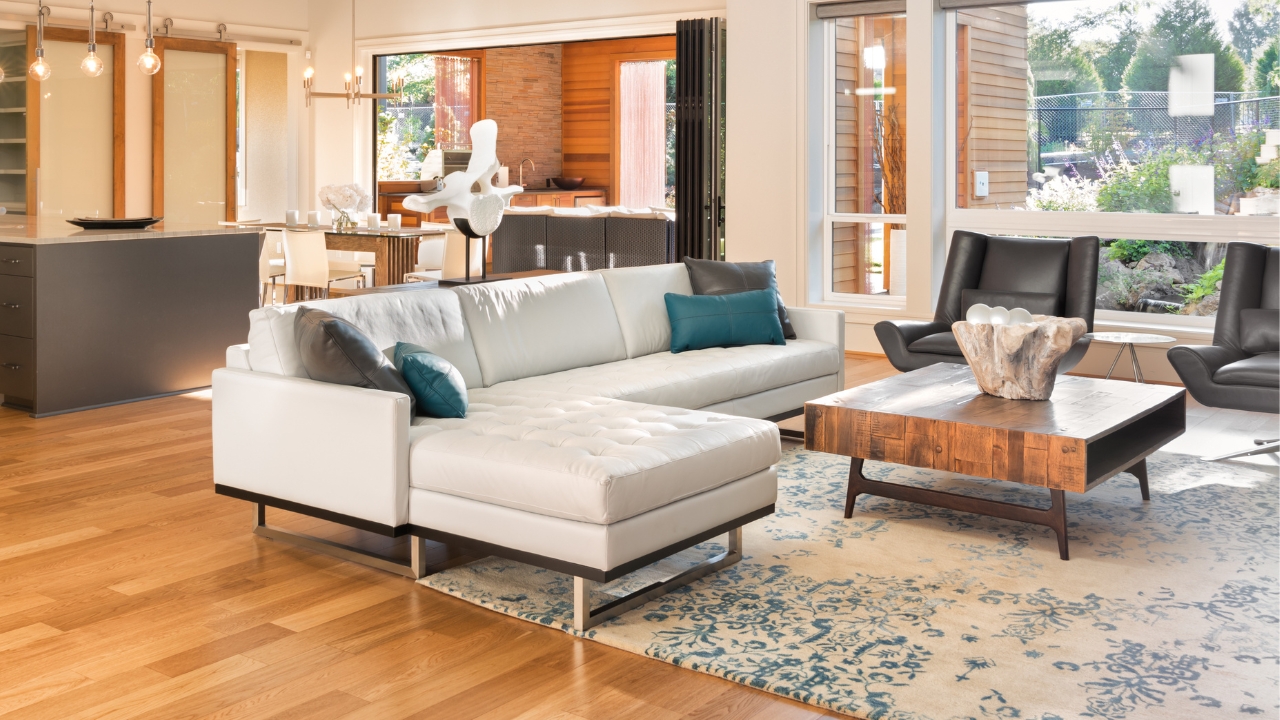
Before open-concept became the norm, parents used rugs to make each space feel distinct.
That trick works even better in today’s wide-open layouts. Rugs add warmth, reduce noise, and visually “ground” furniture, keeping spaces from looking scattered.
Functional Entryways

Our parents often had hooks, benches, or catch-all tables by the front door.
These weren’t fancy mudrooms, but they worked. Having a place to drop shoes, bags, and keys keeps the mess from spreading. Even small entry setups make daily life smoother.
Classic Neutral Walls
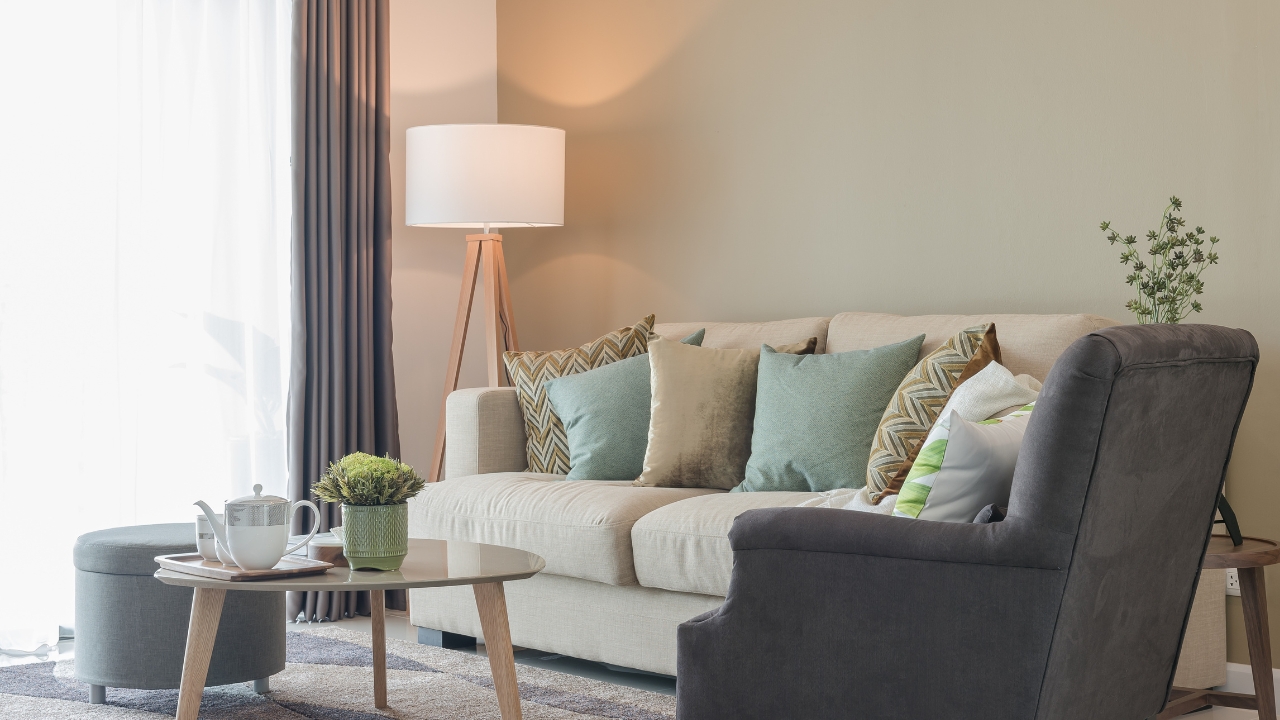
Beige and off-white might seem boring, but they were smart.
Those walls made it easy to change decor without repainting. Today, you’ll see the same principle with greige, taupe, and cream tones—timeless colors that keep a house looking fresh longer.
Double-Duty Furniture
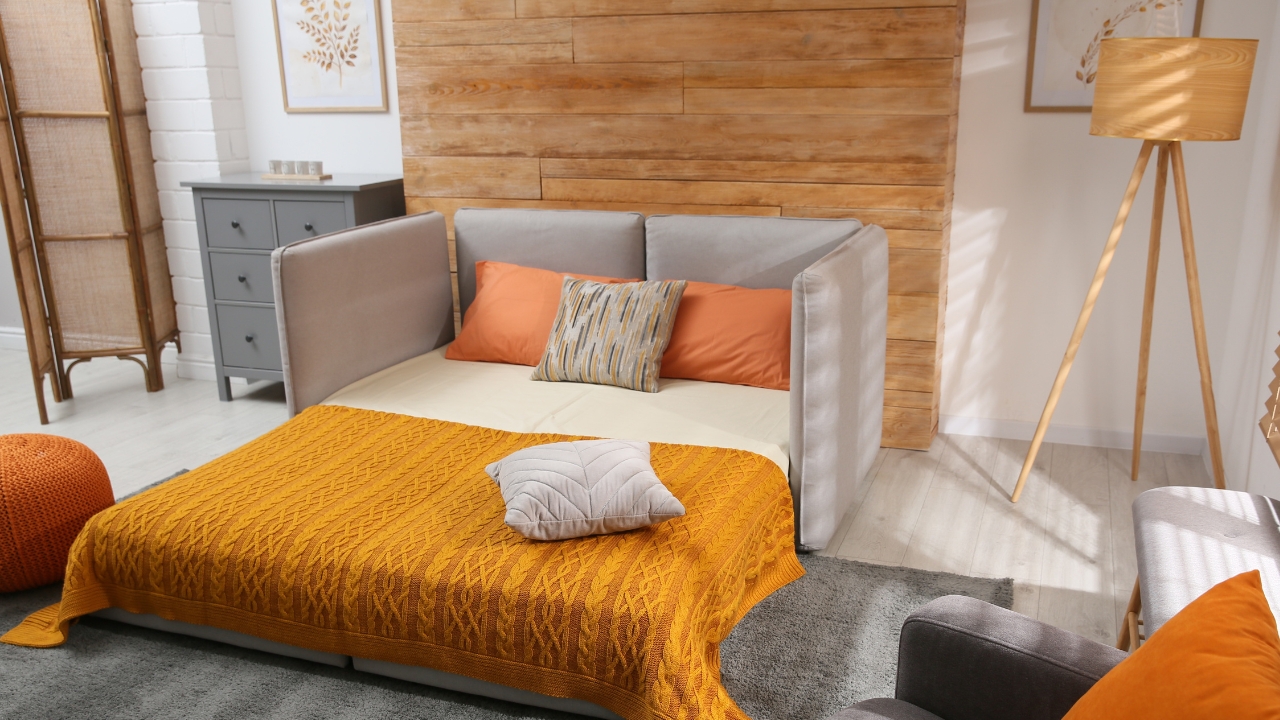
Daybeds, sofa beds, and expandable tables were common in family homes.
They made small spaces work harder, and that trick is still smart for today’s downsized houses. Furniture that adapts to guests or kids growing up will always be practical.
Focusing on Durability

Parents often chose materials that could take a beating.
Linoleum floors, washable slipcovers, and durable upholstery weren’t glamorous, but they lasted. The idea of choosing materials for how they perform, not just how they look, is still one of the best lessons to borrow.
*This article was developed with AI-powered tools and has been carefully reviewed by our editors.