10 everyday habits that make your bills higher than they should be
Photo credit: Steve Cukrov/Shutterstock.com
It’s not always the big-ticket items that send your bills through the roof. Most of the time, it’s small daily habits that pile up without you noticing. These are the common mistakes that quietly add dollars to your monthly expenses.
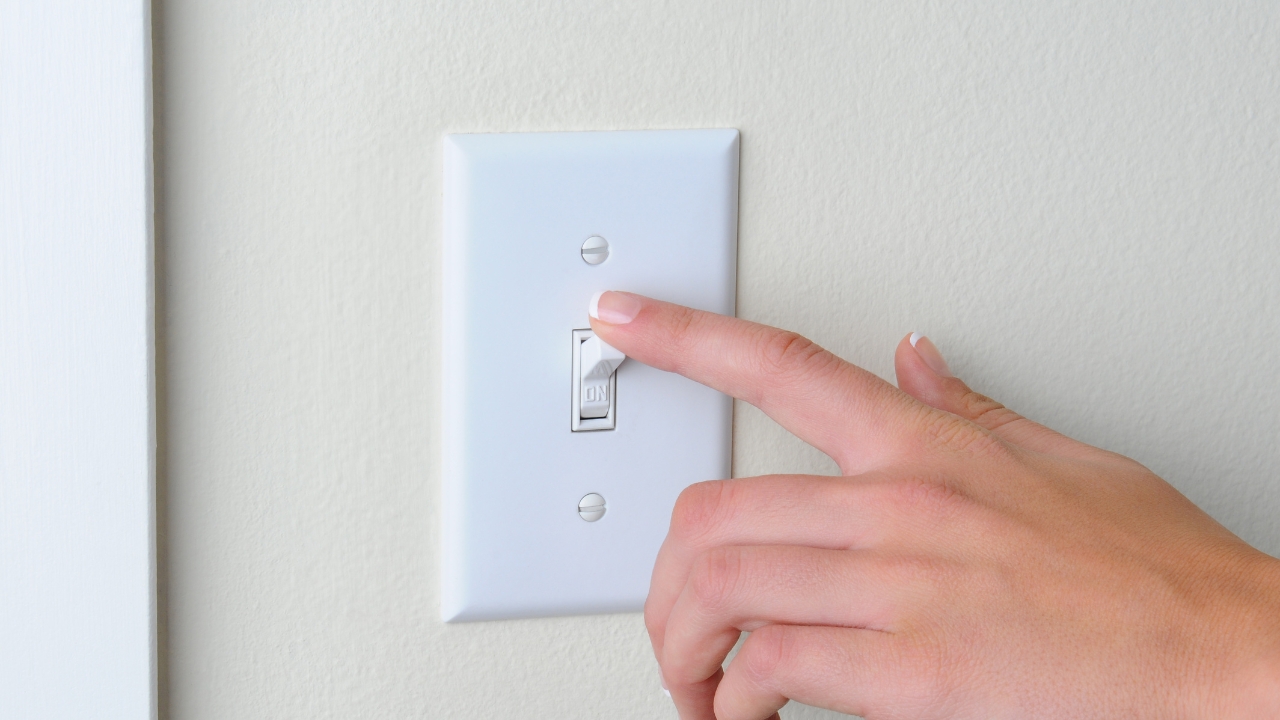
Leaving Lights On

It seems harmless to leave lights on, but it adds up.
Even energy-efficient bulbs cost money to run when they’re burning all day. Walking out of a room without flipping the switch is one of the easiest ways to waste electricity. Over time, that small habit can add several dollars a month to your bill. Training yourself and your family to turn off lights is one of the cheapest fixes you can make.
Running Half-Empty Loads
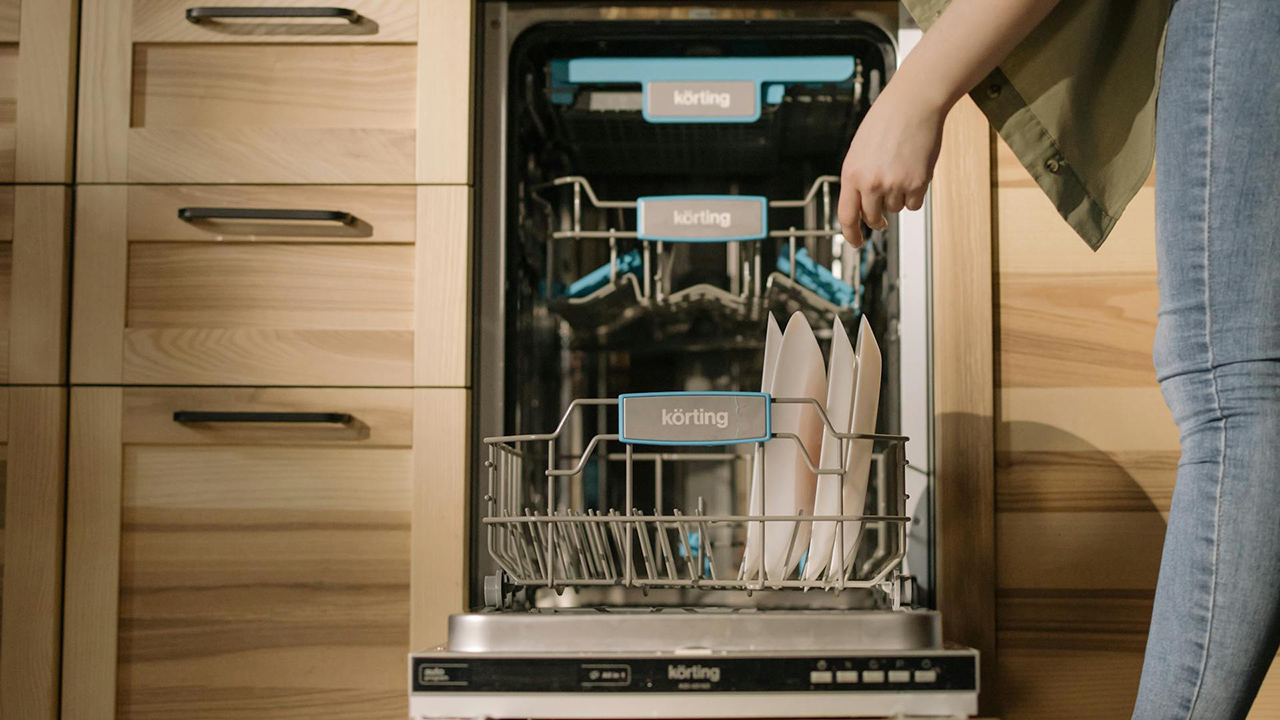
Dishwashers and washing machines use nearly the same energy whether they’re full or not.
Running them half-empty means you’re paying for water, detergent, and electricity more often than necessary. It also puts extra wear and tear on your appliances, leading to costly repairs down the road. Waiting until you have a full load not only saves money but also stretches the life of your machines.
Ignoring Drafts Around Windows and Doors
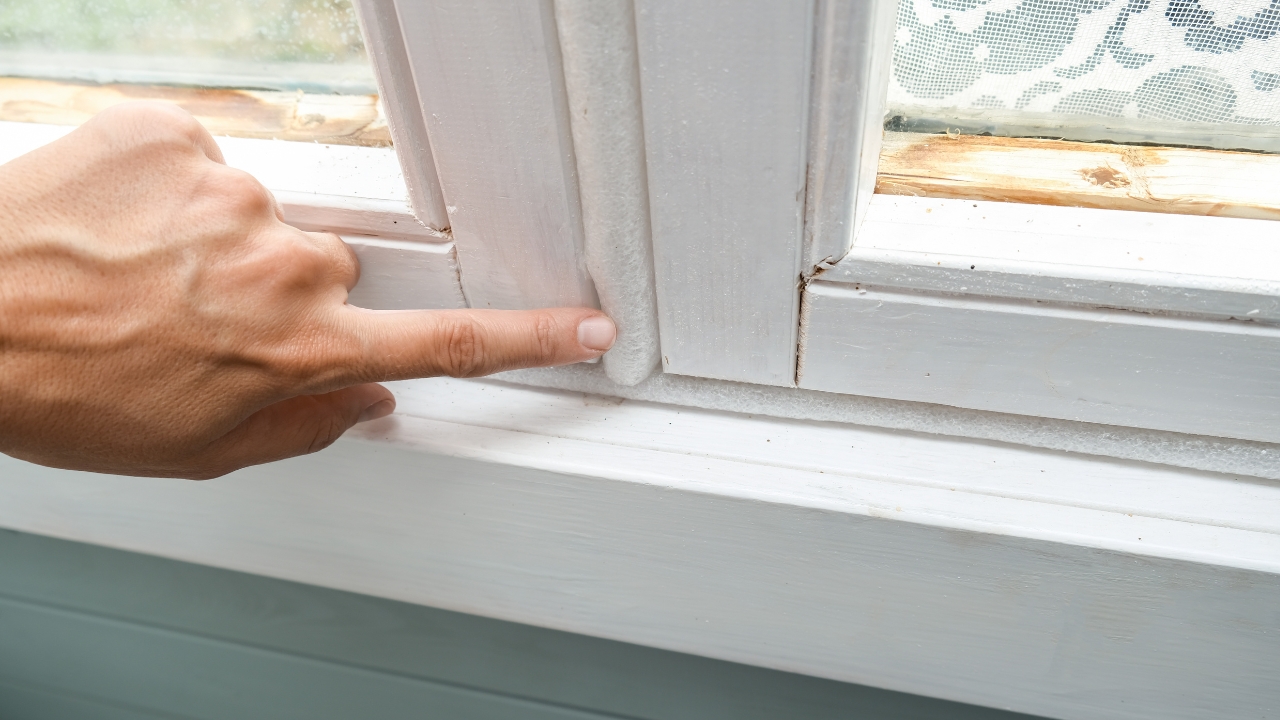
Even small drafts can spike your heating and cooling bills.
If you feel air coming in around windows or doors, you’re basically paying to heat or cool the outdoors. Draft stoppers, caulk, or weatherstripping are cheap fixes that make a noticeable difference. Ignoring those gaps is like throwing money out the window every month.
Cranking the Thermostat

Pushing the thermostat higher in winter or lower in summer doesn’t heat or cool your house faster.
It only makes your system run longer than necessary, driving up your energy bill. A two-degree difference can add or subtract a significant amount from your monthly costs. Using a programmable thermostat can help regulate settings without you having to think about it.
Long Showers

Water heaters work overtime when showers run too long.
Every extra minute uses more hot water, which costs money to heat. If you live in a household with multiple people, those extra minutes add up quickly. Cutting showers by just five minutes per person can save dozens of gallons of hot water each week, reducing both water and energy bills.
Keeping Electronics Plugged In
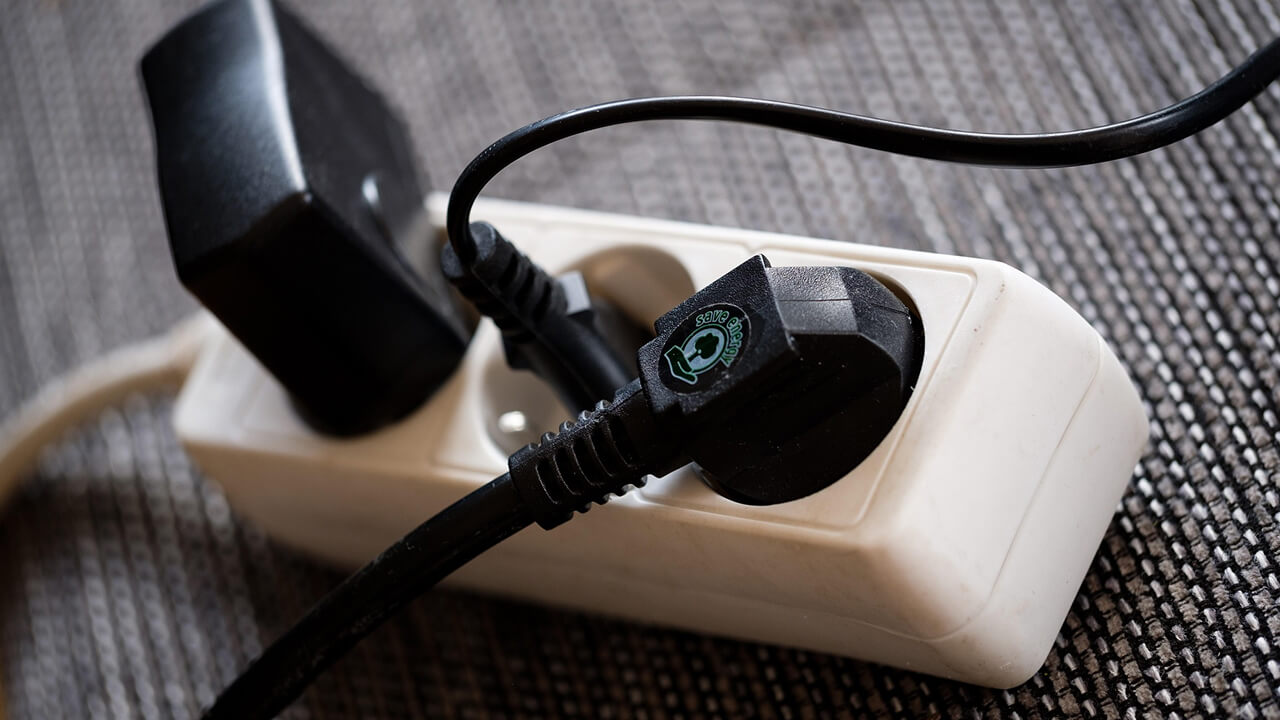
Chargers, TVs, and even coffee makers draw power when plugged in—even if they’re off.
This “phantom load” can account for a noticeable chunk of your monthly bill. Using a power strip or unplugging items when not in use cuts off that hidden drain. It’s one of those habits that feels minor but makes a difference when you see your bill shrink.
Using Old Appliances
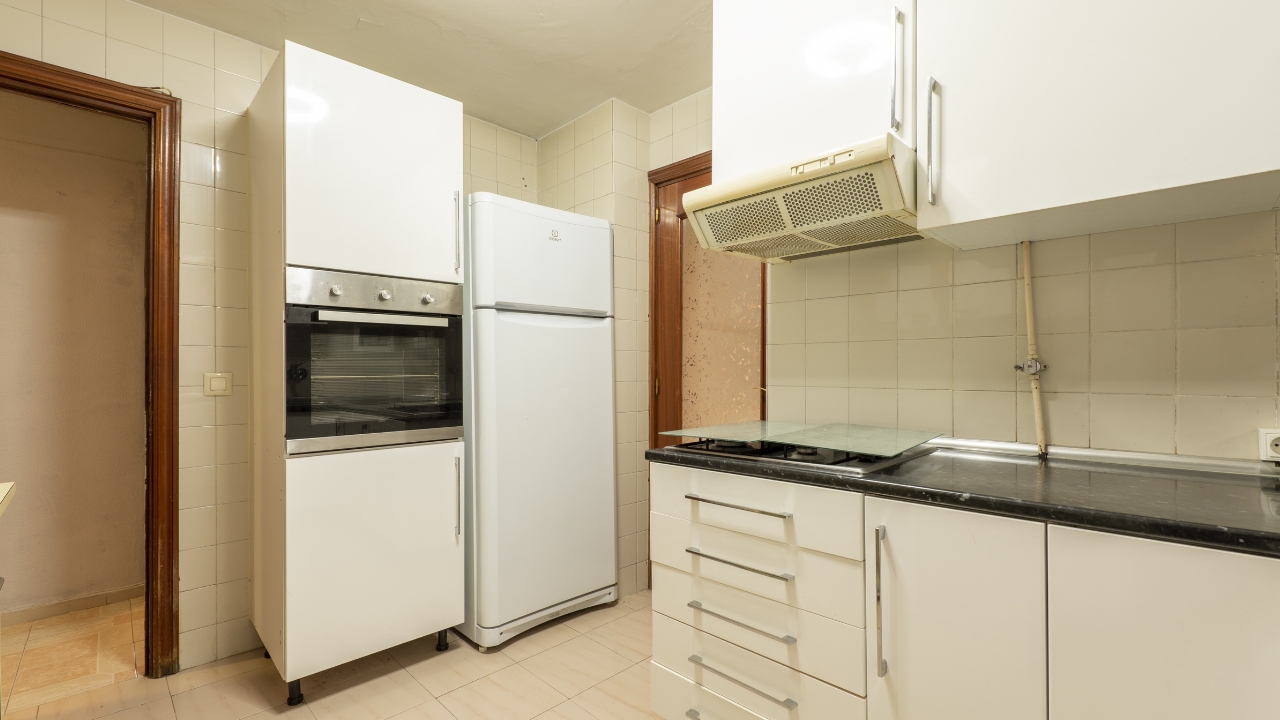
Outdated appliances can double your energy use.
Old fridges, washers, or dryers weren’t built with today’s efficiency standards. They may still work, but they cost more to run every single day. Upgrading to an Energy Star-certified appliance is an investment that pays itself back through lower bills in just a few years.
Overwatering Lawns

Running sprinklers daily isn’t just a waste of water—it’s expensive.
Most lawns only need about an inch of water a week, not daily soaking. Watering too much doesn’t make grass healthier; it weakens roots and raises your water bill. Installing a timer or watering in the early morning can help you use less without sacrificing a green yard.
Keeping the Fridge Too Warm or Too Cold
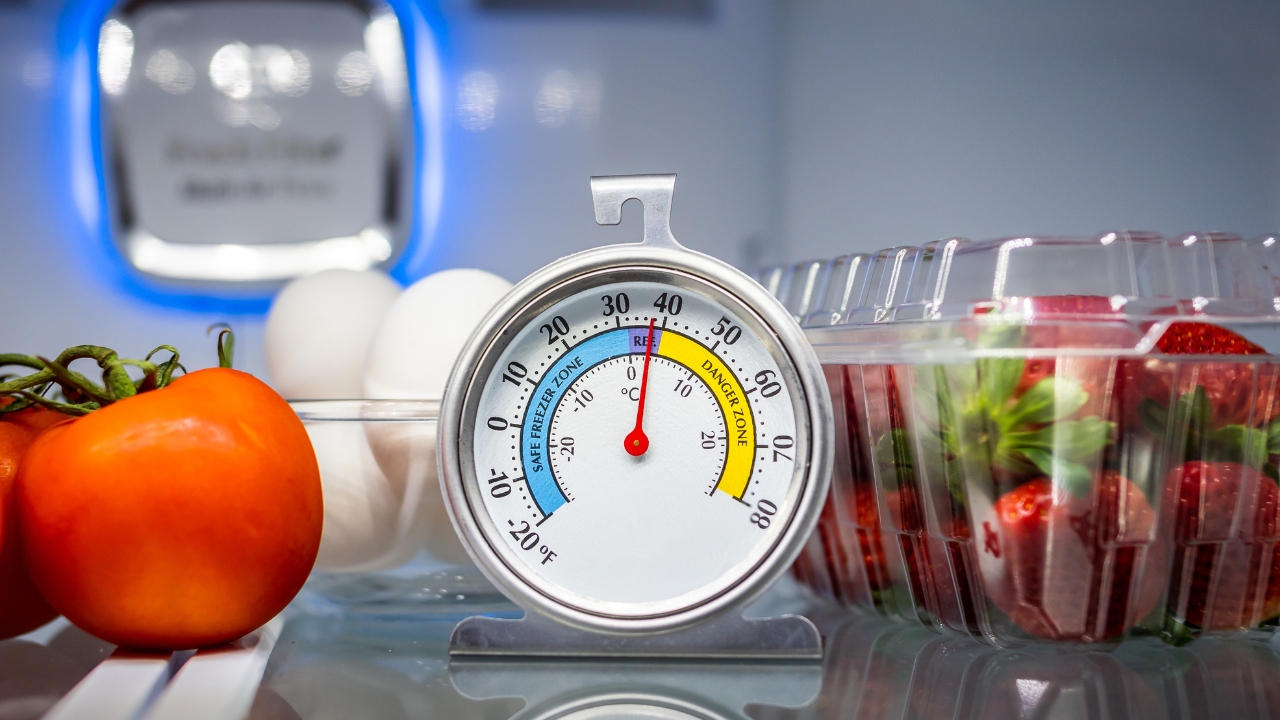
Your refrigerator’s setting matters more than you think.
Too cold, and it runs longer than necessary. Too warm, and food spoils faster—leading to wasted groceries. The ideal fridge temp is between 37–40°F. Checking and adjusting it keeps your food safe while lowering how hard your appliance has to work.
Using Space Heaters Carelessly
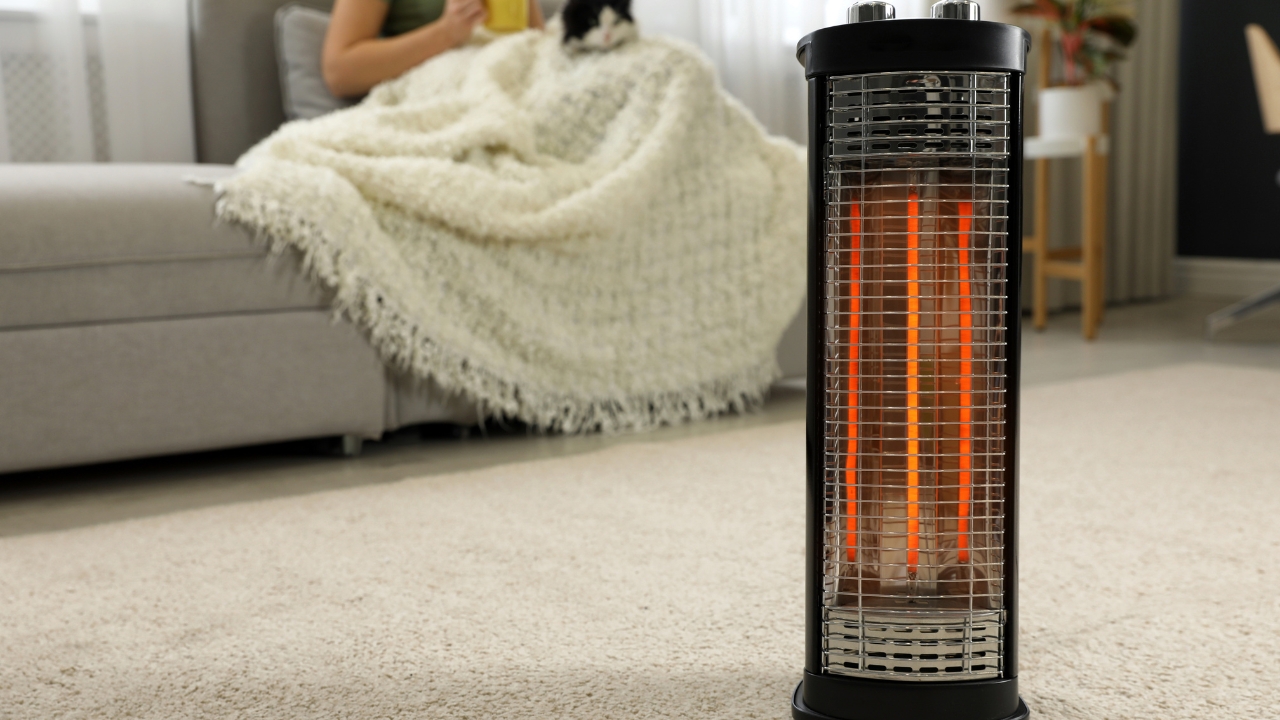
Space heaters seem cheaper than heating the whole house, but they’re not.
Running one for hours can skyrocket your electric bill, especially if it’s not an energy-efficient model. They should be used sparingly and only in occupied rooms. Relying on them as your main heat source costs more in the long run than maintaining your central system properly.
*This article was developed with AI-powered tools and has been carefully reviewed by our editors.