10 Things That Make Bedrooms Harder to Relax In
Photo credit: Prostock-studio/Shutterstock.com
Your bedroom should be the easiest room in the house to unwind in, but plenty of design choices and habits work against that. The good news is that most of them are quick to fix. When you know what gets in the way of rest, you can turn your bedroom into the calm, restorative space it’s supposed to be.
Bright Overhead Lighting
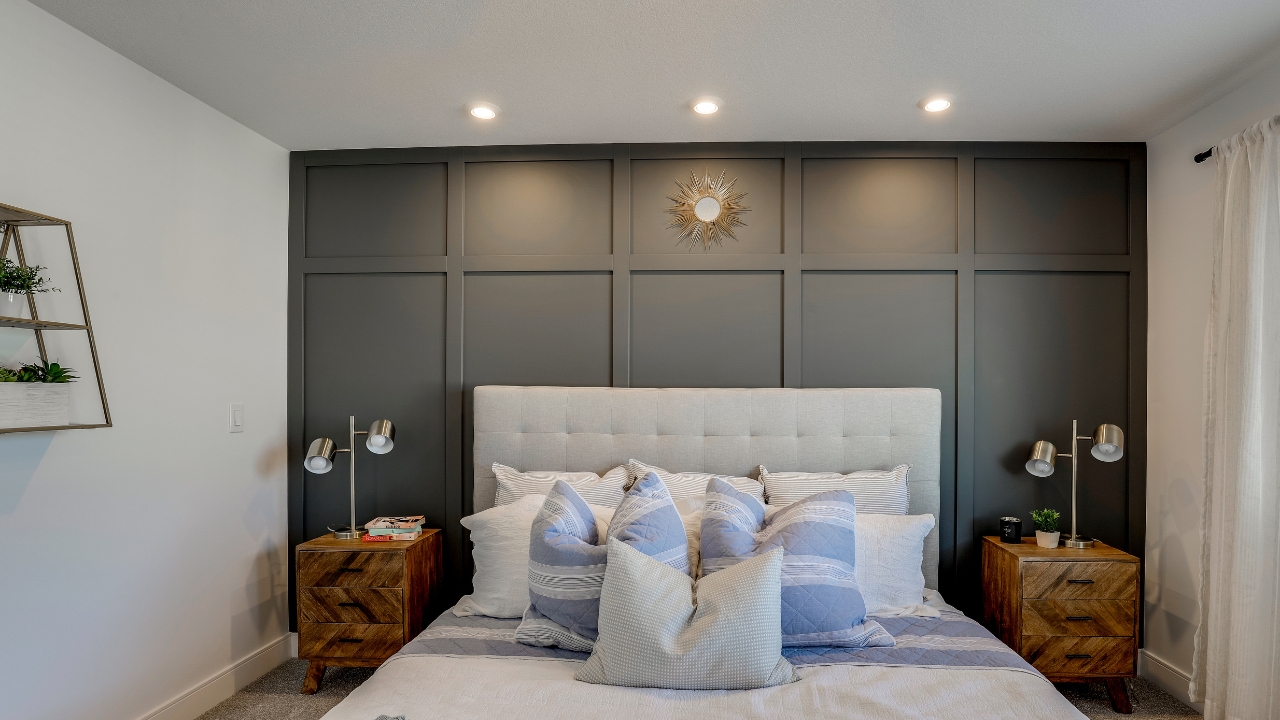
Harsh overhead lighting makes it difficult to wind down at night. Even if you’re ready for bed, bright bulbs signal your body to stay alert. Swapping overheads for warm bedside lamps or adding dimmable switches gives you softer light when you need it. That small change helps your mind shift into rest mode instead of feeling like you’re still in the middle of the day.
Too Much Clutter
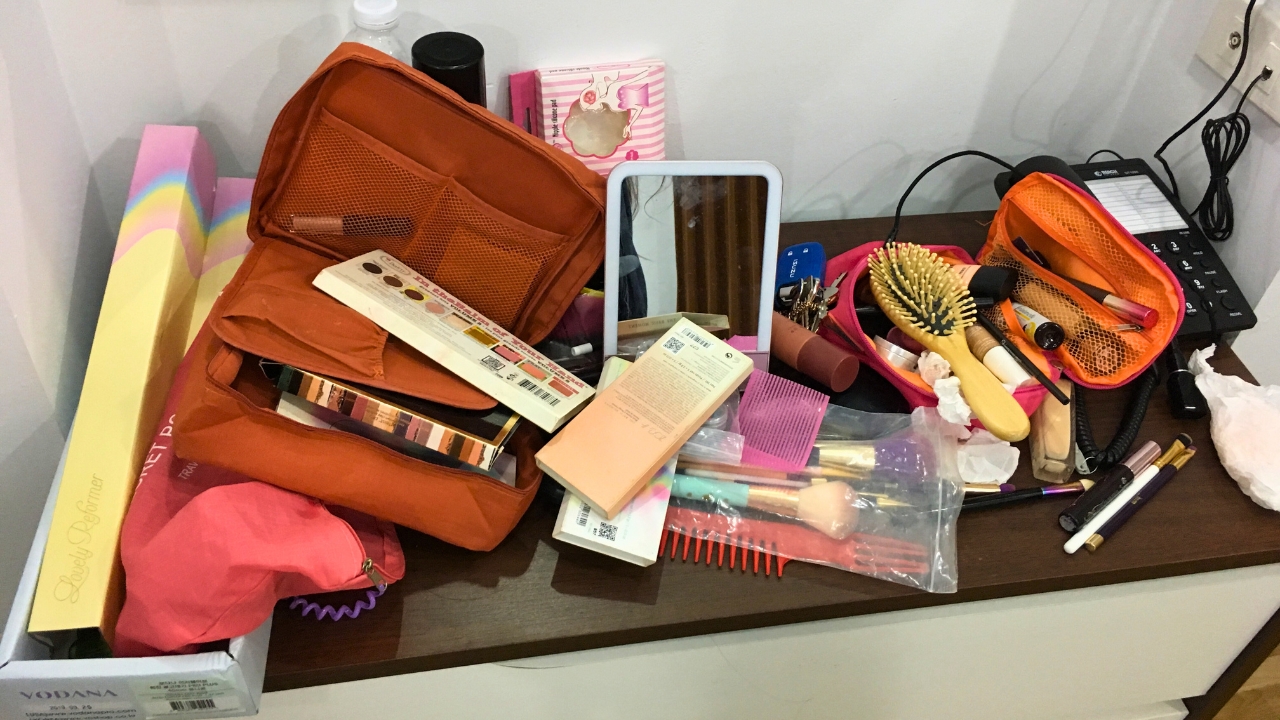
Piles of clothes, stacks of books, and random items scattered around add stress whether you realize it or not. Clutter makes your brain feel busier, which is the opposite of relaxing. Keeping surfaces clear, storing items in baskets or drawers, and decluttering regularly creates a calmer environment where your focus is on resting instead of cleaning.
Bright or Busy Wall Colors
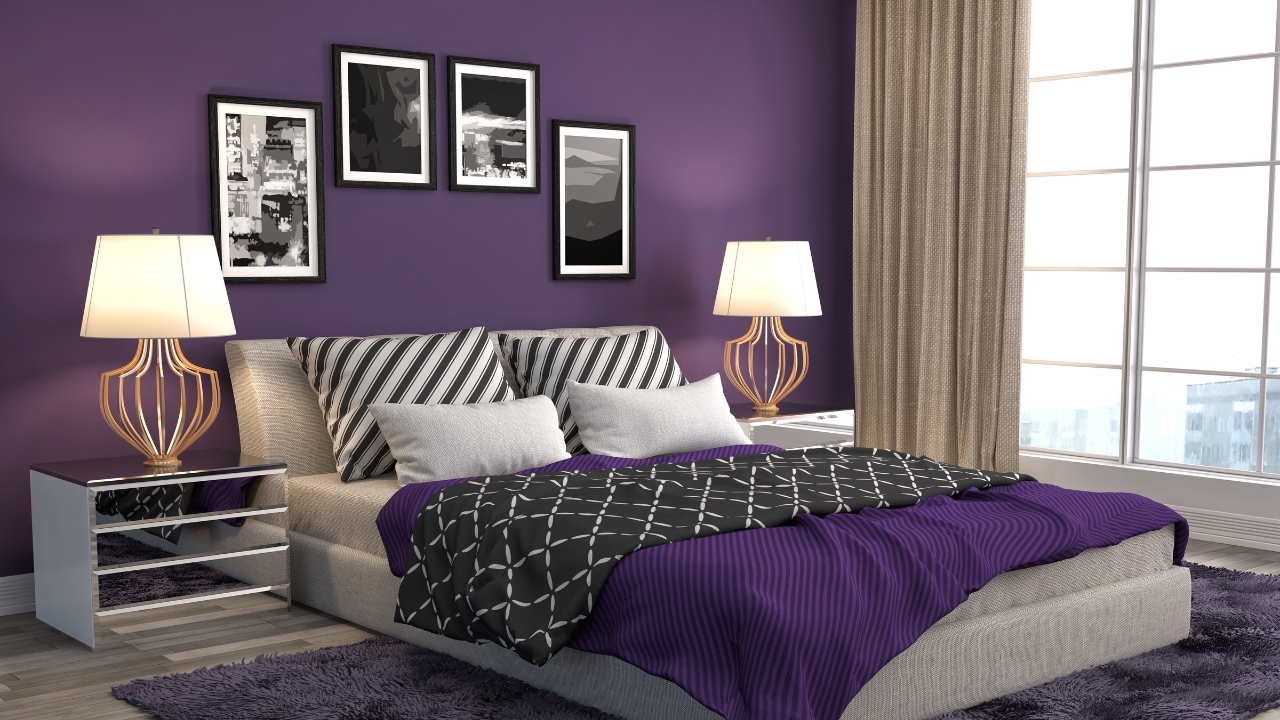
Bold, high-energy wall colors make it harder to feel relaxed. Shades like neon or overly saturated reds are stimulating, which isn’t ideal in a bedroom. Neutral tones, soft blues, greens, or muted earth colors encourage calmness. Even if you like bold colors, saving them for accents instead of walls helps create a more restful atmosphere.
Electronics Everywhere

TVs, phones, and laptops might feel convenient, but they make it harder to truly rest. The constant notifications and blue light keep your brain active. Even if you fall asleep, electronics can cut into the quality of your sleep. Moving screens out of the bedroom or at least shutting them down before bed gives you a better shot at real rest.
Too Many Patterns Competing
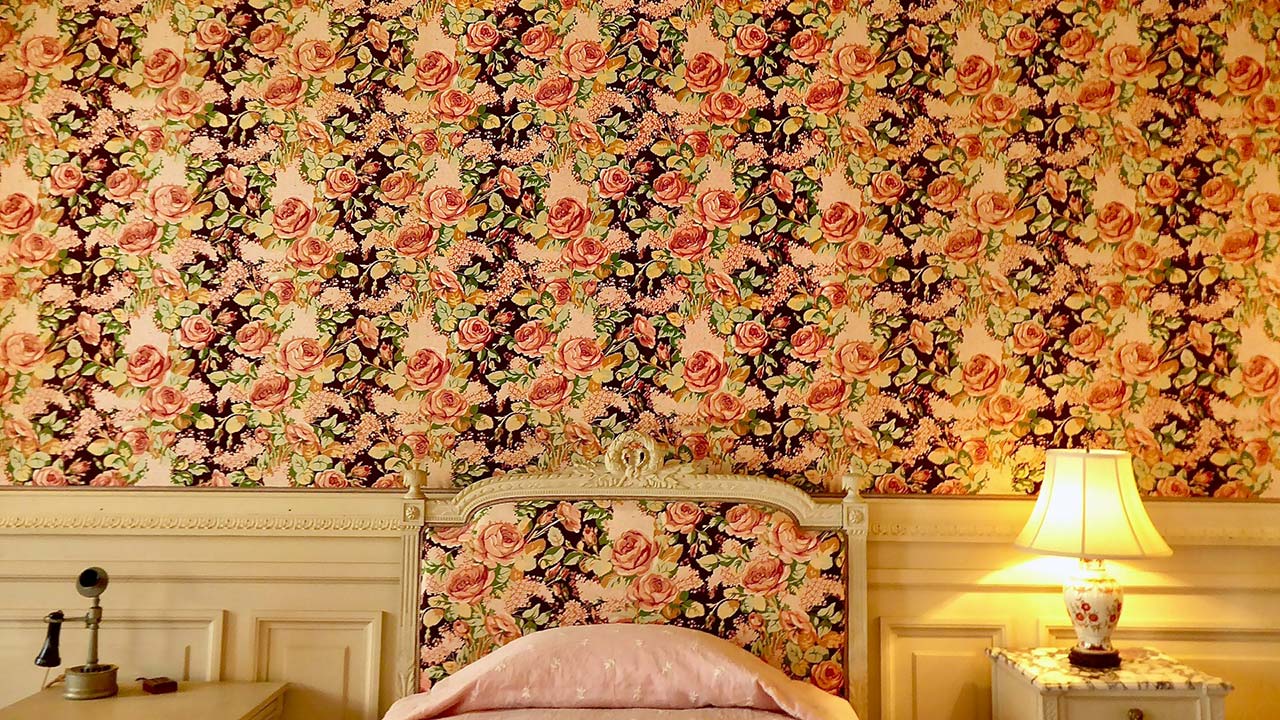
It’s easy to go overboard with bedding, curtains, rugs, and wall décor all fighting for attention. Too many patterns in one space feel chaotic instead of calm. Stick with one main pattern and balance it with solids or textures. When the room looks more pulled together, it’s easier to relax in it without feeling overstimulated.
Uncomfortable Bedding

Cheap pillows, old mattresses, or rough sheets make it impossible to feel comfortable. You spend a third of your life in bed, so quality bedding is worth it. Investing in a supportive mattress, breathable sheets, and pillows that match your sleep style makes the difference between tossing all night and actually waking up rested.
Bad Room Layout
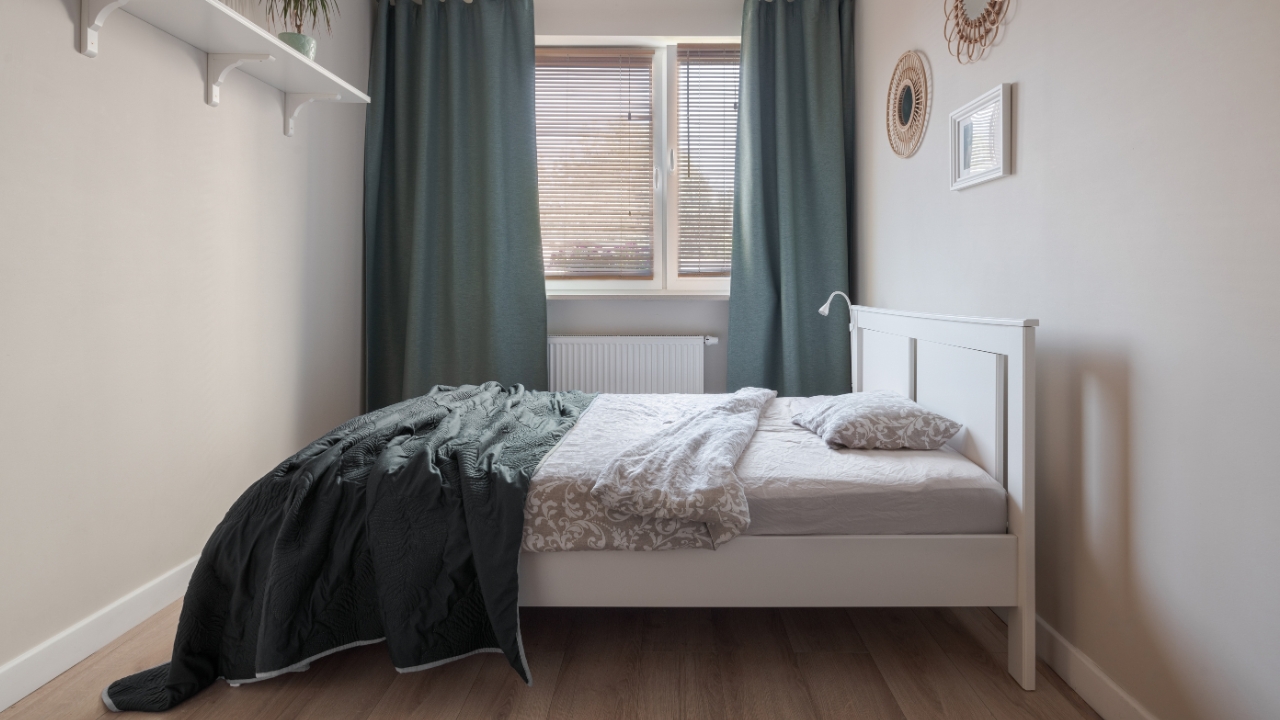
A bed squeezed into the wrong wall or furniture blocking walking paths makes the whole space feel off. When your bedroom layout doesn’t flow, you’re reminded of it every time you walk in. Placing the bed where it’s the focal point and keeping pathways clear helps the room feel balanced and more relaxing.
Wrong Curtains
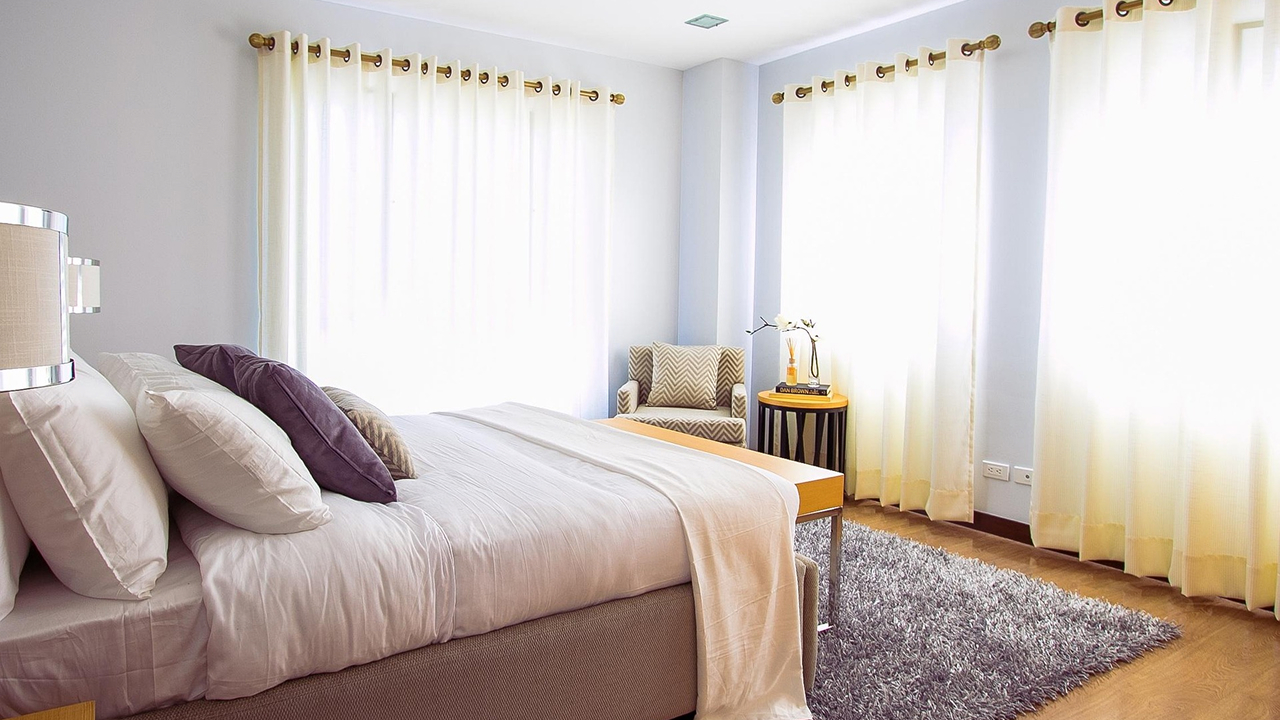
Thin curtains let in streetlights, early sun, or even headlights at night. All of that disrupts your sleep. Blackout curtains or layered window treatments keep the room dark when it needs to be. If you don’t want total darkness, opt for light-filtering shades that still block harsh light without making you feel closed in.
Uncontrolled Noise

Bedrooms near busy streets or noisy areas can feel impossible to relax in. Even small household noises can keep you up. White noise machines, fans, or thicker curtains help block sounds that keep your brain alert. Creating a quiet space, even if it takes a little effort, makes falling and staying asleep much easier.
Overcrowded Furniture
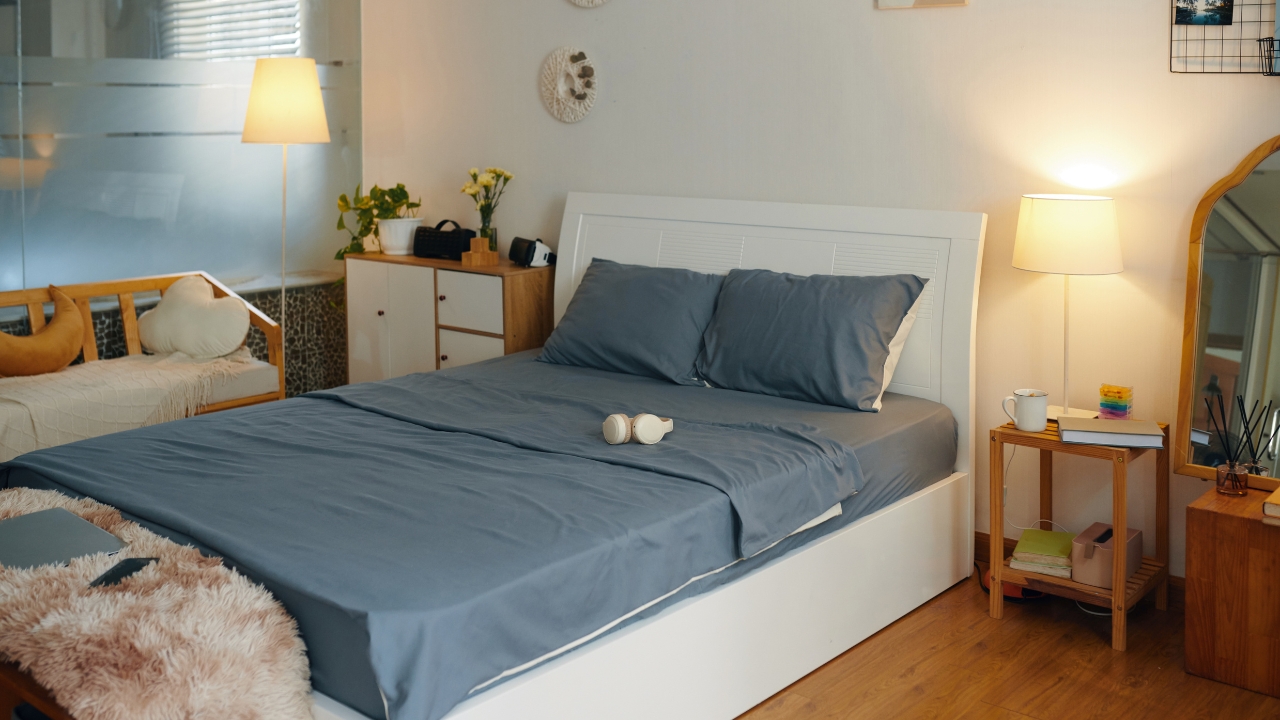
Stuffing too much furniture into a bedroom makes it feel cramped. The less open space you have, the less calm the room feels. Choosing only what you need — a bed, dresser, and maybe a chair — keeps it from feeling overwhelming. Open space is one of the easiest ways to make a room feel restful.
*This article was developed with AI-powered tools and has been carefully reviewed by our editors.