10 Secret Tricks Farmers Use to Grow Healthier Vegetables
Image Credit: Jacob Lund/ Shutterstock.
There’s more to growing vegetables than just sticking seeds in the ground and hoping for the best. Farmers have a whole set of tricks they rely on to keep their crops healthy and producing strong. Most of these methods aren’t flashy or complicated—they’re just smart habits that come from years of working the land.
If you want better yields and healthier plants, it helps to take a page from the folks who grow for a living. These 10 tricks can make a real difference in your garden, no matter the size.
Rotate Crops Every Season
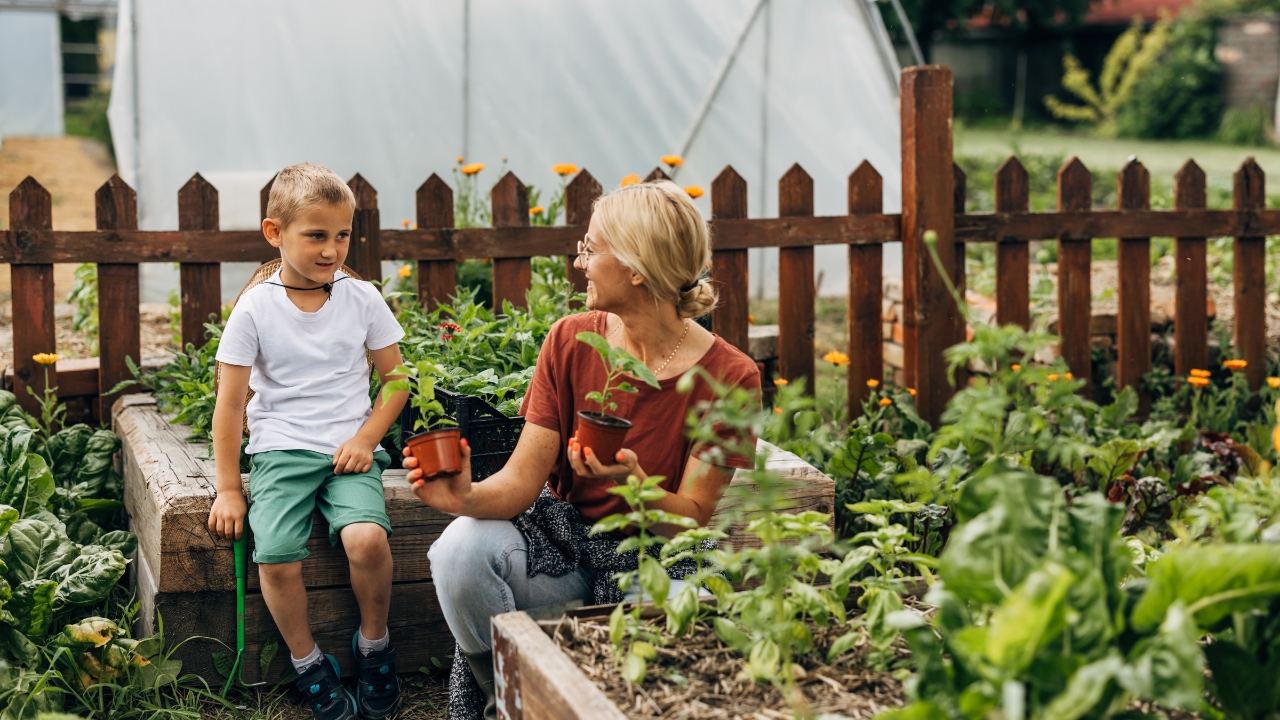
Keeping the same plants in the same spot year after year wears out your soil fast. Crop rotation helps break up pest cycles, cuts down on disease, and keeps your soil nutrients more balanced. It’s one of those behind-the-scenes habits that makes a real difference over time.
Even just swapping heavy feeders like tomatoes with lighter ones like beans can help. You don’t need a huge plot to rotate smart—just plan ahead and switch things up each season. Healthier soil leads to stronger plants. It’s that simple.
Add Compost, Not Just Fertilizer

Fertilizer can give plants a quick boost, but compost builds long-term soil health. It improves structure, holds moisture, and feeds beneficial microbes. That’s the stuff your vegetables actually thrive on—not just a shot of nitrogen.
Most farmers keep a compost pile going year-round. Kitchen scraps, animal bedding, yard clippings—it all goes in. You don’t need fancy gear, just consistency. Over time, composting gives your garden what store-bought fertilizers never will: healthy, living soil that keeps producing season after season.
Use Row Covers for Pest Control
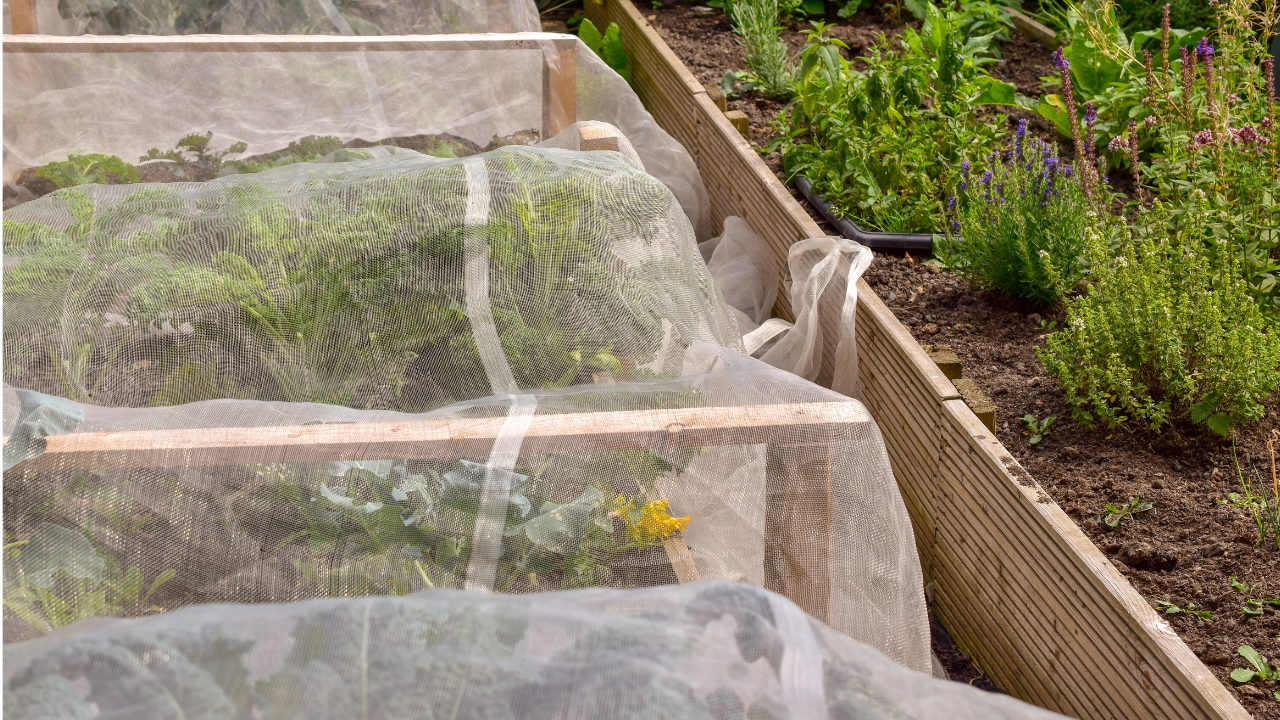
Instead of reaching for pesticides, a lot of experienced farmers rely on row covers. These lightweight fabric covers keep out bugs without choking your plants. They also help hold in warmth on chilly nights and block harsh sun when needed.
They’re especially useful for things like cabbage, squash, and carrots—anything bugs love to tear up. Just be sure to uncover them for pollination when the time’s right. It’s a simple trick that saves a lot of trouble down the road.
Water Deep, Not Often
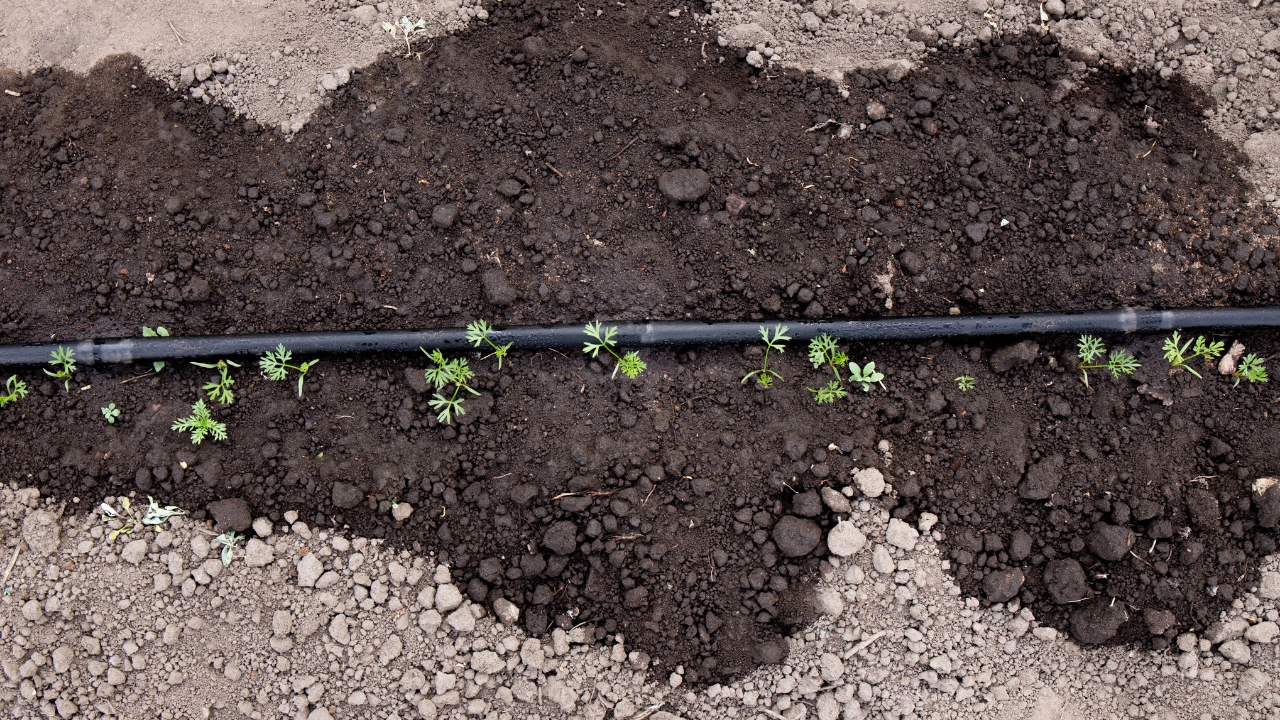
A common mistake is watering too often but too shallow. That just encourages weak roots that stay near the surface. Farmers know it’s better to water deeply and less frequently to train those roots to grow strong and deep.
Use a slow trickle or soaker hose to let the water really sink in. Then let the top layer dry out a bit before watering again. This helps the plant handle heat, dry spells, and transplant shock a whole lot better.
Plant Flowers Nearby

You’ll see a lot of farmers planting marigolds, sunflowers, and other blooms near their vegetables. It’s not just for looks. Flowers attract pollinators and beneficial bugs like ladybugs and parasitic wasps that keep the bad bugs in check.
It also helps keep your garden ecosystem balanced. More pollinators means better fruit production, and fewer pests means healthier leaves and roots. It’s a win all around, and honestly, it makes your garden a better place to work, too.
Test Your Soil Regularly
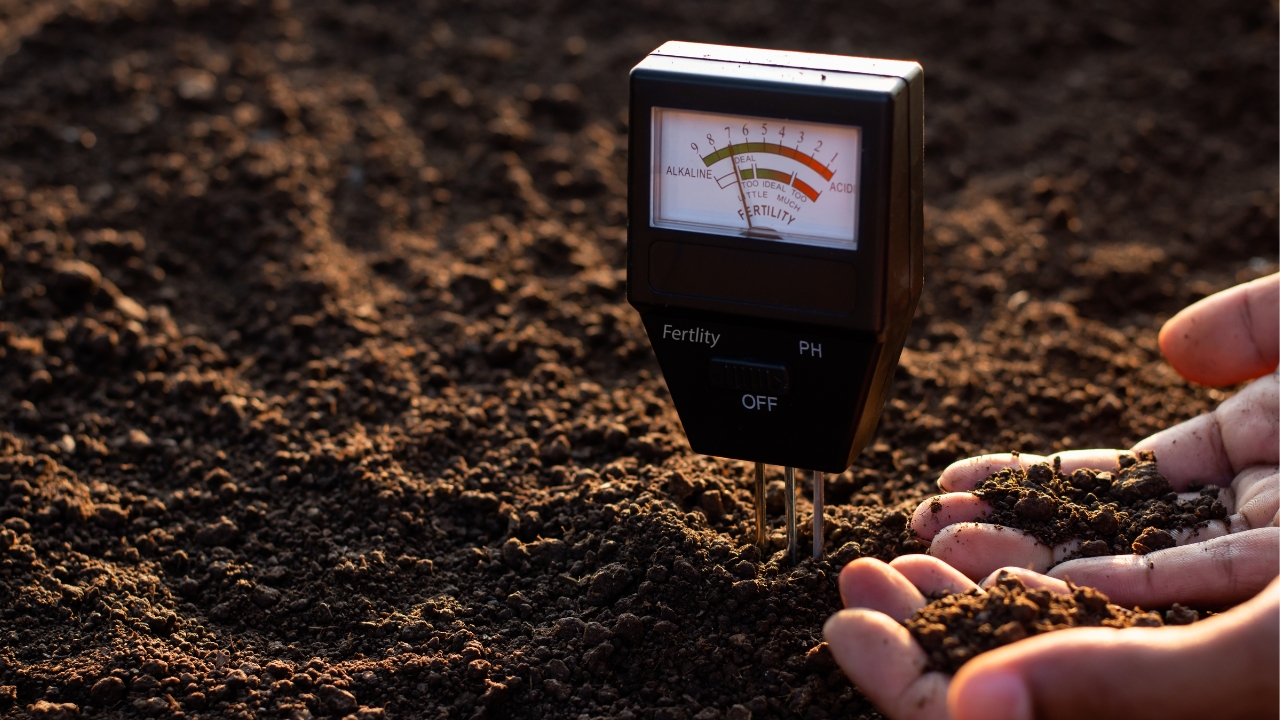
Guessing what your soil needs is like guessing how much oil to put in your truck. Farmers test their soil, plain and simple. It tells them exactly what nutrients are low, what’s too high, and whether their pH is off.
Once you know what you’re working with, you can fix it without overdoing it. Most extension offices offer cheap tests, and there are DIY kits if you’re in a pinch. It’s one of the easiest ways to stop wasting time and money in the garden.
Mulch the Right Way

A lot of folks throw down mulch and call it good, but farmers use it smart. Mulch keeps moisture in, blocks weeds, and regulates soil temperature. But it needs to be the right kind and applied the right way.
Straw, wood chips, or even grass clippings can work depending on the crop. Just don’t pile it up against the plant stems—that traps moisture and causes rot. Keep it a couple inches back and lay it down thick enough to matter.
Time Your Planting With the Moon

Some farmers still swear by planting based on moon phases—and it’s not just old folklore. There’s a rhythm to nature, and many have seen better germination and growth when planting during certain lunar cycles.
Generally, above-ground crops do better when planted during the waxing moon, while root crops do better during the waning moon. It’s not magic—it’s just paying attention to patterns that have worked for generations. Can’t hurt to try, and you might notice a real difference.
Start Seeds Indoors for a Head Start

Getting a jump on the season gives your plants more time to mature and produce. Farmers often start seeds indoors in trays or small pots, then transplant once the weather’s right. It’s especially helpful in places with short growing seasons.
Just make sure they get enough light and aren’t too crowded. Harden them off before planting outside so they don’t get shocked. A little prep early on leads to bigger, healthier harvests down the line.
Prune for Airflow and Strength

Letting your plants grow wild might seem natural, but overcrowded leaves invite disease and pests. Farmers know how important airflow is. Pruning helps light reach more of the plant and keeps things dry, which cuts down on mildew and rot.
Tomatoes especially benefit from regular pruning. Take off the suckers and keep the base clean. You’re not hurting the plant—you’re helping it focus energy where it matters: on strong fruit and healthy growth.
Like Fix It Homestead’s content? Be sure to follow us.