10 low-maintenance animals for beginner homesteads
Photo credit: CardIrin/Shutterstock.com
Starting a homestead doesn’t mean you have to dive right into high-maintenance livestock. Some animals are easier to care for, need less specialized housing, and still give you plenty of benefits — whether that’s eggs, meat, milk, or pest control.
These options are a good starting point if you want to ease into raising animals without getting overwhelmed.
Chickens

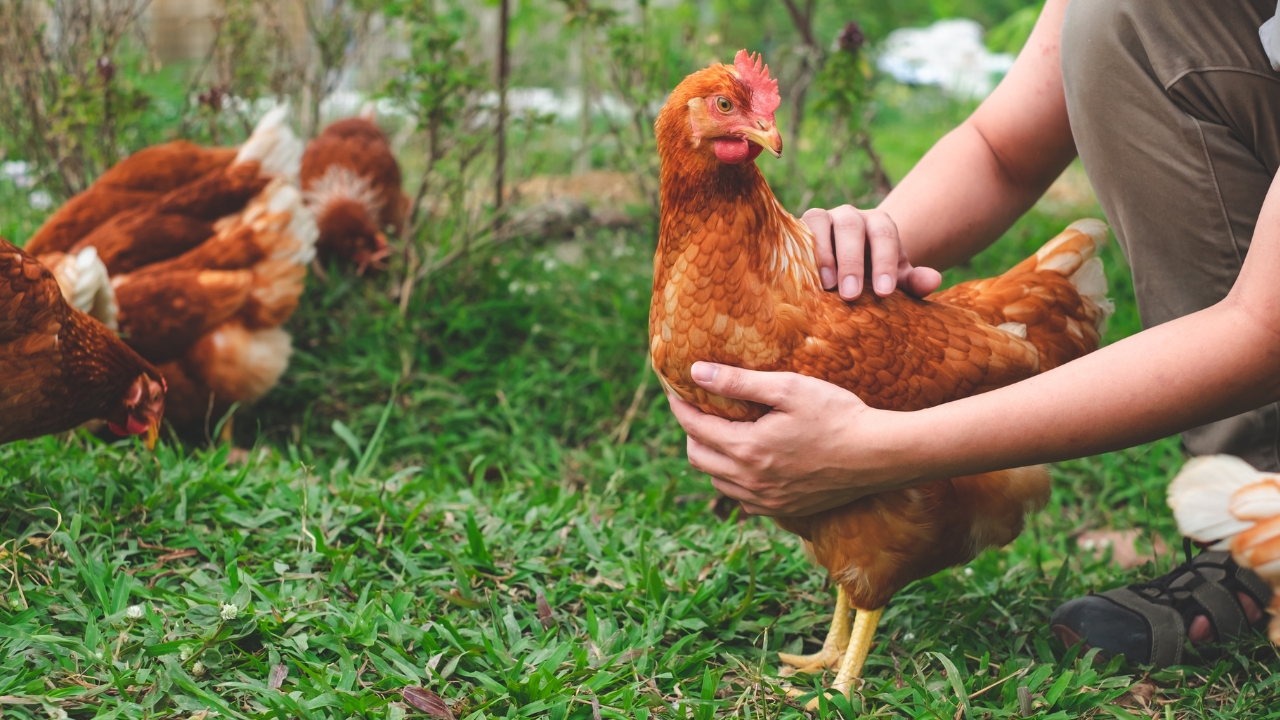
Chickens are one of the easiest livestock animals to keep. They provide eggs, meat, and natural pest control.
They don’t need much space and can thrive in both free-range and coop setups.
Ducks
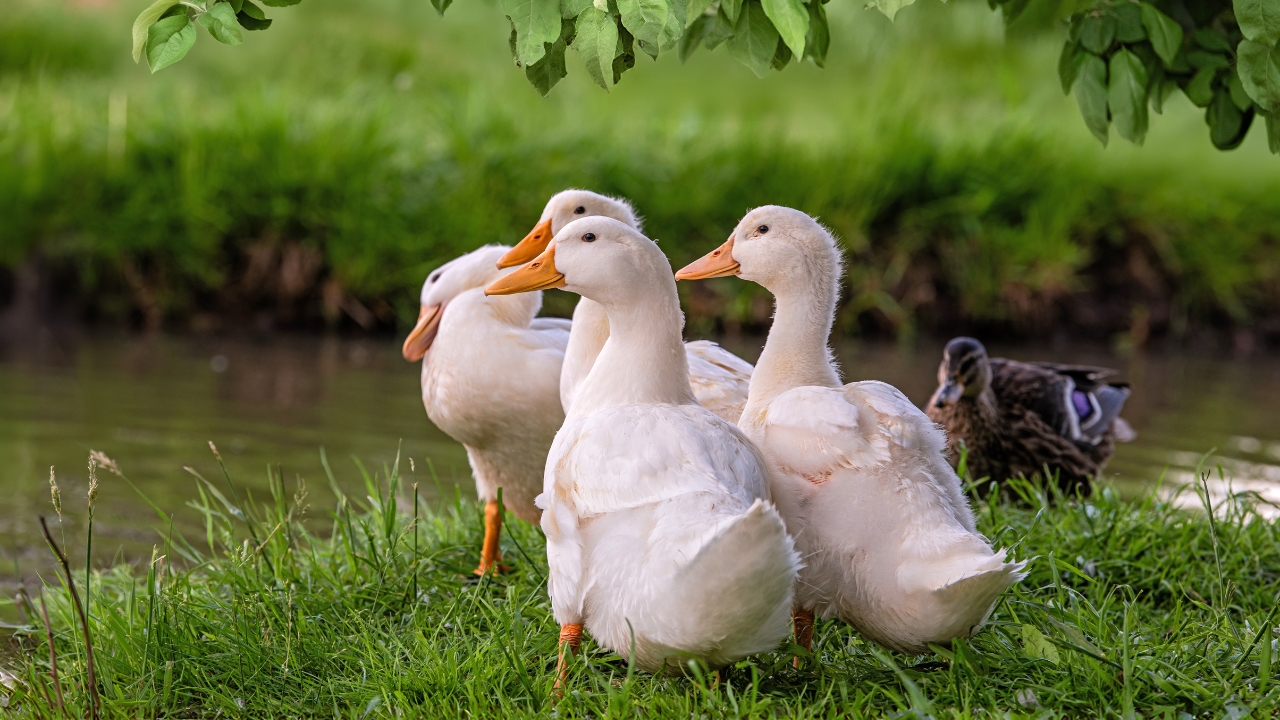
Ducks are hardy, adaptable, and great for pest control. Many breeds also lay a good number of eggs.
They need a water source, but it can be as simple as a small pool.
Rabbits
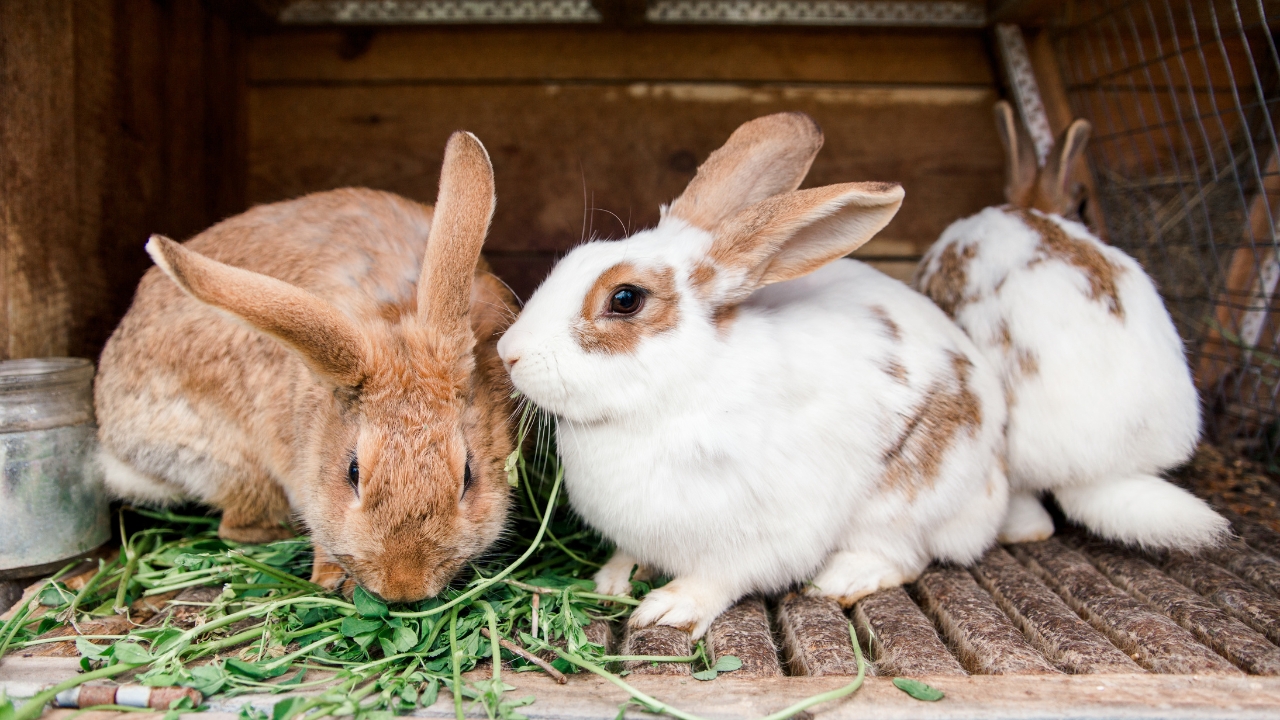
Rabbits are quiet, take up little space, and can be raised for meat or fiber.
They reproduce quickly and require minimal housing compared to larger livestock.
Goats

Small dairy or meat goats are manageable and versatile. They can provide milk, meat, and brush control.
They do best with secure fencing and basic shelter.
Quail
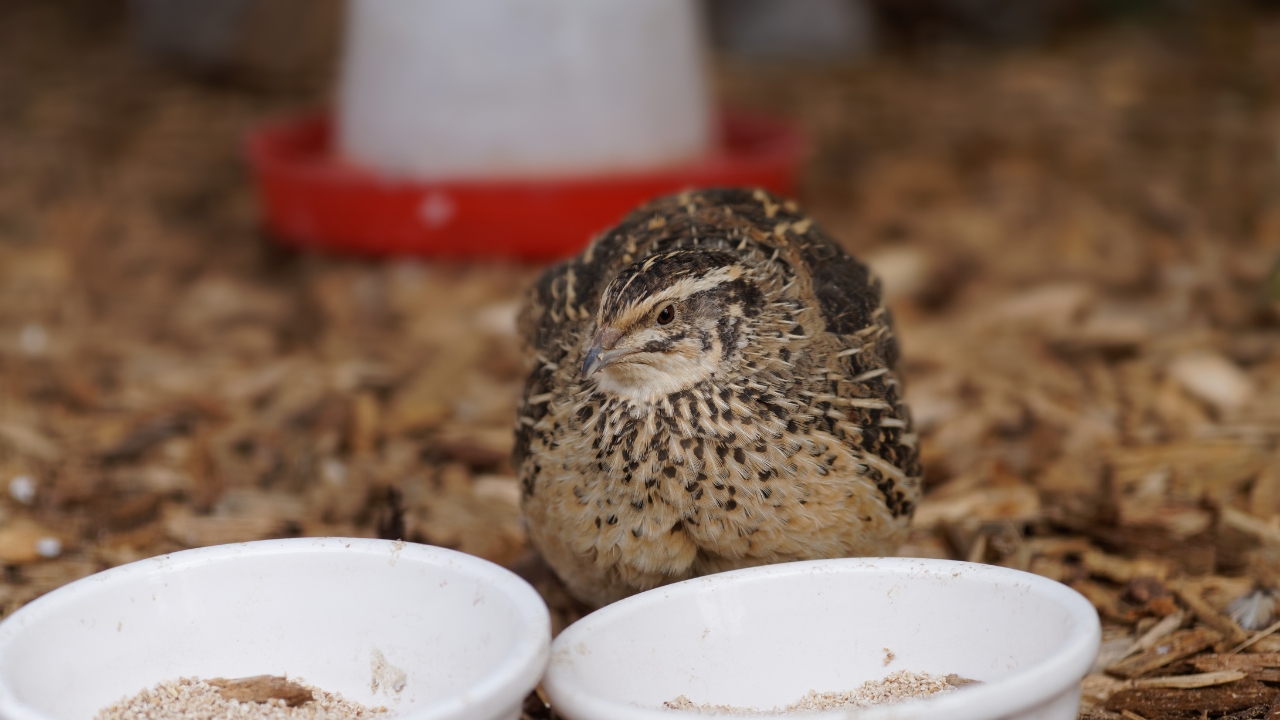
Quail take up very little space and mature quickly, providing both eggs and meat.
They’re quiet compared to chickens, making them a good option for smaller properties.
Bees

Bees produce honey, wax, and help pollinate crops. They require little day-to-day care once established.
They do need seasonal maintenance and protection from pests.
Guinea Fowl
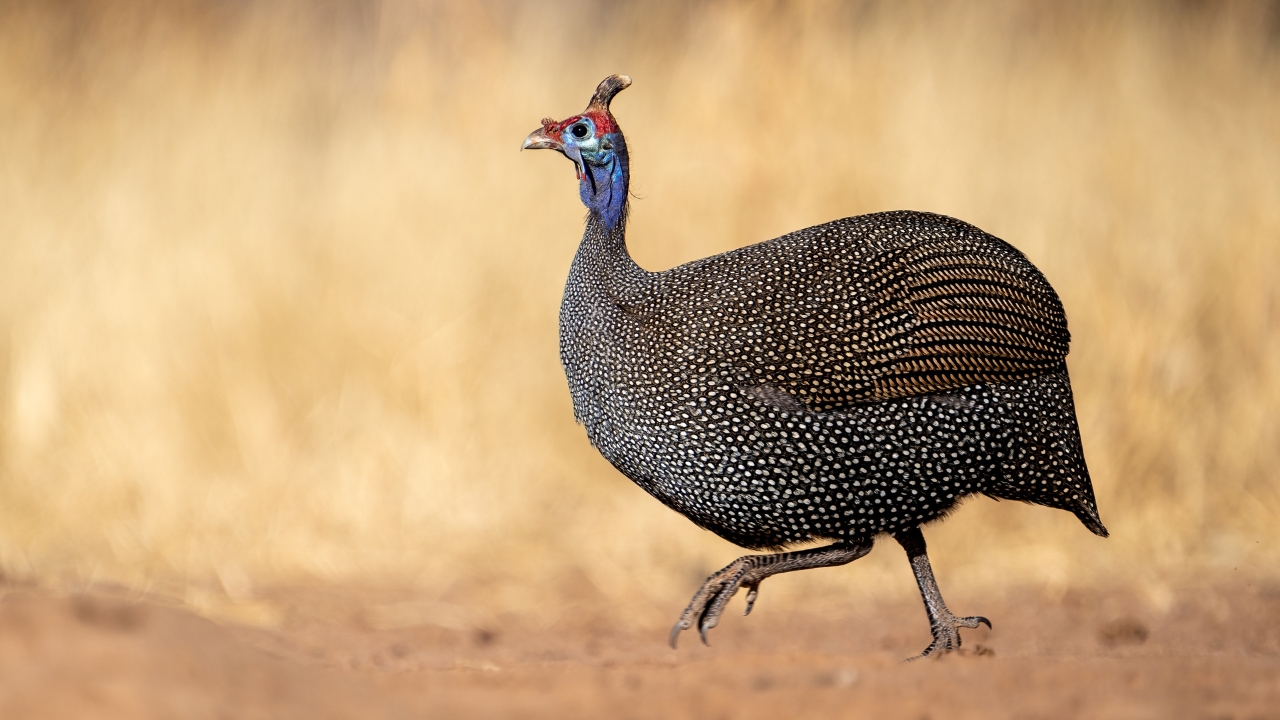
Guinea fowl are excellent for tick control and are hardy in a variety of conditions.
They can be noisy, but they’re independent and forage well on their own.
Sheep
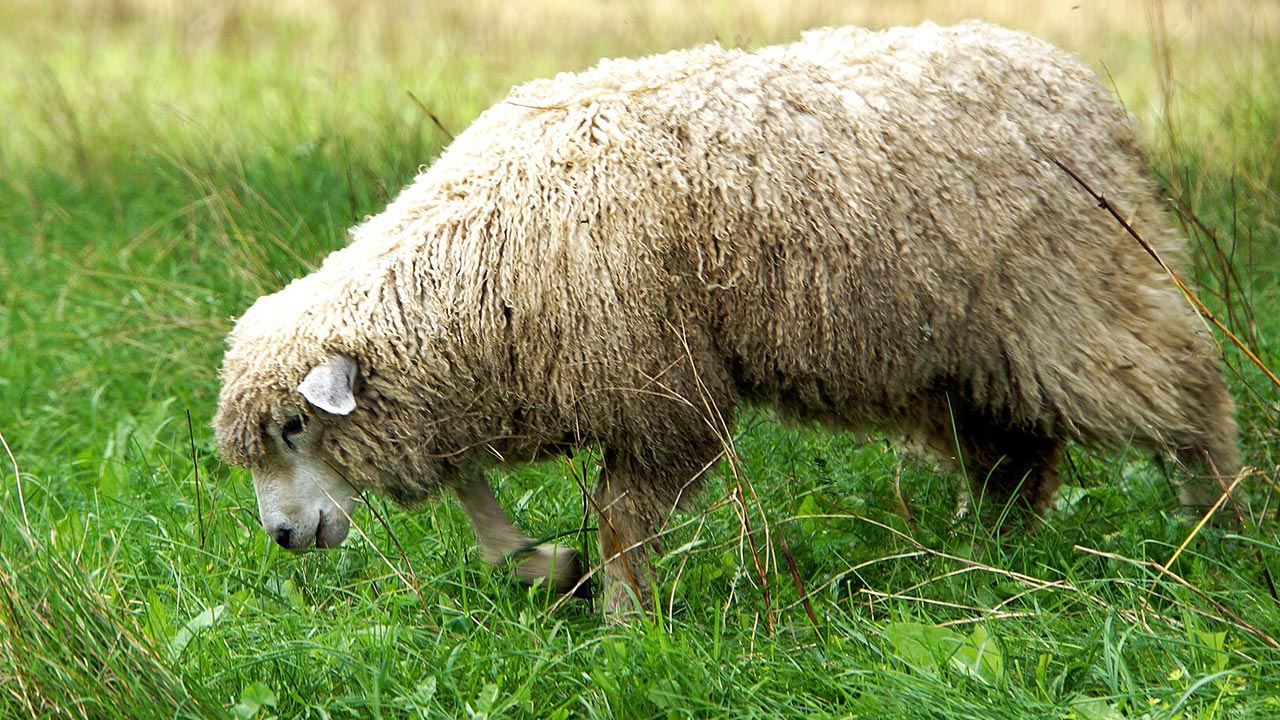
Hardy breeds of sheep can provide both meat and wool with minimal upkeep.
They need secure fencing and occasional shearing but are otherwise low-demand compared to many livestock.
Cats
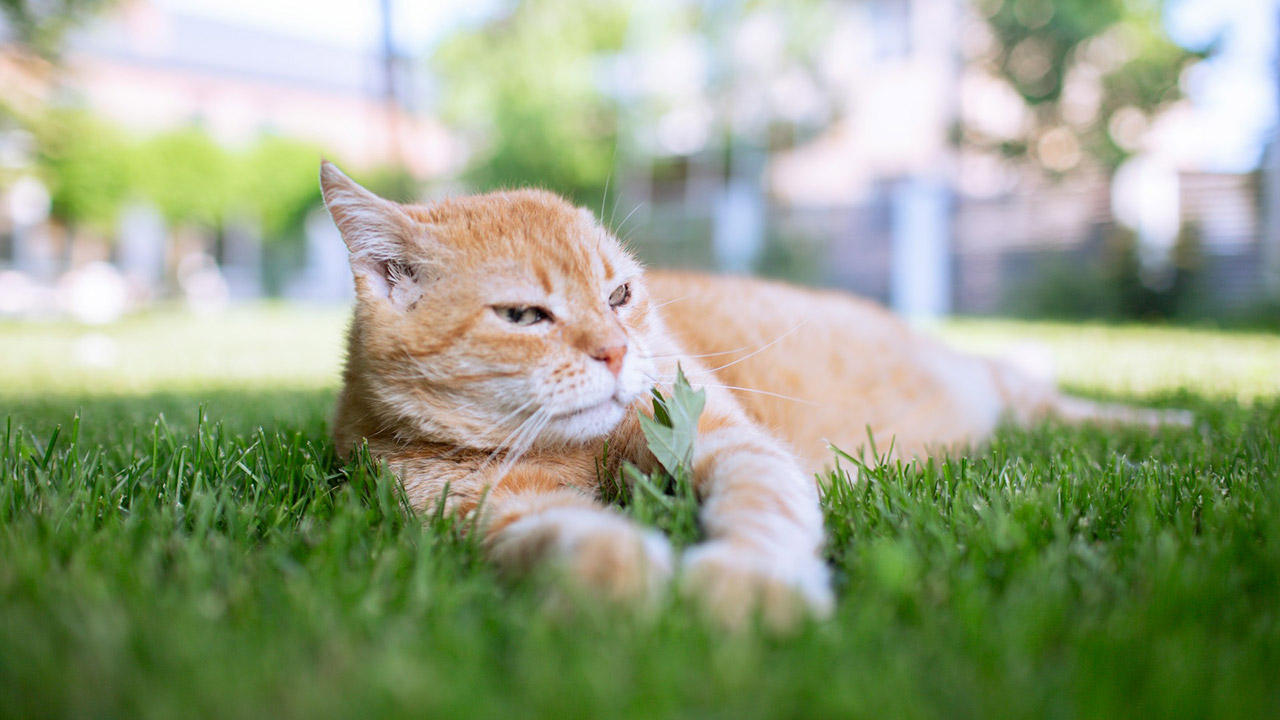
Barn cats help keep rodent populations under control with minimal human intervention.
They need shelter, basic care, and a safe environment to thrive.
Turkeys

Heritage breed turkeys can be hardy, self-sufficient birds that forage much of their own food.
They provide meat and are less prone to some of the issues common in industrial turkey breeds.
*This article was developed with AI-powered tools and has been carefully reviewed by our editors.