You Can Have a Homestead in Your Apartment -Here’s How
Image Credit: Ashley-Belle Burns/ Shutterstock.
You don’t need land, livestock, or a big backyard to start homesteading. That mindset of doing more for yourself, cutting back on waste, and building useful skills? You can start that right where you’re at—even in a one-bedroom apartment.
Plenty of people are turning small spaces into productive setups. It just takes some creativity and a willingness to try. If you’re looking to get started, these ten tips will help you live a little more self-sufficiently, no backyard required.
Grow Food Indoors

You can grow more than you think indoors. Herbs, salad greens, cherry tomatoes, and even peppers can thrive in containers by a sunny window. If light’s an issue, a basic grow light setup can keep things moving along just fine.
Stick with compact or dwarf varieties and make sure your containers have good drainage. Once you figure out the right balance of light and water, it’s pretty easy to keep fresh food growing year-round. You don’t need a yard to put homegrown food on your plate.
Start a Balcony or Windowsill Garden
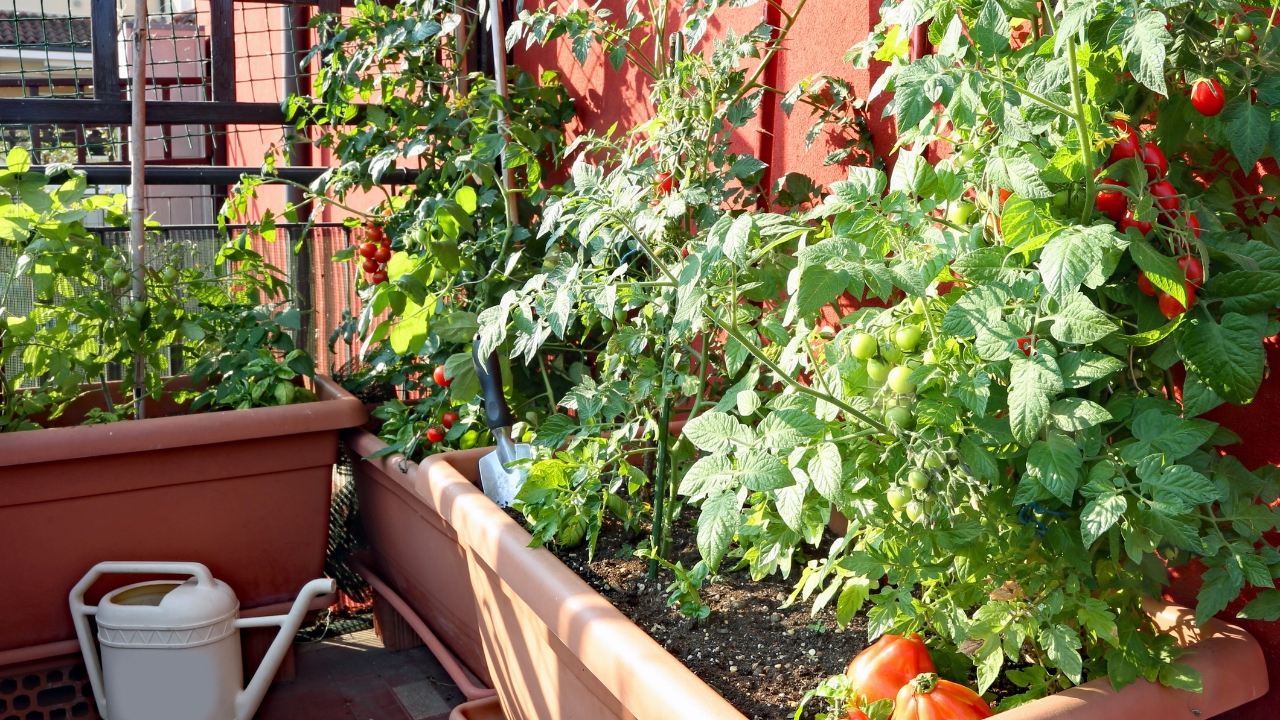
A balcony can hold more than a lawn chair. With a few buckets, hanging baskets, or a vertical planter, you can turn it into a solid little garden setup. Even a wide windowsill can be used for herbs or leafy greens.
Just pay attention to sun exposure and wind. Some spots might need a little shade cloth or protection from gusts. Use the space you’ve got and try things out. Small areas can still produce plenty if you’re smart about your layout.
Learn to Can and Preserve

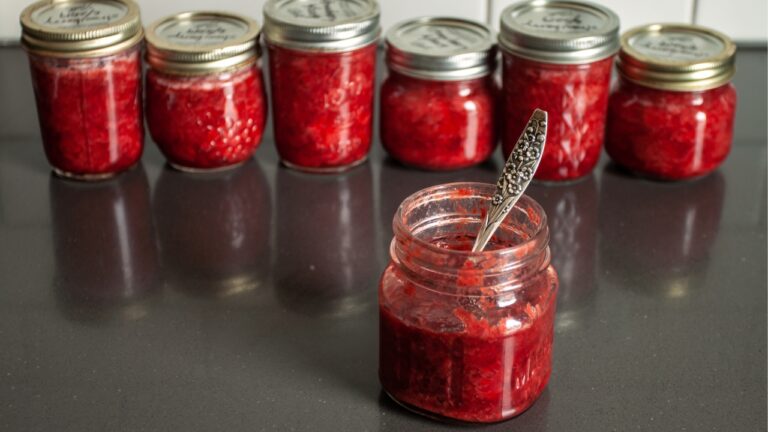
You don’t have to grow everything to get started with food preservation. Grab produce in bulk from a market or local farm and try your hand at canning, drying, or pickling. It’s a good way to build up useful skills and a pantry that works for you.
A simple shelf or cabinet can hold jars of home-canned food, even in a small apartment. Water bath canning is a good place to start, and once you’re ready, pressure canning opens the door to even more options. It’s worth learning—no matter the size of your kitchen.
Make Your Own Cleaning Supplies

Mixing up your own cleaning products is easy, cheap, and cuts out all the unnecessary stuff. A few basics like vinegar, baking soda, and essential oils can cover most of what needs cleaning in your apartment.
You’ll waste less, spend less, and end up with fewer harsh chemicals floating around. Reuse spray bottles and glass jars to store your mixes, and label everything clearly. Once you get used to doing it yourself, there’s really no reason to go back.
Bake From Scratch
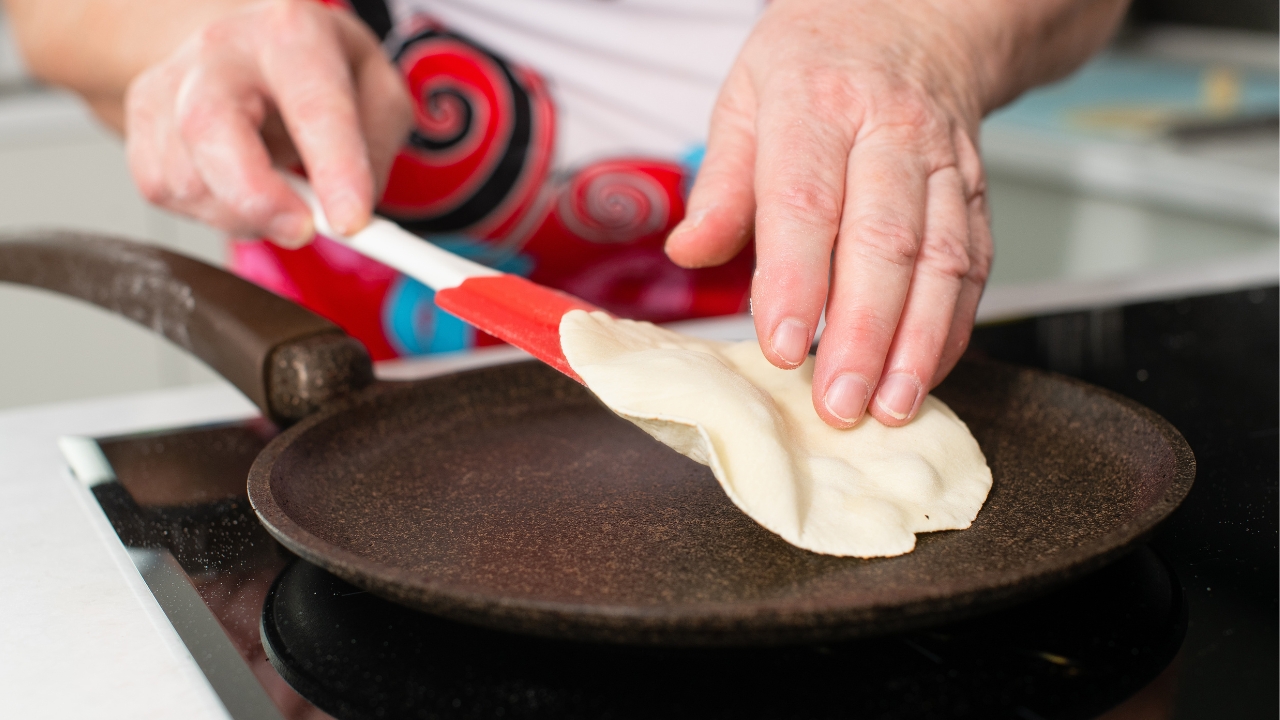
Baking your own bread, muffins, or tortillas is one of those simple things that just makes sense. It doesn’t take much space or equipment, and once you figure out a few go-to recipes, it becomes part of your weekly routine.
Homemade food usually tastes better, costs less, and stores well. Start with the basics and keep it consistent. Even if your kitchen is tight on space, you can turn out meals that are a whole lot more satisfying than anything boxed or frozen.
Compost with a Worm Bin

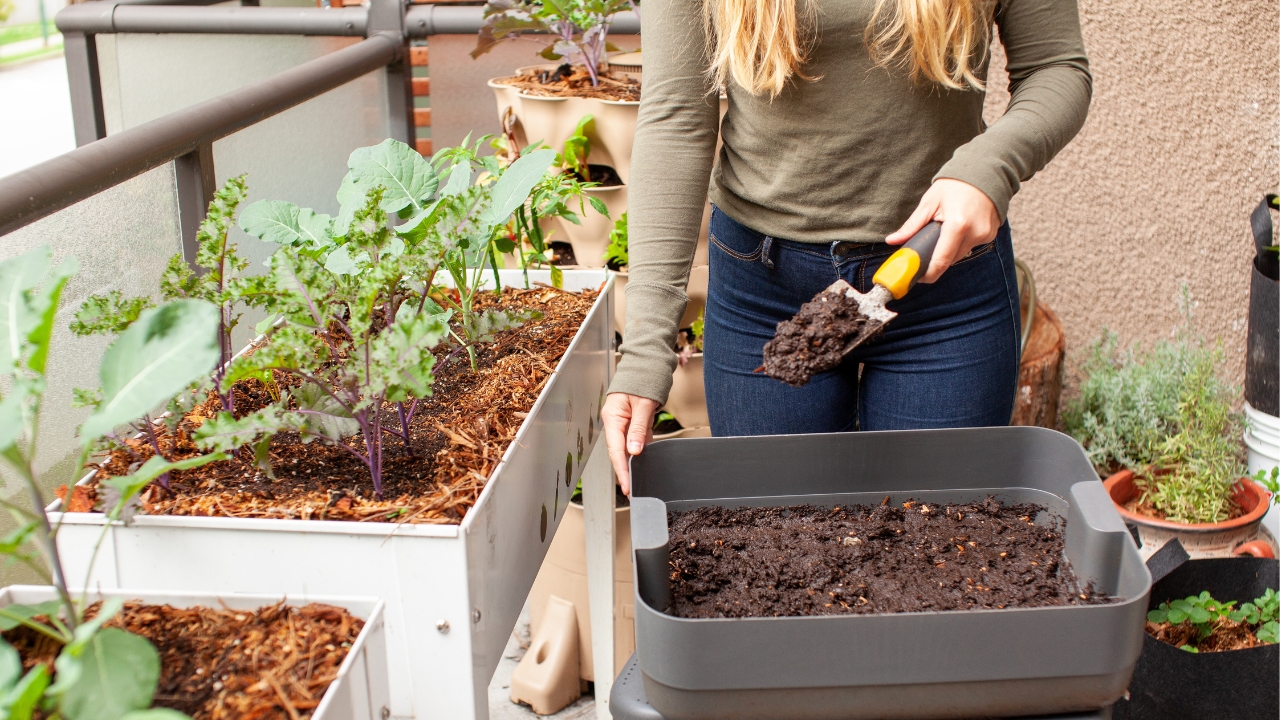
If outdoor compost isn’t an option, a worm bin is the next best thing. It fits under a sink or in a closet and turns veggie scraps into nutrient-rich compost without the smell or mess you’d expect.
Red wigglers are the go-to worms for this. Feed them fruit and veggie scraps—skip the meat and dairy—and they’ll do the work. The finished compost can be used in container gardens, or saved up for when you’ve got more space down the line.
Stock a Working Pantry

A small pantry setup can go a long way. Keep it simple—dry beans, rice, canned goods, pasta, oats, and spices you actually use. Rotate your food regularly and keep track of what you’re low on.
You don’t need a walk-in pantry to keep your kitchen well stocked. A few plastic bins, under-bed storage, or an over-the-door shelf rack can get the job done. The goal is to be prepared and to always have real food on hand that you know how to cook.
Use What You Have
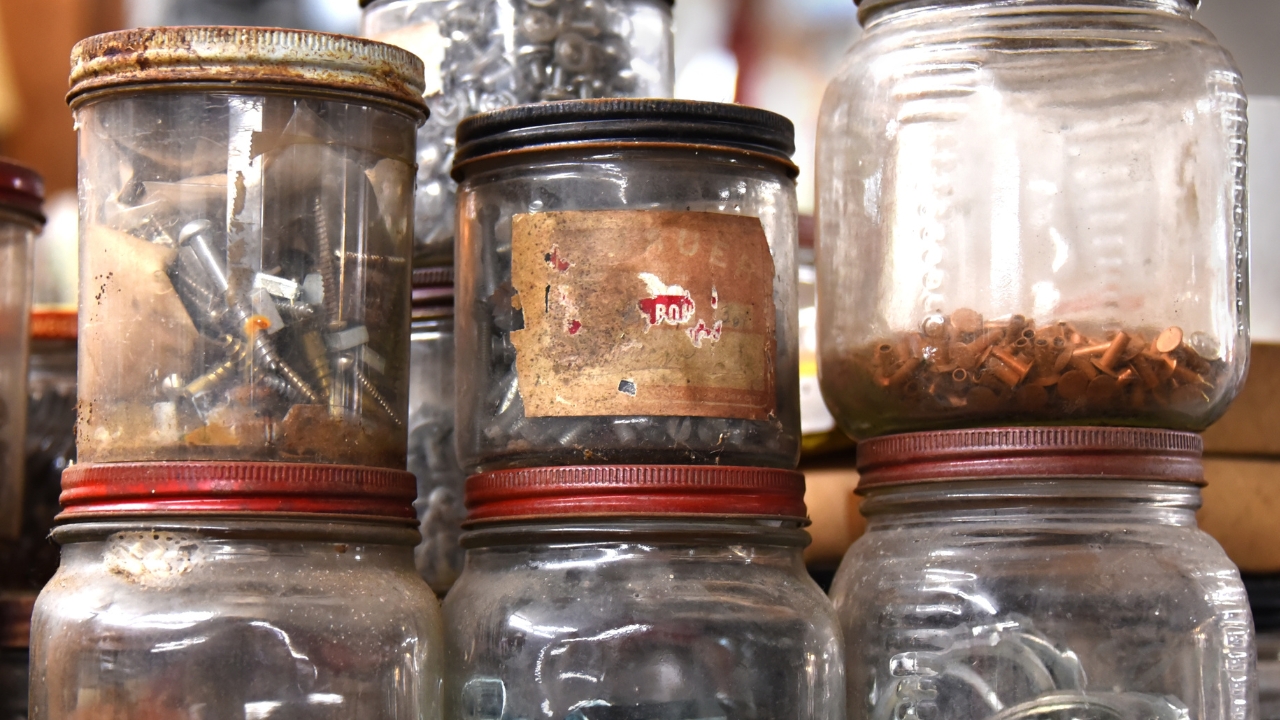
Don’t worry about perfect setups or matching gear. Use whatever you’ve got. Coffee cans, yogurt tubs, old jars—they all work for planting, storing, and organizing. Repurposing what’s already in your apartment keeps waste down and saves money.
You’ll pick up useful habits just by being resourceful. That kind of thinking makes future homesteading feel easier, too. Most of the time, what you need is already right in front of you—you just have to be willing to put it to work.
Make Fermented Foods
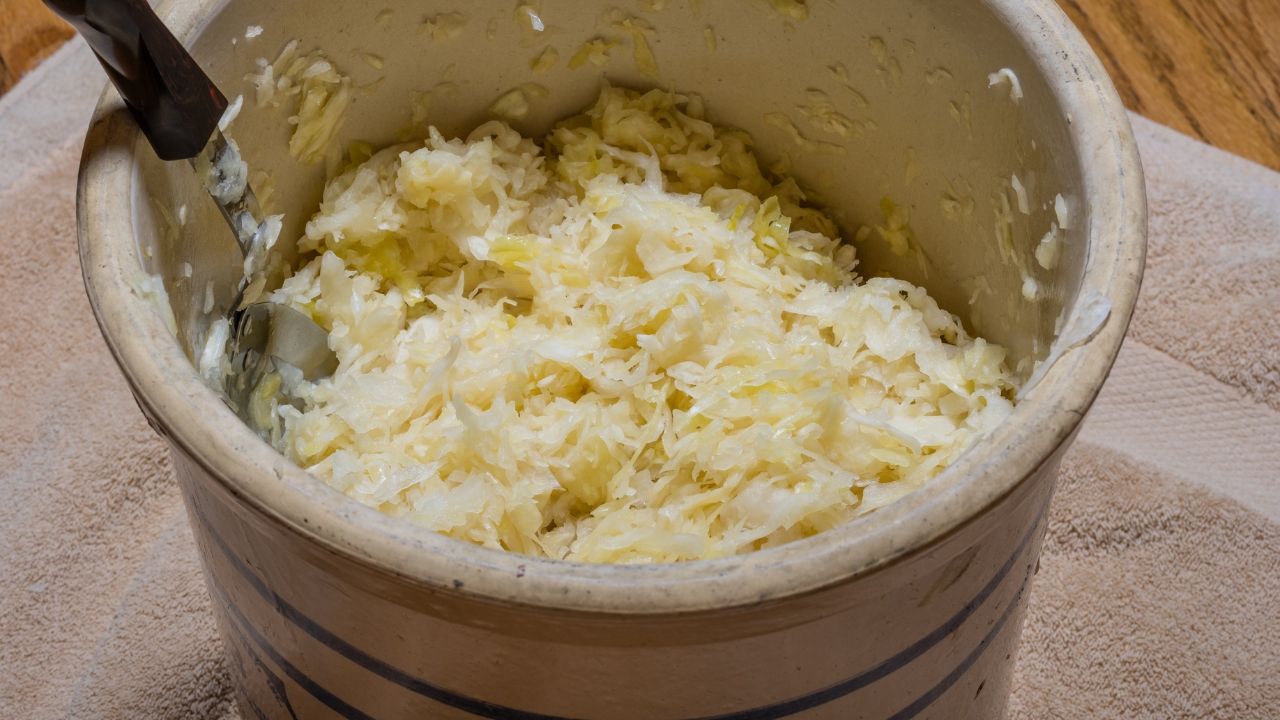
Fermenting is a low-effort way to store food and add variety to your meals. Sauerkraut, kimchi, and pickles don’t need much to get started—just a clean jar, some salt, and a little time.
The process is simple and works well in small batches. Plus, fermented foods last a while in the fridge and can be made with just a few ingredients. Once you’ve done it a couple times, it becomes second nature. No backyard needed for that.
Build Useful Skills
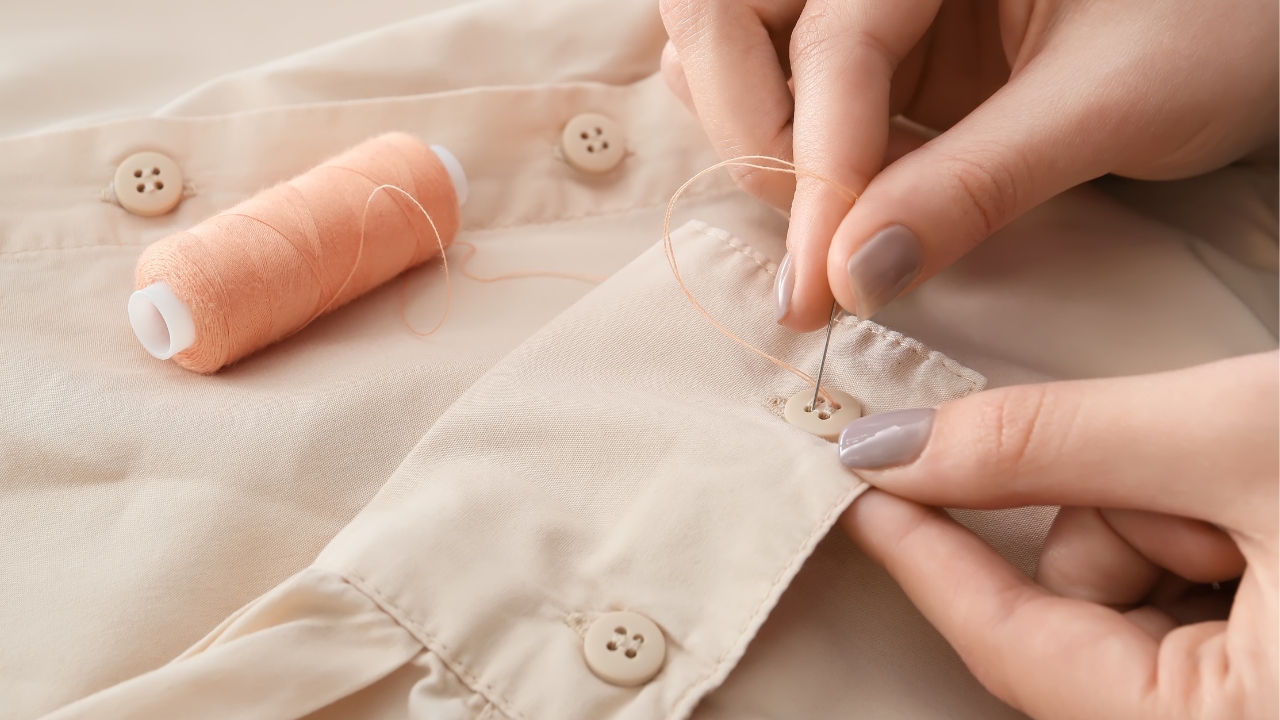
Knowing how to do things yourself goes a long way. Learn to cook from scratch, sew a button, patch a wall, or fix a leaky faucet. These kinds of skills make day-to-day life smoother and save you a ton of money over time.
Apartment living is a great time to pick up these habits. You’ve got a controlled space to experiment and learn. The more you practice now, the more confident you’ll be if you ever trade the apartment for land of your own.
Like Fix It Homestead’s content? Be sure to follow us.