10 mistakes home inspectors catch right away
Photo credit: Valmedia/Shutterstock.com
Home inspectors are trained to spot problems most homeowners overlook. Their reports can make or break a sale, and many of the issues they point out are avoidable with proper maintenance. Knowing what they look for can save you headaches — and money — down the road.
Poor Drainage Around the Foundation
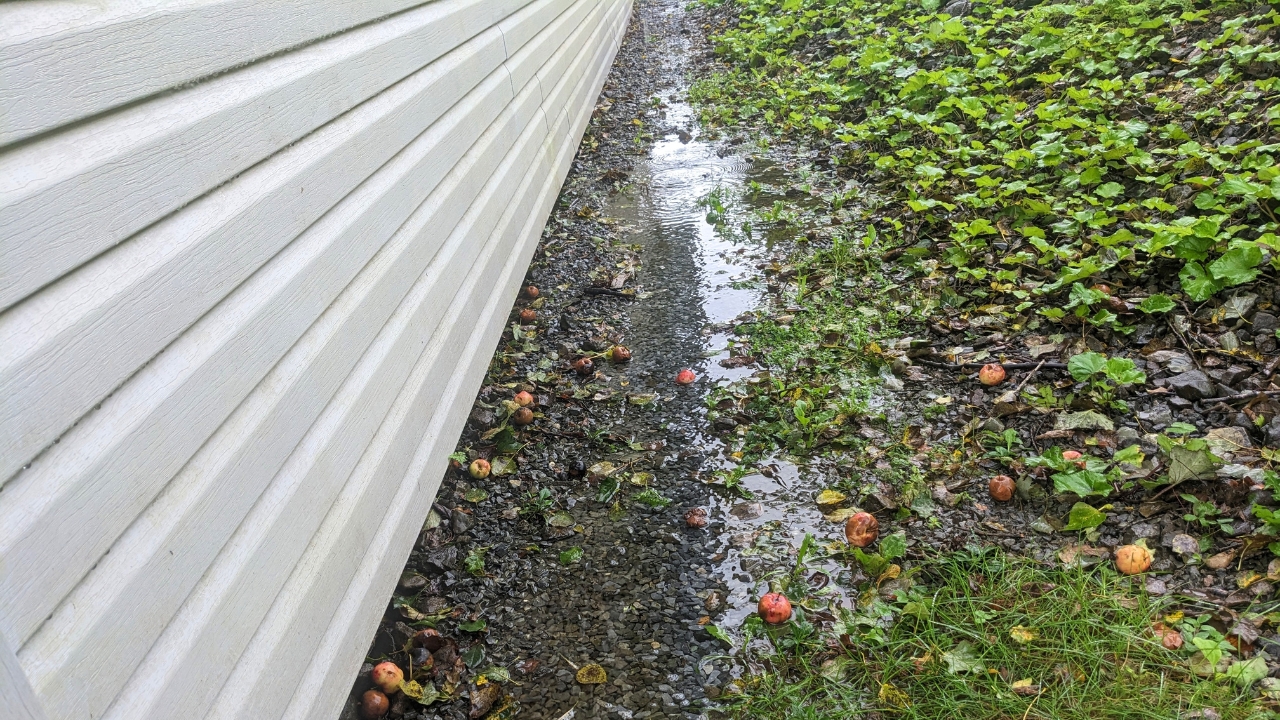
Home inspectors immediately check for grading issues and standing water near the foundation. Improper drainage can lead to basement leaks, cracks, and long-term structural damage. Even if you don’t see flooding, water pooling near your house is a red flag. Inspectors know it signals future problems if not fixed.
Roof Damage
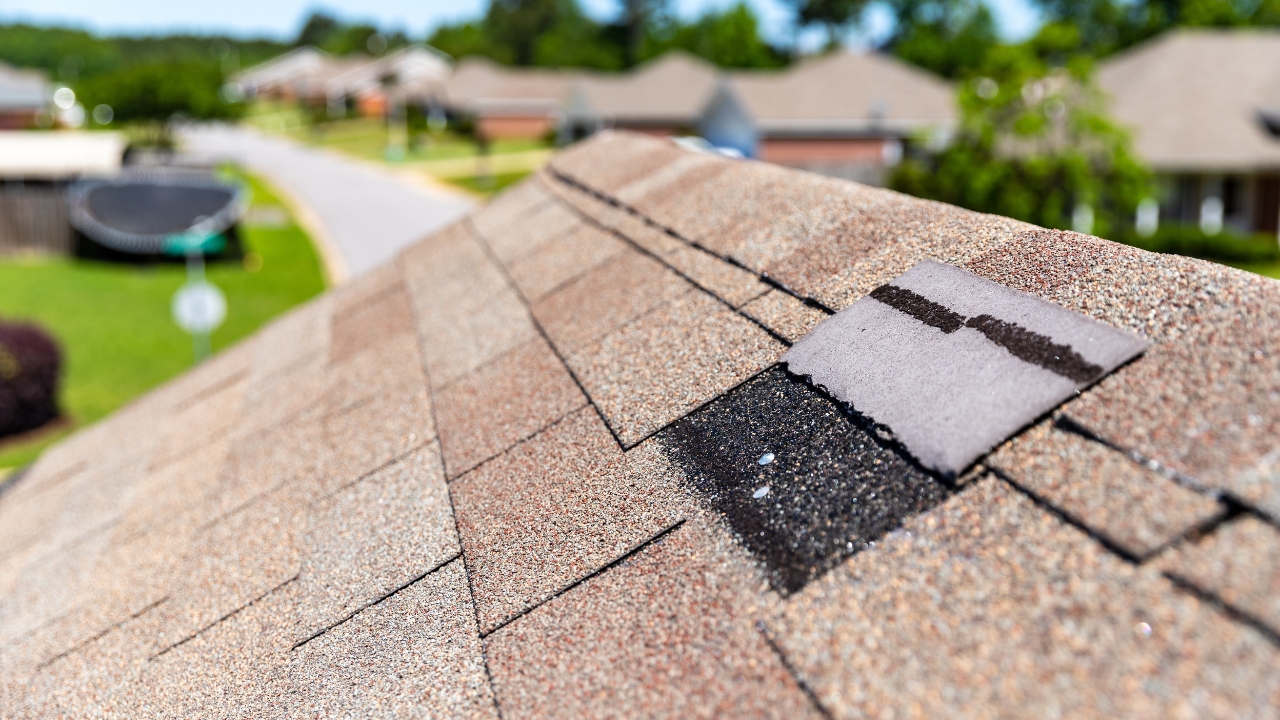
Missing shingles, sagging areas, or poor flashing around chimneys stand out right away. Inspectors know a compromised roof can lead to leaks, mold, and expensive repairs. Even small signs like moss growth or clogged gutters signal neglect. Keeping up with roof maintenance avoids this being flagged in an inspection.
Electrical Issues
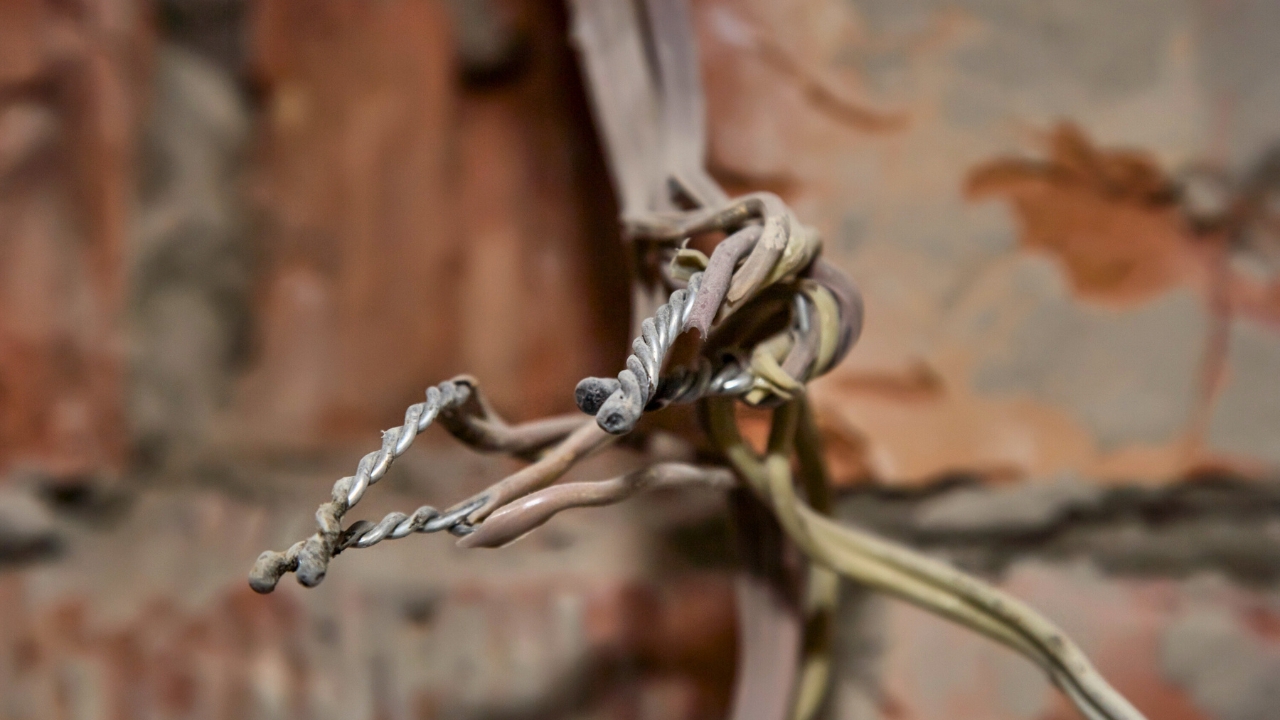
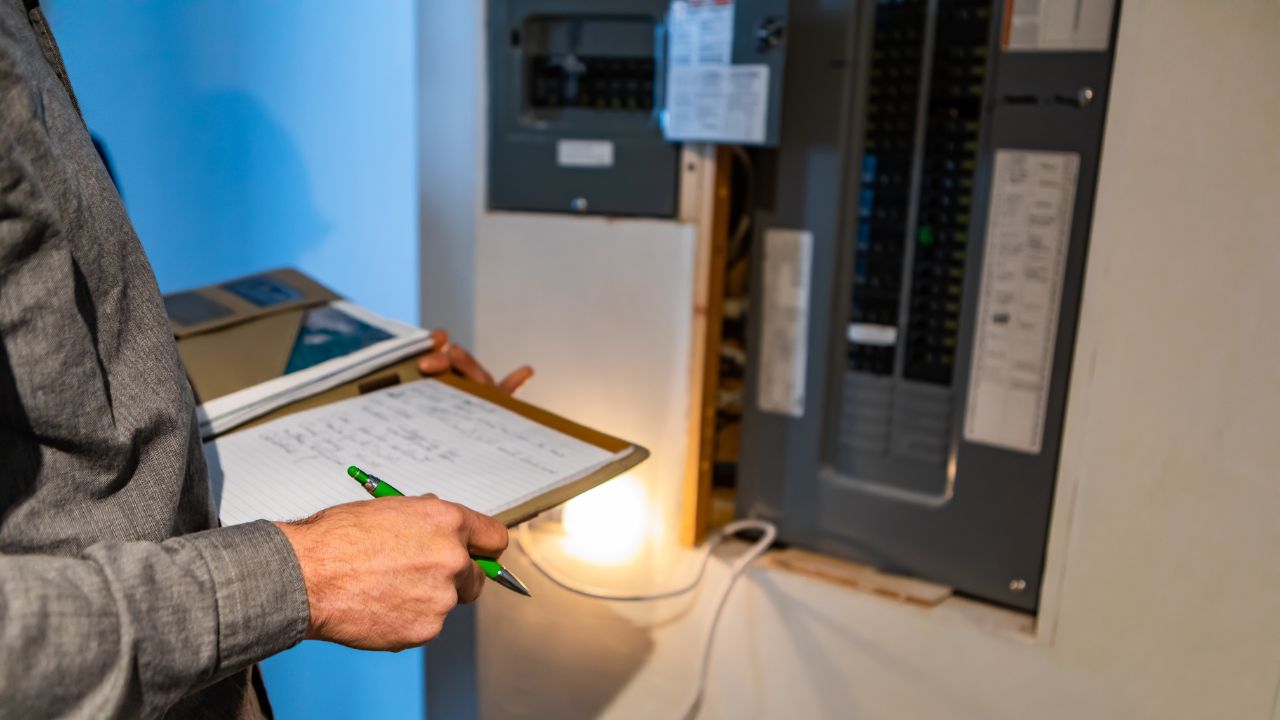
Old wiring, missing GFCI outlets near water, or overcrowded breaker panels are things inspectors always catch. These aren’t cosmetic — they’re safety hazards. Inspectors pay close attention to outlets in kitchens and bathrooms, knowing outdated wiring is one of the most common deal-breakers in older homes.
Plumbing Leaks

Inspectors check under every sink, around toilets, and near water heaters. Even small leaks show up as water stains or corrosion. What looks like a drip today can be a big mold problem later. Inspectors don’t miss it, and buyers won’t either once it’s on the report.
Cracks in Walls or Ceilings

Hairline cracks might not seem like much, but inspectors look closely to determine if they’re cosmetic or structural. Cracks around windows and doors can indicate shifting foundations. Even if harmless, they’ll end up in the report and worry buyers unless explained.
HVAC Neglect
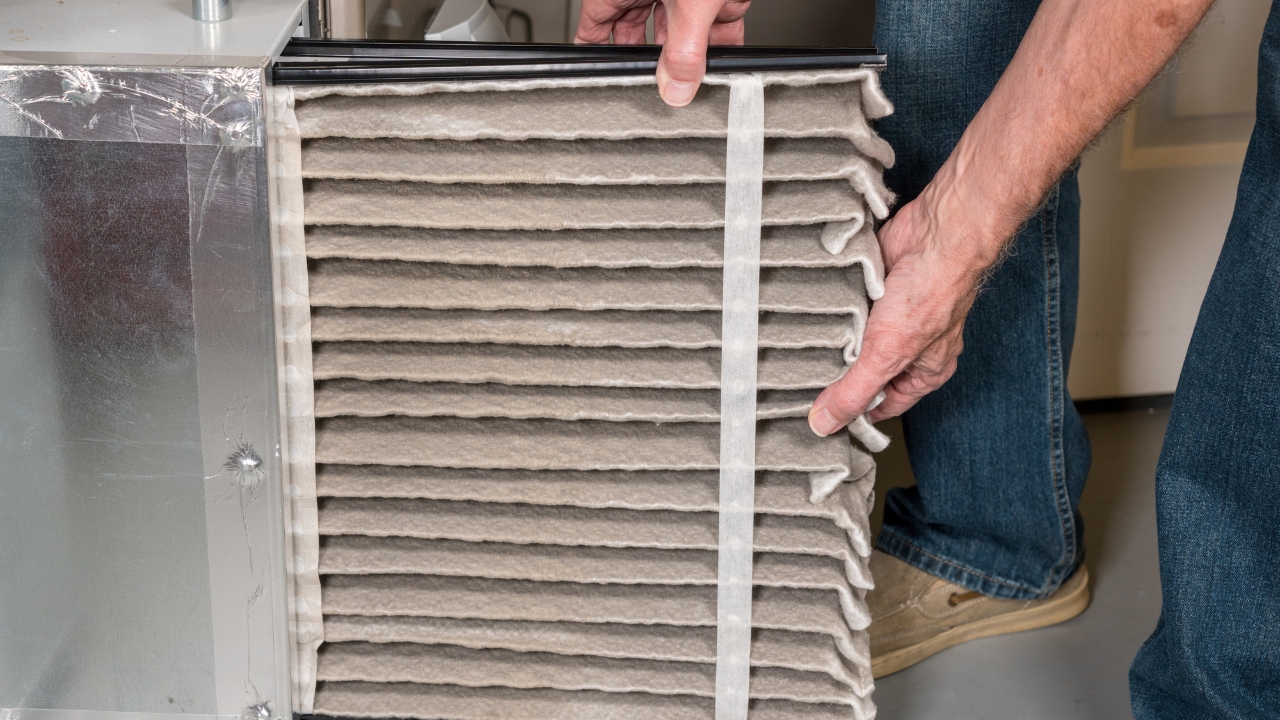
Inspectors always check furnaces, air conditioners, and ductwork. Dirty filters, rust, or inconsistent performance are red flags. An HVAC system that hasn’t been serviced regularly tells inspectors the home hasn’t been maintained well. Regular tune-ups keep this from standing out on their list.
Attic and Crawl Space Issues
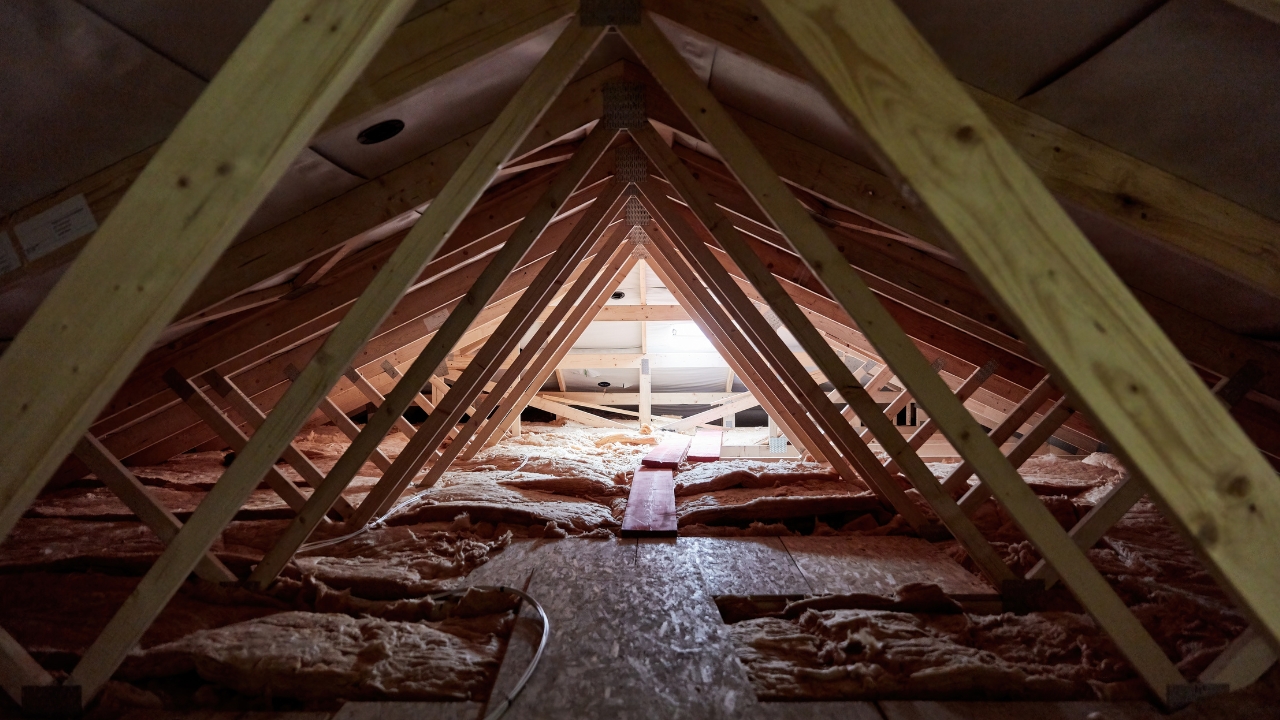
Inspectors spend time in attics and crawl spaces because problems often hide there. Poor insulation, water stains, or rodent droppings show up quickly. Even missing venting can cause long-term damage. These are the areas homeowners often ignore, but inspectors never do.
Unsafe Decks or Porches

Inspectors check handrails, support posts, and wood condition on decks and porches. Loose boards, rotting wood, or unstable railings are flagged as safety concerns. Even if you think your deck is fine, inspectors will catch flaws that could cause injury.
Water Heater Problems

Leaking valves, rust, or outdated tanks stand out during inspections. Inspectors know water heaters typically last 8–12 years, so older ones immediately raise concerns. Buyers often use this as leverage for negotiations if the system looks neglected.
Missing or Broken Safety Features
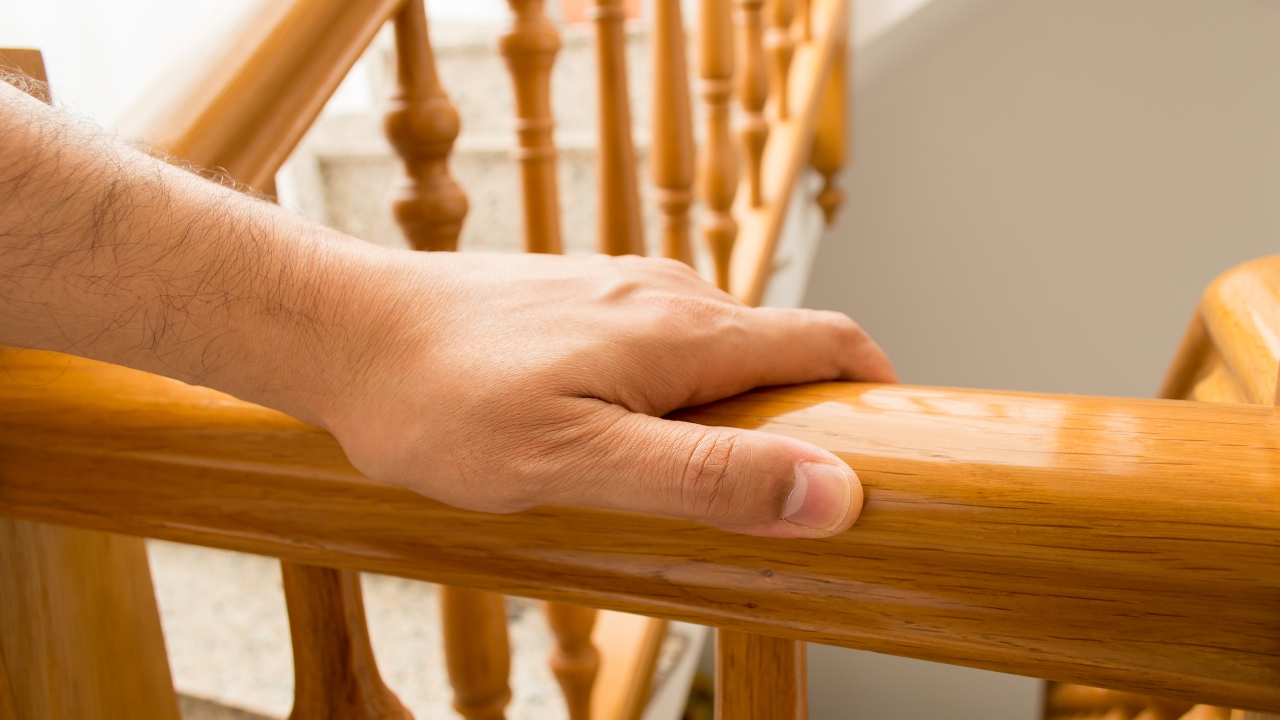
Simple things like missing smoke detectors, loose stair railings, or absent carbon monoxide detectors make a home look unsafe. Inspectors always check these basics first. They’re inexpensive to fix but create a bad impression if overlooked.
*This article was developed with AI-powered tools and has been carefully reviewed by our editors.