10 Shed Items That Can Warp, Melt, or Ruin in Summer Heat
Photo credit: Dennis Gross/ Shutterstock.com
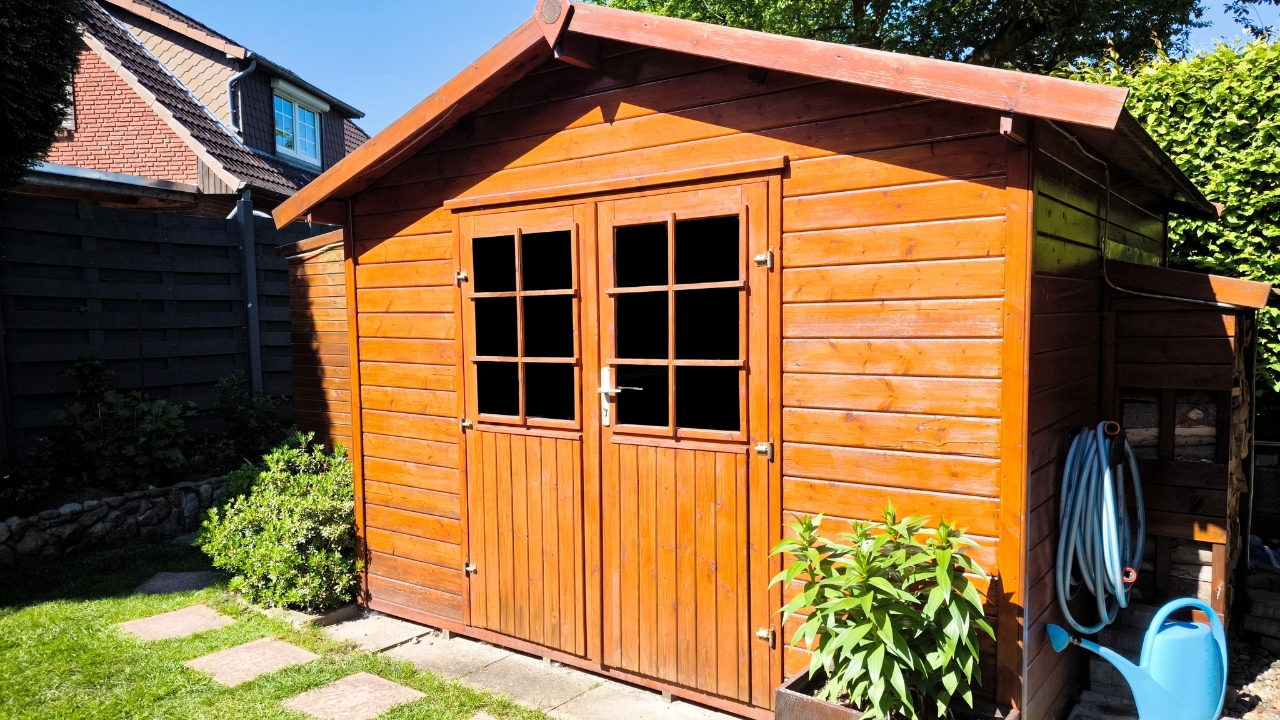
When the weather heats up, your shed can turn into an oven. Even if the door stays shut, temps inside can soar past 100°F on a summer afternoon. And if you’re not careful, you’ll end up with warped, leaking, or straight-up ruined stuff.
A lot of common items aren’t meant to sit in that kind of heat. If you’ve been using the shed as a catch-all, it’s time to check what’s in there—before the next hot stretch makes a mess.
Candles
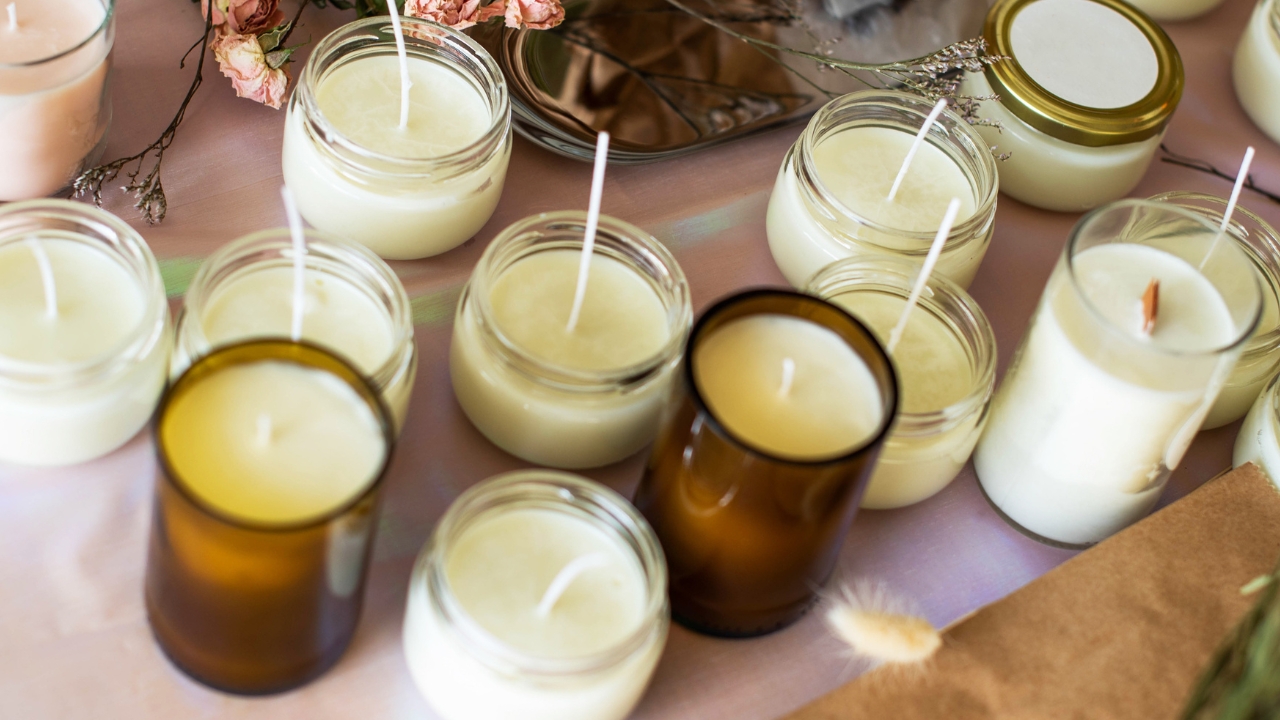
Candles don’t need much heat to start softening. Even thick pillar candles can start to warp or puddle if the shed gets hot enough, and scented ones tend to break down faster.
If you store holiday or emergency candles in the shed, move them to a cooler spot indoors. Once they start melting, the wick shifts, and they usually won’t burn evenly again.
Crayons and Markers

If you’ve got a bin of art supplies stashed out there, check it. Crayons will melt into a colorful glob pretty quick, and some markers can leak or dry out from the heat.
Kids’ supplies and even garden markers do better inside during summer. A plastic bin in the hall closet or laundry room is usually a safer bet.
Paint and Wood Stain
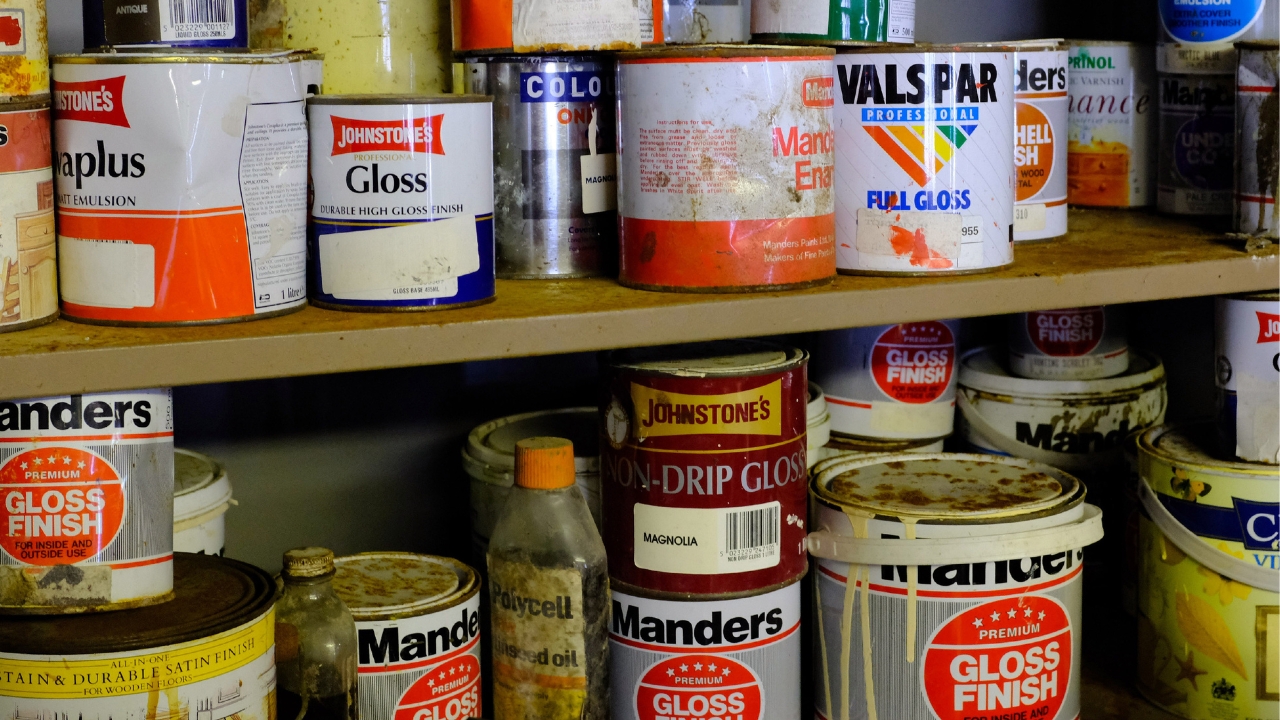
Latex paint and most stains aren’t meant to cook in a shed all summer. High heat can change the texture, separate the contents, or cause pressure to build up inside the can.
That means next time you open it, the color might be off—or the whole can might be ruined. Always check the label for storage temps and keep paint in a temperature-controlled space when possible.
Cleaning Wipes
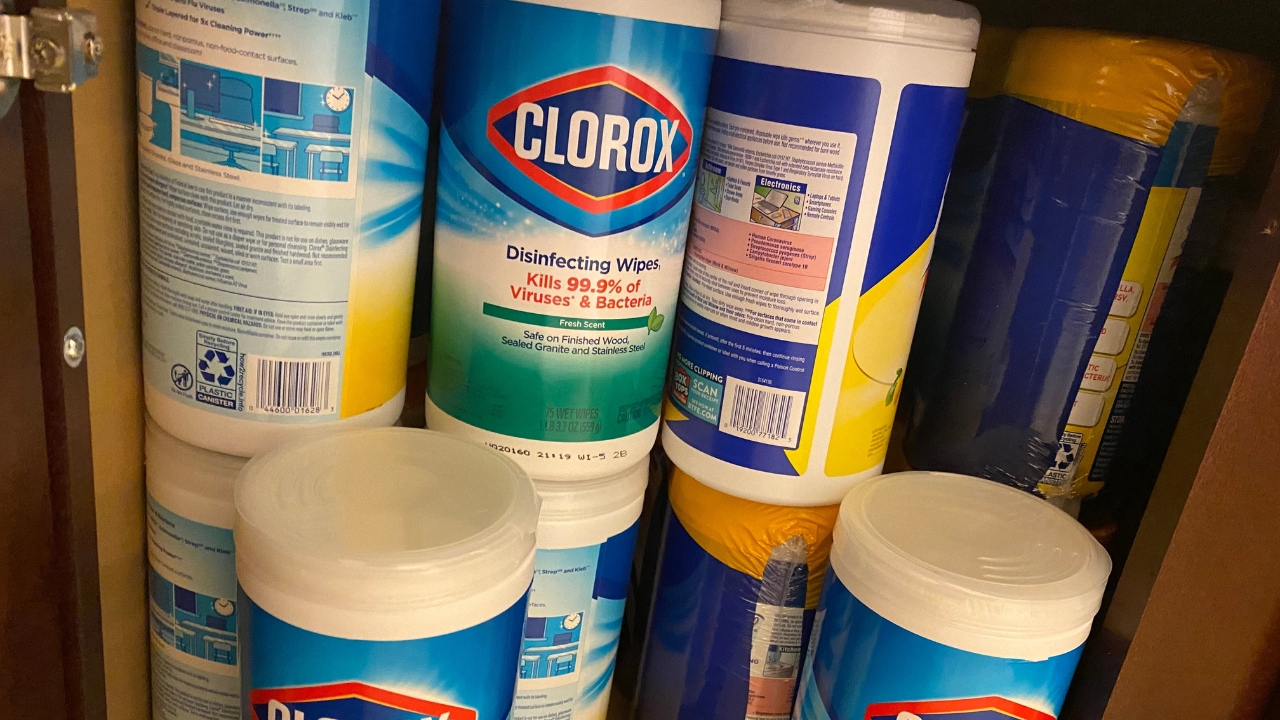
Disinfecting wipes can dry out fast in the heat, especially if they’re partially used or the lid isn’t sealed tight. The plastic tub might also start to warp or split.
If you store extras in your shed for outdoor cleanups, move them to a garage cabinet or inside shelf. Once they dry out, they’re basically useless.
Glues and Adhesives
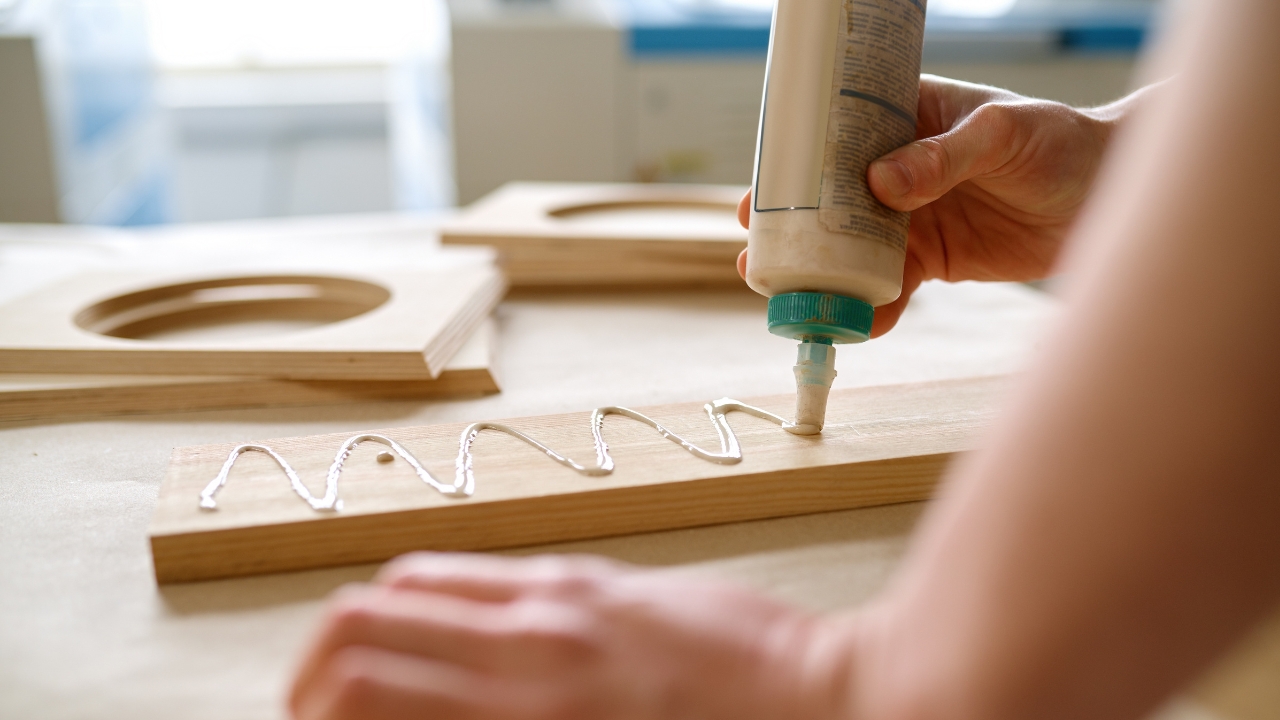
Super glue, wood glue, and most adhesives don’t handle heat well. Some get thick and stringy, while others can separate entirely or harden in the bottle.
Check your supplies and move them to a cooler area if you want them to actually work when you need them. Once they go bad from heat, there’s no bringing them back.
Garden Chemicals in Plastic Bottles

Certain weed killers, pesticides, and liquid fertilizers come in plastic bottles that don’t tolerate extreme heat. The liquid can expand, pressure builds up, and eventually the bottle can leak, swell, or burst.
Always read the label—many garden products will tell you if they need to be stored below a certain temp. Keeping them in a shaded garage cabinet is often safer.
Battery-Powered Tools

Leaving cordless tools in a hot shed can shorten the battery life fast. Extreme heat can even make some battery packs swell or leak, especially older ones.
You don’t have to bring everything inside, but it’s smart to at least take out the batteries and store those in a temperature-controlled area.
Spray Paint
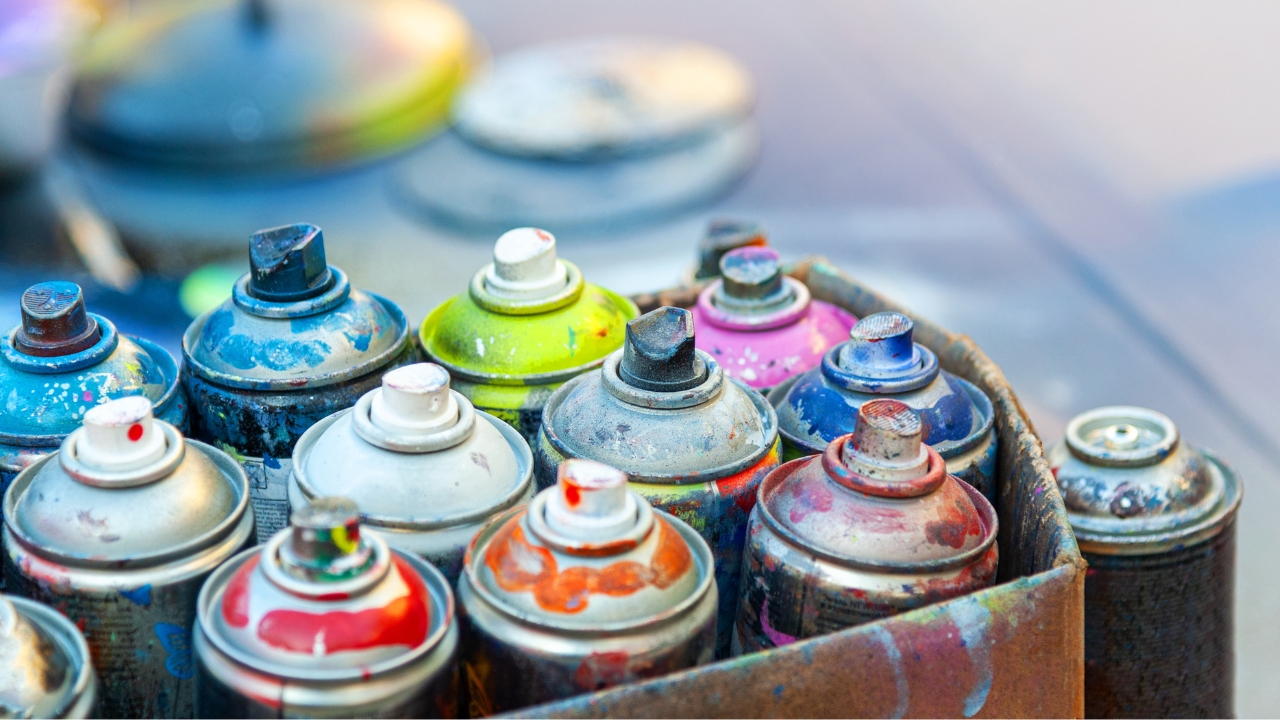
A can of spray paint left in a hot shed is a problem waiting to happen. Pressurized cans don’t handle heat well, and if they’re exposed to high temps long enough, they can burst.
It’s not common, but it does happen—especially in small enclosed sheds with no airflow. Keep spray paint in a cooler, well-ventilated space.
Caulk and Sealants
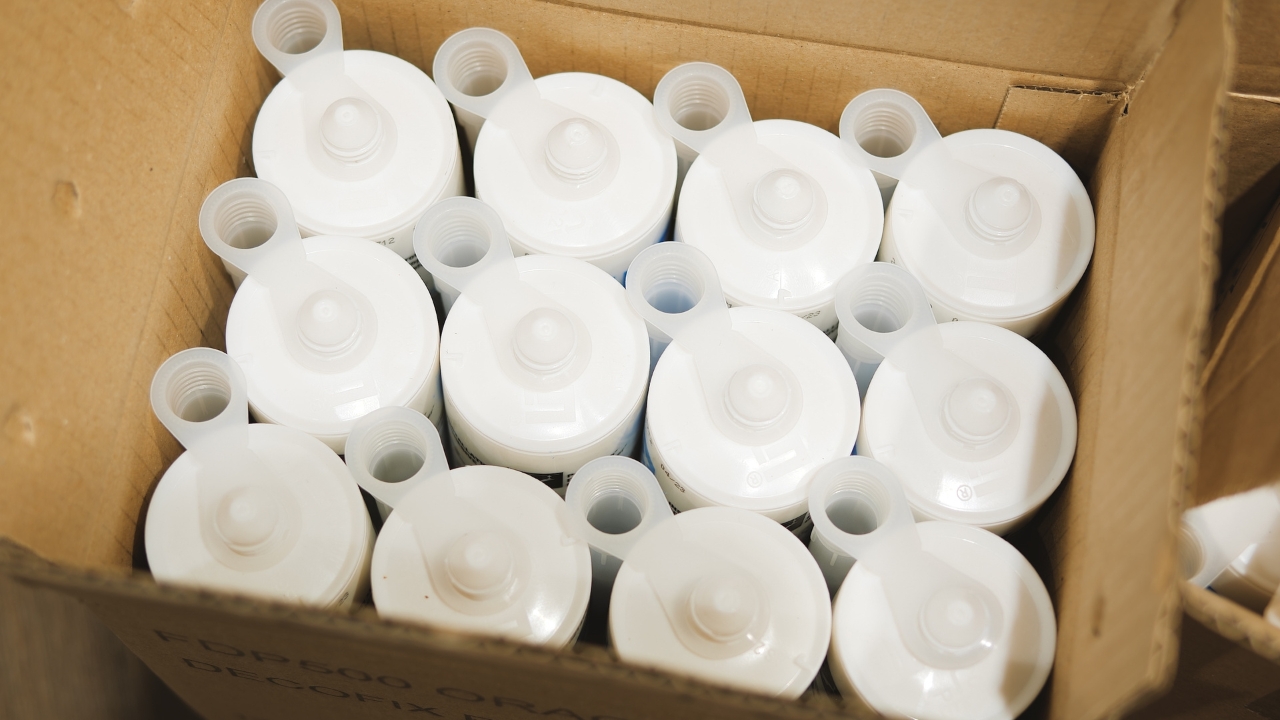
Heat can mess with both the texture and shelf life of caulk. Some formulas can separate in the tube or thicken into something unusable before you ever open it.
If you’ve stocked up for later projects, don’t leave those tubes to bake all summer. Store them inside where it’s cooler and check expiration dates regularly.
Candies and Snacks
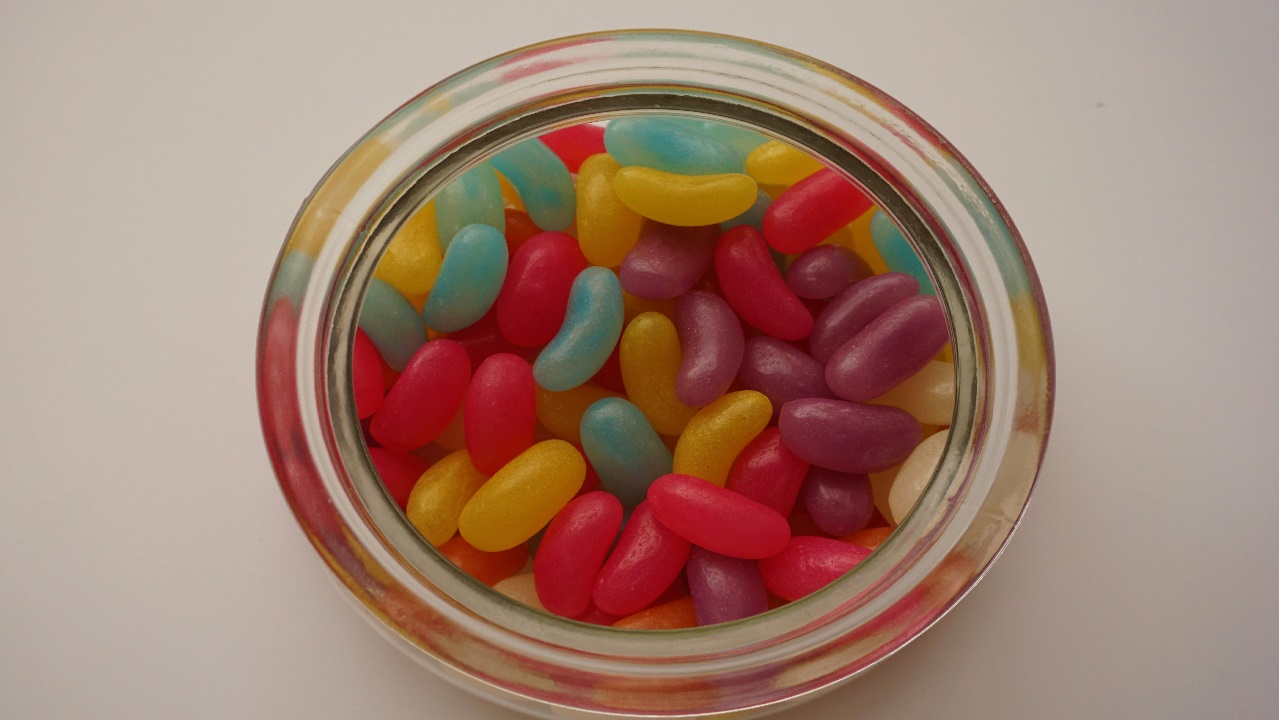
Got a snack stash in your shed or a treat drawer for the kids? Anything with sugar, chocolate, or oil in it will melt, go stale, or attract ants the second the temps climb.
Even sealed items can get ruined from repeated heat exposure. If you’re storing snacks outdoors, stick to a cooler or airtight bin and rotate them out often.
Like Fix It Homestead’s content? Be sure to follow us.