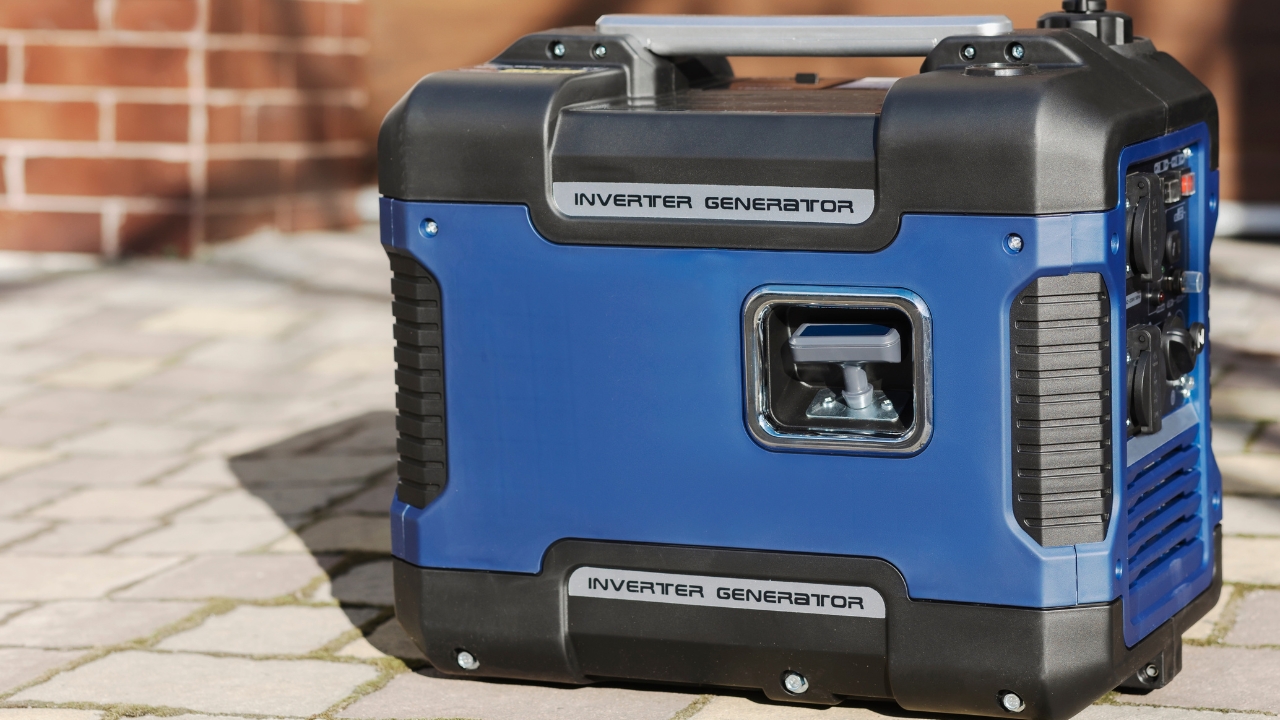
Mistakes that made our first generator useless
Photo credit: Mariana Serdynska/Shutterstock
Buying a generator feels like peace of mind—until you realize it won’t actually cover what you need. A lot of people learn this lesson the hard way, and we did too. Generators can be lifesavers, but only if you size, maintain, and set them up right. Here are the mistakes that made our first one more of a yard ornament than real backup power.
Buying One That Was Too Small
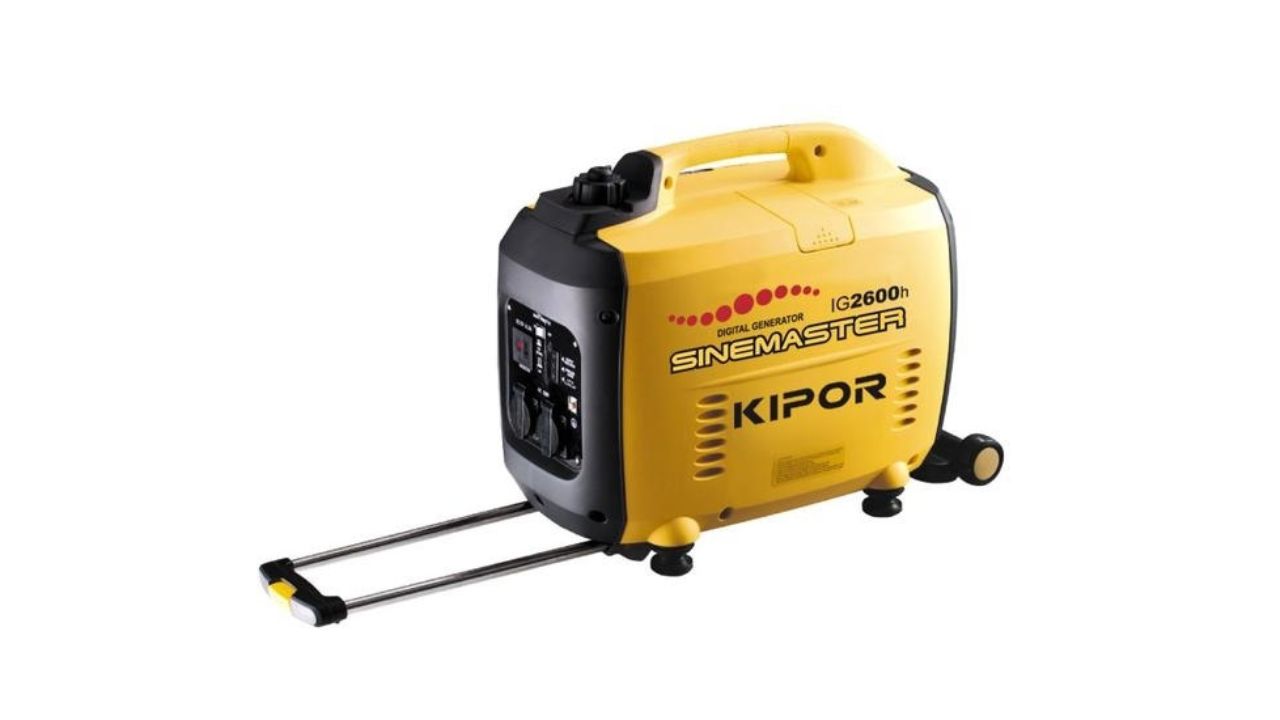
We thought we could save money with a smaller generator, but it didn’t even cover the basics. Fridge, freezer, lights, and a well pump were already too much load. Undersized generators trip breakers and strain under pressure, making them wear out fast. Experts say to calculate wattage needs before buying so you’re not stuck in the dark when it matters most.
Forgetting About Fuel Storage
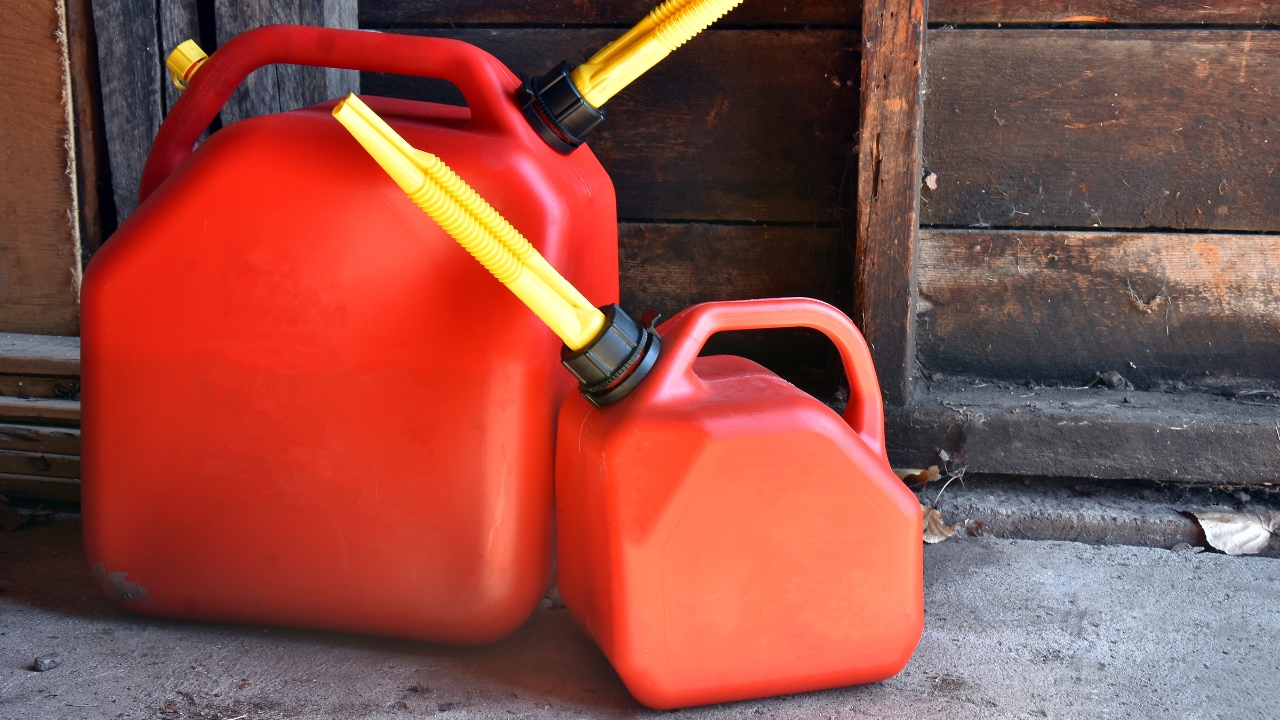
Having a generator doesn’t mean much if you run out of fuel in the first day. We had no plan for storing gas safely, and stations were either closed or picked clean when storms hit. A generator is only as useful as the fuel you can keep on hand. Storing stabilized gas or switching to propane with safe storage tanks is a smarter approach.
No Transfer Switch

We skipped a transfer switch and relied on extension cords everywhere. Not only was it a hassle, but it left half the house without power. Worse, it’s a safety hazard if you don’t isolate the generator from the main line. A transfer switch makes using a generator safe, efficient, and far less stressful when the power goes out.
Ignoring Maintenance

Generators don’t like to sit around neglected. We left ours untouched until an outage came, only to find it wouldn’t start. Oil changes, test runs, and filter checks are non-negotiable. Running it once a month for 15–20 minutes keeps parts lubricated and ensures it’s ready when you need it.
Using Cheap Extension Cords
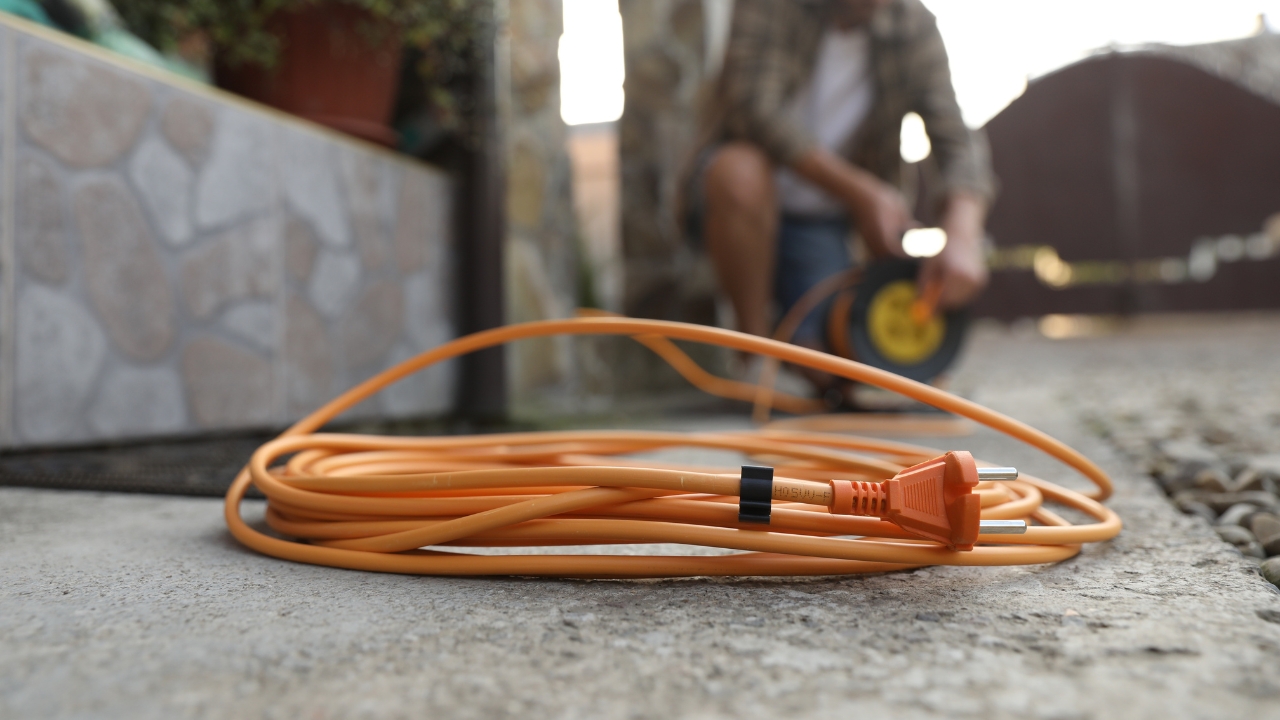
We grabbed whatever cords were lying around, but they weren’t rated for heavy loads. That not only risked frying appliances but also overheated the cords. For safety and efficiency, you need heavy-duty outdoor cords, preferably 12-gauge or thicker, rated for the generator’s output.
No Weather Protection
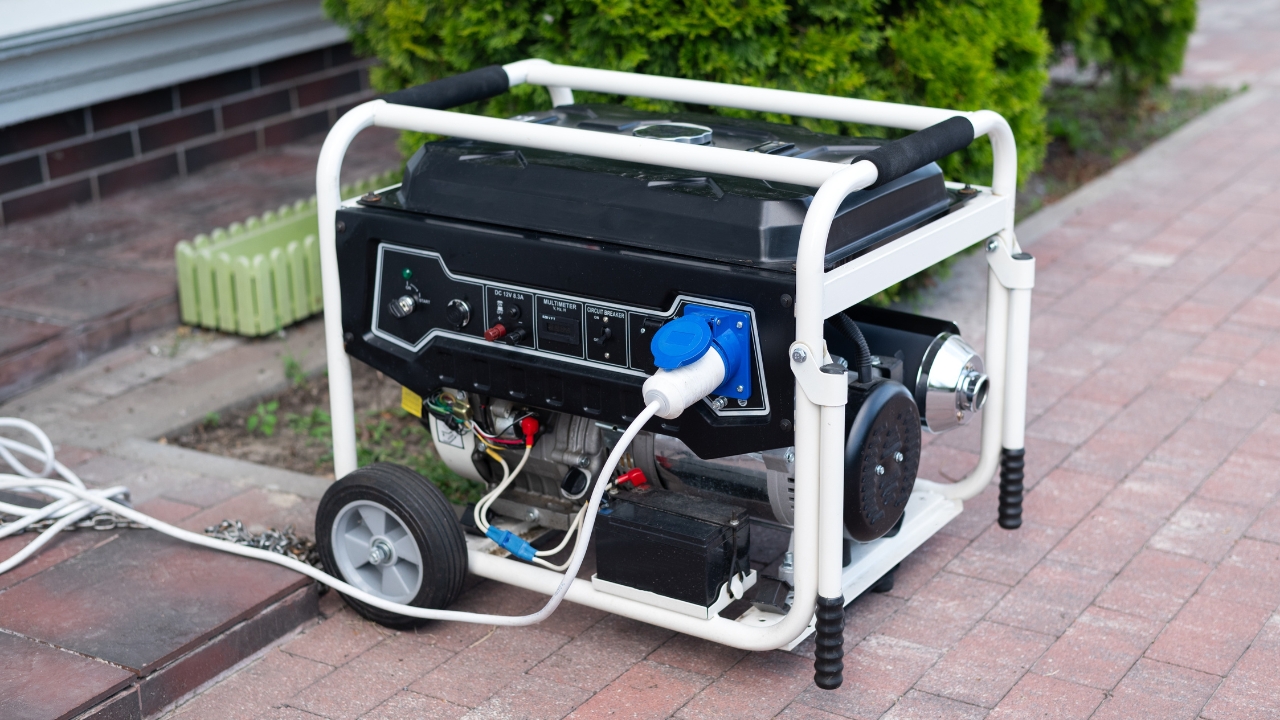
We parked it outside in the rain because we didn’t think about it. Moisture can ruin the alternator and engine, and running a generator uncovered is a shock hazard. Experts recommend a generator tent or a permanent enclosure that allows airflow while keeping water out.
Running It Too Close to the House
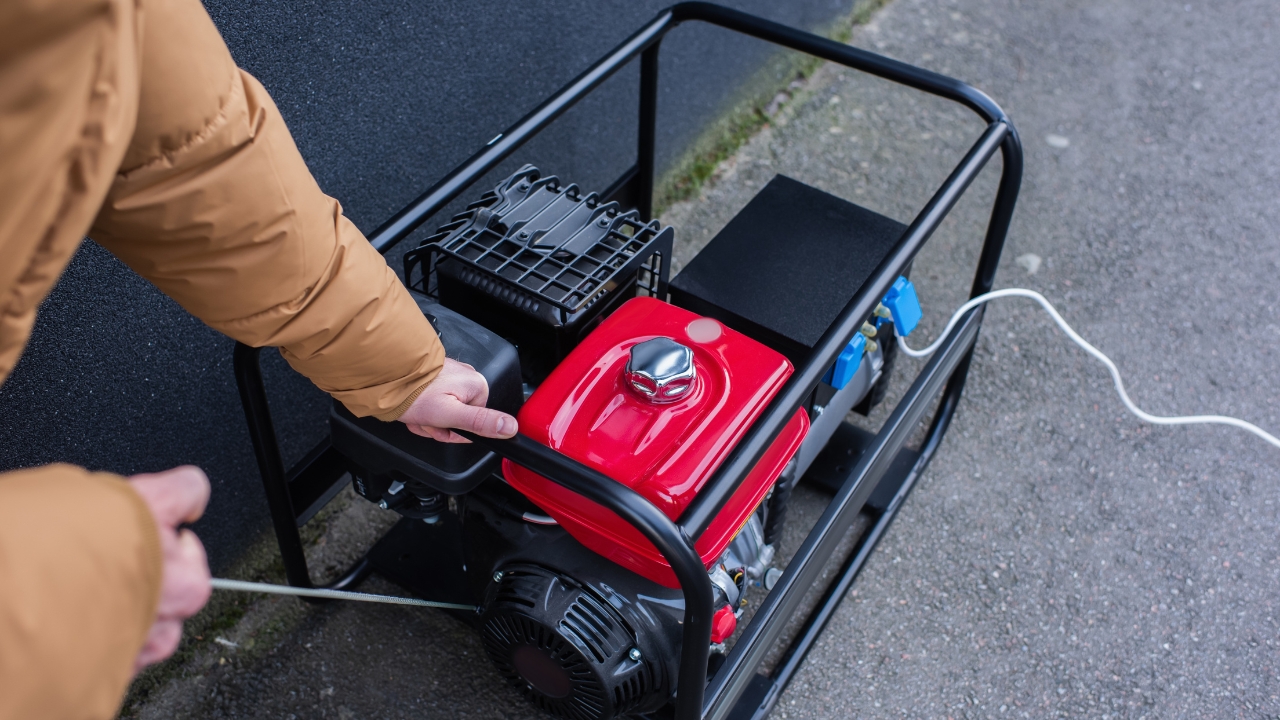
We underestimated carbon monoxide. Running it on the porch or near a window let fumes seep inside. CO is odorless and deadly, which makes this one of the most dangerous mistakes. Generators should always be 20 feet or more from the house with the exhaust facing away.
Forgetting Oil and Filters
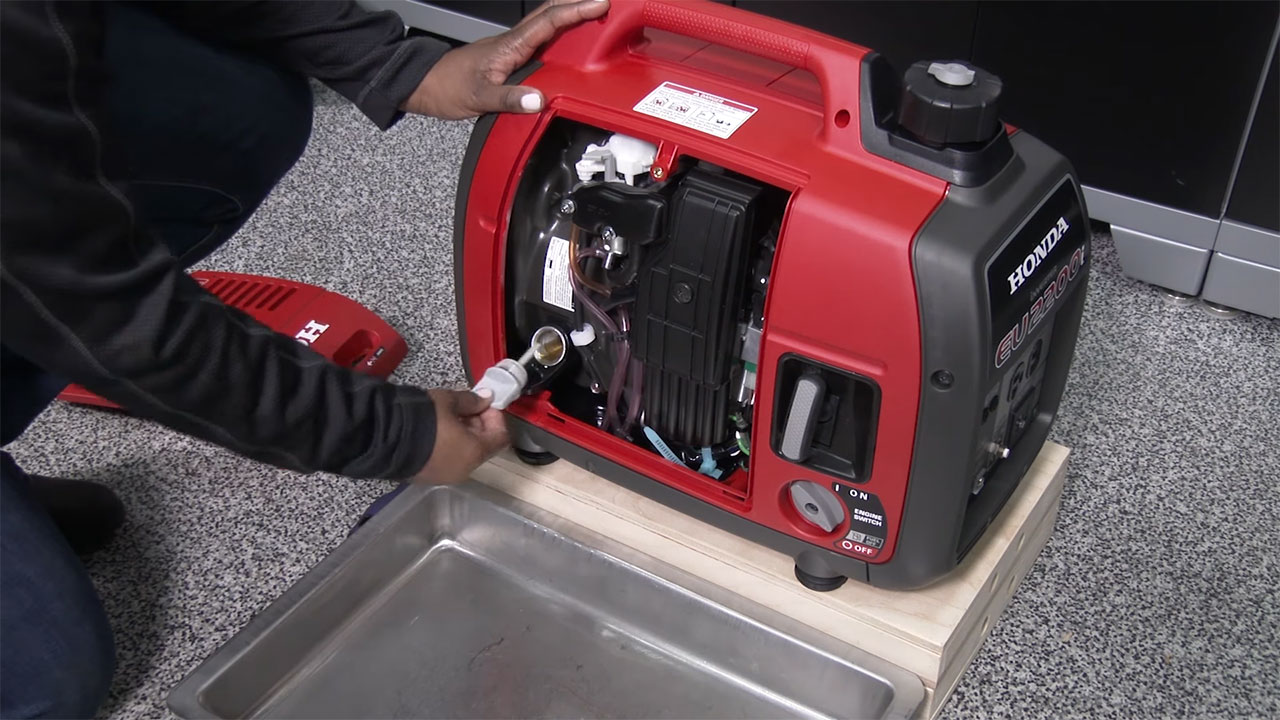
Fuel wasn’t our only problem—we never stocked oil or filters. Once oil ran low, the engine shut off to protect itself. Without spares, we couldn’t restart it. Keeping backup oil and filters on hand is critical if you plan to run it for days at a time.
Not Labeling Breakers
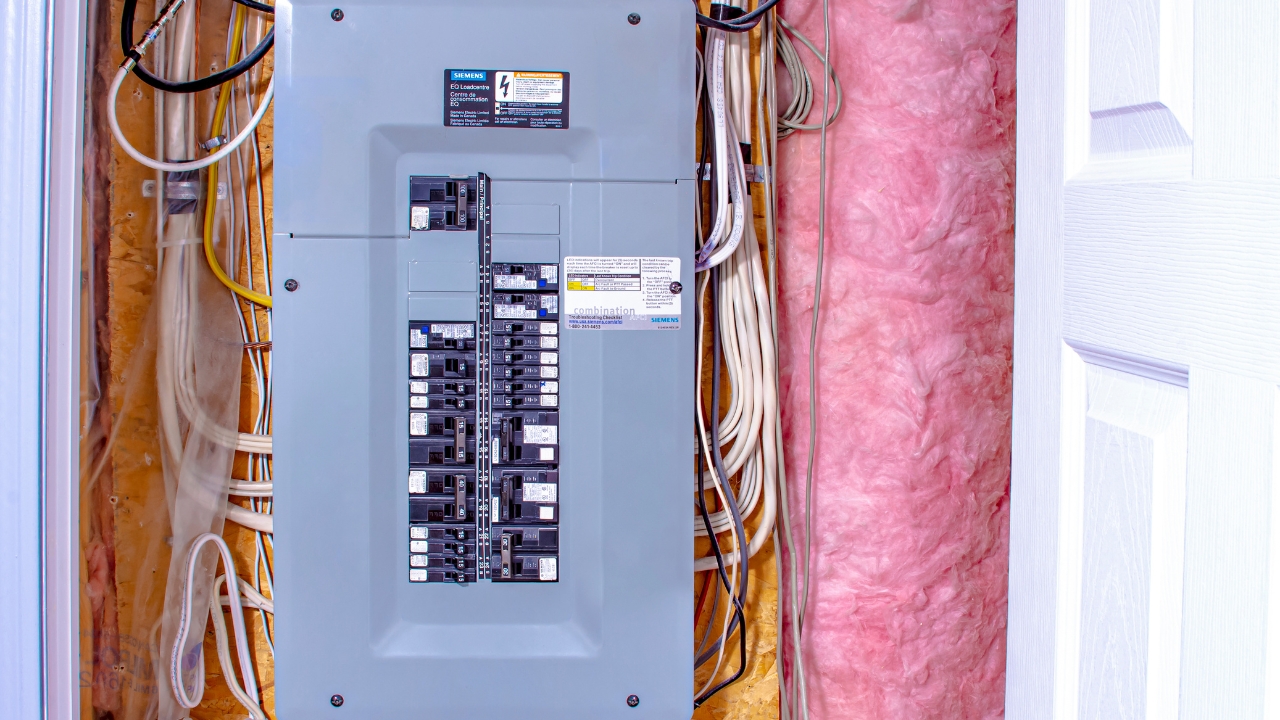
When we finally hooked it up, we had no idea which circuits were most important. That led to wasted time flipping switches while food spoiled. Labeling breakers for “priority” items like the fridge, freezer, and pump ensures you power the right things first during an outage.
Expecting It to Do Everything
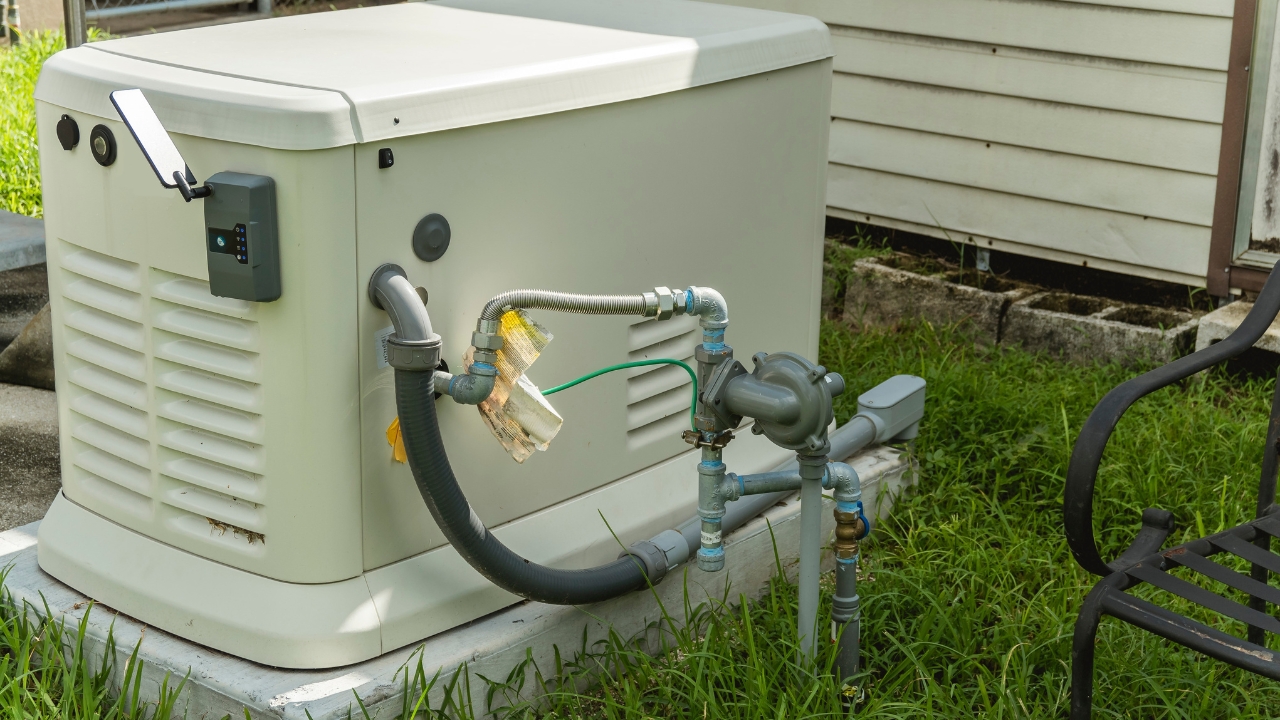
Our biggest mistake was thinking a small portable unit would power the whole house. Generators are backup solutions, not replacements for the grid. Once we accepted that, we adjusted—running only the essentials, conserving fuel, and investing later in a whole-house model that actually fit our needs.
*This article was developed with AI-powered tools and has been carefully reviewed by our editors.