10 things you can fix for $10 that’ll save you hundreds
Photo credit: veryulissa/Shutterstock
Big repairs can get expensive fast, but plenty of problems around the house don’t need a professional—and they don’t need more than a few dollars either. With the right $10 fix, you can stretch the life of your appliances, stop bigger damage before it starts, and avoid costly replacements altogether. These quick repairs are worth learning because the payoff can easily add up to hundreds of dollars in savings.
Leaky faucet washer

That steady drip from your faucet may seem harmless, but it can waste gallons of water every month. Replacing the washer inside the faucet is a basic job, and a pack of washers usually costs less than $10.
Once replaced, the leak stops, and so does the extra water use on your bill. If ignored, that same leak can wear out the faucet itself or even lead to water damage around the sink.
Torn window screen
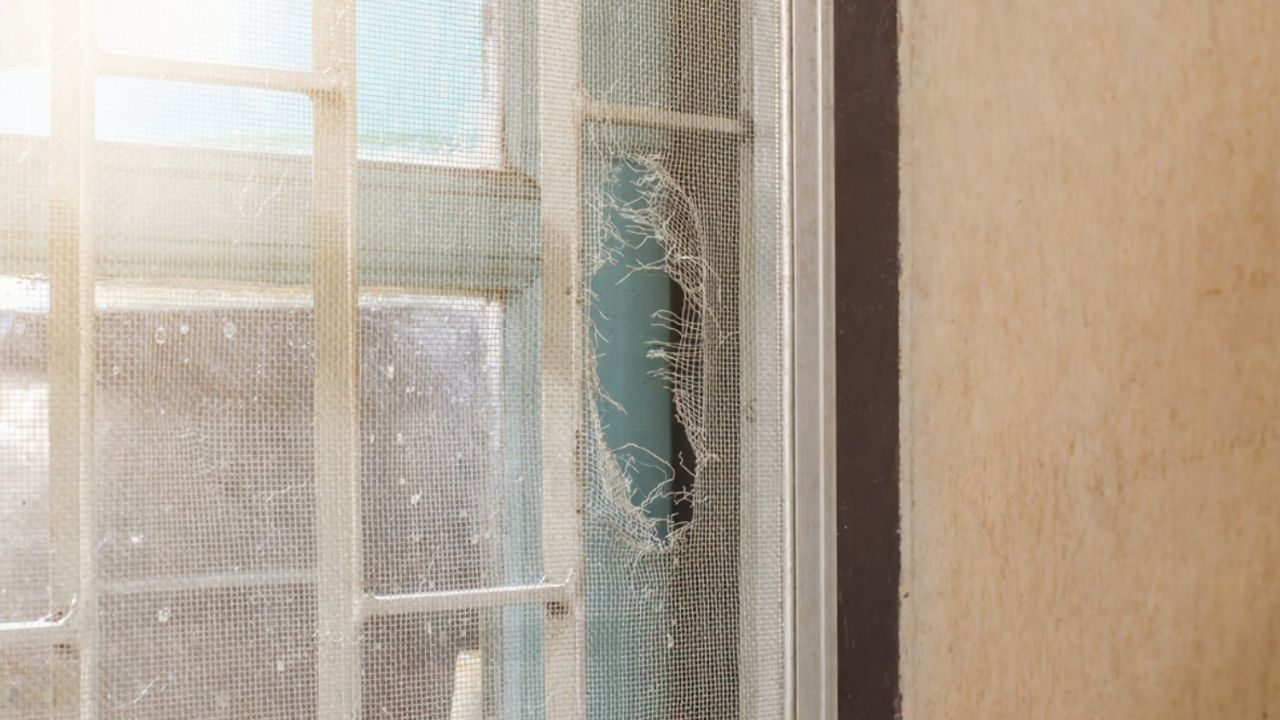
A small tear in a window screen doesn’t look like much until it becomes a highway for mosquitoes and flies in the summer. Repair kits with adhesive patches or spline rolls cost under $10 and are easy to use.
Fixing a screen right away saves you from buying a full replacement later, which can run $50 or more. Plus, you’ll keep bugs out without needing to rely on extra pest control measures.
Wobbly chair leg
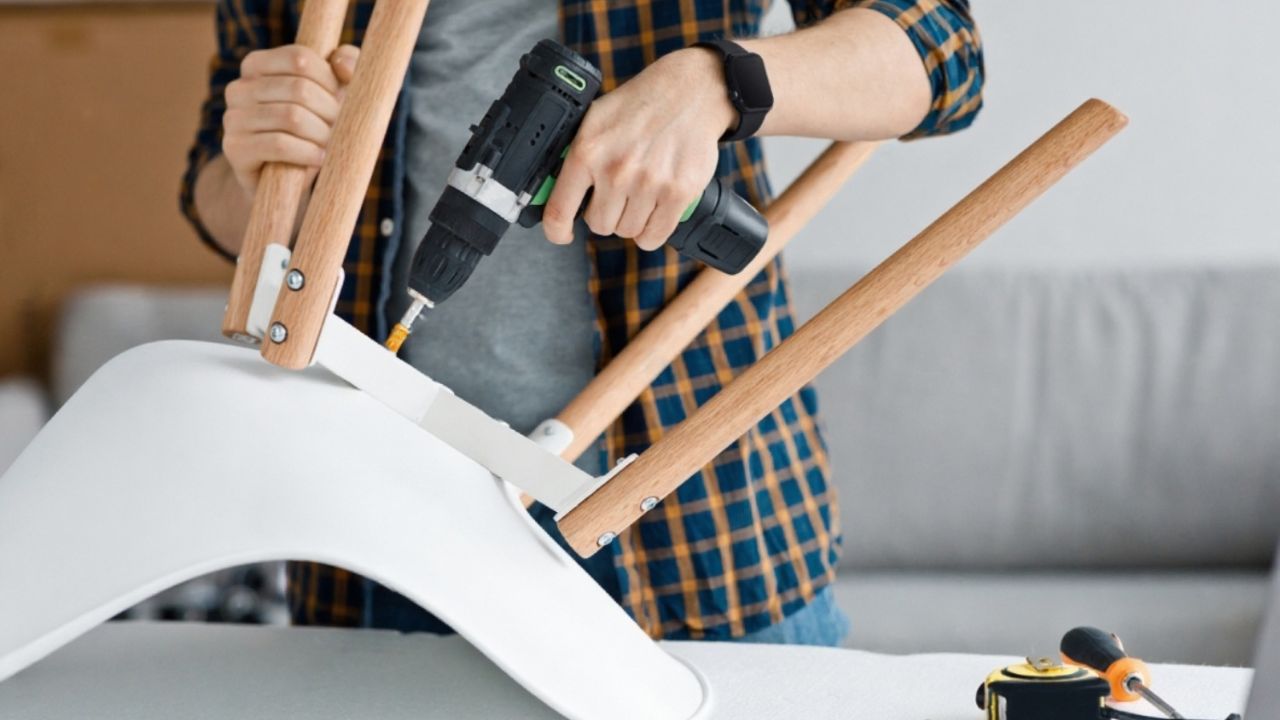
Loose chair legs usually come down to a stripped screw or a joint that needs tightening. A $5 bottle of wood glue or a pack of screws can get your furniture sturdy again.
Letting it go could mean the whole chair breaks, which means buying a replacement. With a quick fix, you extend the life of the chair and keep it safe to use.
Running toilet
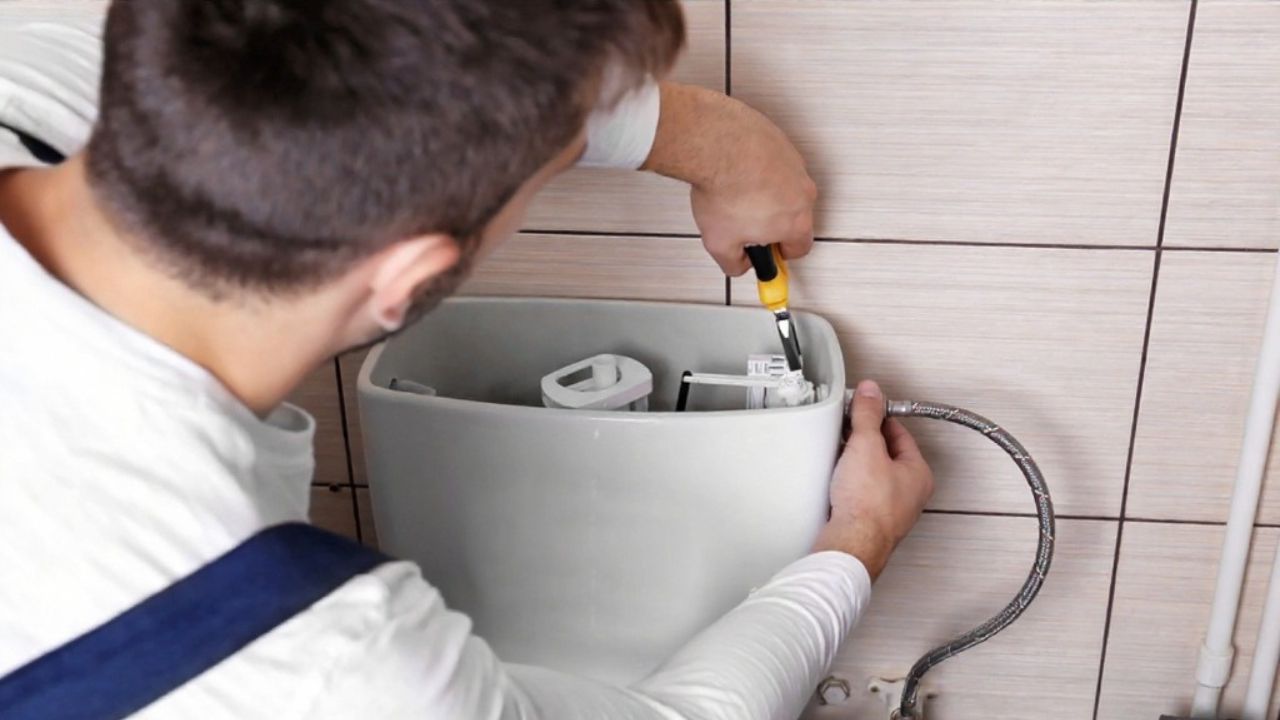
If your toilet keeps running after a flush, it’s usually the flapper valve inside the tank. A new flapper costs under $10 and takes just a few minutes to install.
Fixing it can save you $20–$30 a month on your water bill, depending on how much water is being wasted. Ignoring it means flushing money—literally—down the drain.
Loose door hinge
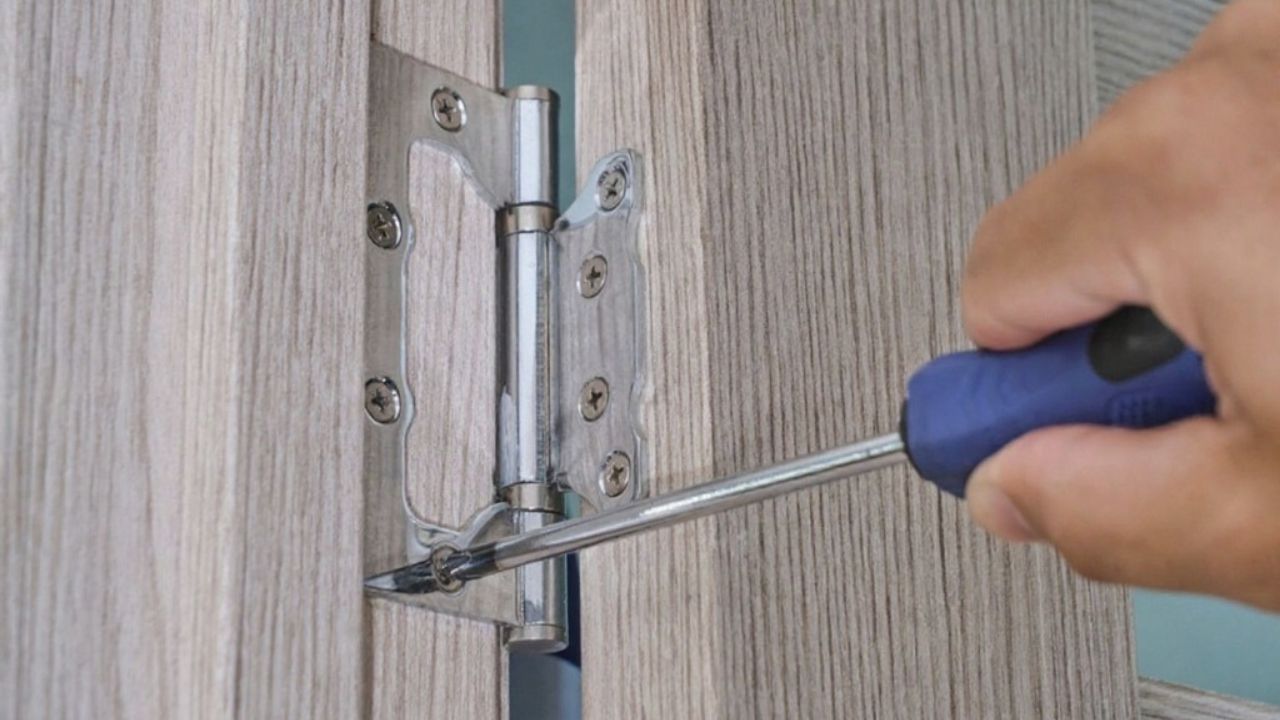
A sagging door that doesn’t close right can usually be fixed with a couple of new screws or hinge pins. These cost less than $10 and make a big difference in how the door works.
Leaving it loose puts stress on the frame and can eventually cause cracks or misalignment that require professional repair. Tightening it up now prevents that extra expense.
Stripped showerhead connection
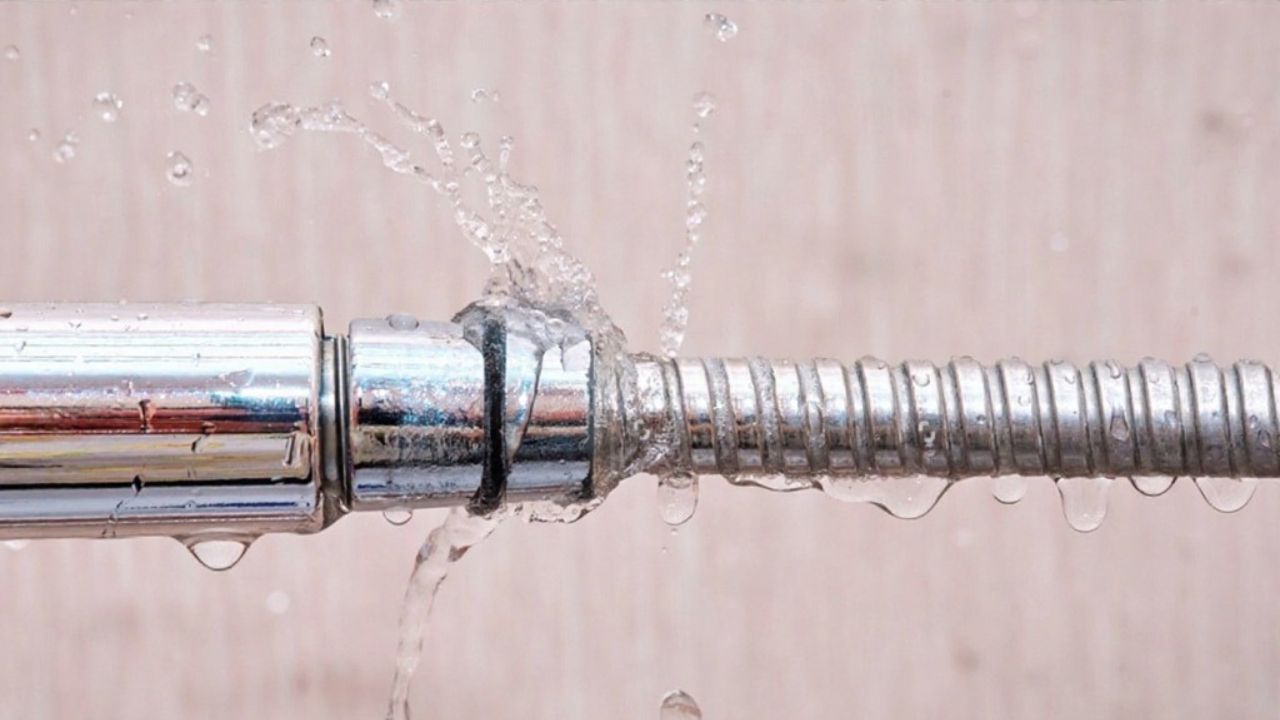
If water is spraying from where the showerhead connects to the pipe, it’s likely the old thread tape has worn out. A roll of plumber’s tape is under $5 and seals the connection instantly.
That small fix not only stops leaks but also prevents water from seeping into the wall, which could lead to mold or drywall damage. It’s one of the cheapest ways to avoid a major repair.
Broken zipper pull
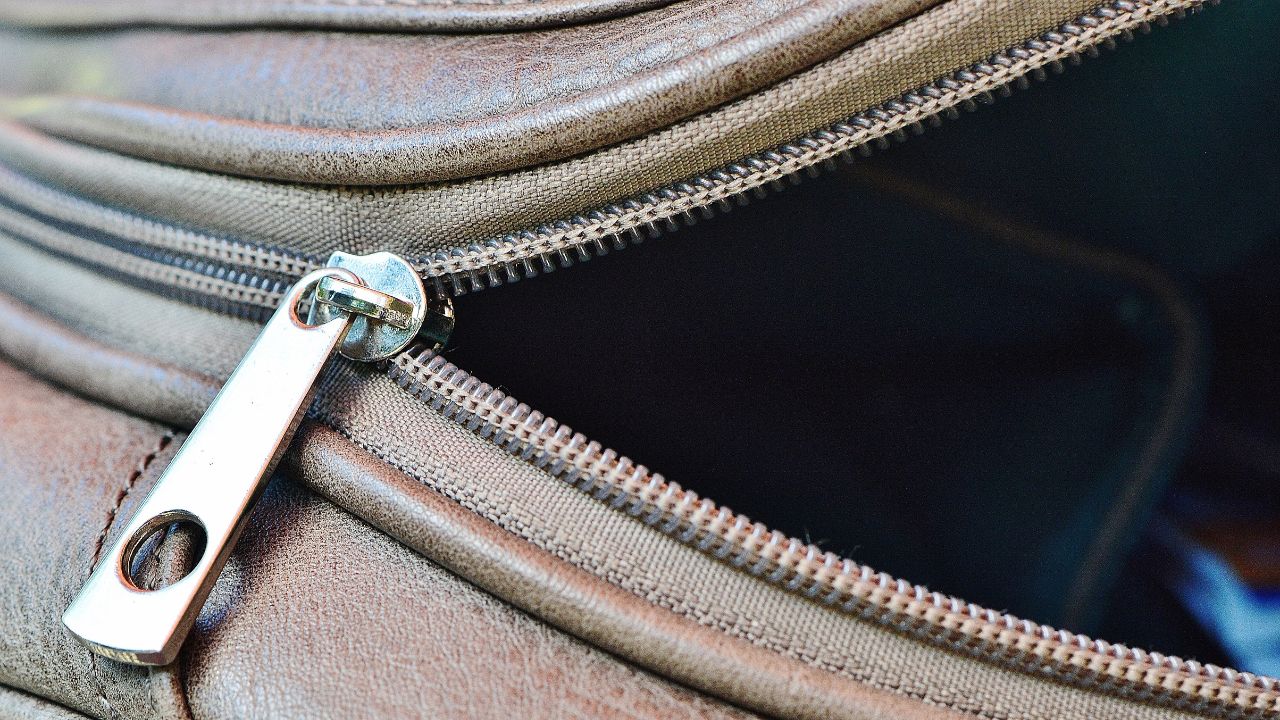
You don’t need to toss a bag, jacket, or pair of jeans over a missing zipper pull. A $2 replacement pull or even a keyring can bring it back to working order.
Replacing the whole item could cost anywhere from $40 to $200 depending on what it is. With a small fix, you get more use out of something you already own.
Squeaky door
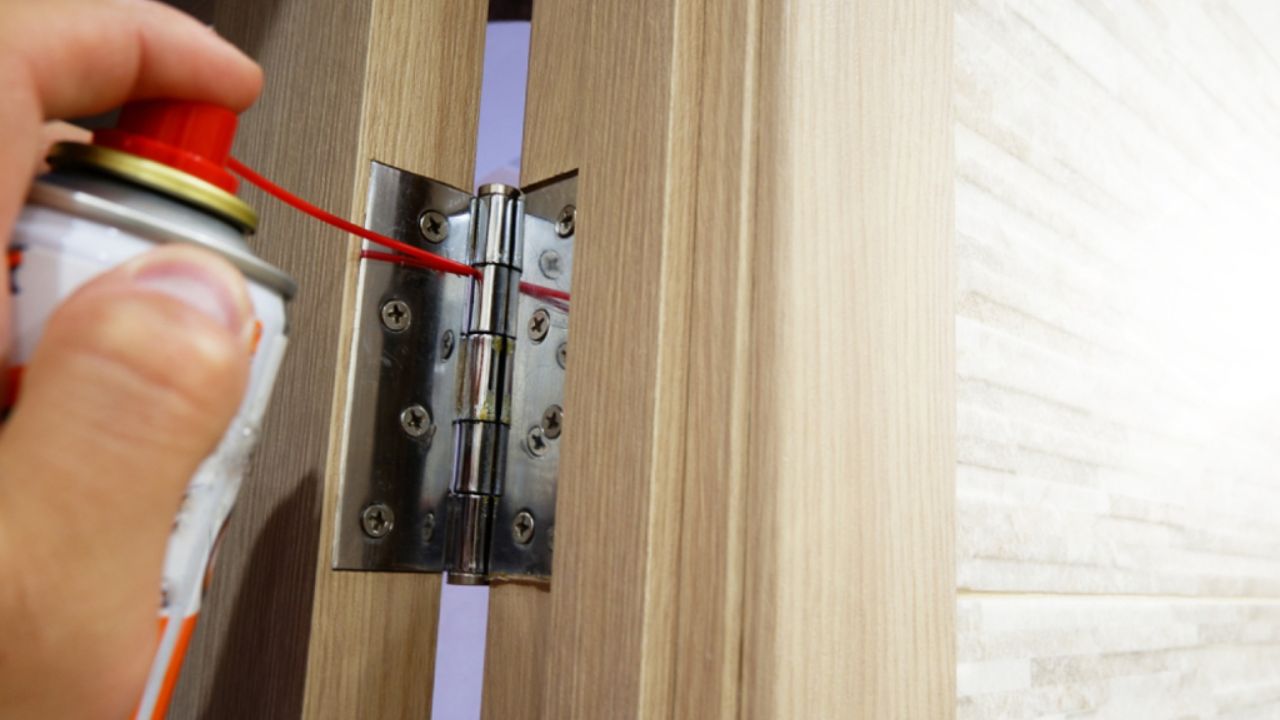
That squeak when you open a door isn’t just annoying—it’s also a sign the hinge is wearing down. A $5 can of lubricant spray can silence it instantly and protect the hinge from further damage.
If left alone, the hinge can eventually warp or seize, which means replacing it entirely. Keeping it lubricated is a tiny investment that makes your hardware last.
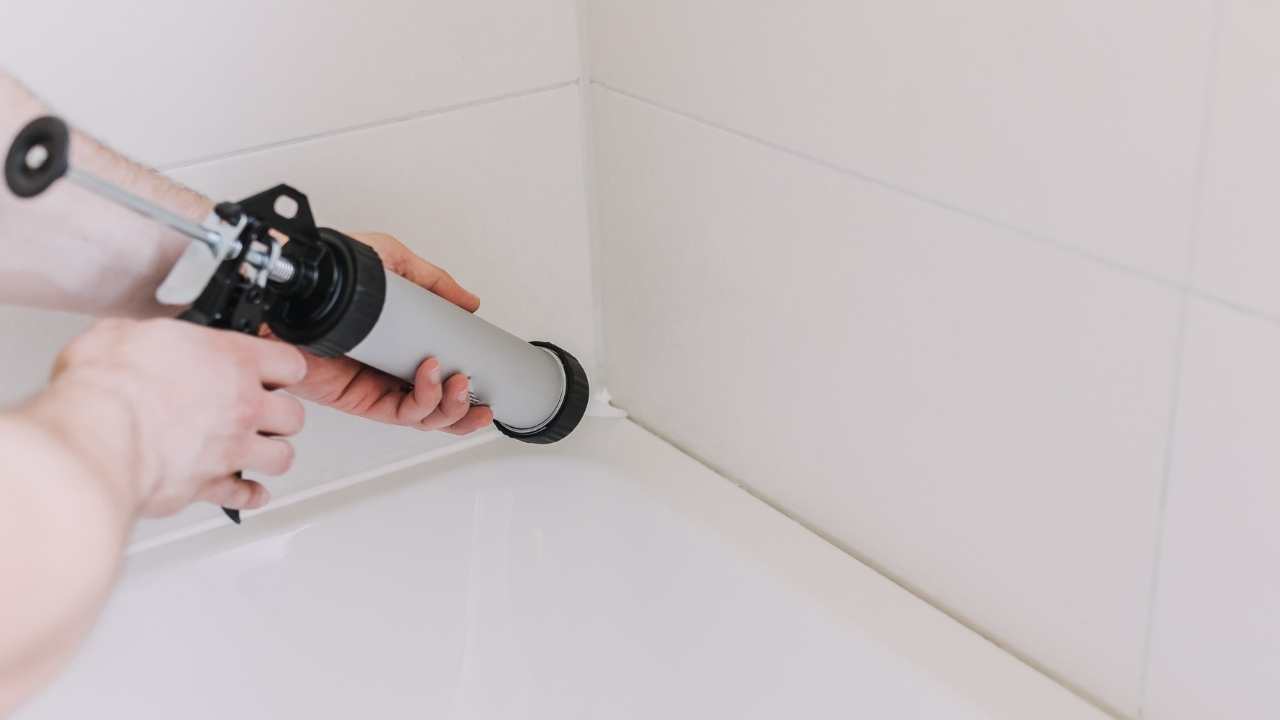
Cracked caulk around tub
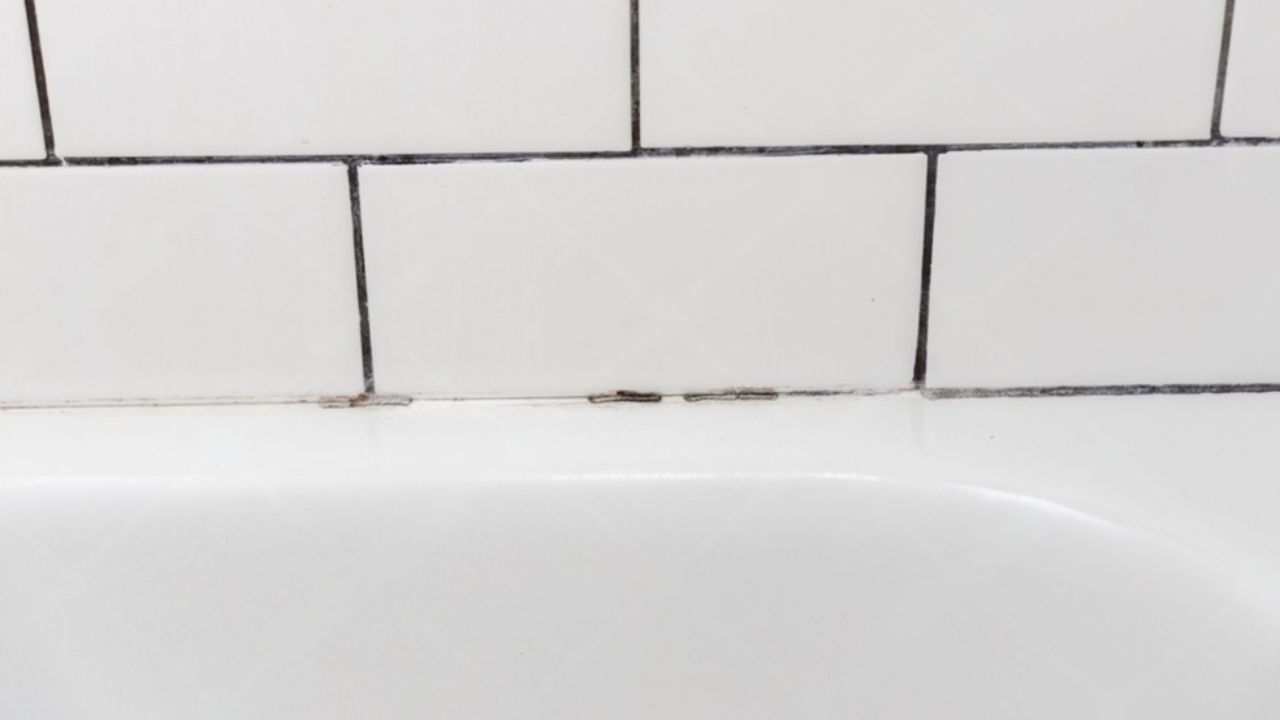
Gaps in caulking let water seep into the walls and floors, leading to mold and costly water damage. A small tube of bathroom caulk costs under $10 and takes about an hour to apply.
Sealing those cracks now can save you hundreds in repairs later. It also keeps your bathroom looking clean and fresh without a full renovation.
Frayed extension cord ends
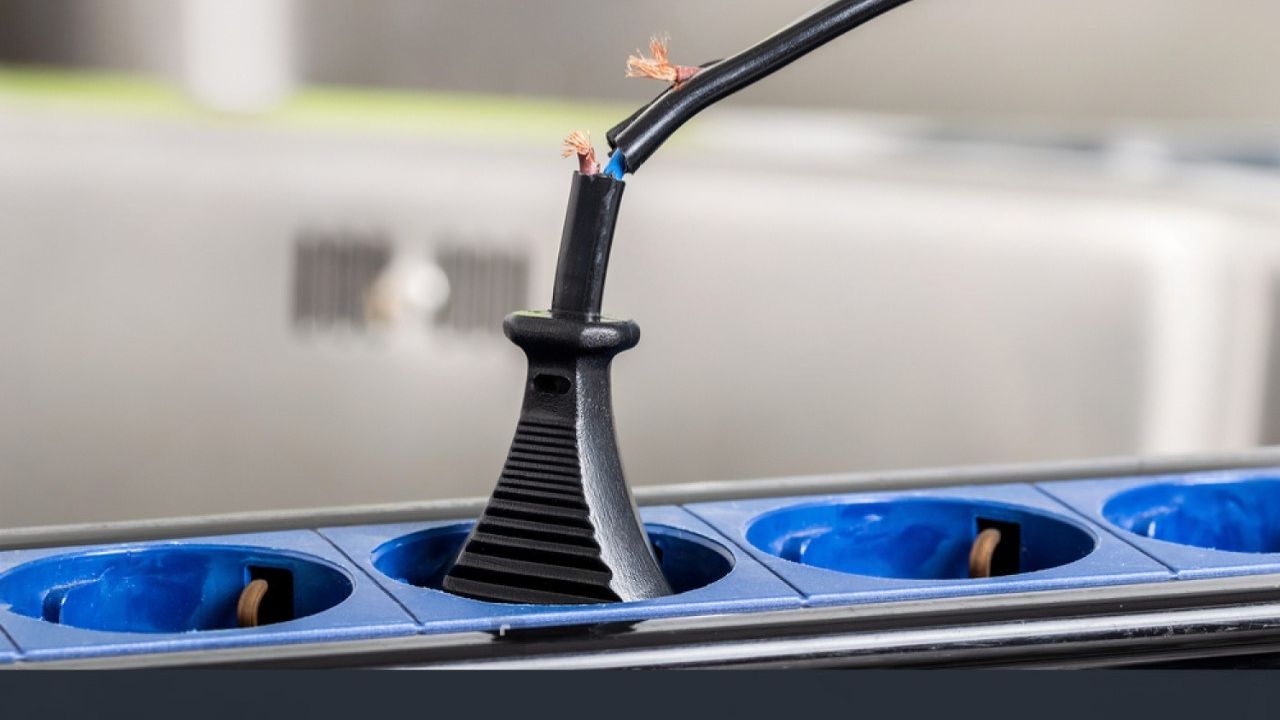
If the plug end of an extension cord starts to fray, you don’t need to throw the whole thing out. Replacement plugs cost under $10 and are simple to install with a screwdriver.
Repairing the cord keeps it safe and functional, while replacing the entire cord could run $25 or more. Plus, you avoid the fire hazard of continuing to use a damaged one.
*This article was developed with AI-powered tools and has been carefully reviewed by our editors.