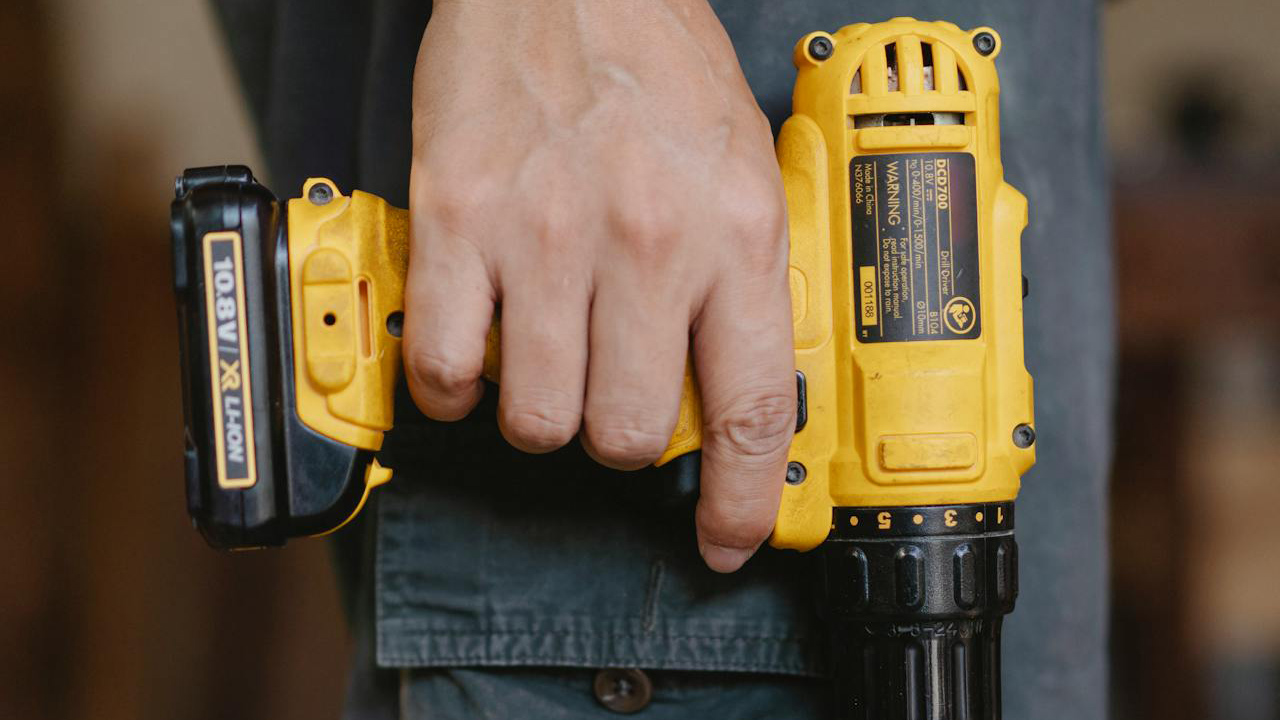
Things You’re Doing That Void the Warranty on Your Tools
Photo credit: pexels.com
Most warranties are stricter than people realize. Even if the damage seems minor, certain habits or oversights can cancel your coverage fast—leaving you with a broken tool and no support.
Using the Tool Outside Its Intended Use
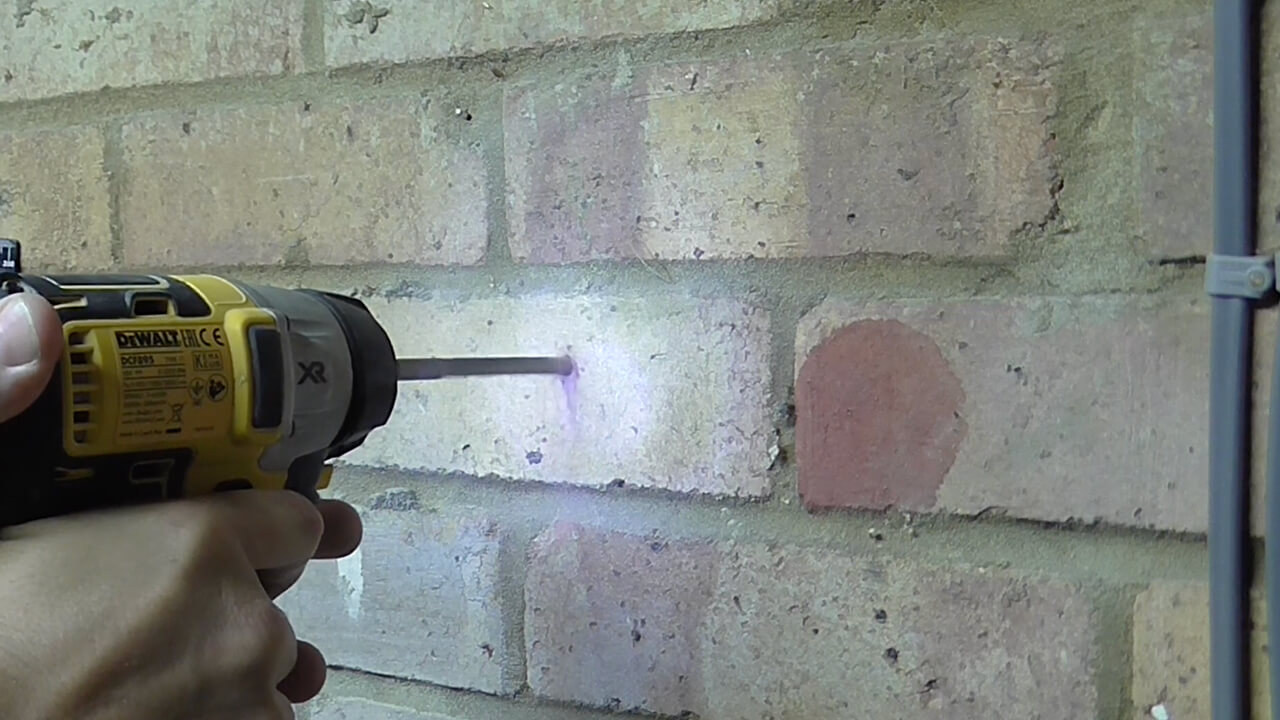
Using a drill as a hammer or an impact driver on masonry isn’t what it was made for.
Manufacturers can deny your claim if the damage came from “misuse.” Even if the tool still technically worked, signs of that kind of wear show up fast.
Taking It Apart Yourself
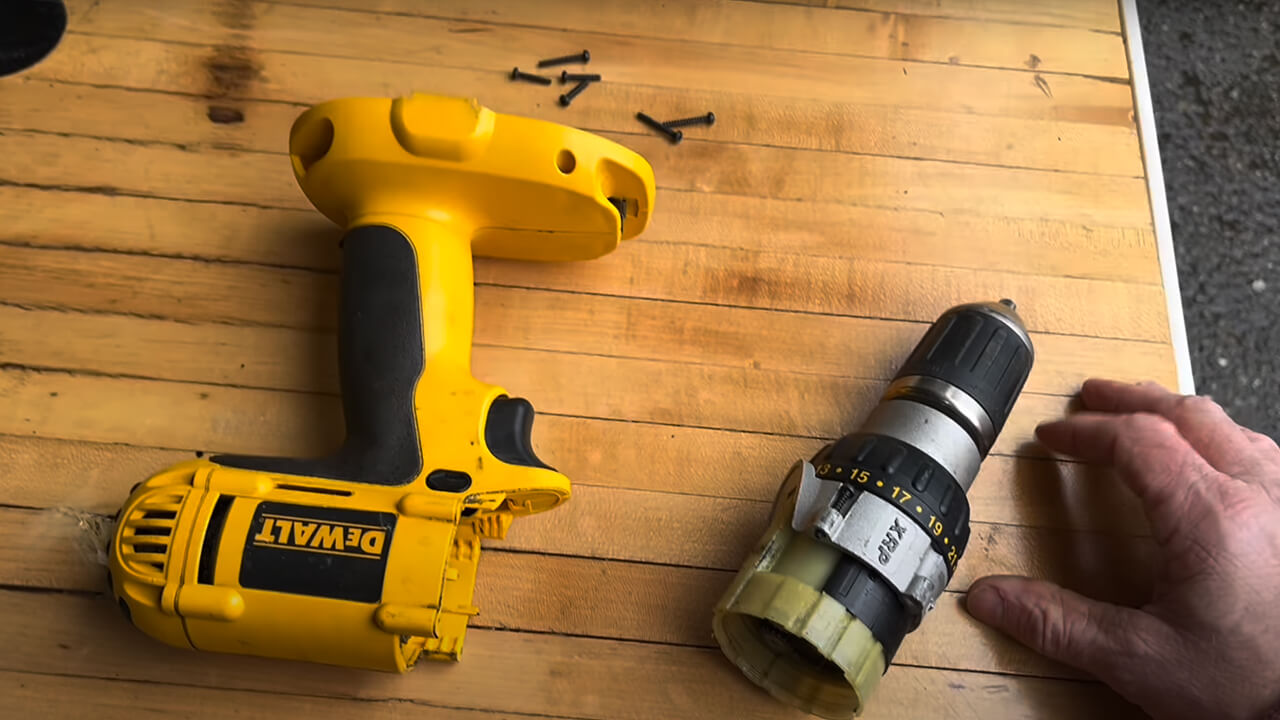
Even if you’re handy, opening the casing or messing with wiring is a quick way to void your warranty.
Most companies require repairs to be done by an authorized tech. If they see tampering, you’re out of luck—even if your issue had nothing to do with what you touched.
Not Registering the Product

Some warranties require product registration right after purchase.
Skip that step, and they may not honor anything down the road. It only takes a minute to register your tools, and it’s worth it when something goes sideways.
Using Aftermarket Batteries or Chargers
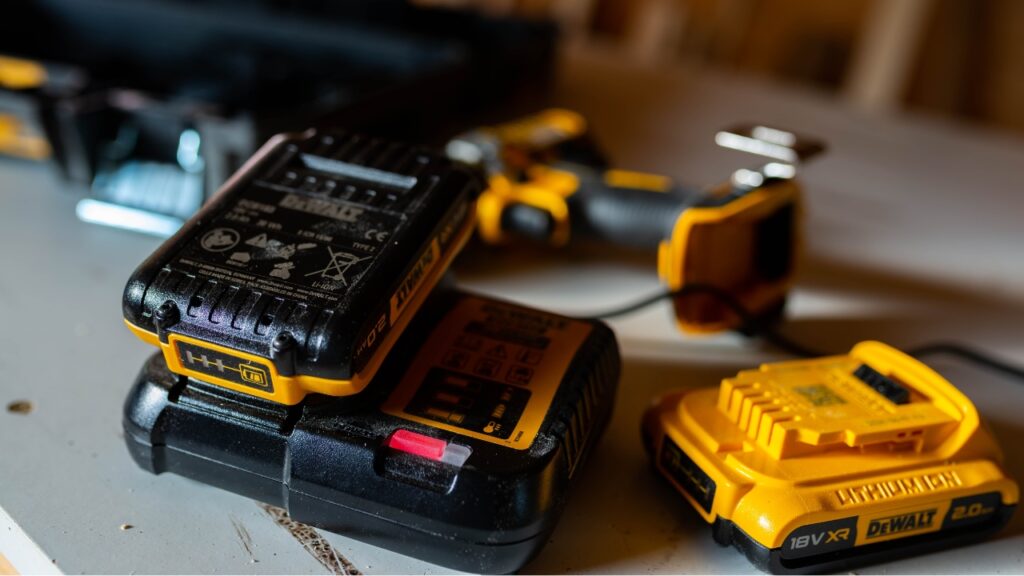
Non-OEM accessories are one of the first things companies blame when a tool fails.
Even if it didn’t cause the damage, they’ll point to that third-party battery or charger and use it to deny your claim. Always check what’s approved before buying extras.
Ignoring Routine Maintenance

Letting dust build up, skipping blade changes, or not oiling moving parts can all count against you.
If it looks like neglect played a role in the failure, many brands will walk away from the warranty. Keep tools clean, dry, and well-maintained.
Using the Tool Commercially

Some tools are only covered for personal use.
If you’re using homeowner-grade tools for a side gig or full-time work, the warranty might be void the moment they find out. Read the fine print on “intended use.”
Exposing the Tool to Water
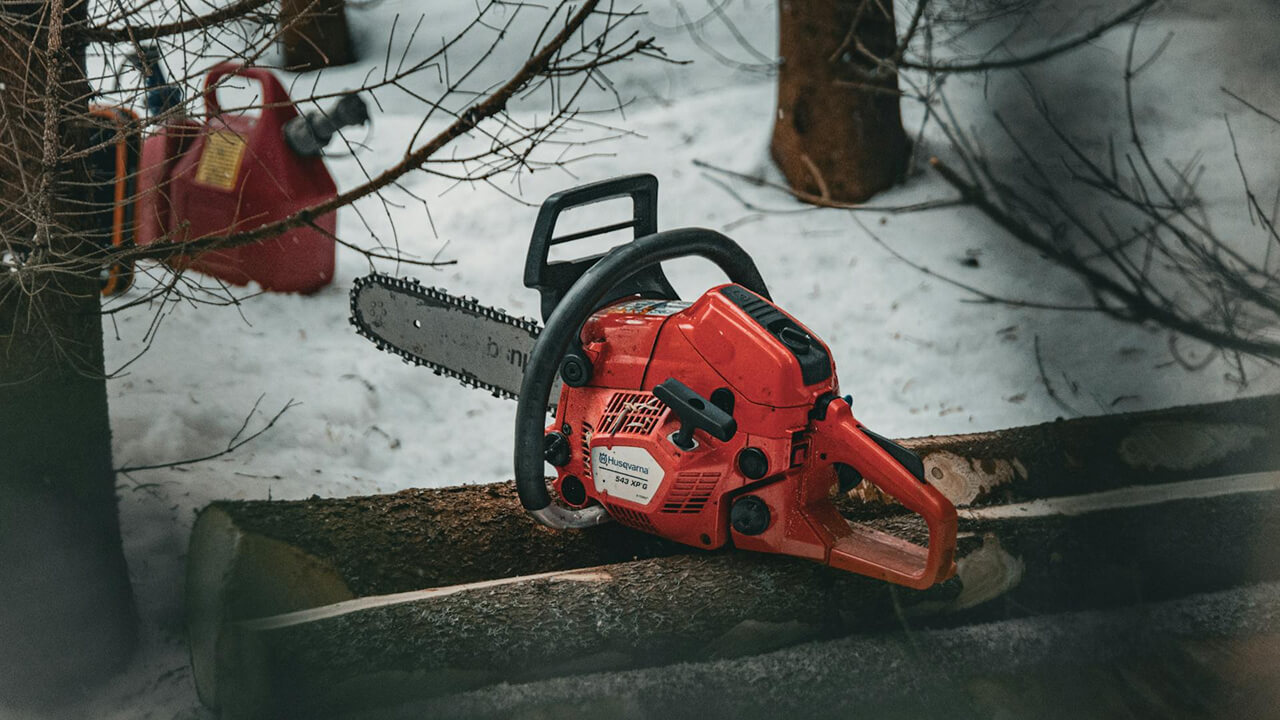
Rain, pressure washing, or even damp grass can trigger corrosion warnings.
Most tools aren’t waterproof—even the ones labeled as “weather-resistant.” If the inside shows signs of moisture, the warranty’s done.
Letting Others Use It

It sounds silly, but some warranties are “non-transferable,” even between family.
If something breaks while a friend or neighbor is using it, they might not honor the claim. Again—depends on the brand, but it’s worth checking.
Not Keeping the Receipt
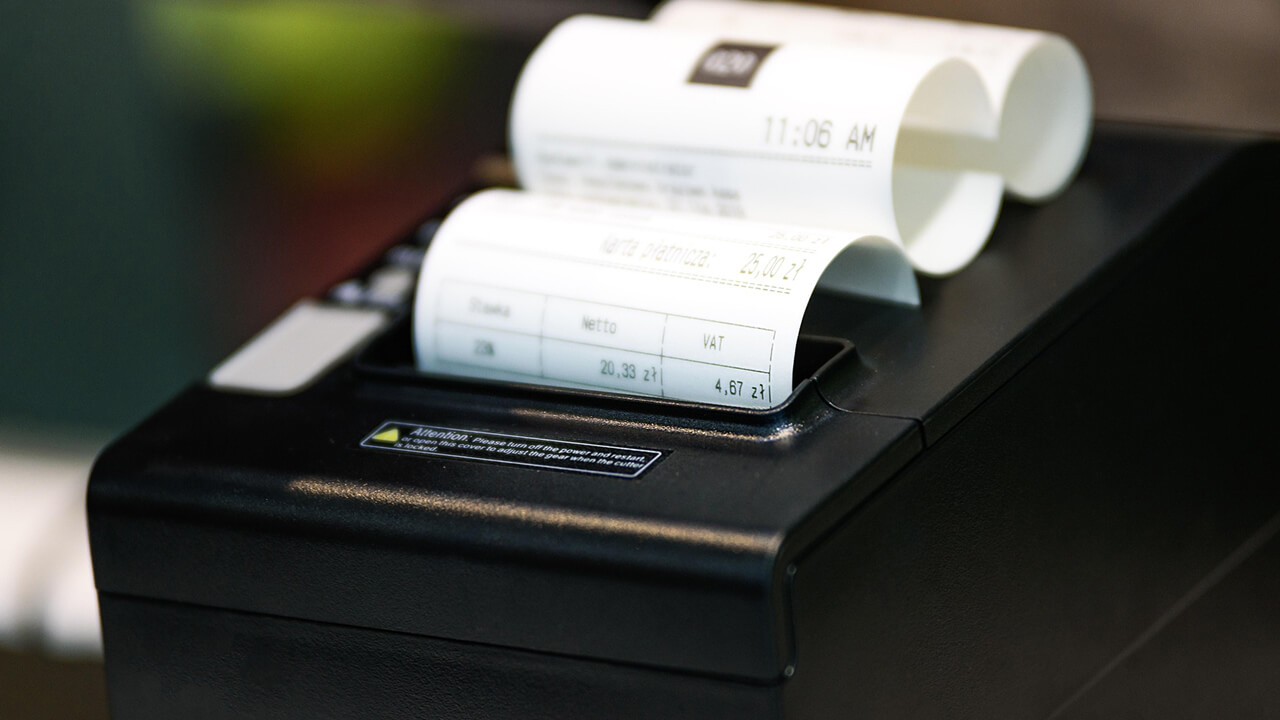
No proof of purchase? Most brands won’t even look at the tool.
Digital receipts are fine—just make sure you hang onto them. Some stores can reprint them, but it’s a hassle you’ll want to avoid.
*This article was developed with AI-powered tools and has been carefully reviewed by our editors.