The $1 cleaning mistake that’s quietly ruining your appliances
Photo credit: LumenSt/Shutterstock.com
Most people don’t realize that grabbing the cheapest $1 cleaners can end up costing them far more in the long run. What seems like an easy way to save money often contains harsh chemicals, too much fragrance, or watered-down formulas that slowly wear down your appliances.
Whether it’s your dishwasher, washing machine, or even your coffee maker, using the wrong cleaning products doesn’t just make them less effective—it can shorten their lifespan. Here’s what that $1 mistake can actually do and what to do instead.
Dishwasher Lining Gets Damaged
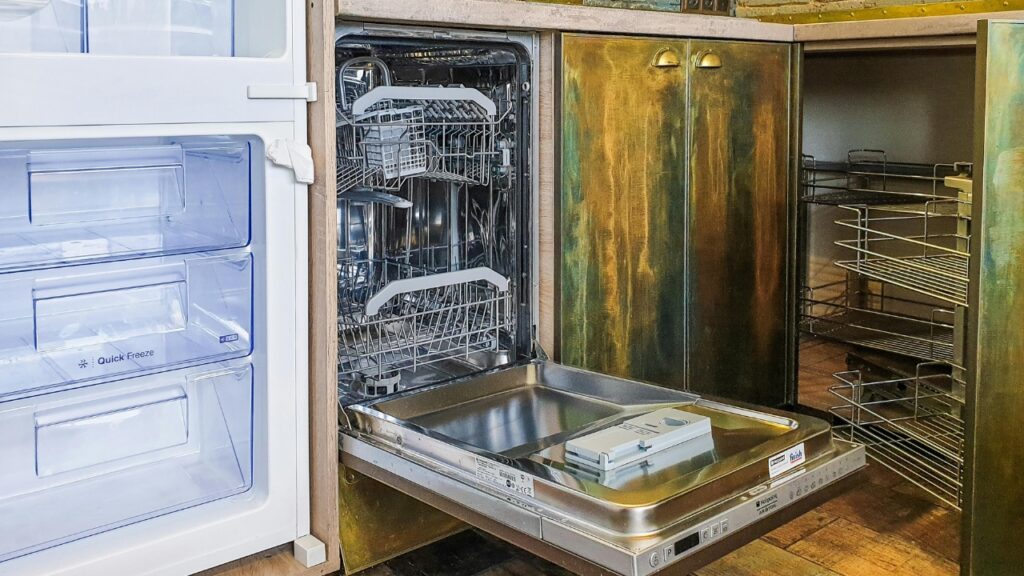
Those cheap cleaners often have high levels of bleach or ammonia. Over time, they can erode the interior lining of your dishwasher, leaving behind stains and even rust.
Instead of helping your machine last longer, the harsh chemicals cause it to break down faster. Using a product meant for dishwashers protects both the appliance and your dishes.
Washing Machine Seals Break Down
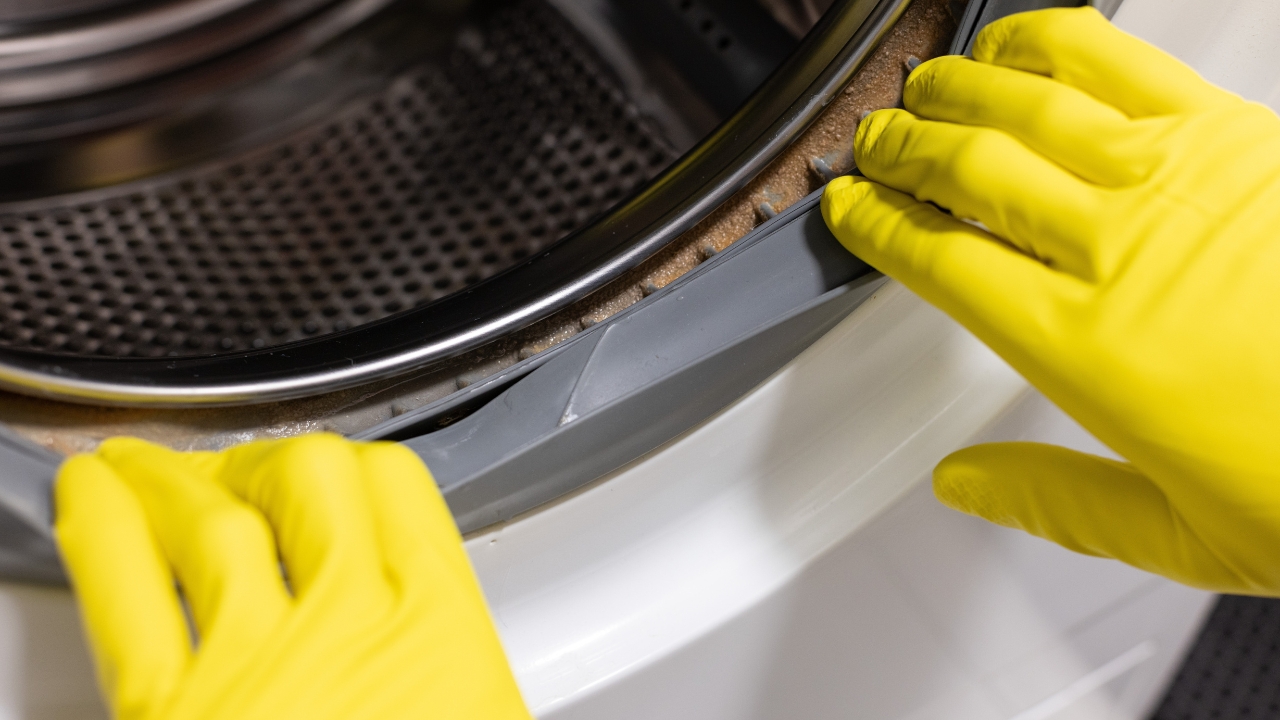
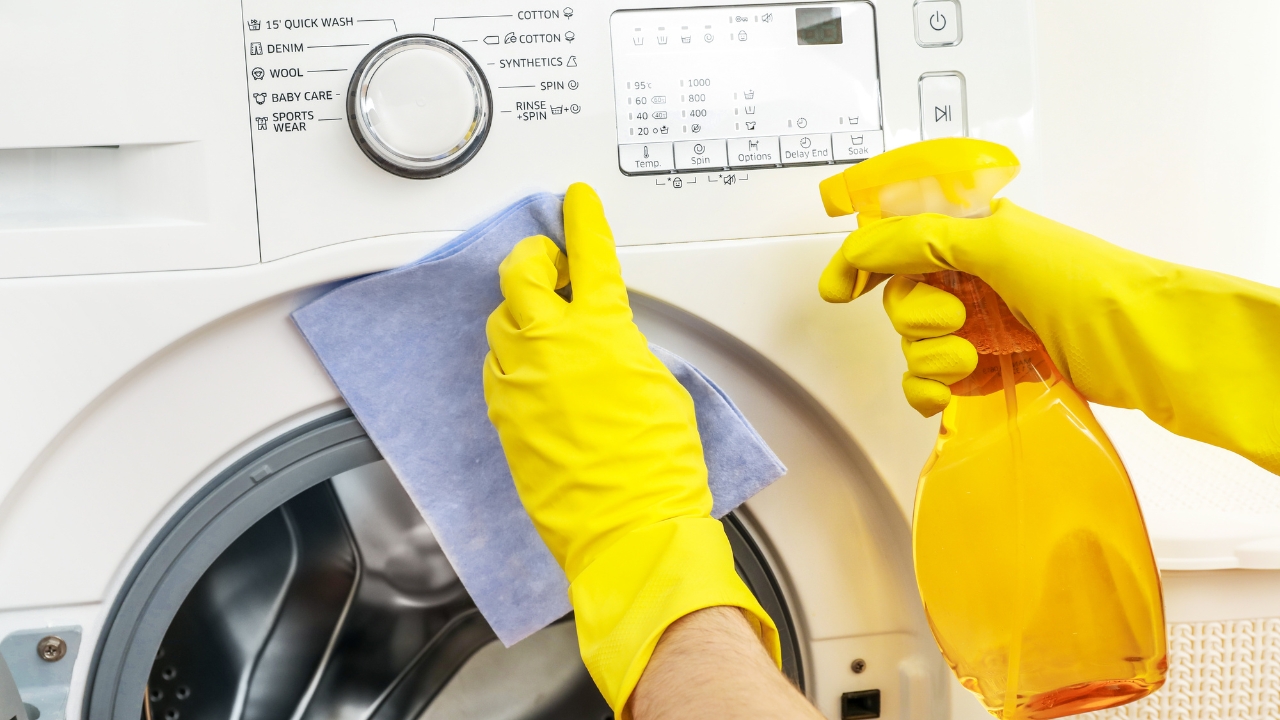
A $1 cleaner might smell fresh, but it can eat away at the rubber seals in your washer. That leads to leaks and mold problems you don’t want to deal with.
A safe cleaner keeps the drum fresh without stripping away the materials it’s designed to protect. Spending a couple more dollars goes a long way toward avoiding repairs.
Coffee Maker Starts Tasting Off
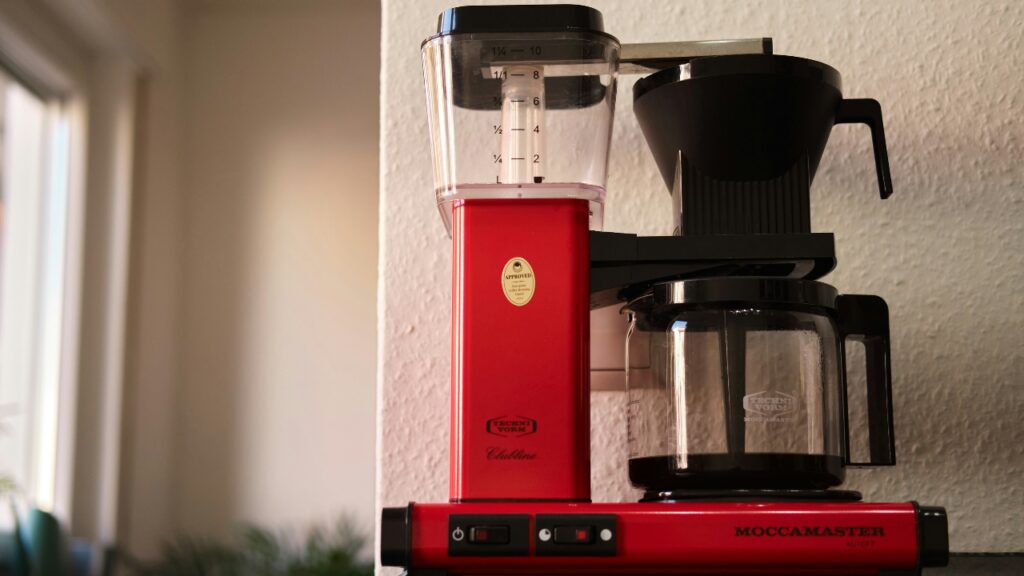
Using cheap vinegar alternatives or heavily perfumed cleaners in your coffee maker leaves residue you’ll taste in every cup. That buildup also clogs the machine over time.
Descaling with real vinegar or a coffee maker–safe cleaner is the better route. It keeps water flowing freely without leaving behind anything you don’t want in your morning brew.
Fragrance Oils Leave Sticky Residue
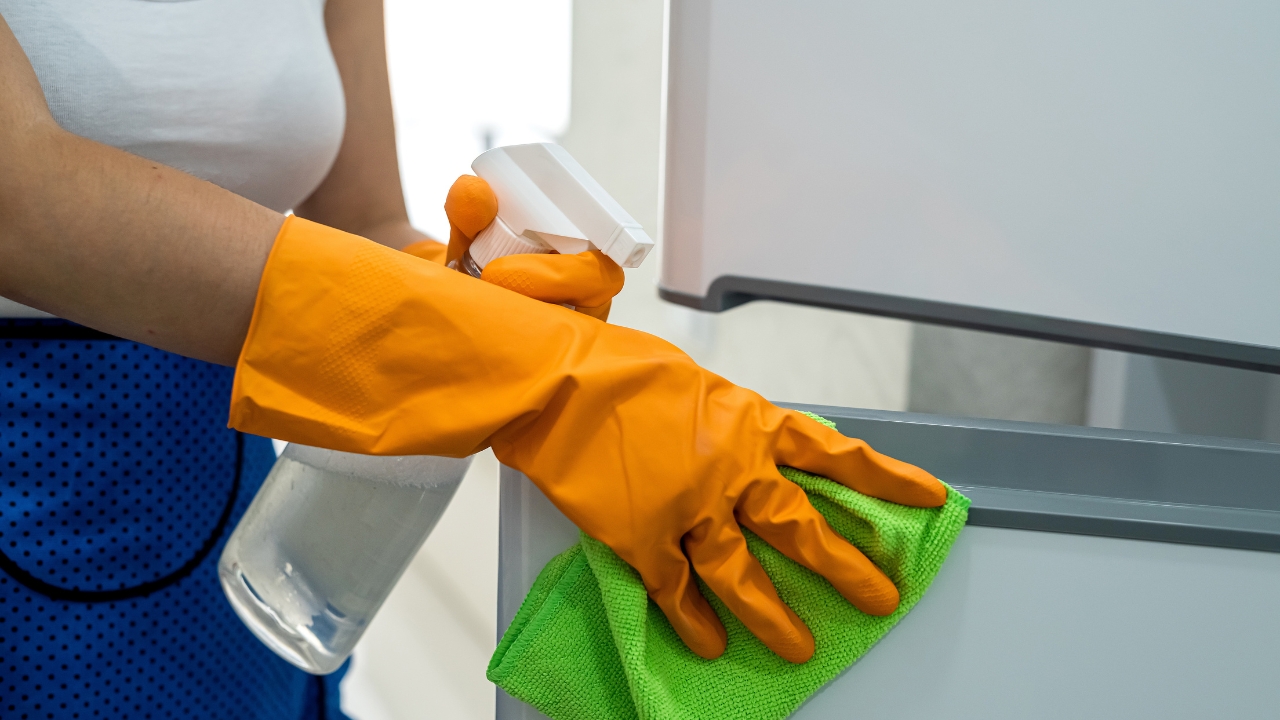
Many low-cost cleaners rely on fragrance oils to mask odors. The problem is, those oils don’t rinse clean and can leave a film on surfaces inside appliances.
That film traps dirt and bacteria, which makes smells worse in the long run. Choosing fragrance-free, appliance-safe cleaners helps you avoid the buildup entirely.
Sprays Contain Hidden Abrasives
Some $1 sprays use small abrasives to make surfaces look shinier. While they might buff out grime, they also scratch delicate surfaces like stainless steel or glass.
Once those scratches set in, your appliances are harder to clean and show wear faster. Non-abrasive cleaners protect the finish so your appliances actually look newer longer.
Overuse of Bleach Creates Corrosion
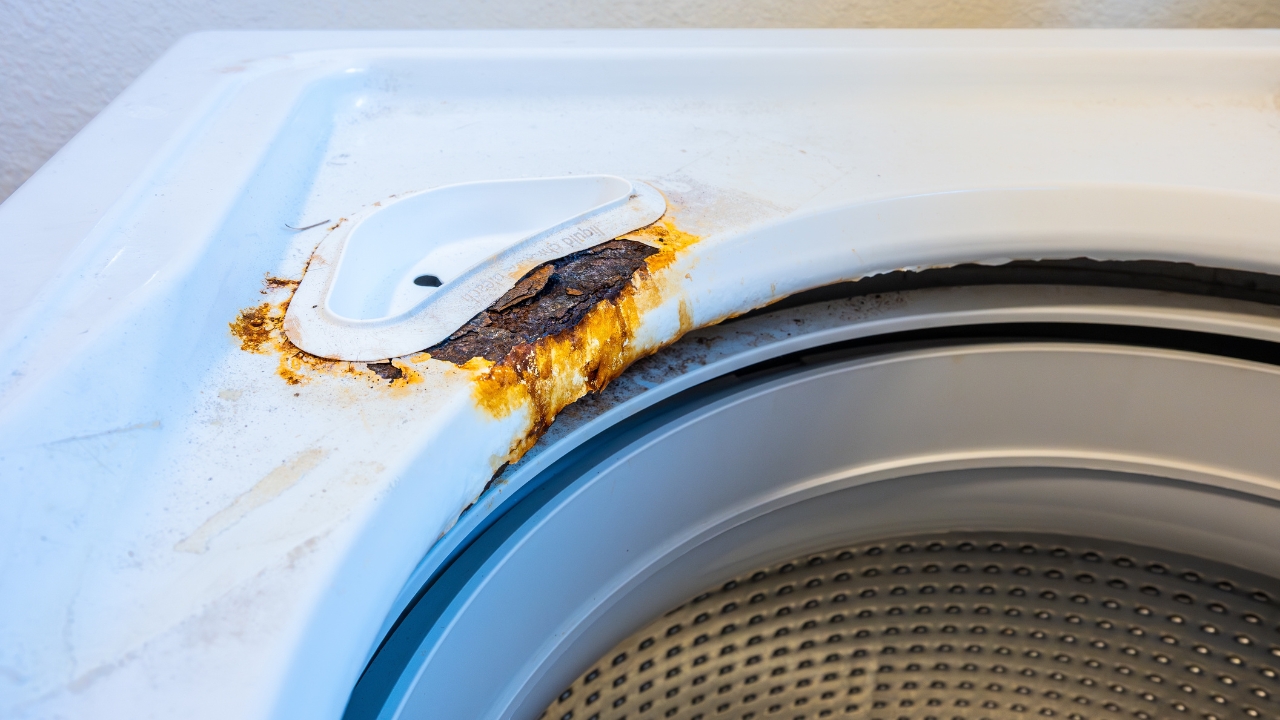
It’s tempting to use bleach for everything because it seems like the strongest option. But too much bleach eats away at metal components inside appliances.
You’ll notice rust around screws, trays, or inner workings, which weakens the machine. A gentler disinfectant still kills bacteria without corroding parts you can’t replace easily.
Plastic Parts Become Brittle
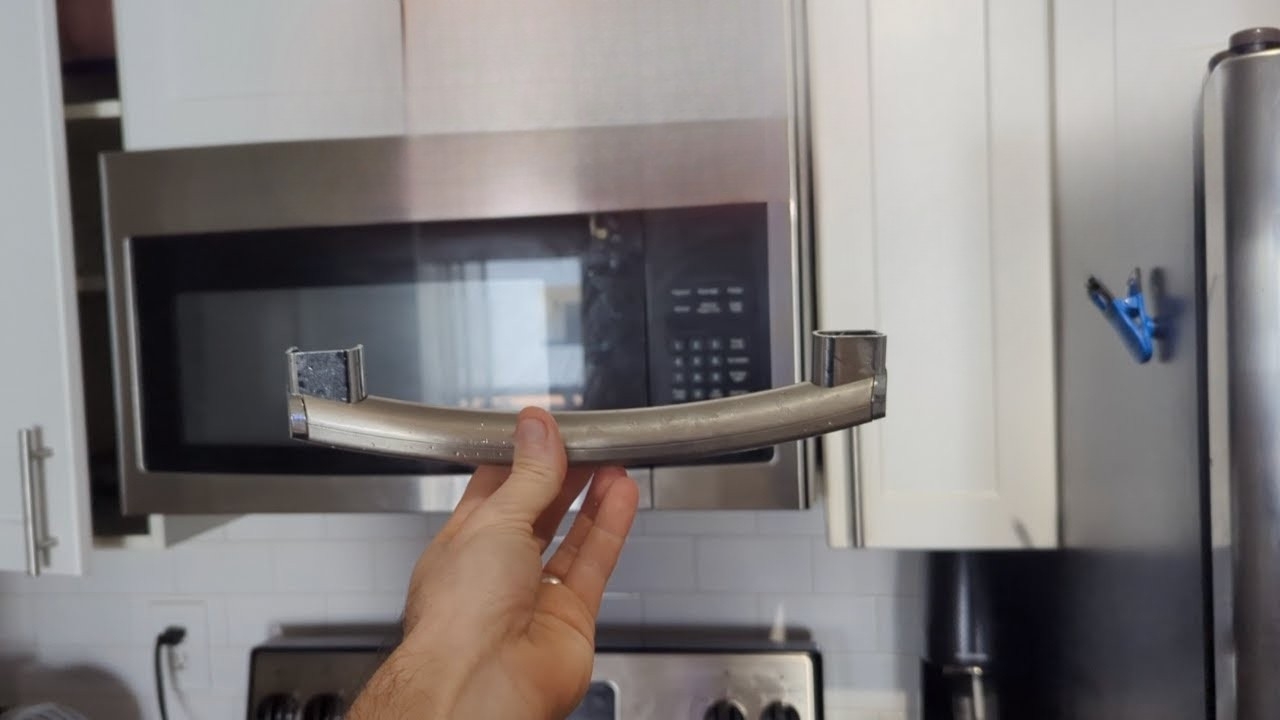
Many cheaper cleaners are heavily diluted with alcohol. That much alcohol can dry out and weaken plastic parts on appliances like blenders, microwaves, or humidifiers.
Once plastic starts cracking, it’s not fixable—you’ll end up replacing the whole thing. A mild cleaner or even plain soap and water is usually all you need for plastic.
Electronics Can Short Out
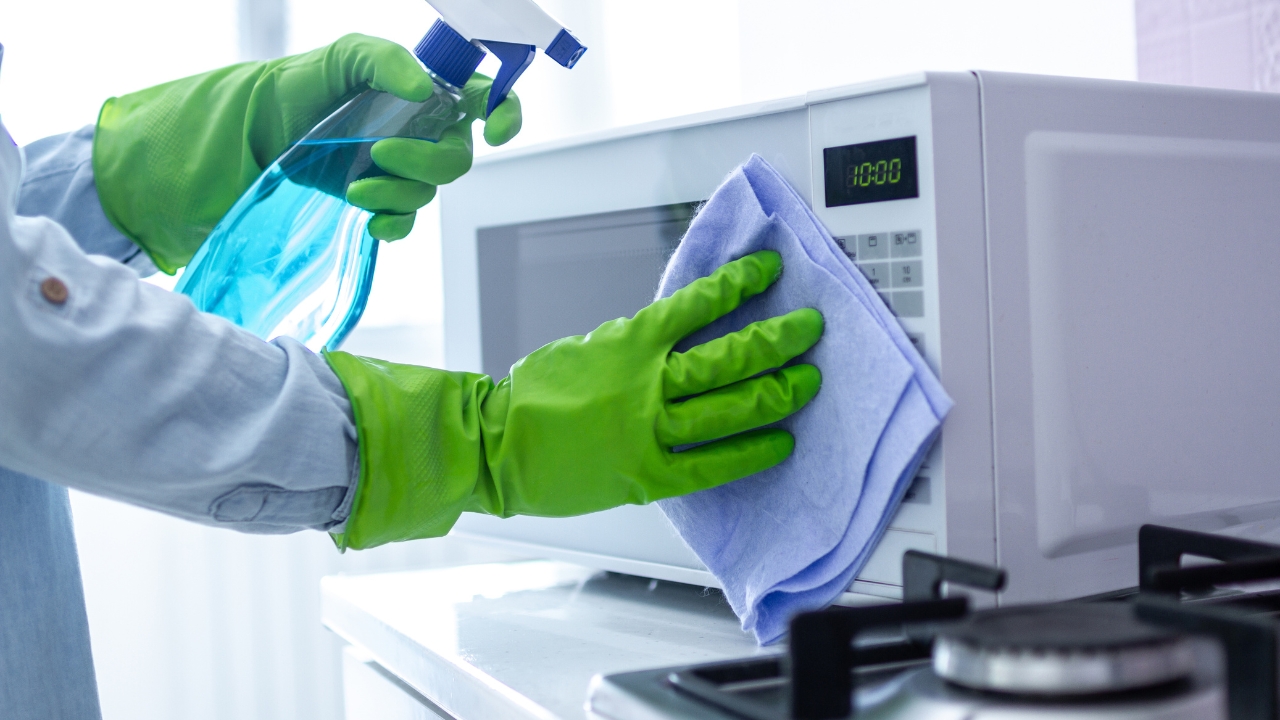
Using a $1 spray directly on electronic panels, like a microwave keypad or washing machine controls, increases the risk of damage. The liquid seeps into cracks and shorts the circuit.
A microfiber cloth slightly dampened with a safe cleaner does the job without soaking the electronics. Skipping the cheap spray avoids the risk altogether.
Minerals Build Up Faster
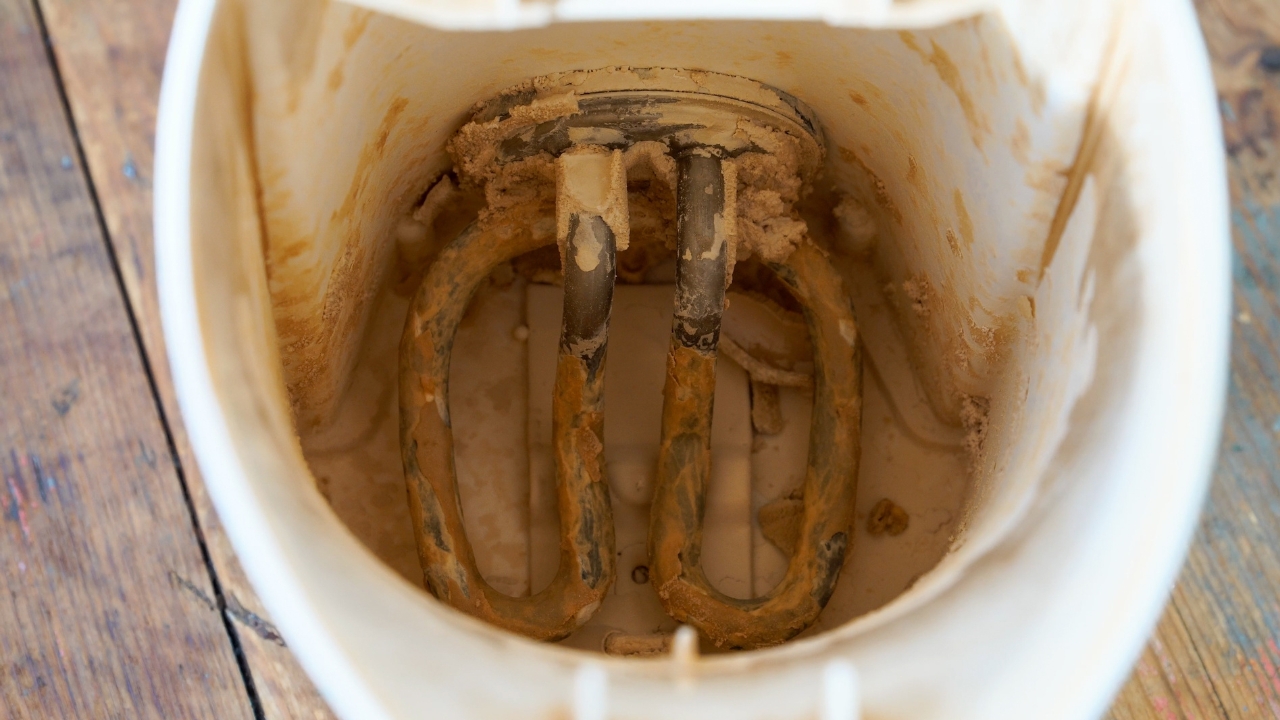
Some budget descalers are too weak to actually dissolve minerals. That means your kettle, iron, or coffee maker keeps building up limescale no matter how often you clean.
Over time, that buildup makes the appliance less efficient and eventually ruins it. A proper descaling solution or plain vinegar gets the job done right.
Repairs Cost More Than You Saved
That $1 cleaner may feel like a bargain, but the damage it causes adds up fast. Replacing seals, scrubbing out rust, or buying a new appliance altogether costs far more.
When you think about the repair bills and replacements, spending a little more upfront on the right cleaner actually saves you money in the long run.
*This article was developed with AI-powered tools and has been carefully reviewed by our editors.