How to Tame Overgrown Landscaping Without Hiring Help
Photo credit: bogubogu/ Shutterstock.com
Letting your yard get out of hand is easier than most people admit. One busy season, and suddenly the shrubs are swallowing your walkway, weeds are everywhere, and you can’t even find the flower bed you swore was there.
Hiring help might sound tempting, but most of this can be handled with some elbow grease and the right approach. If you’re ready to take your yard back without blowing your budget on a landscaping crew, here’s exactly how to do it.
Start With a Full Walkthrough

Before you grab a trimmer or start ripping things up, walk the whole yard. Take note of what’s actually overgrown, what’s dead, and what might still have some life left in it. It’s easy to go overboard and make more work for yourself later.
Snap photos or make a rough sketch if it helps. You’re basically scouting the area before the work begins. This gives you a clear game plan and helps you spot things like hidden stumps, buried edging, or poison ivy creeping in where it shouldn’t be.
Cut Everything Back First
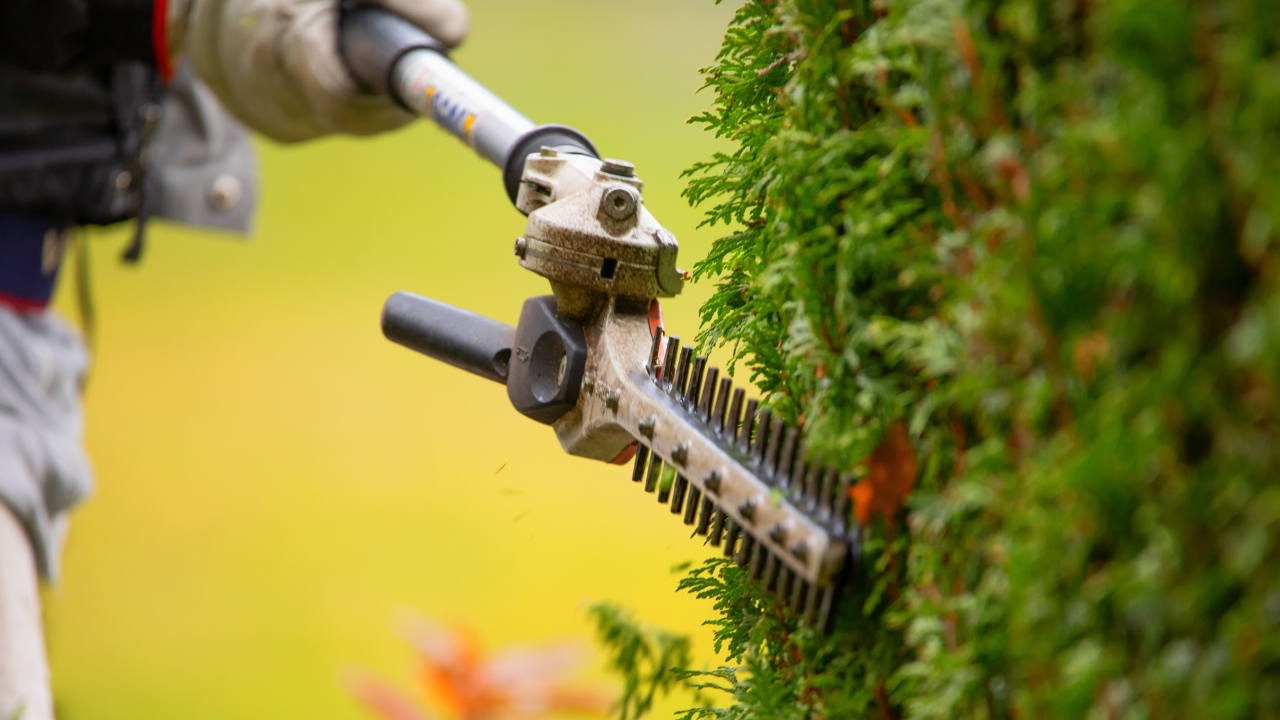
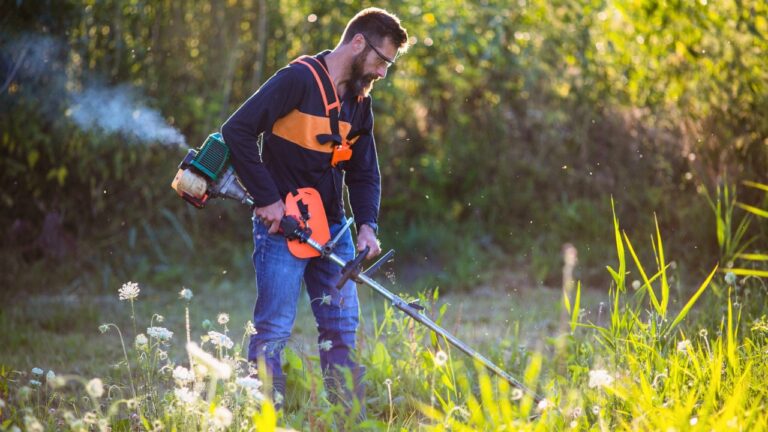
The fastest way to make progress is to start cutting. Don’t worry about pretty right now—focus on access and visibility. Overgrown bushes, tree limbs, and vines need to be cut down so you can actually see what you’re working with.
Use loppers, a hedge trimmer, or even a chainsaw if things are really out of control. Once you’ve got everything trimmed back, it’s a lot easier to decide what stays, what goes, and what needs reshaping.
Tackle the Weeds Before They Spread

Weeds are usually the first thing to take over, and if you don’t get ahead of them, they’ll undo all your hard work. Pull what you can by hand, especially the big stuff. For wide areas, a stirrup hoe or weed torch can save your back.
Skip the cheap weed barrier fabric—it’s more of a pain than it’s worth. Instead, think about mulching thick or planting ground cover later to choke weeds out naturally. The goal here is to take control, not chase your tail every week.
Dig Out What Doesn’t Belong
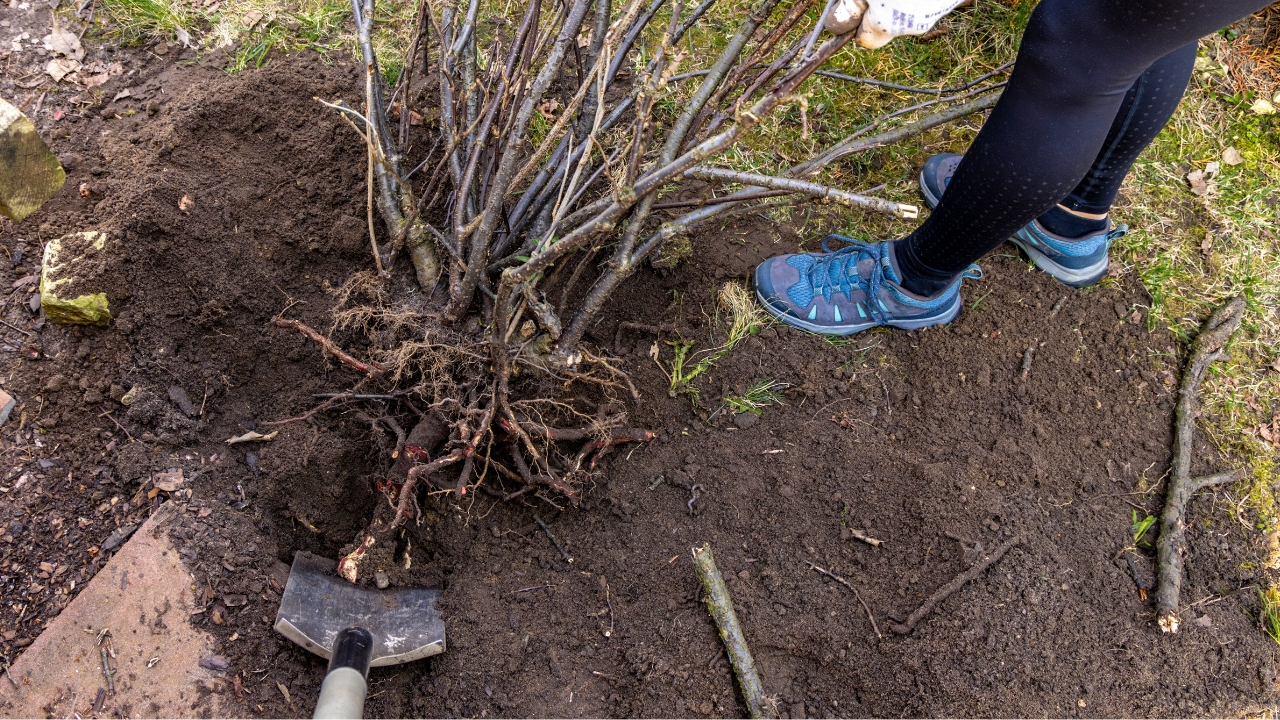
Once things are trimmed back, it’s time to get your hands dirty. If there are plants you don’t want, yank them out by the roots. Use a shovel or digging fork for anything that’s been in the ground a while—half the battle is getting the root ball up so it doesn’t regrow.
Don’t feel bad about pulling plants that aren’t worth saving. If it’s taking over the space or clearly past its prime, it’s time to clear it out. This step makes room for anything you actually want to keep or add later.
Reshape the Beds With Clear Edges

Overgrown yards almost always have messy bed lines. Redefining those edges gives the whole space a cleaner look with minimal effort. Use a flat spade or edging tool to carve out a crisp border between grass and beds.
If the shape is too wonky or narrow, don’t be afraid to adjust it. Wider beds are easier to mulch and maintain in the long run. Once your edges are cut, it’s a good time to toss in fresh mulch or compost while the soil is exposed.
Deal With Lawn Issues Separately
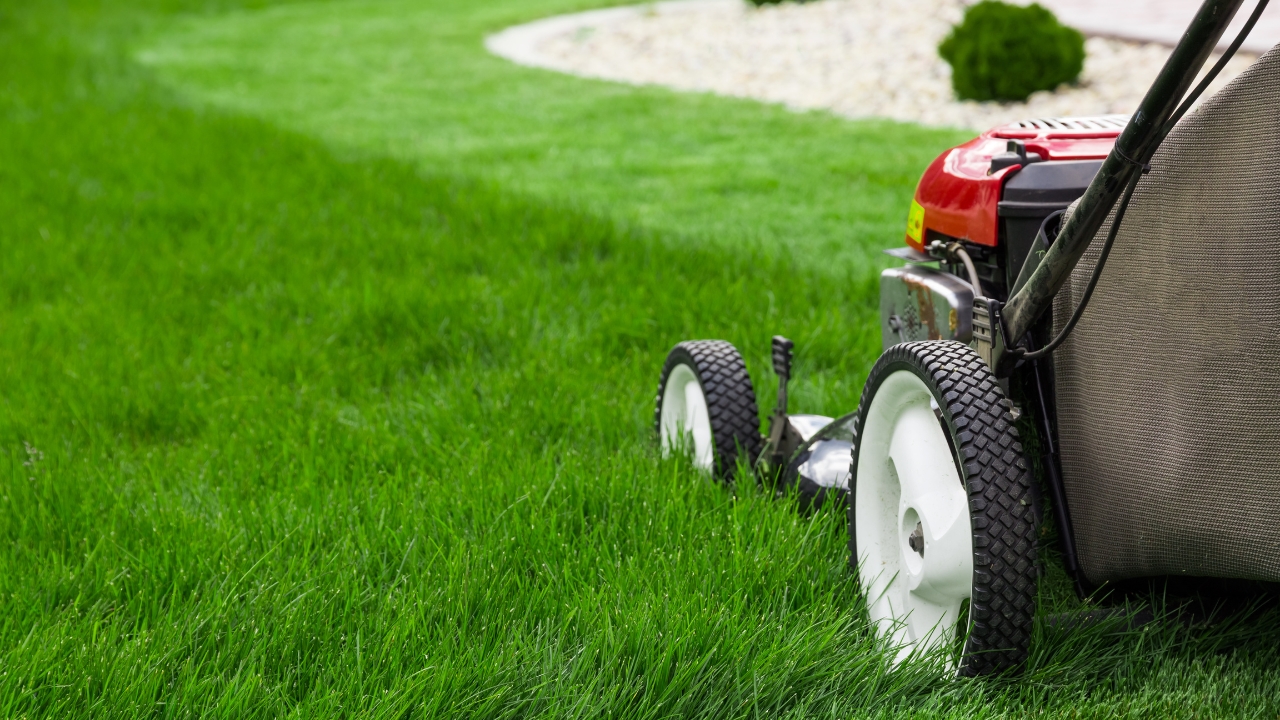
If the grass is a jungle, mow it in stages. Don’t try to hack it all down at once—go high with the first pass, then lower it the next time around. Cutting too short all at once stresses the lawn and can leave behind ugly bare spots.
After mowing, check for problem areas like bald patches, compacted soil, or mossy spots. These can be fixed with a little seed, aeration, or topdressing, but you don’t have to do it all in one day. The point is to get things manageable again.
Prune With Purpose, Not Panic
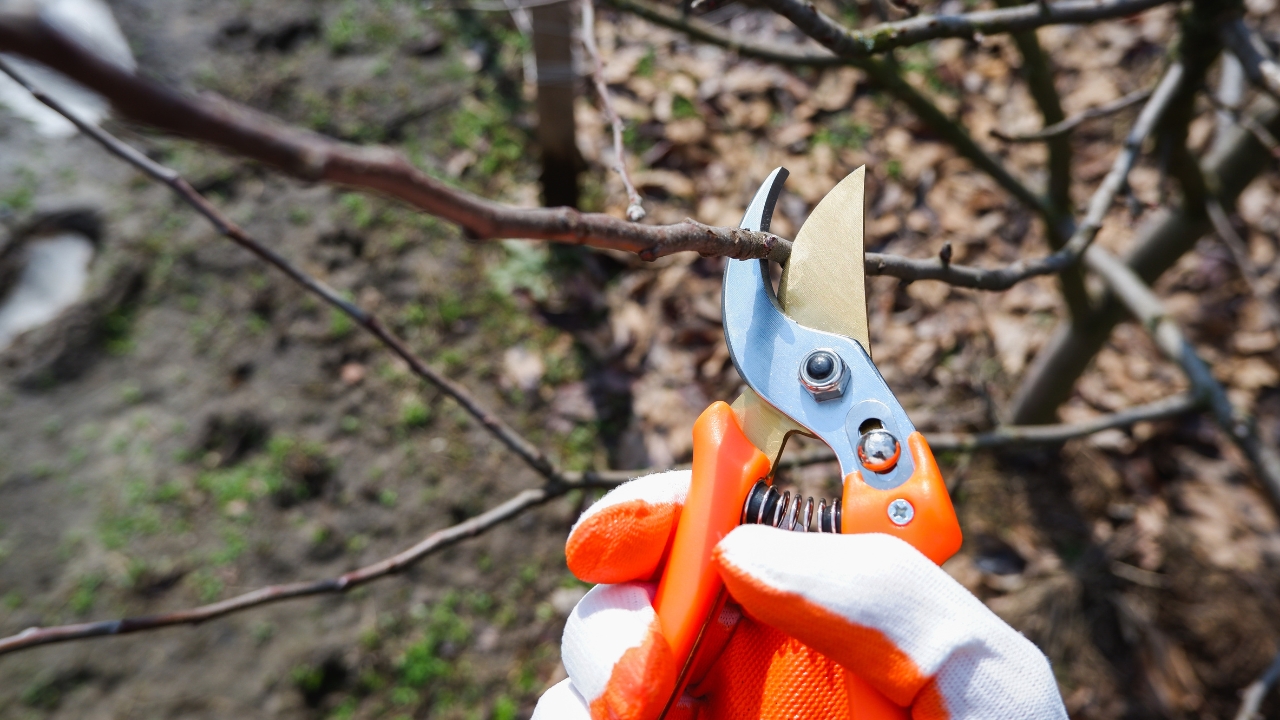
It’s tempting to go wild with the loppers, especially when things are overgrown. But when it comes to trees and shrubs you’re keeping, a little planning goes a long way. Start with anything dead or rubbing together. Then cut for shape and airflow.
Avoid shearing everything into boxes—natural shapes hold up better and are easier to maintain. If you’re unsure about a plant, look up its pruning needs first. A bad cut in the wrong season can do more harm than good.
Lay Down Mulch to Keep It Clean

After all the cutting, digging, and reshaping, mulch is your best friend. It instantly makes things look tidier, helps lock in moisture, and keeps weeds from coming back. Go with something natural like shredded bark or pine straw—nothing dyed or artificial.
Spread it a few inches thick, but don’t pile it against trunks or stems. That traps moisture and invites rot. Focus on areas you cleared out or redefined. It’s a fast way to make the whole yard look like you know what you’re doing—even if you’re figuring it out as you go.
Add Some Structure Back In
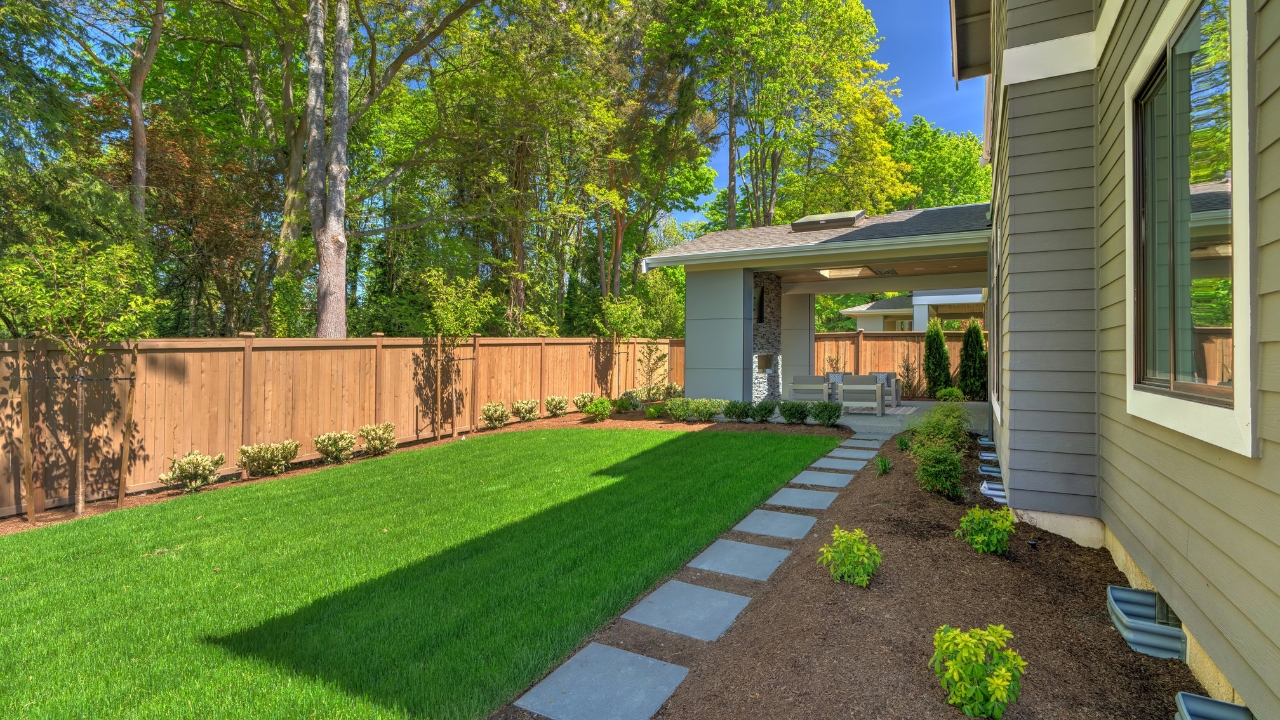
Once the mess is under control, you might notice the space feels a little bare. This is a good time to add structure—things like a small trellis, a few stepping stones, or a couple of low-maintenance plants with shape and height.
You don’t need a full design plan. Start with what’s practical: maybe a path to the compost bin or a raised bed for herbs. Even a few large pots can anchor an area and make it feel more intentional. Function comes first, looks come second.
Make Maintenance Part of the Routine

The biggest mistake folks make is waiting until the yard looks like a jungle again. Set aside 15–30 minutes once or twice a week to pull weeds, trim, or edge. It’s a whole lot easier than letting things pile up again.
Keep basic tools handy—pruners, gloves, a shovel—so you don’t have to hunt them down every time. A little effort on a regular basis keeps your yard in check and saves you from another weekend-long project down the road.
Like Fix It Homestead’s content? Be sure to follow us.