10 design moves that feel rich but don’t live well
Photo credit: brizmaker/ Shutterstock.
Some design trends look stunning in photos but become a headache once you actually live with them. The finishes that scream “luxury” in a reveal video often don’t hold up when kids, pets, or real life enter the room.
Sometimes what feels high-end on a Pinterest board ends up being high-maintenance, uncomfortable, or plain inconvenient day-to-day. These are the design moves that look rich—but don’t live well.
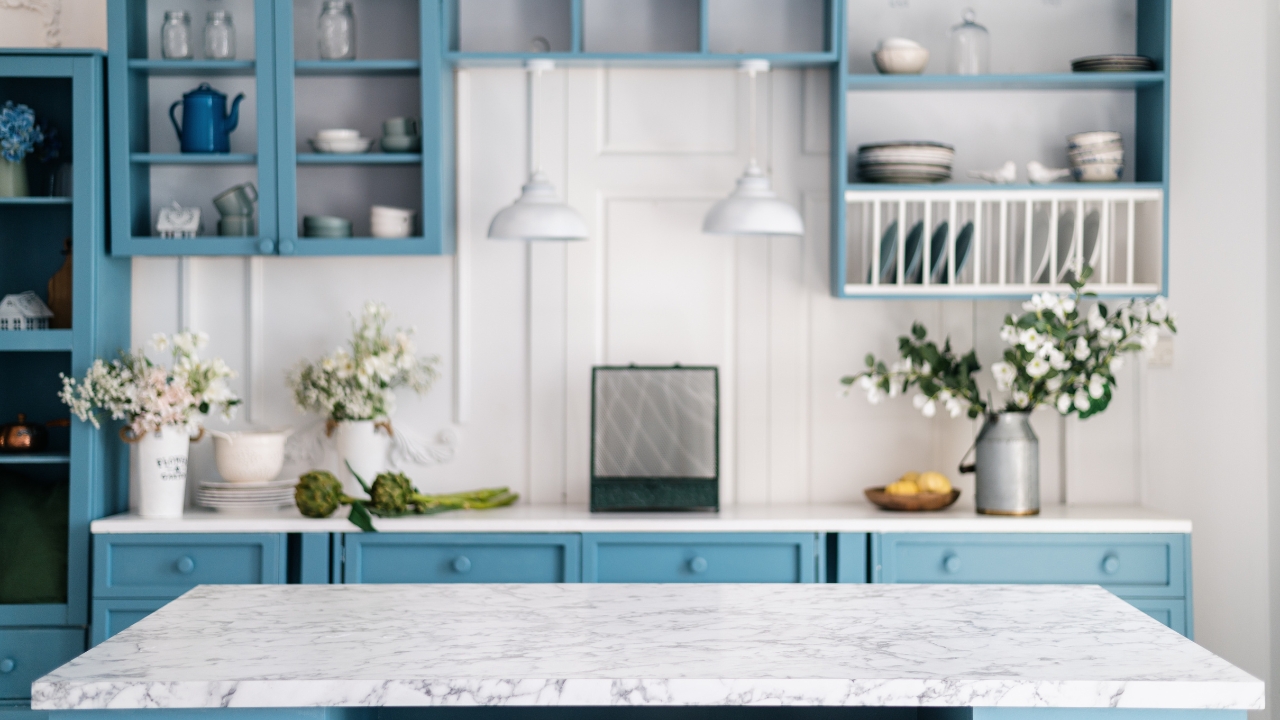
Marble countertops
Marble looks high-end, but it’s one of the most high-maintenance surfaces you can put in your kitchen or bath. It stains easily from lemon juice, coffee, and oils—and it etches from acid, leaving dull spots that can’t be buffed out without professional help.
If you love the look, quartz or a porcelain slab with veining gives you the same visual payoff without the upkeep. Unless you’re okay with permanent patina, marble’s “luxury” appeal quickly turns into regret.
Open shelving everywhere

Open shelves look curated and airy in staged photos, but in real life, they collect dust, grease, and visual clutter. Every item has to be display-worthy, and most kitchens don’t have that kind of time or consistency.
When you’re cooking daily, those shelves become a magnet for grime and fingerprints. A few open shelves mixed with closed storage works much better for actual living than going all-in for aesthetics.
All-white interiors
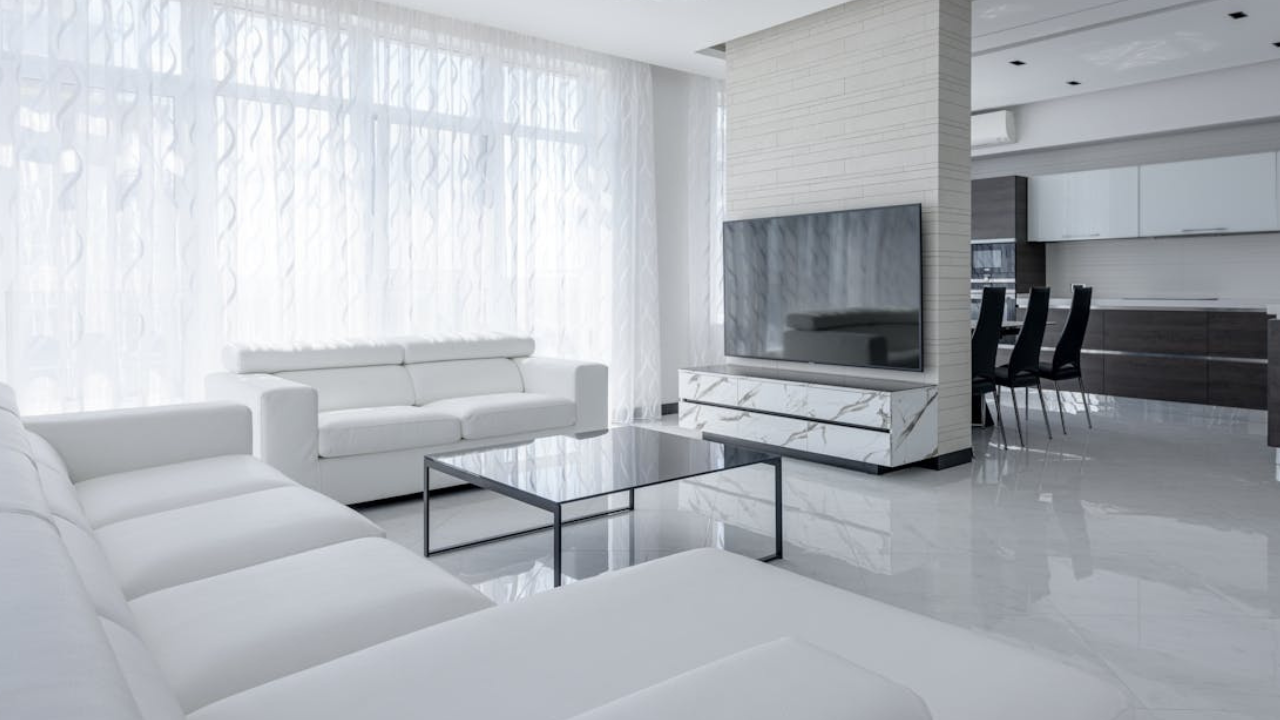
An all-white palette feels expensive and calm—until you’re constantly cleaning it. White furniture, rugs, and walls show every scuff, spill, and fingerprint. What designers call “minimal” can quickly feel cold, especially if your home actually gets used.
If you like the look, warm whites or soft neutrals with texture give you the same effect with far less stress. A lived-in home shouldn’t feel like you’re walking through a museum.
Oversized chandeliers
A big chandelier can look stately in a magazine spread, but if the scale is off, it swallows a room and throws uneven light. They’re also a nightmare to clean and expensive to maintain.
Before installing one, think about function first. A fixture that’s balanced to your table or room size will look intentional, not overwhelming. Statement lighting only works when it actually serves the space.
Floor-to-ceiling mirrors
Mirrors create light and space in photos, but they’re cold and impractical in lived-in rooms. They show fingerprints, smudges, and even the mess you’re trying to hide. They also make rooms feel busier, not calmer.
Smaller mirrors or mirrored accents can add depth without turning your home into a gym lobby. When mirrors are everywhere, the “expansive” feel becomes uncomfortable and distracting fast.
Wall-mounted faucets
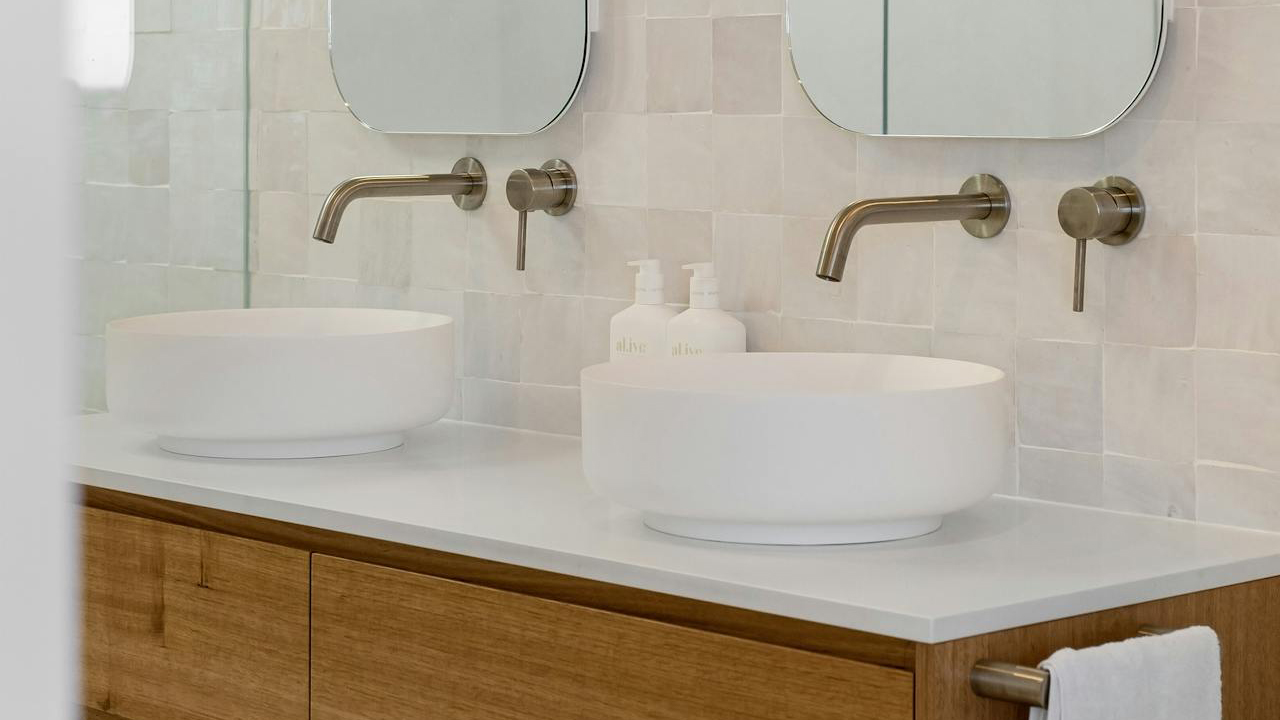
They look sleek and custom, but wall-mounted faucets are a hassle to install and repair. They require perfectly aligned plumbing behind the wall, and when something leaks, it’s a full-on project to fix.
Most people don’t realize how much splash they create, either. Unless you’re working with a designer who’s done them successfully before, a standard deck-mounted faucet is far easier to live with long-term.
Floating vanities
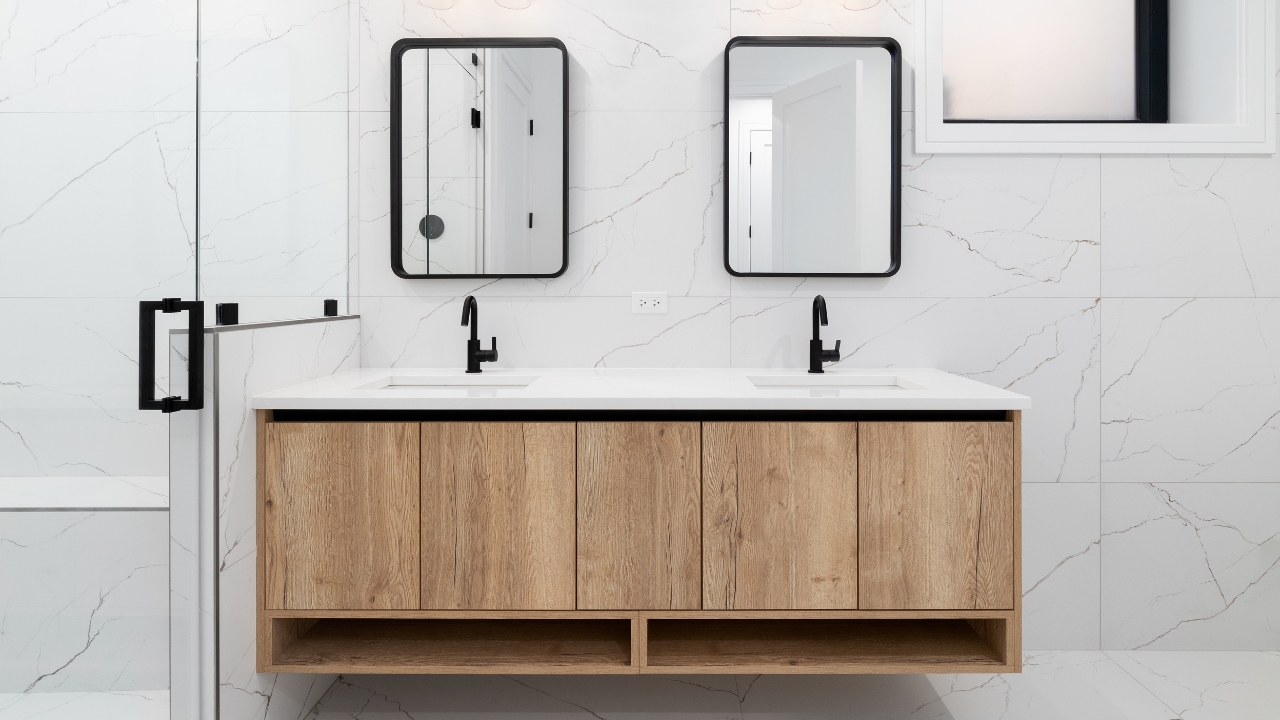
Floating vanities photograph beautifully, but cleaning underneath them is not the kind of “elevated design” anyone enjoys. They also lose valuable storage space and can feel cold or impractical in family bathrooms.
If you want the same airy look, choose a furniture-style vanity with legs—it’s easier to clean around and gives you warmth without sacrificing usability.
Frameless glass showers
Frameless showers feel luxurious, but the upkeep is relentless. Water spots, soap scum, and calcium buildup show up instantly, and the seals around the glass require regular maintenance.
Add kids or hard water into the mix, and you’ll spend more time cleaning your “spa” than enjoying it. A framed or semi-framed enclosure still looks high-end and hides daily wear much better.
Minimalist furniture
Sharp-edged furniture with no visible hardware looks expensive—until you realize there’s nowhere to stash remotes, blankets, or the things you actually use. Comfort takes a backseat to aesthetics.
Good design balances style and function. If your sofa looks chic but no one wants to sit on it, it’s not serving your home—it’s serving the photo shoot.
Glass-top tables
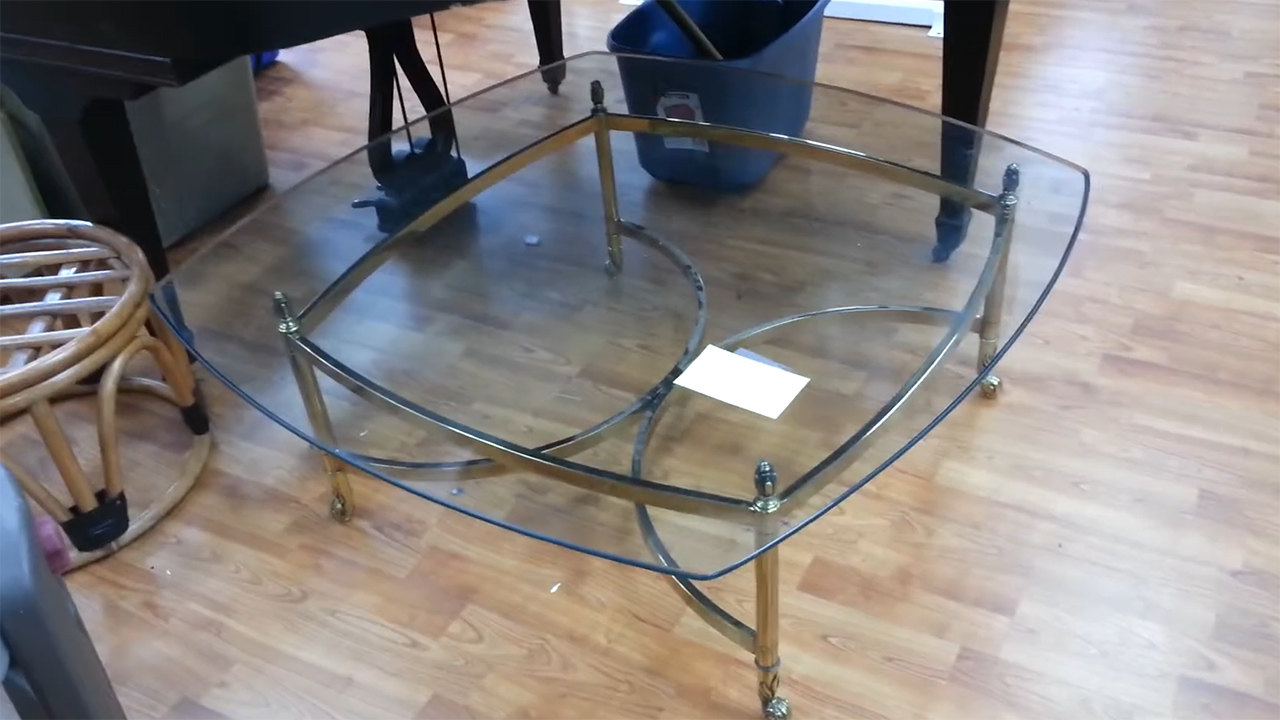
Glass dining or coffee tables look modern and expensive, but they’re magnets for fingerprints, scratches, and smudges. You’ll wipe them down constantly, and they still never look clean for long.
A matte or wood surface gives you texture, warmth, and less daily maintenance. The best “luxury” is design that holds up under real life—and glass rarely does.
*This article was developed with AI-powered tools and has been carefully reviewed by our editors.