Dog Breeds That Were Basically Born to Dig Holes
Photo credit: Sergey Bessudov/Shutterstock.com
Some dogs are born to dig. It’s in their DNA. No matter how much training or correction you give, they’ll always have that itch to dig something up—whether it’s the garden, the yard, or your favorite potted plant. That doesn’t mean it’s hopeless, though. The trick is learning what you’re working with and giving them a better outlet for it.
Here are the breeds most likely to dig—and what you can actually do about it.
Terriers

Terriers were literally bred to dig into the ground and flush out rodents. That drive didn’t go anywhere. Jack Russells, Cairn Terriers, and other small terriers are quick, focused, and will tear up a yard without a second thought if something catches their interest.
The best fix is to give them an approved digging spot, like a sandbox or corner of loose soil. Make it fun—bury toys or treats—and let them go to town. Redirection works better than punishment for this group.
Dachshunds
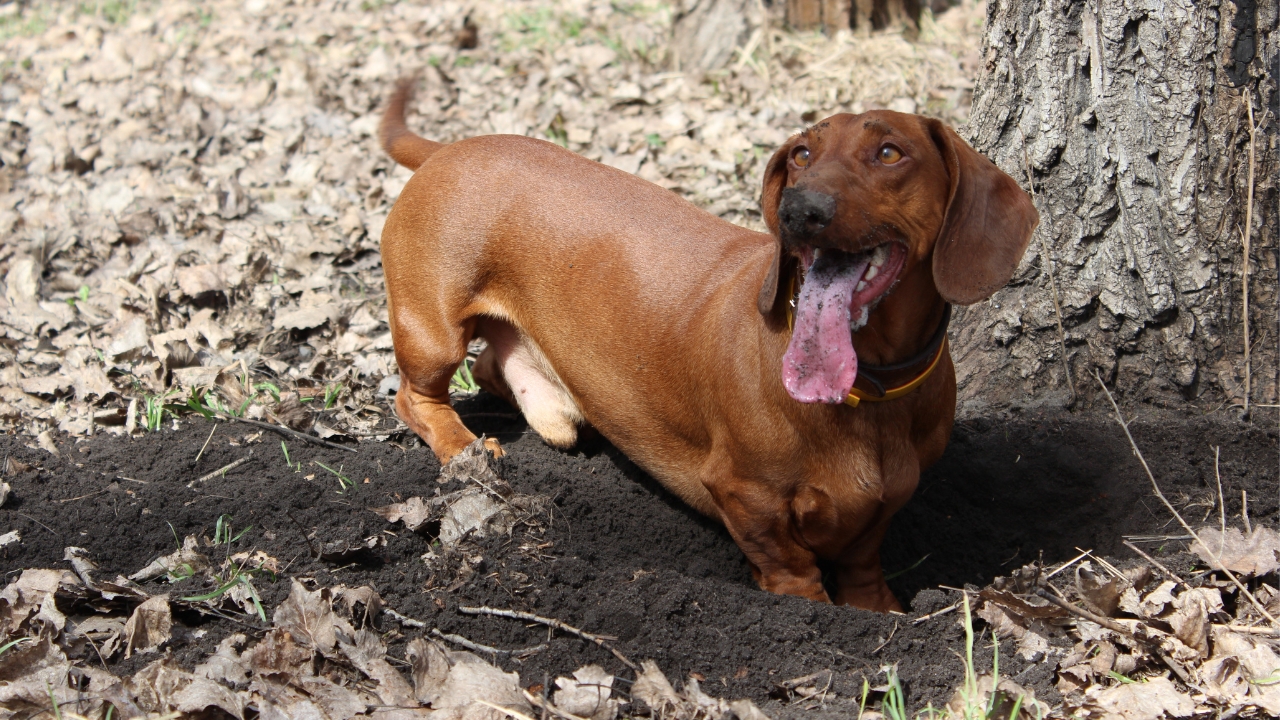
Dachshunds were originally bred to hunt badgers—in tunnels. Digging is instinctual for them. If they get bored or hear something underground, they’re going to try to dig their way in.
Since they’re low to the ground and powerful diggers, you’ll need to give them exercise and structured play daily. Puzzles, scent work, and a digging box all help channel that drive into something less destructive.
Huskies

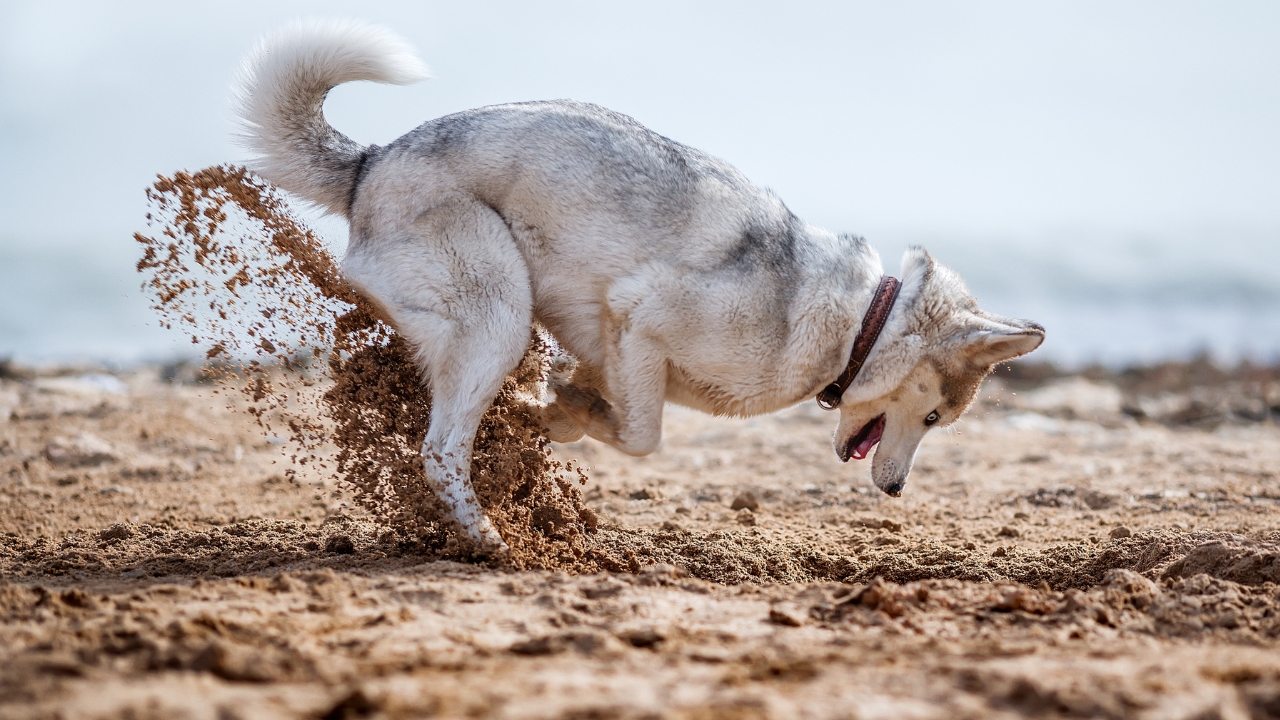
Huskies love to dig. Sometimes it’s because they’re hot and want to cool off. Other times, they’re bored or want to escape. With their energy level and smarts, digging becomes a fast go-to.
You need to wear a husky out mentally and physically every day. Regular runs, problem-solving toys, and plenty of space to move around can make a big difference. If they dig to cool off, give them a shaded chill zone with a cooling mat.
Beagles
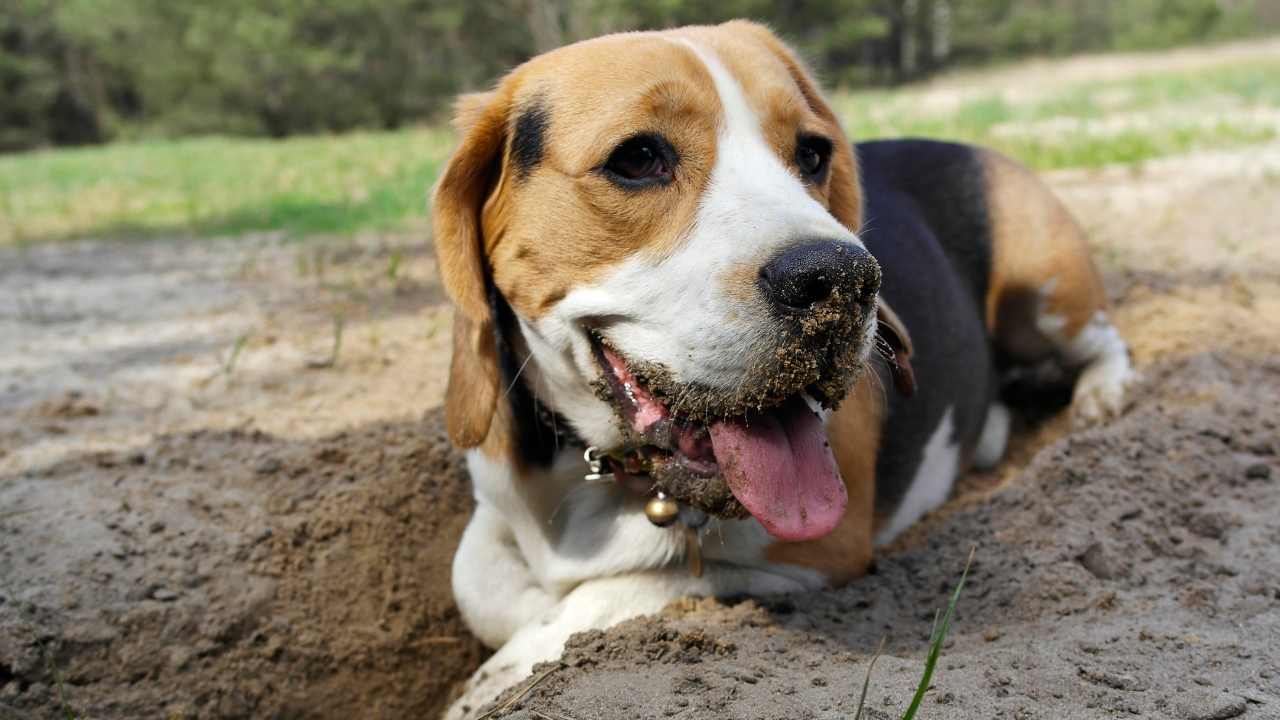
Beagles are scent hounds, and their noses lead the way. If they smell something interesting underground, they’ll dig without hesitation. They can get fixated fast and tunnel out of a yard before you even realize it.
Solid fencing with barriers under the ground helps prevent escapes. And you’ll want to give your beagle something better to sniff—like a snuffle mat, scent games, or long walks where they can sniff safely.
Border Collies
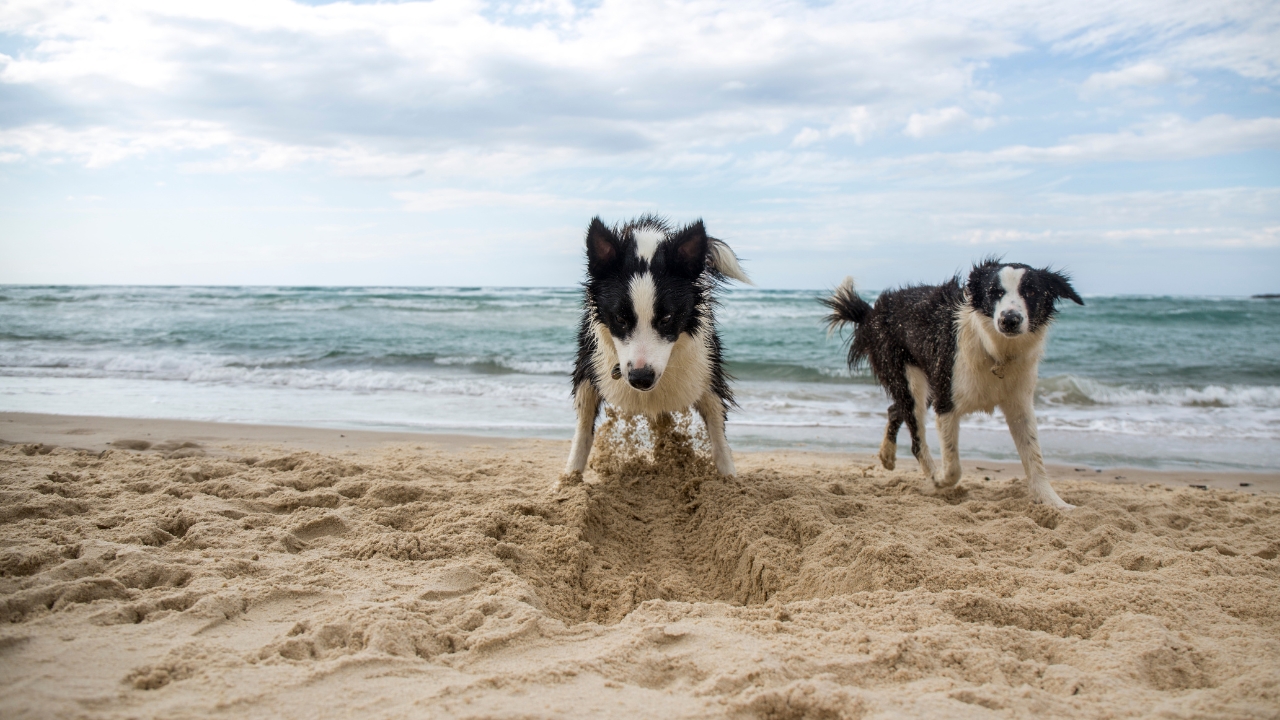
Border Collies aren’t classic diggers, but when they don’t get enough stimulation, they can pick it up as an outlet. Digging is more of a sign that they’re mentally understimulated.
These dogs need a job. If you don’t give them one, they’ll find their own. Training games, obstacle courses, and learning new commands can all help give their brain the challenge it craves—and keep those paws out of the dirt.
Malamutes
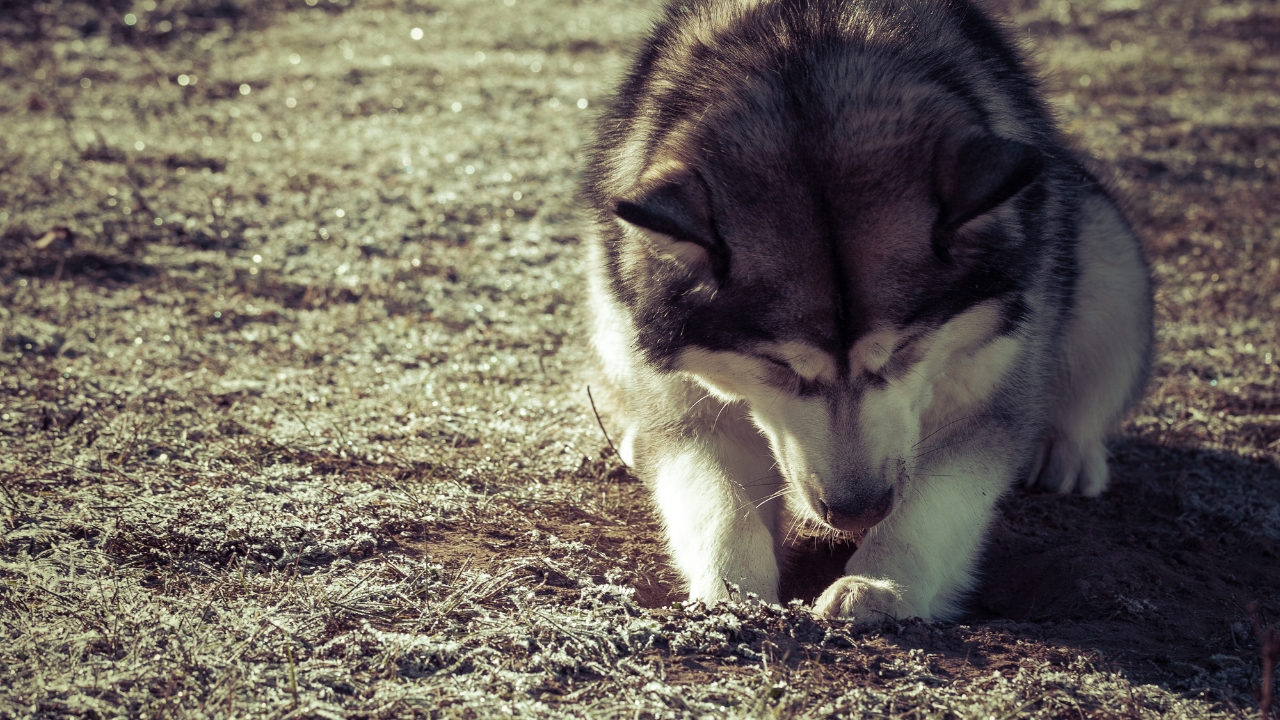
Like huskies, Malamutes dig instinctively, especially to find cool ground or create dens. Their thick coats make them more prone to overheating, and digging gives them quick relief.
Don’t fight the instinct—work with it. Give them a designated digging area and cool spaces to relax. You’ll also want to double-check your fence setup because they’re strong and determined.
Labrador Retrievers

Labradors aren’t always diggers by nature, but younger labs often dig when they’re bored, understimulated, or left alone too long. They’re high-energy and curious, which is a bad mix for flower beds.
If you’ve got a digging Lab, start by ramping up activity and interaction. Long walks, fetch, swimming, and chew toys can all help. You can also section off tempting spots with garden fencing if needed.
Australian Shepherds
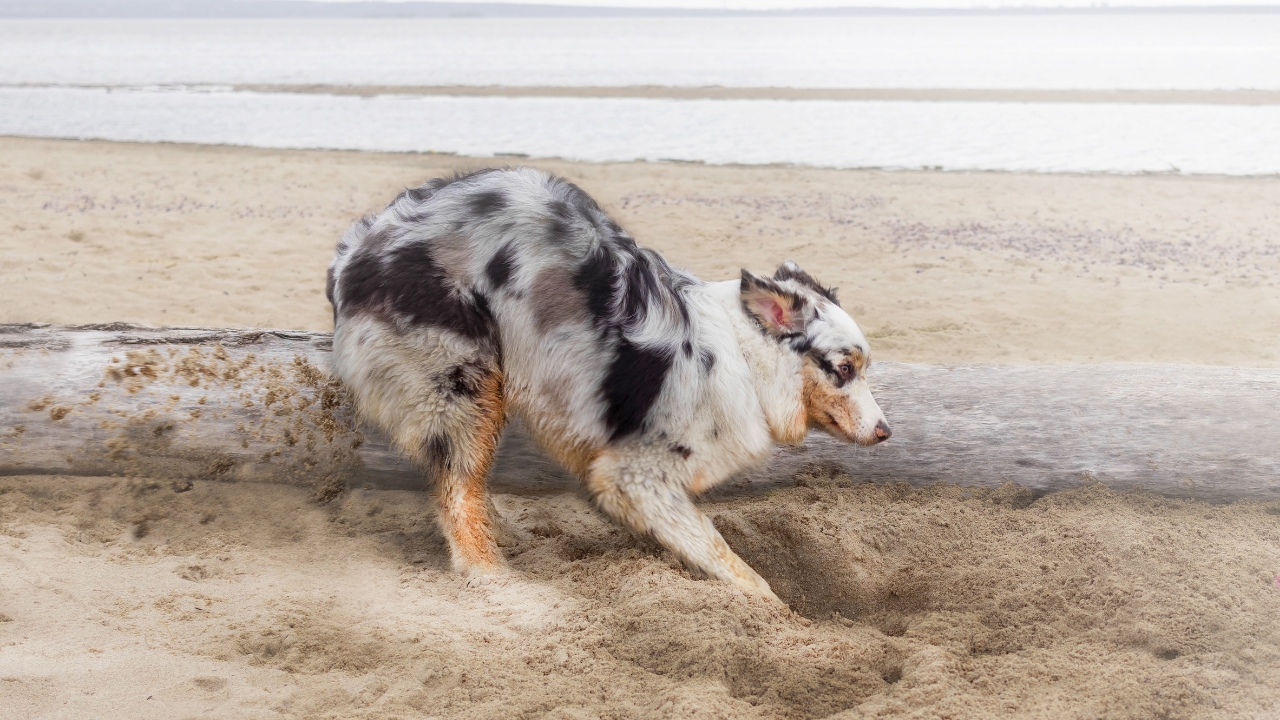
Aussies are working dogs, and if they’re not working, they’ll get creative. Some turn to digging, especially if they’re under-exercised or anxious. Like Border Collies, it’s more about unmet mental and physical needs than instinct.
Give them structured tasks and challenges, not just a big backyard. Herding-style games, advanced obedience, or agility exercises can all help refocus their energy in a healthy way.
What You Can Do About It

You’re not going to completely erase the digging instinct in some breeds. But you can manage it. The key is redirecting the behavior rather than trying to punish it away. Create a digging spot, add daily exercise, and give them mentally engaging things to do. Every dog’s a little different, but when they’ve got what they need, digging usually isn’t their first option.
Like Fix It Homestead’s content? Be sure to follow us.