

8 ways you’re ruining good paint with bad lighting
Photo credit: PeopleImages.com – Yuri A/Shutterstock
You can pick the perfect paint color, but if your lighting is off, it’ll never look the way you imagined. Light completely changes how color appears — too warm and it turns muddy, too cool and it looks dull. Even natural light shifts throughout the day, which means your favorite shade can look totally different by evening.
The truth is, paint and lighting work together, and if one is wrong, the other can’t shine. Here are the lighting mistakes that make good paint look bad fast.
Using bulbs with the wrong color temperature

The color temperature of your light bulbs matters more than you think. Warm bulbs can make whites look yellow and grays appear beige, while cool bulbs can wash out earthy tones.
Stick with bulbs labeled between 2700K and 3000K for warm tones, and 3500K to 4000K for cooler palettes. Always test your paint under the lighting you plan to use — that’s the only way to see its true color.
Relying only on overhead lighting
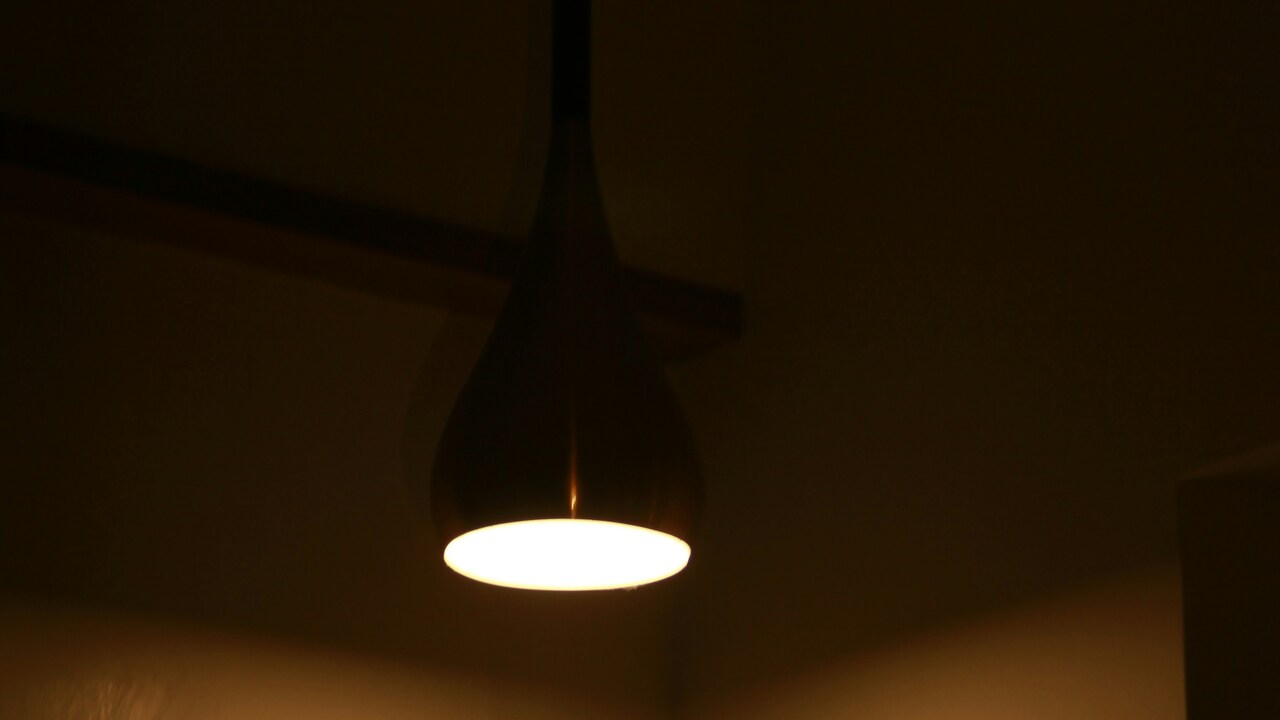
A single ceiling fixture rarely gives enough even light to show paint accurately. It casts harsh shadows that make walls look patchy or darker than they really are.
Layer your lighting instead — add lamps, sconces, or under-cabinet lights to even things out. Balanced light eliminates weird shadows and lets your paint color read how it’s meant to.
Ignoring natural light direction

Natural light changes color depending on the direction your windows face. North-facing rooms tend to look cooler and flatter, while south-facing ones bring out warmth.
Before painting, check how your walls look morning, noon, and evening. You might find the color you loved online looks too icy or too warm once the sun hits your space.
Using bulbs that are too dim
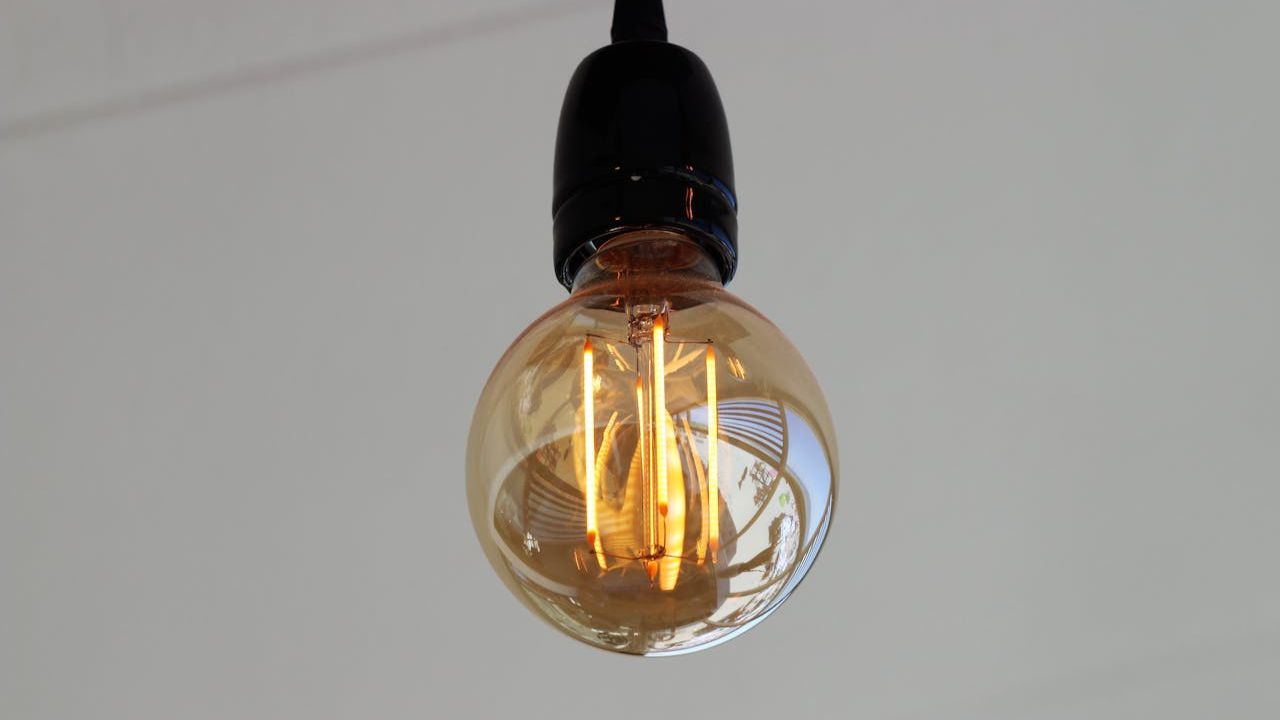
Dim lighting makes colors look muddier and darker than they really are. Even beautiful, rich tones lose depth when the room isn’t bright enough to reflect light off the walls.
Choose bulbs with at least 800 lumens for standard fixtures, or more for large rooms. The brighter, more balanced the light, the truer your paint will look.
Mixing different bulb types in the same room
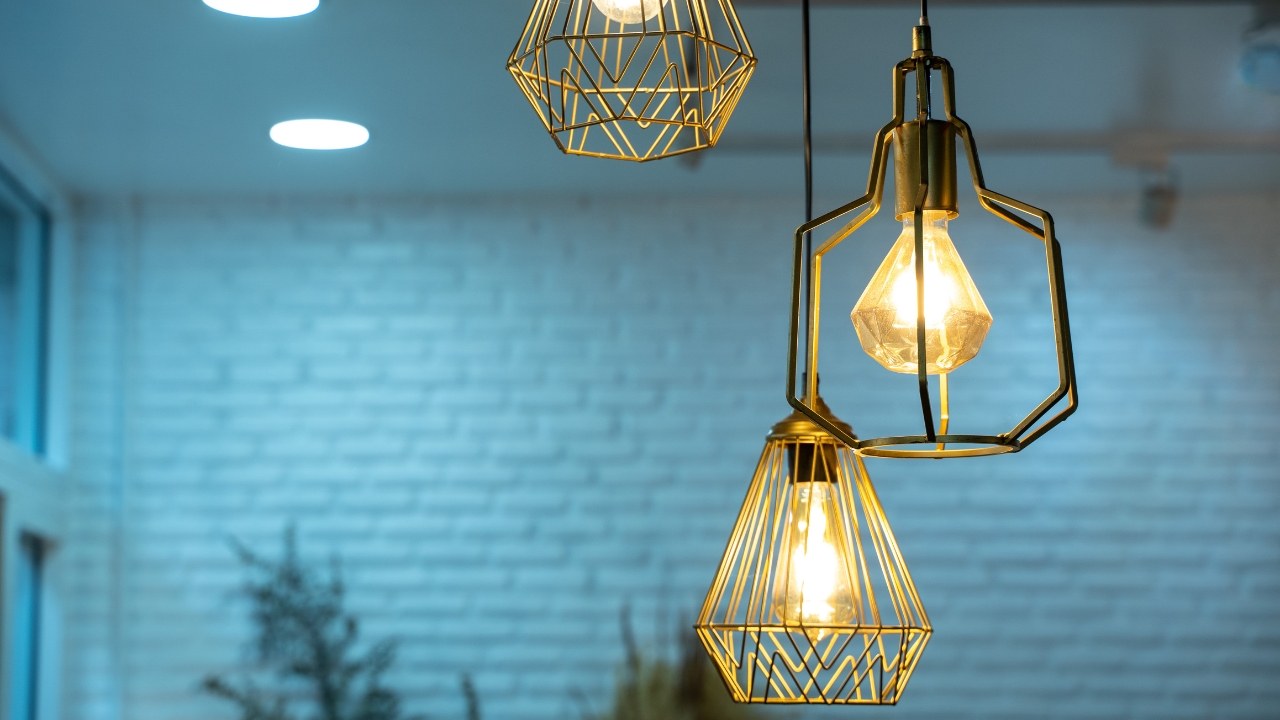
Combining warm and cool bulbs creates uneven color temperatures that throw off your paint completely. One corner looks yellow, another looks gray, and nothing feels cohesive.
Stick to one consistent bulb type throughout each room. It keeps the lighting uniform so your walls don’t change color every time you move your head.
Forgetting about reflection from other surfaces
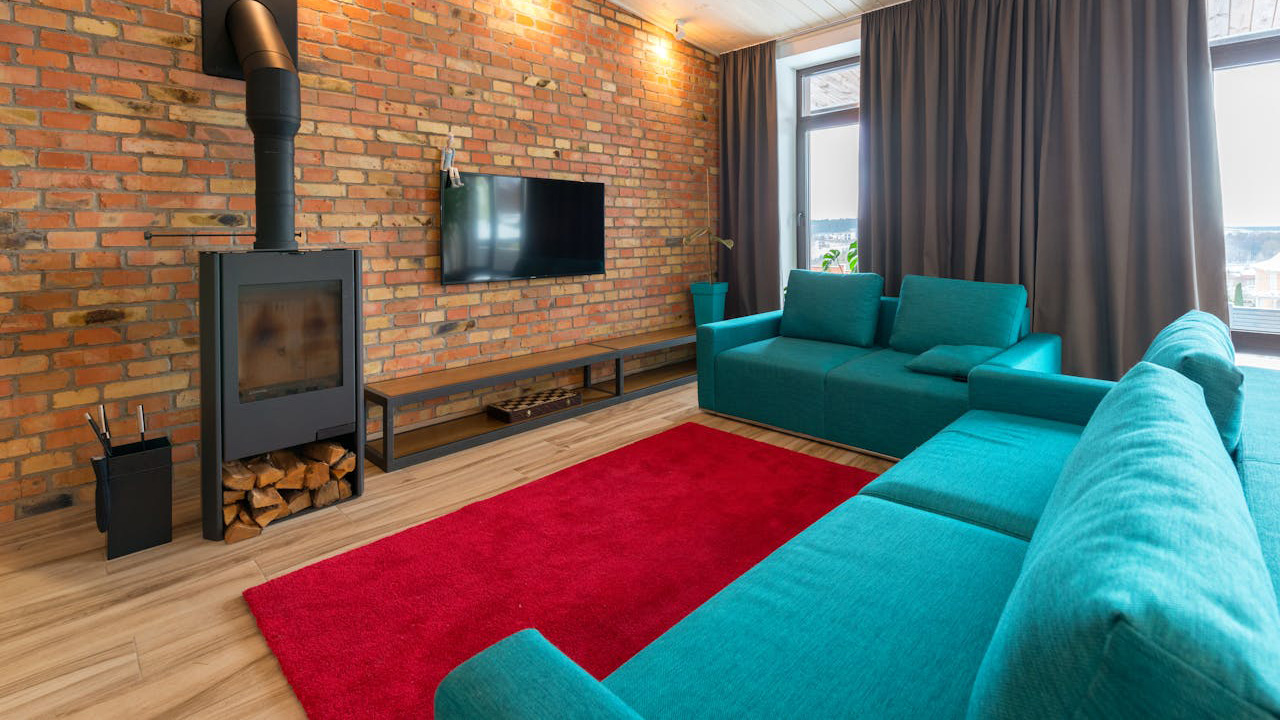
Light bounces off nearby materials — floors, countertops, even curtains — and affects how your wall color reads. A bright red rug or dark wood floors can tint the light hitting your walls.
When testing paint, consider your surroundings too. Try swatches on different walls and see how reflected light changes them before committing.
Using high-gloss paint under harsh light

Glossy finishes reflect light unevenly, highlighting every wall imperfection under strong lighting. Instead of enhancing your space, it can make things look cheap or patchy.
Save high-gloss for trim or small accents. Use eggshell or satin finishes for walls to keep them looking smooth under all types of light.
Skipping dimmers and adjustable lighting
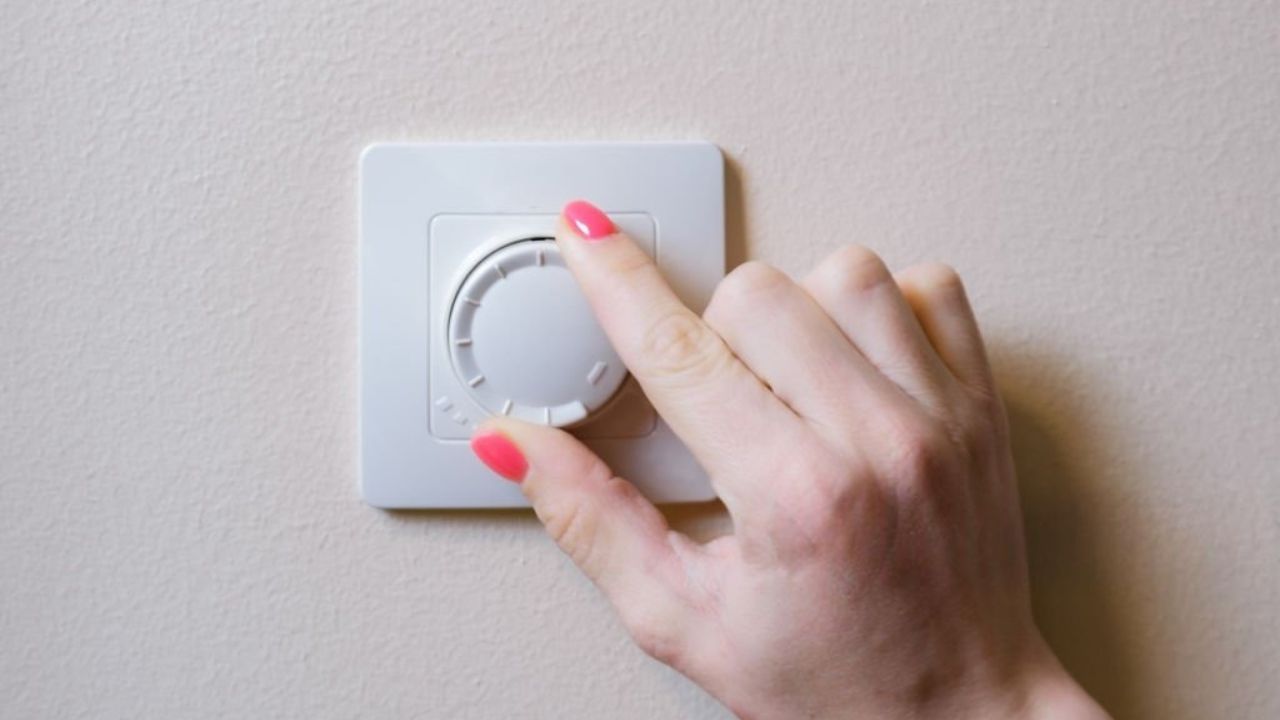
Fixed lighting makes your paint work harder — what looks perfect during the day might feel harsh at night. Without flexibility, even great color can lose its charm after dark.
Installing dimmers or adjustable smart bulbs lets you control warmth and brightness to match the time of day. It’s a small change that helps your paint look its best around the clock.
*This article was developed with AI-powered tools and has been carefully reviewed by our editors.


