10 things on your land that tell me you’re not ready for animals
Photo credit: Sergey Demo SVDPhoto/Shutterstock.com
Bringing animals onto your land sounds exciting — until you realize how much groundwork has to be in place first. Fencing, drainage, feed storage, and water access all matter more than enthusiasm when it comes to keeping livestock healthy and safe. If your setup isn’t ready, you’ll spend more time fixing problems than caring for animals.
Before you start buying chicks, goats, or cows, take a look around your property. These are the signs that your land isn’t quite ready for the responsibility that comes with livestock.
No reliable water source

Animals need a consistent, clean water supply — not a hose you hope doesn’t freeze or a bucket you plan to fill “when you get around to it.” Without reliable water, animals get dehydrated fast, especially in heat.
You need a dedicated water line, troughs, or automatic waterers near pens or pastures. Hauling water might work short-term, but it’s not sustainable for daily care, especially once you expand your herd.
Poor or no fencing
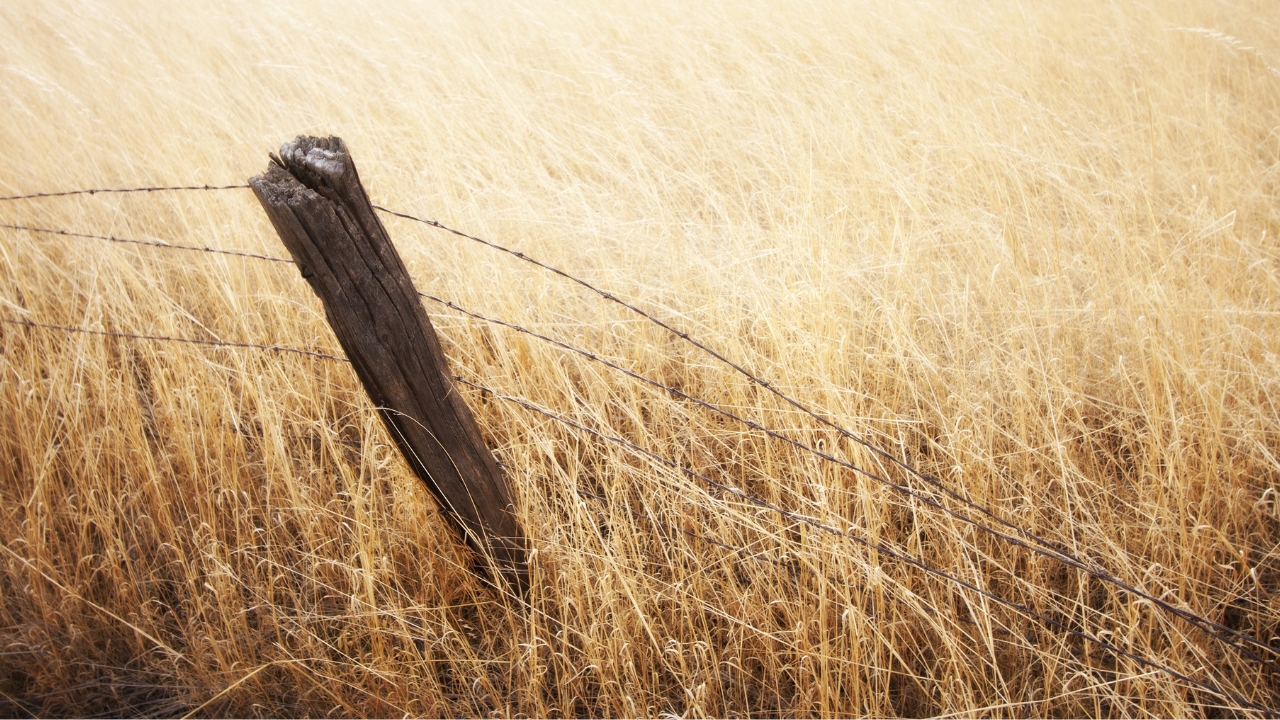
If your fencing is weak, sagging, or nonexistent, you’re not ready for animals. Livestock will always test boundaries, and predators notice gaps faster than you will.
Good fencing doesn’t have to be expensive, but it does need to be secure. Whether it’s woven wire, electric, or panels, every pasture and pen should hold the type of animal you plan to raise — and keep everything else out.
Standing water and poor drainage
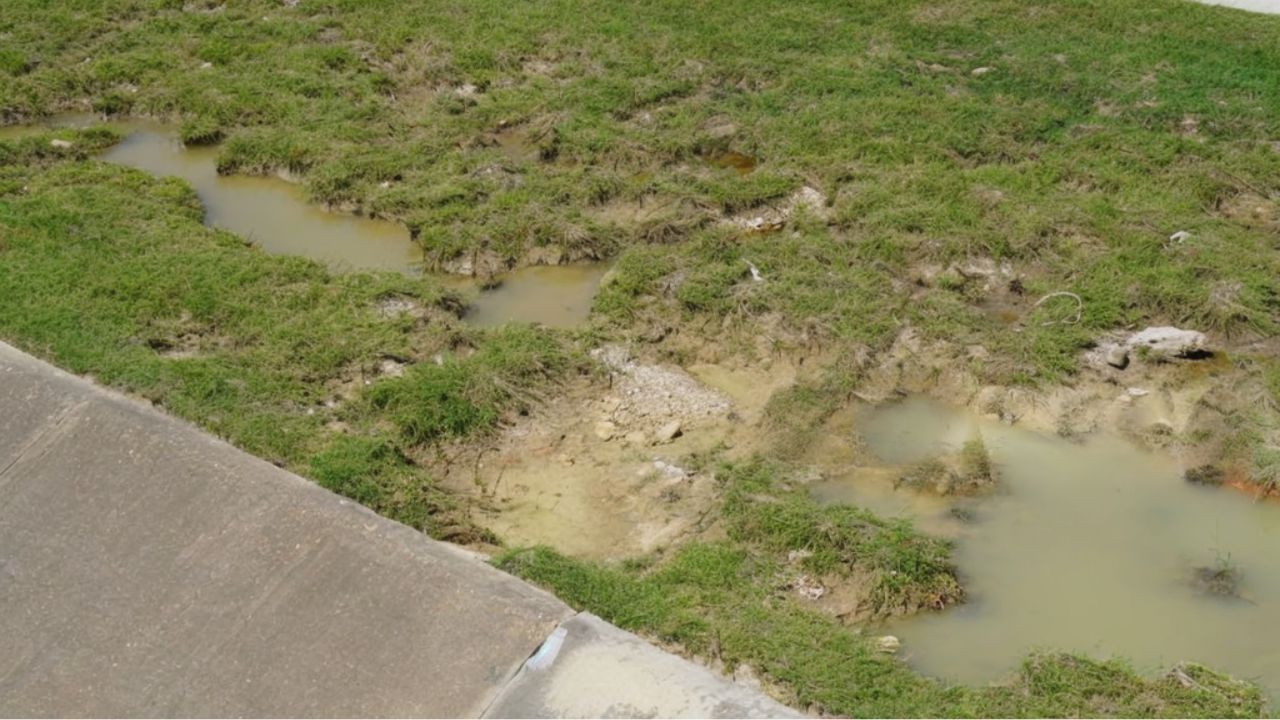
If your property turns into a swamp after a rain, you’ll have sick animals in no time. Wet ground leads to hoof problems, parasites, and respiratory issues.
Before adding livestock, watch how water drains across your land. You might need to regrade, add gravel, or create drainage ditches. Dry footing is one of the simplest ways to prevent long-term animal health problems.
No secure shelter

A few pallets and a tarp won’t cut it when the weather turns. Animals need proper shelter from wind, rain, and heat — even hardy breeds.
Each species has different needs, but all require dry bedding, ventilation, and protection from predators. Building or buying solid shelters upfront saves you from losing animals during bad weather.
No separate areas for isolation or rotation

If your land doesn’t have designated sections for isolating sick animals or rotating pasture, you’ll run into trouble fast. Overgrazing and disease spread are two of the biggest beginner mistakes.
Plan for at least two or three sections of usable space. Being able to move animals or separate them when needed keeps your ground healthy and makes herd management much easier.
Feed stored in the wrong place
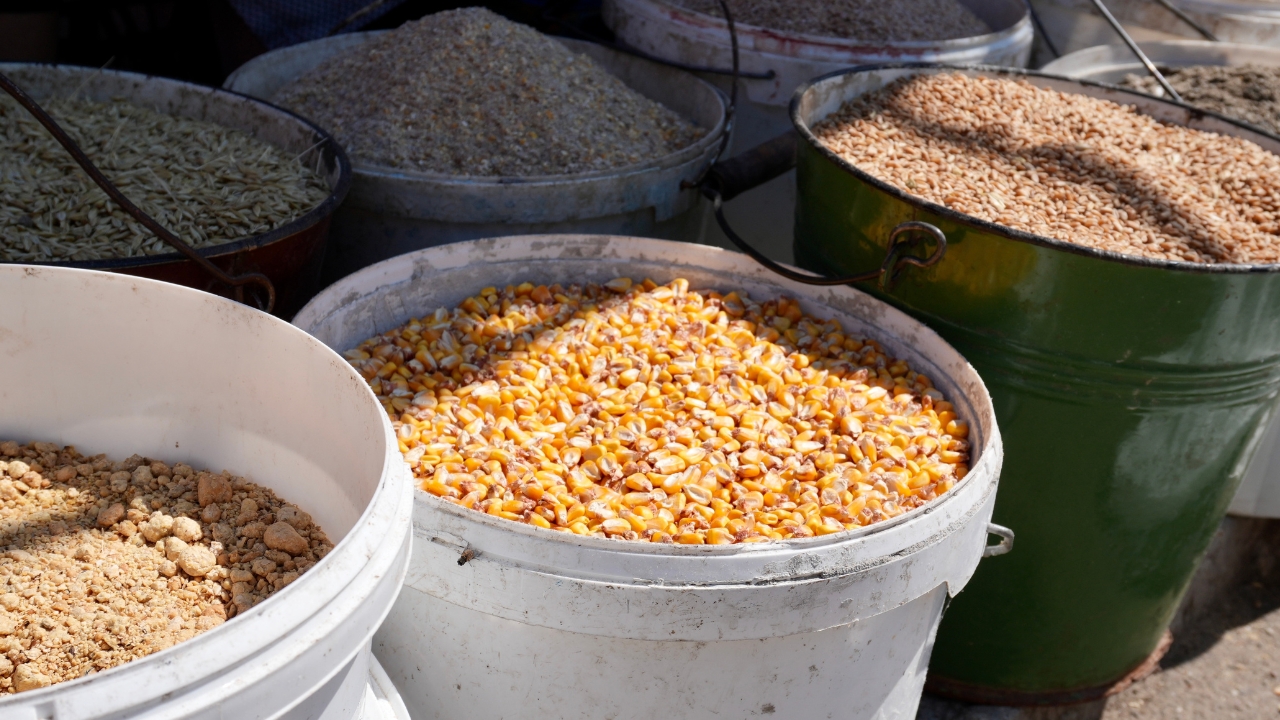
Leaving feed bags outside, in damp sheds, or where animals can reach them is asking for waste — or worse, contamination. Moldy or spoiled feed can kill livestock quickly.
Feed needs to be stored in sealed bins or weatherproof containers, away from moisture and pests. A dedicated feed room or barrel setup goes a long way in keeping animals healthy and feed costs down.
No protection from predators
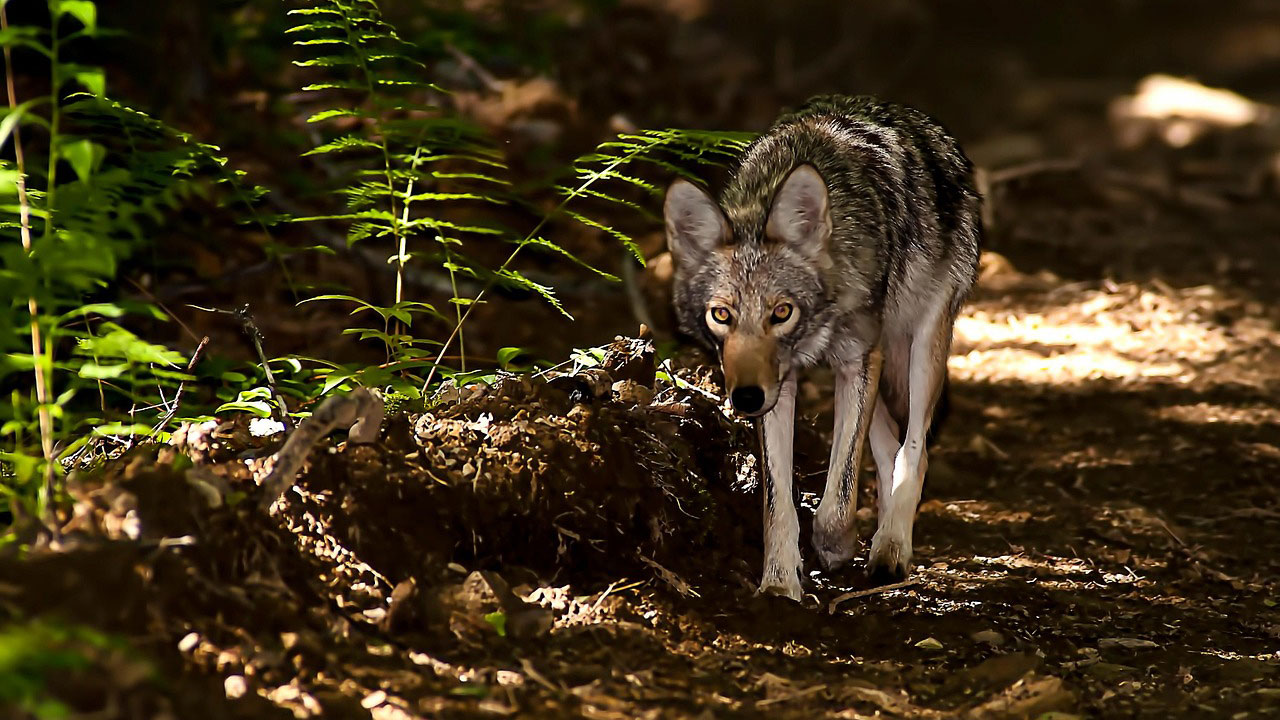
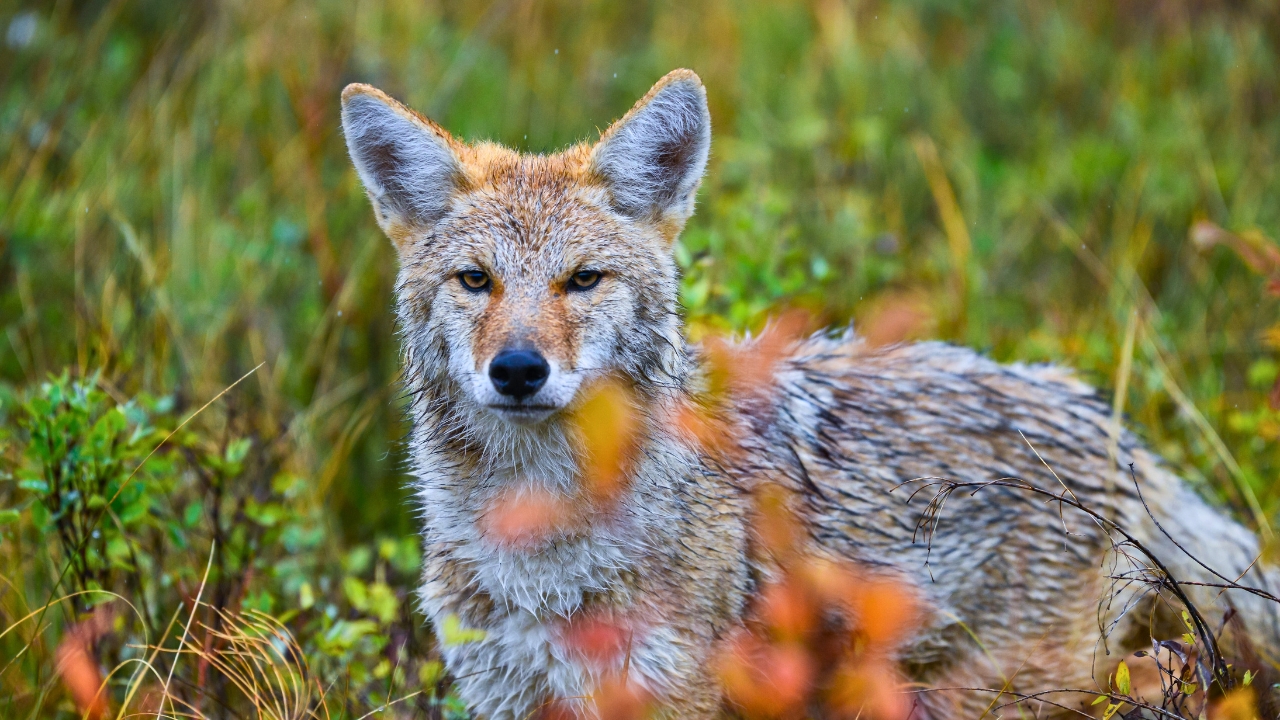
If your property backs up to woods or open land and you haven’t planned for predators, you’re not ready. Raccoons, coyotes, snakes, and even neighborhood dogs can cause serious damage overnight.
Secure fencing, motion lights, and strong latches help deter most threats. For smaller animals like chickens, hardware cloth and covered runs are musts — not optional.
Inadequate shade or airflow

Animals overheat faster than most people think, especially in humid climates. If your land has no trees or shelters with ventilation, you’re setting them up for heat stress.
You’ll need to add shade structures or plant fast-growing trees in areas where animals spend the most time. Even simple lean-tos with airflow make a huge difference during summer.
No clear plan for waste management
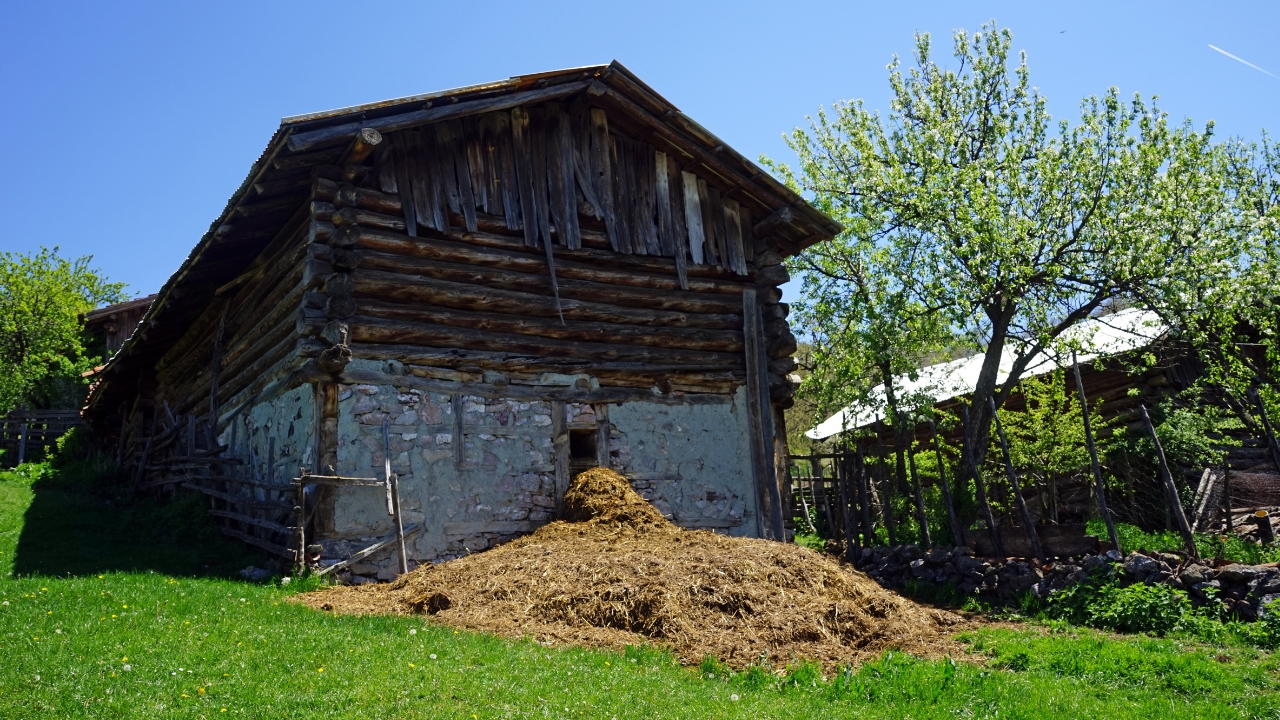
Manure builds up fast. If you haven’t figured out how to handle it, your land will smell, attract flies, and create health problems before long.
Whether you compost it, spread it in fields, or have it hauled away, you need a system that fits your property size and animal count. It’s not the fun part of livestock care, but it’s one of the most important.
No perimeter fence

If your land doesn’t have a clear boundary fence, you’re not ready for livestock. Even if your pens are secure, animals can slip out during loading or storms — and without a perimeter, there’s nothing stopping them from running loose.
A perimeter fence gives you an extra layer of safety and peace of mind. It doesn’t have to be fancy, but it should mark your property clearly and hold up to pressure if an animal gets out.
*This article was developed with AI-powered tools and has been carefully reviewed by our editors.