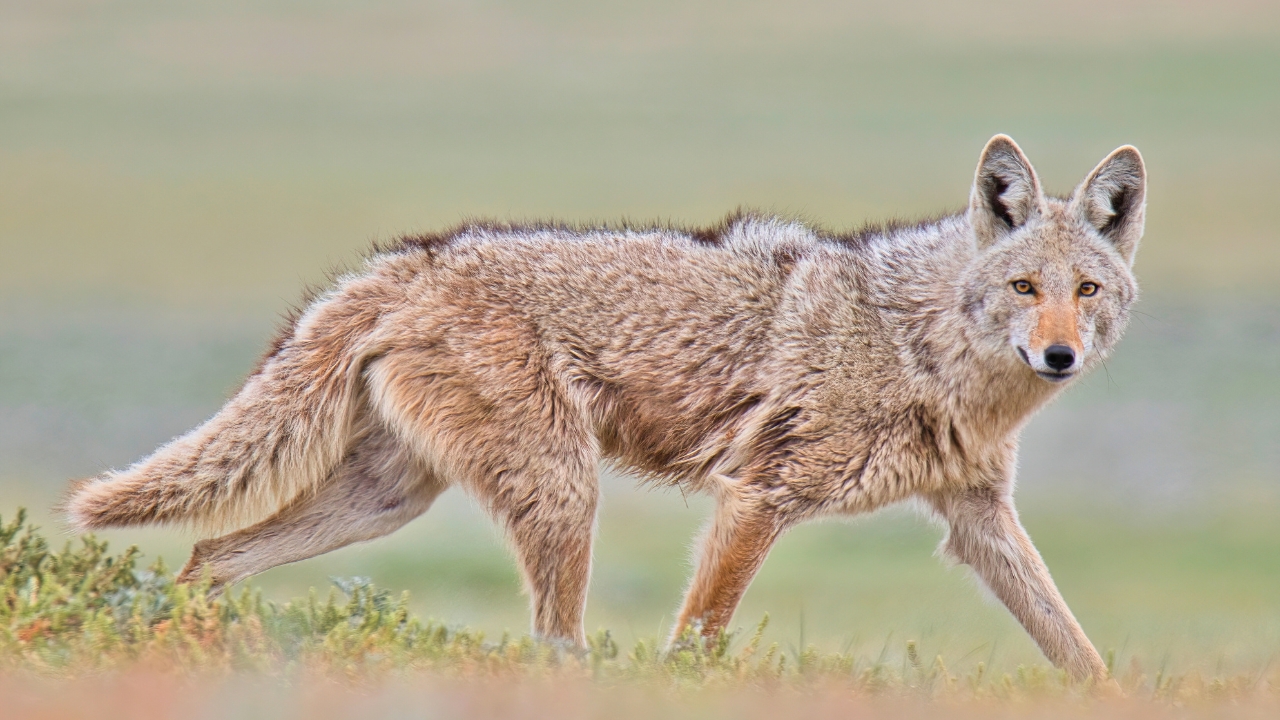
What Actually Keeps Coyotes Away From Your Property
Photo credit: Tony LePrieur Photography/Shutterstock.com
Coyotes are showing up in neighborhoods, suburbs, and rural areas more than ever. Once they figure out there’s easy food, water, or shelter on your property, they’re not quick to leave. The internet is packed full of advice—some works, some doesn’t.
If you’re serious about keeping coyotes off your property, it takes more than hanging up a few fake owls or sprinkling some pepper around. Here’s what actually works—and what’s a waste of time.
Motion-Activated Lights Work
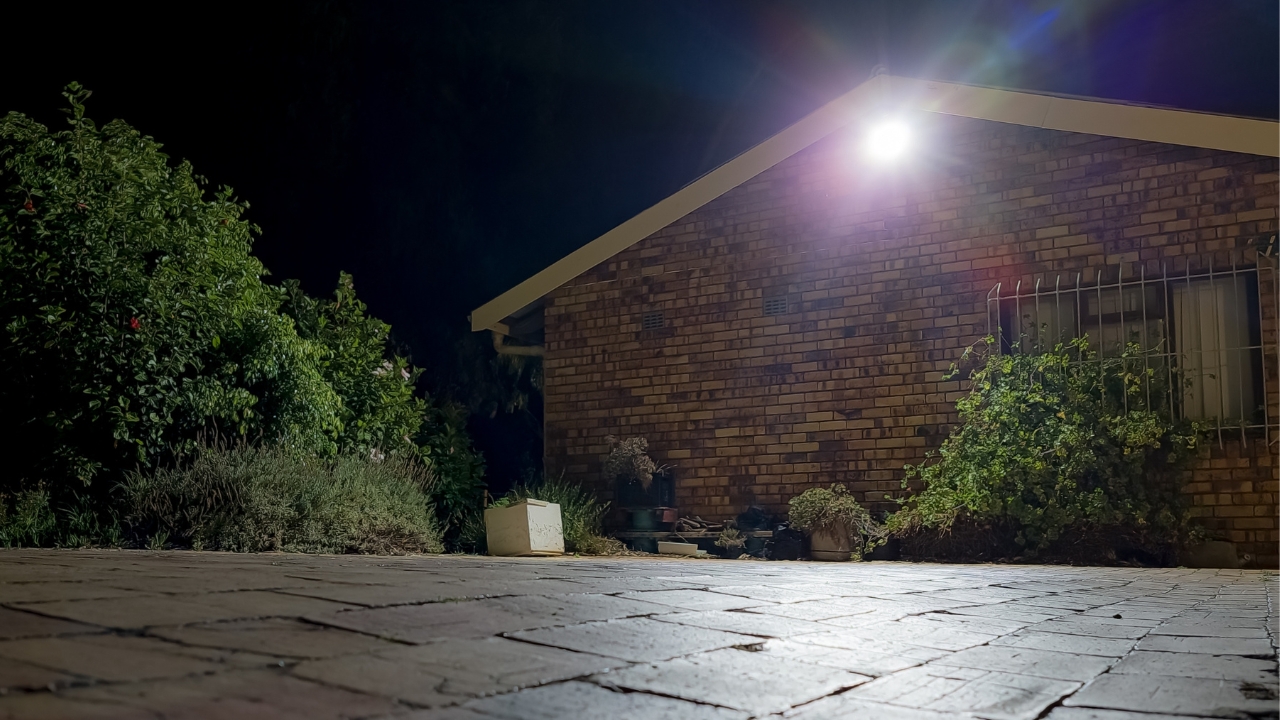
Coyotes are skittish about sudden light. Motion-activated floodlights can startle them and send them running—especially if they’re set up around coops, barns, or garbage areas.
The trick is placement. If lights only cover part of your yard, they’ll learn to skirt around it. It’s not foolproof, but paired with other methods, it’s effective.
Predator Deterrent Lights Help at Night
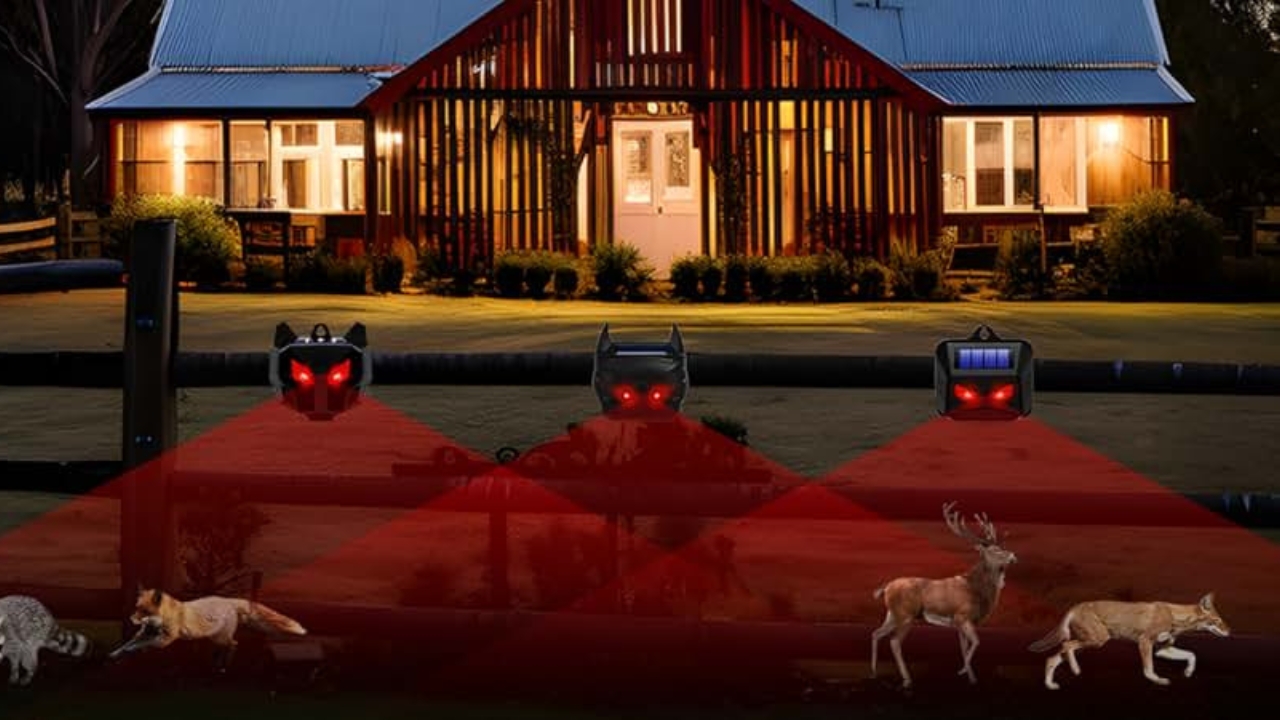
Those solar-powered blinking red lights claim to mimic predator eyes. And to some extent, they do work—if coyotes haven’t already gotten comfortable on your property.
These are most effective when paired with fencing or other barriers. Alone, they might delay a visit but won’t stop a determined coyote long-term.
Pee Products Don’t Work
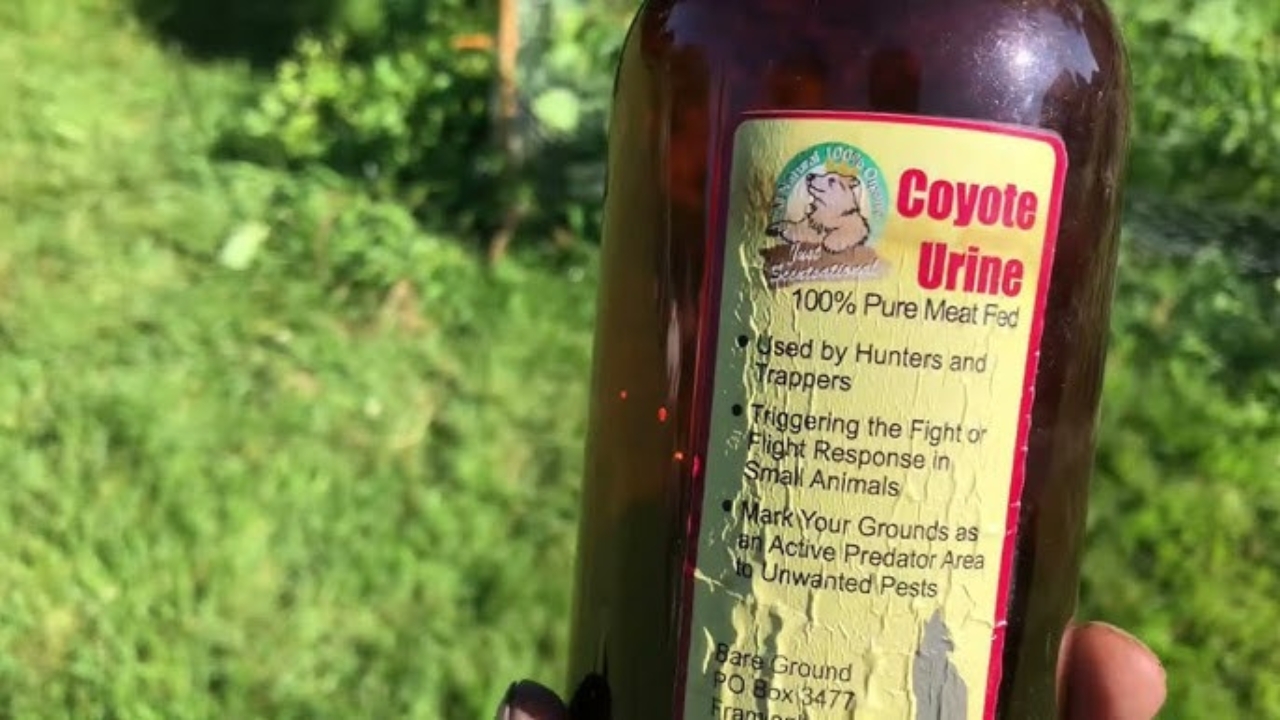
You’ve probably seen coyote urine or wolf urine sold as a deterrent. Spoiler—it rarely works on actual coyotes. They’re territorial, but not scared of the scent of their own kind.
If anything, they might come sniff around to check out who’s moved into the neighborhood. Don’t waste your money.
Coyote Rollers Actually Work
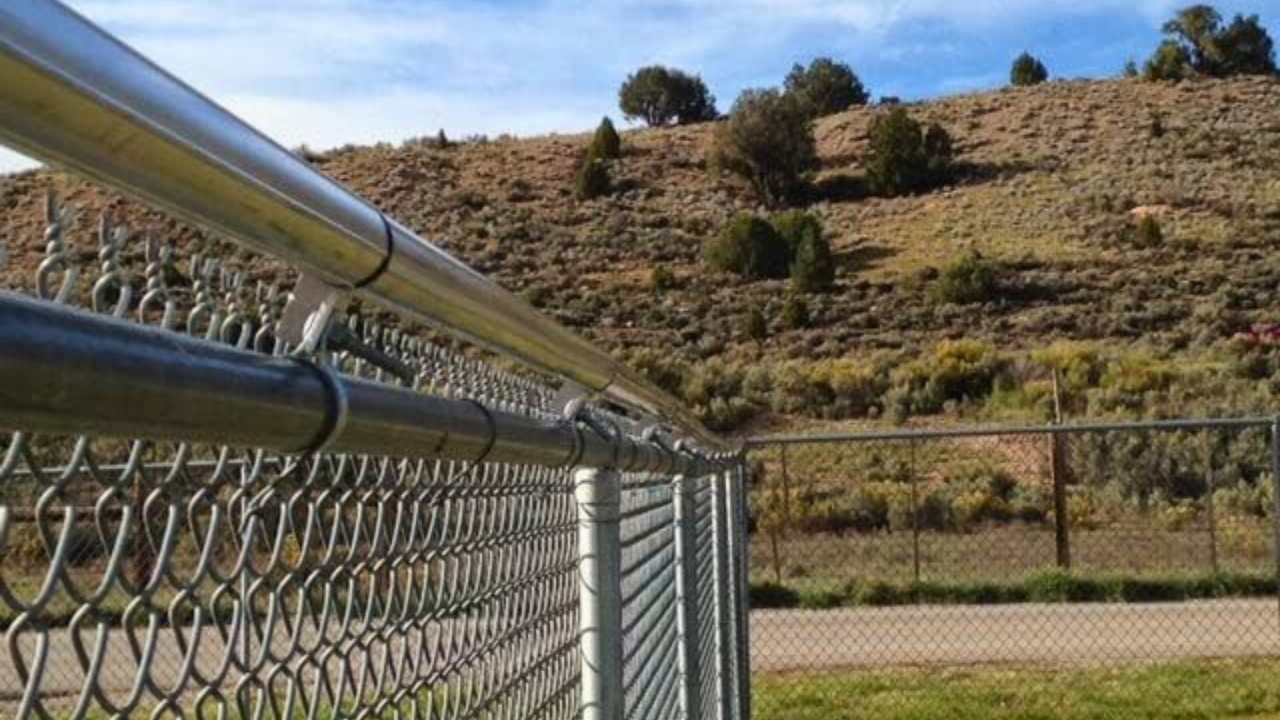
If you’ve got a fence, a coyote roller is one of the most reliable upgrades you can make. It’s a spinning bar mounted at the top of a fence that keeps coyotes from getting the grip they need to climb over.
Paired with a six-foot fence that has no gaps at the bottom, this keeps most coyotes out. This isn’t a gimmick—it works.
Leaving Food Out Guarantees Failure

Doesn’t matter what deterrents you use—if there’s food, they’ll be back. Dog food, chicken feed, unsecured trash, compost with scraps, or fallen fruit are huge attractants.
Cleaning this up does more to keep coyotes away than any gadget or fence upgrade you can buy. If you skip this step, nothing else matters.
Motion Sprinklers Work on Coyotes
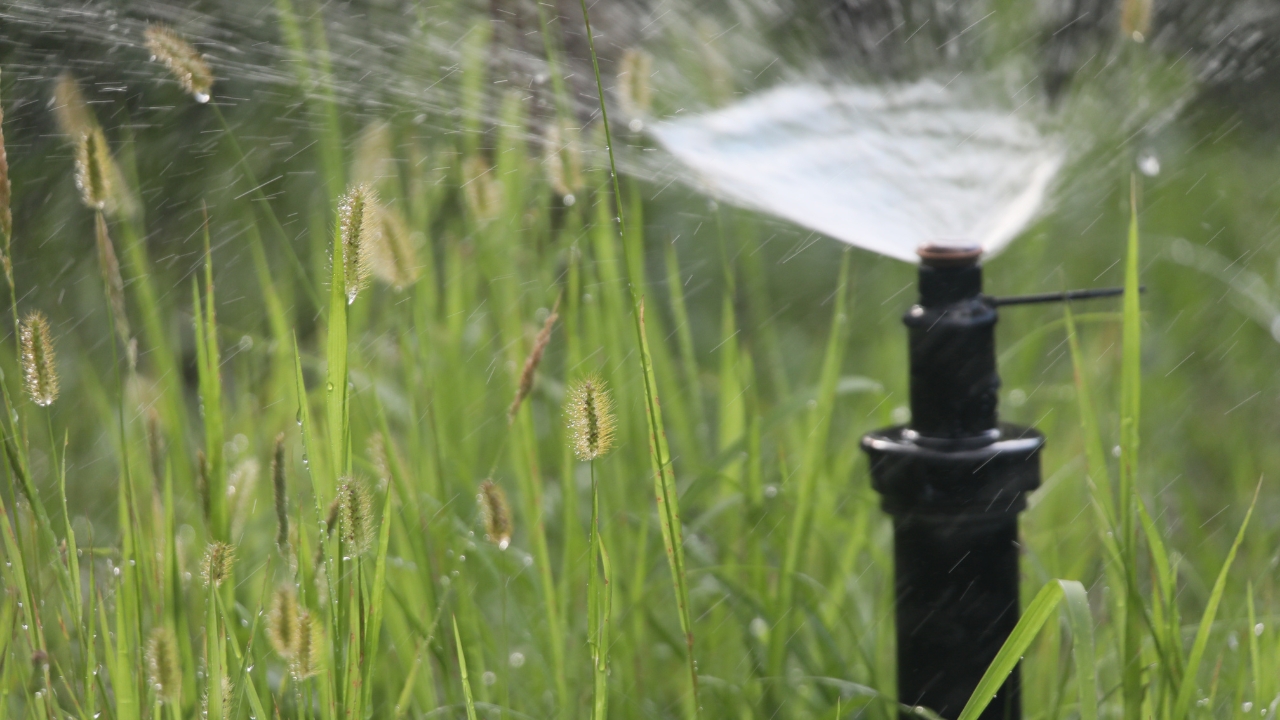
Coyotes hate being sprayed. Motion-activated sprinklers, often sold as deer deterrents, work surprisingly well on coyotes.
Set them near entry points, garden beds, chicken coops, or wherever you’ve seen tracks. Just be ready to get wet yourself a few times when you forget it’s on.
Fake Predators Don’t Fool Coyotes
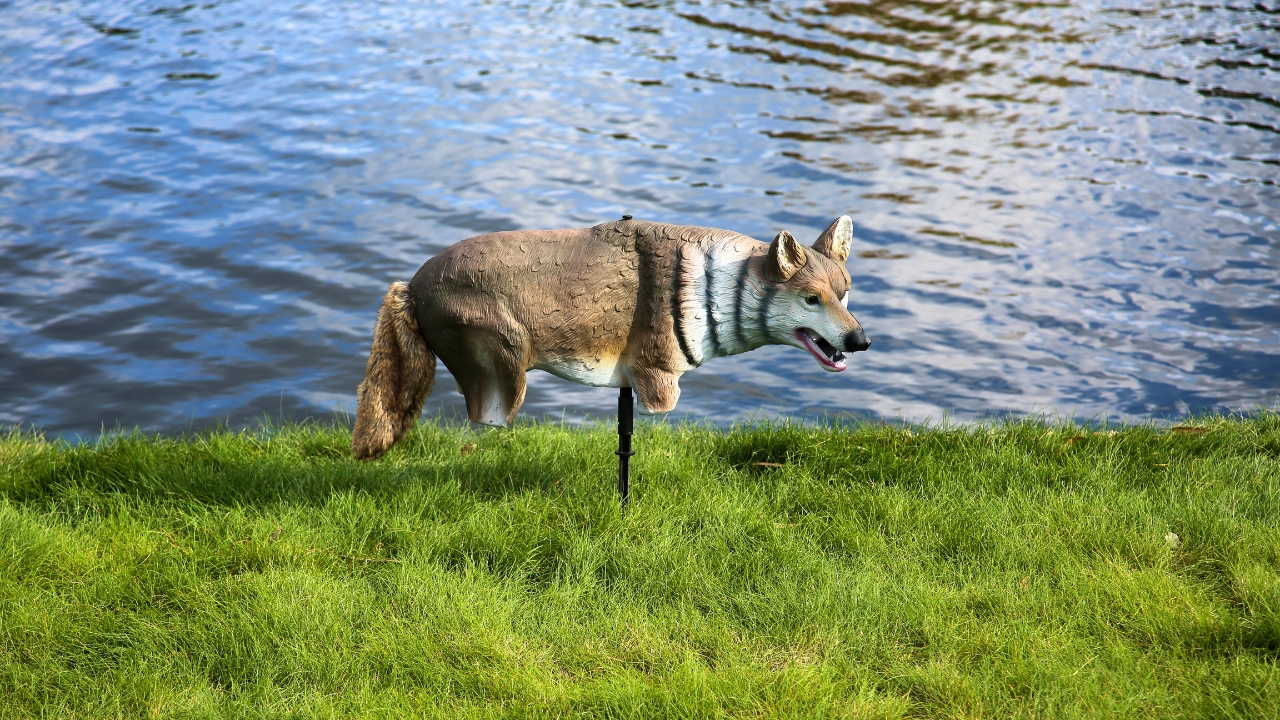
Fake owls, plastic coyotes, scarecrows—none of it works. Coyotes figure out real fast that those things don’t move, don’t smell, and don’t chase.
If it’s not a real threat or paired with motion and sound, they’ll ignore it completely.
Strong Fences Matter Most
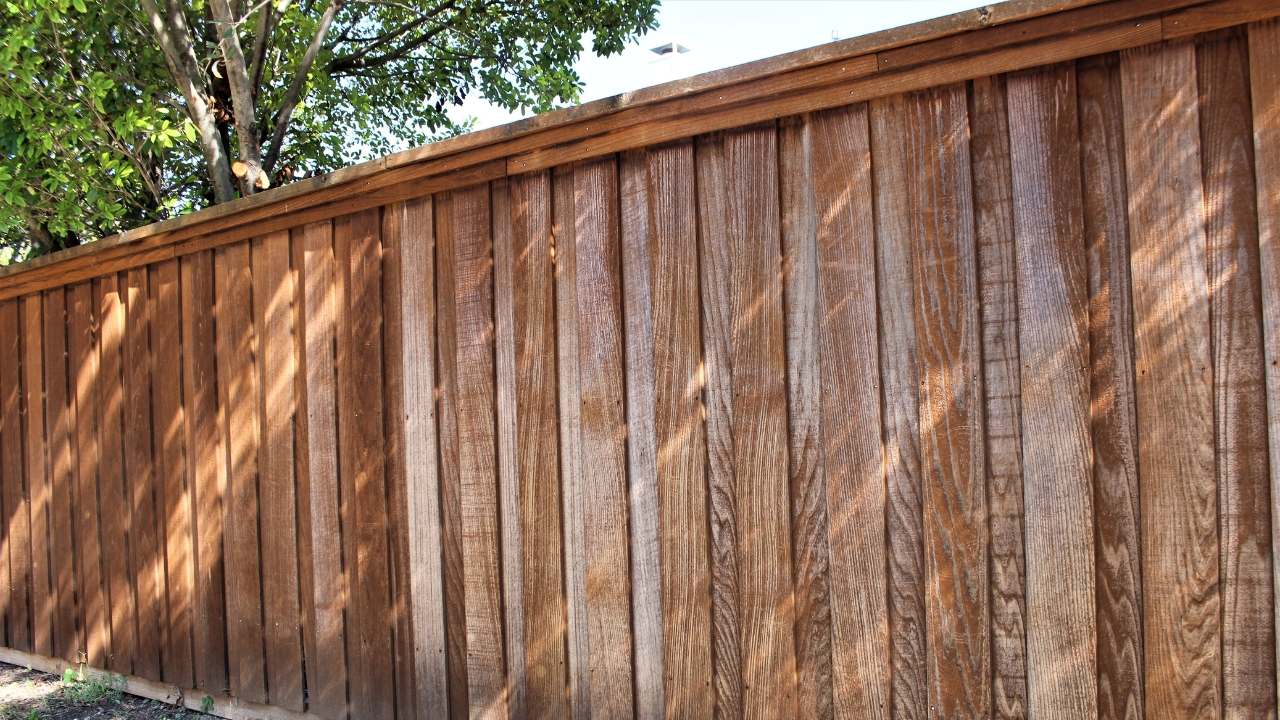
The absolute best thing you can do is fence them out. A fence needs to be at least 6 feet tall, with no gaps underneath. Coyotes can dig, so bury hardware cloth at least 12 inches down.
If jumping’s an issue, adding coyote rollers or an angled extension at the top makes a huge difference.
Hazing Coyotes Works (If You’re Consistent)
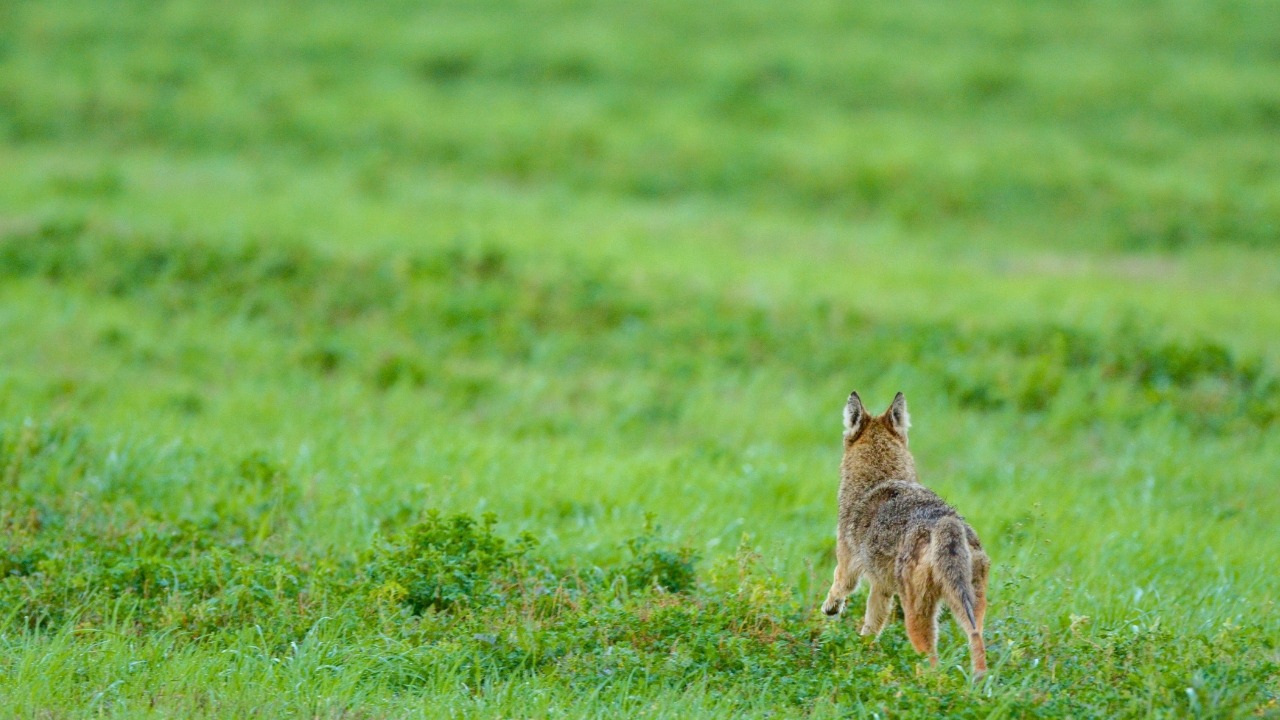
If you see a coyote near your property, haze it. Yell, wave your arms, bang things, throw sticks—make it uncomfortable. The goal is to remind it that humans equal danger, not free snacks.
The key is consistency. If neighbors ignore them while you haze them, they’ll just move two yards over. Get your neighborhood on board.
Like Fix It Homestead’s content? Be sure to follow us.