8 signs your land wasn’t prepped before you built
Photo credit: kevin brine/Shutterstock
A lot of people rush into building after buying land, but skipping proper site prep almost always comes back to bite later. Good prep work goes way beyond clearing trees and leveling dirt—it’s about drainage, soil stability, and access. If those things weren’t handled first, you’ll start seeing little signs that your property wasn’t ready for construction.
Here are the most common clues your land needed more prep before the first concrete truck ever showed up.
Water pools around the house

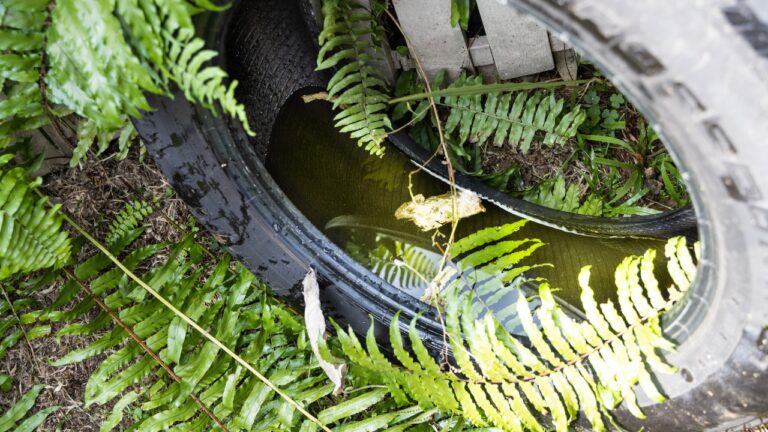
If rainwater sits near your foundation or driveway, the grading probably wasn’t done right. Proper site prep ensures water flows away from the house, not toward it. Standing water after a storm might look harmless, but it slowly erodes soil, seeps into crawl spaces, and weakens your foundation over time.
Your driveway keeps washing out
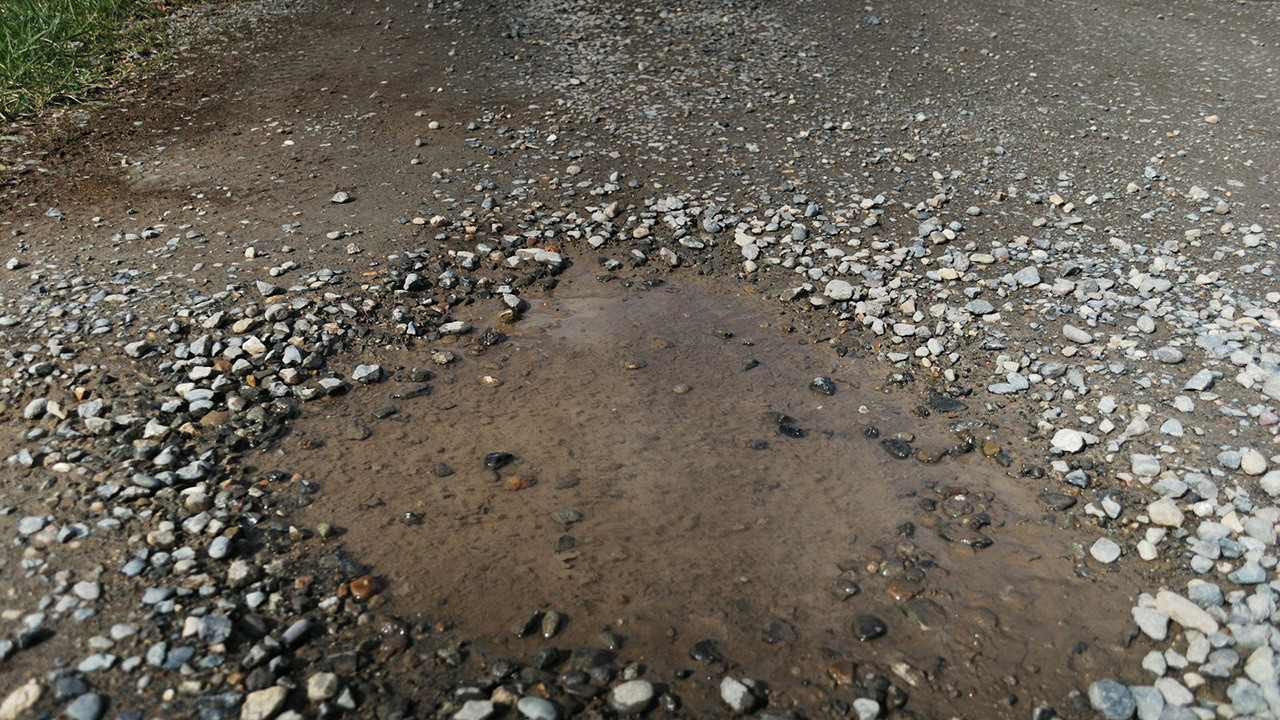
A washed-out driveway usually means there wasn’t enough base material or the slope wasn’t planned correctly. Before building, driveways should be compacted with gravel and shaped for water runoff. If yours ruts easily or turns into a mud pit every time it rains, the prep work under it was skipped or done poorly.
Cracks in concrete or shifting slabs
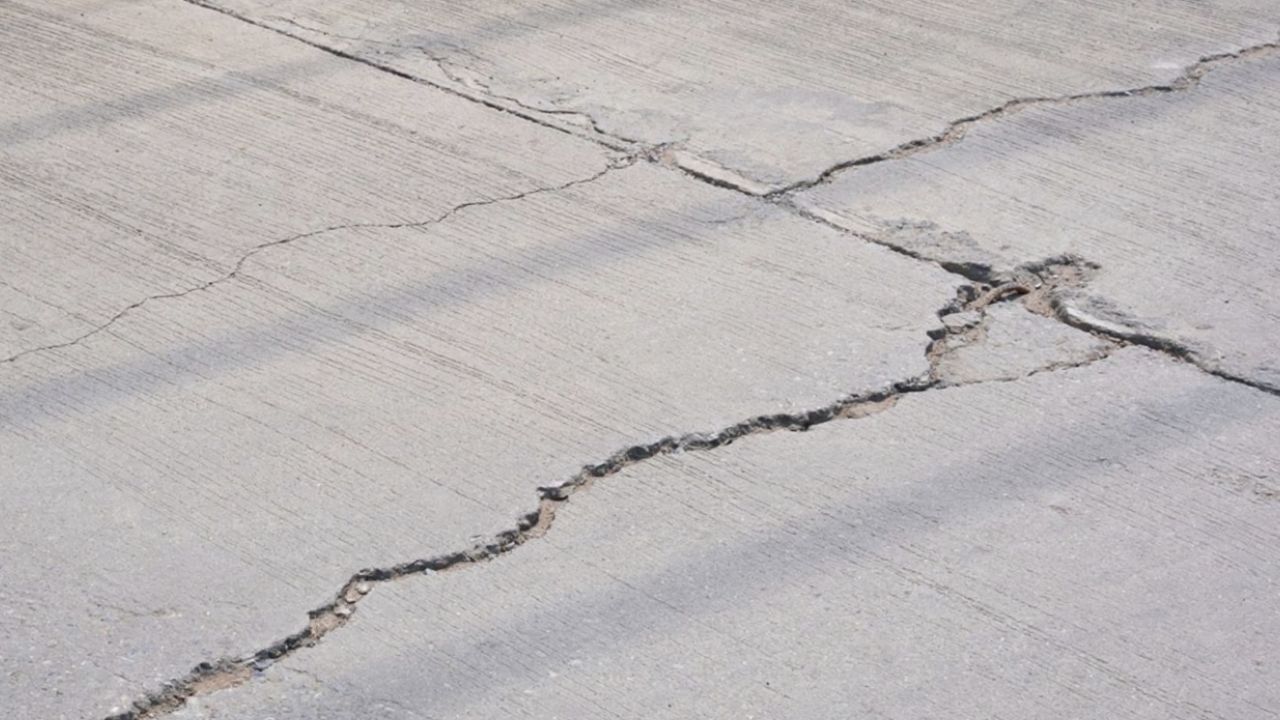
Uneven soil or poor compaction before pouring concrete leads to settling later. If you notice cracks in your porch, sidewalk, or even the foundation, that’s a big red flag. The soil beneath your house needs to be properly graded and compacted to prevent movement. When it’s not, the structure eventually shifts right along with it.
Septic issues or slow drainage
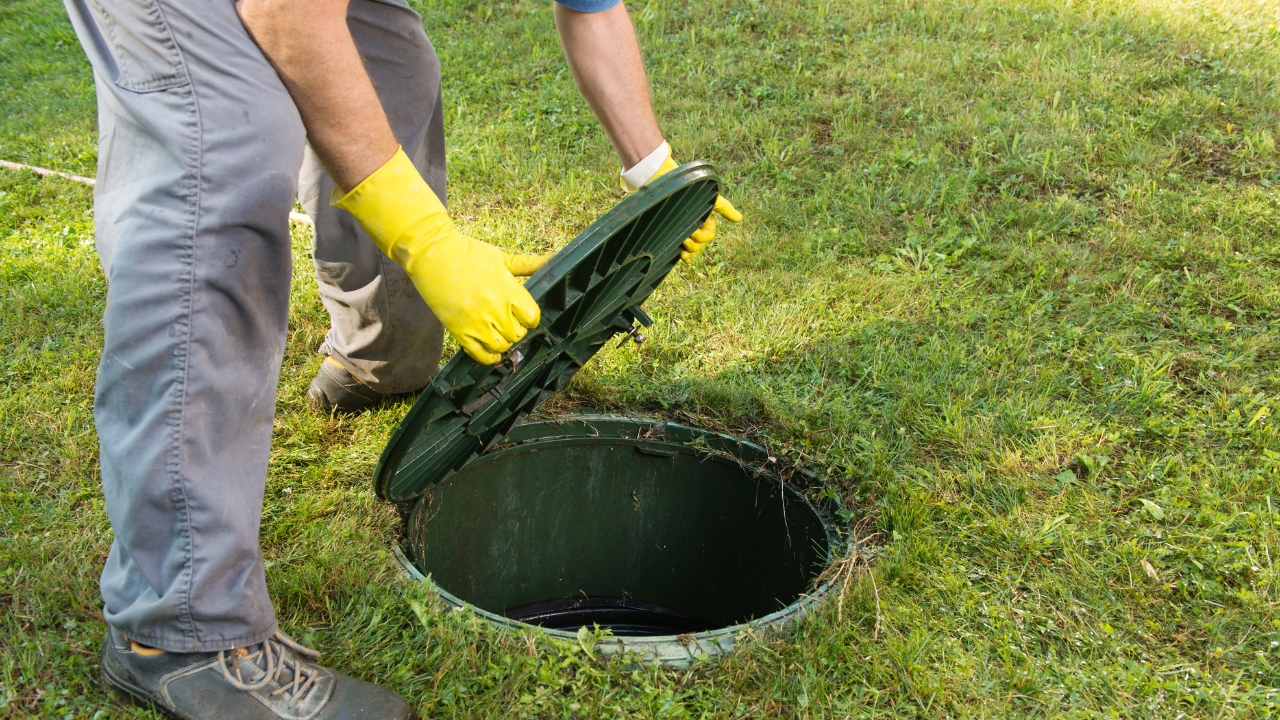
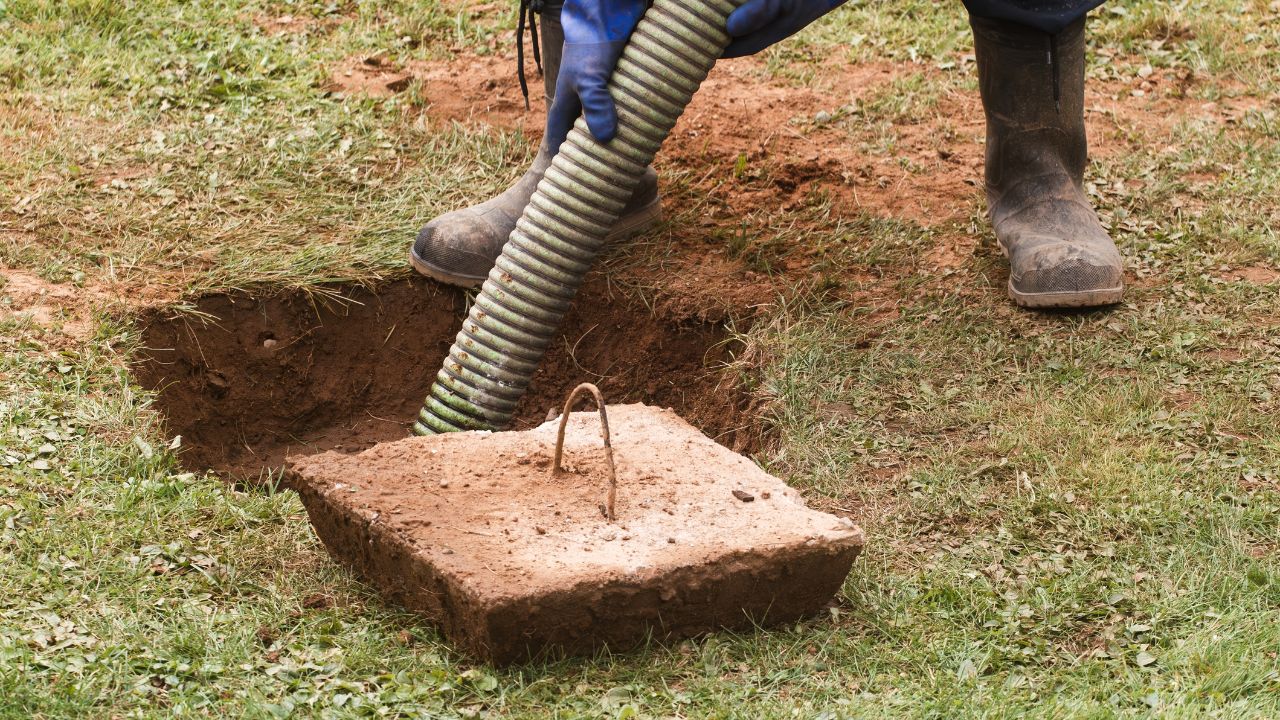
A good land prep plan includes proper soil testing and septic placement. If your system backs up, drains slowly, or smells bad, it could mean it wasn’t installed in the right type of soil—or the land wasn’t leveled for correct drainage. A rushed install is expensive to fix later, so this one’s hard to ignore.
Yard erosion and exposed roots
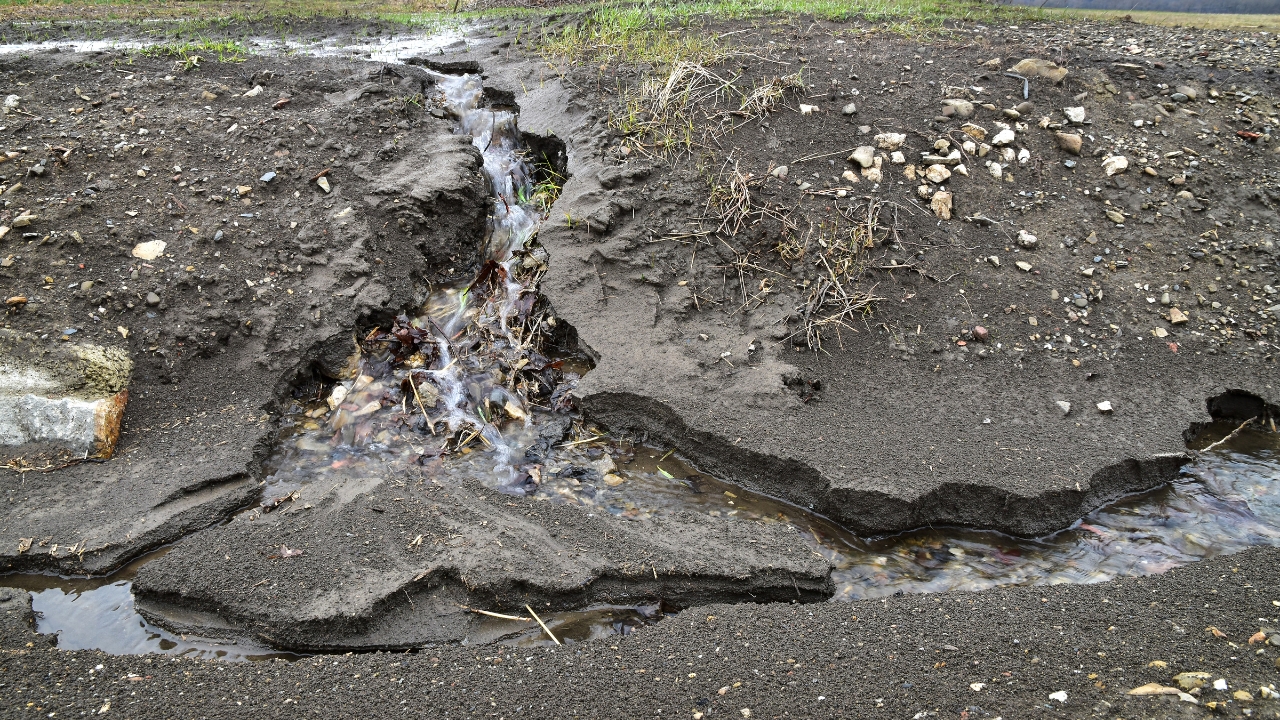
If your topsoil keeps washing away or tree roots are popping up, your slope and drainage weren’t stabilized before building. Builders should contour the land to prevent erosion, especially on uneven or clay-heavy lots. When they don’t, you’ll spend years fighting to keep grass growing where water keeps cutting through.
Standing water near your septic or foundation
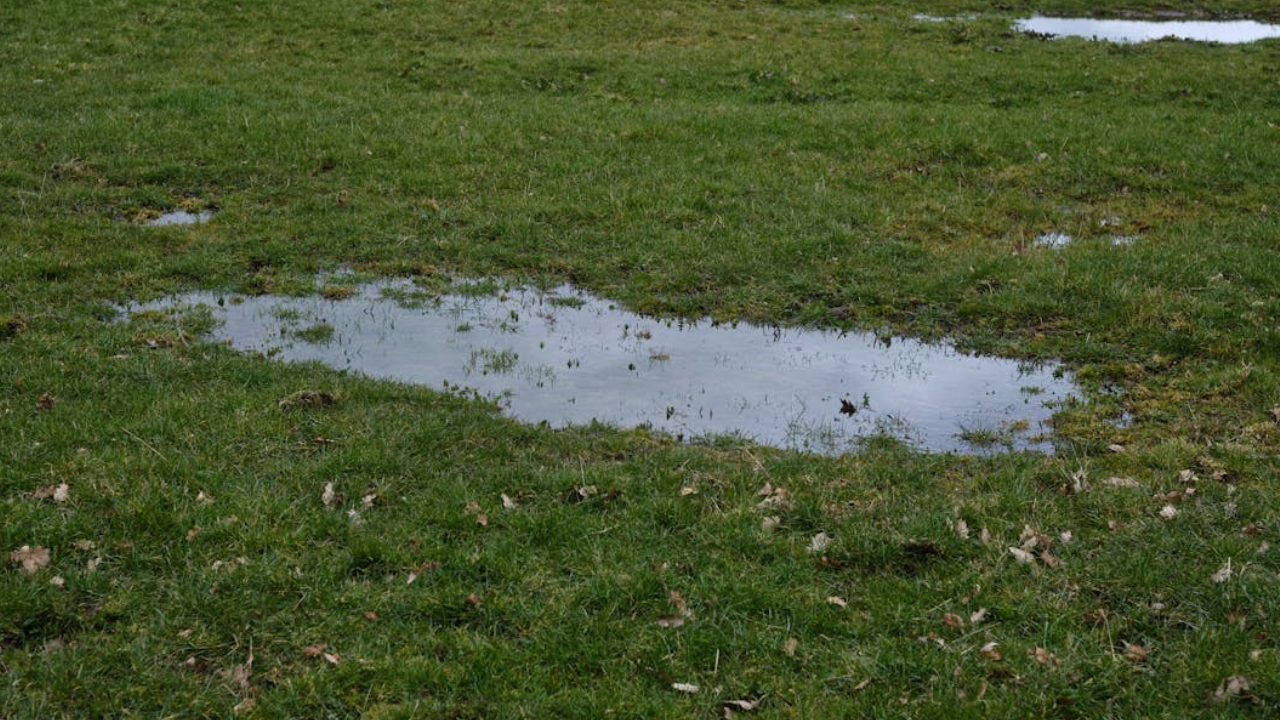
If water collects near your septic field or foundation after every rain, that’s a big sign the land wasn’t properly graded. The soil may be compacted in the wrong areas, or the lot was leveled too flat. Over time, that standing water can damage both your home’s structure and your septic system.
Uneven yard or soft spots

If you walk around and find your yard feels spongy or dips in odd places, it probably wasn’t graded or compacted evenly. Fill dirt should be layered and packed before sod or gravel ever goes down. Skipping that step can lead to drainage issues, tripping hazards, and a yard that’s impossible to mow evenly.
Access roads or utilities keep failing
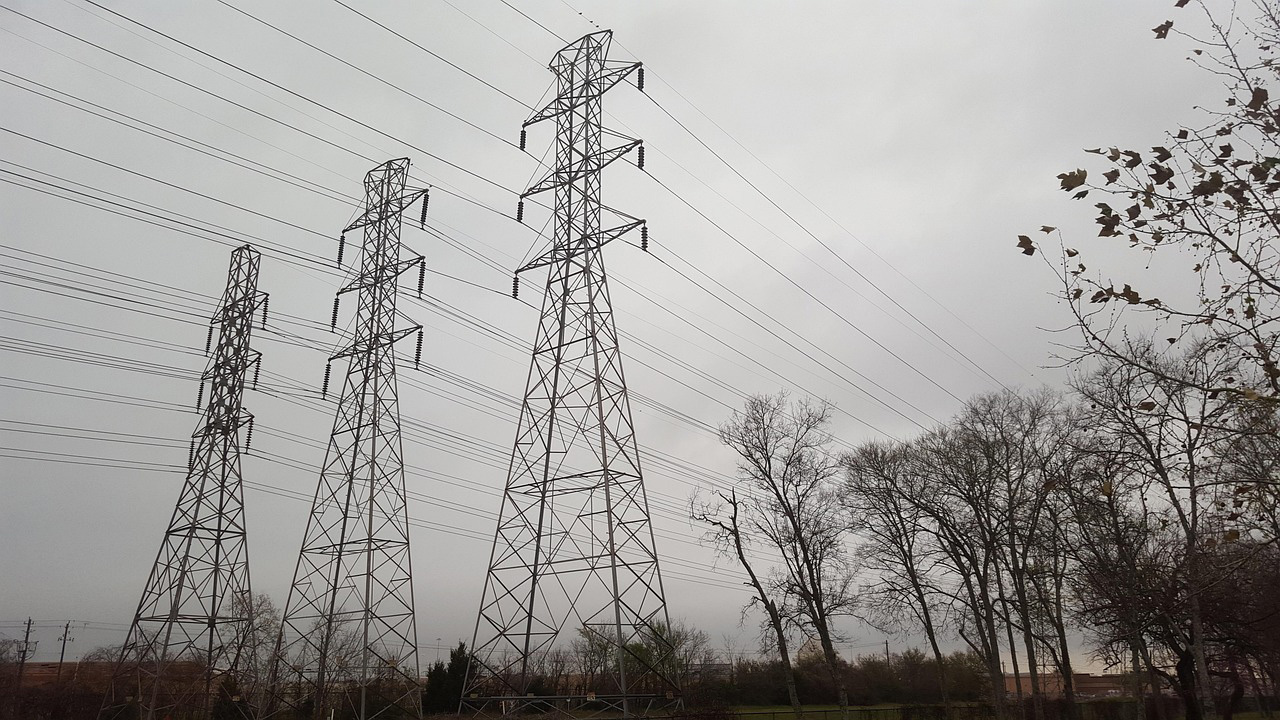
If your access road turns to mud or your water or power lines keep having issues, the site likely wasn’t planned for long-term use. Proper land prep includes thinking ahead—installing stable utility routes, culverts, and roadbeds. When those are skipped, you’re left patching problems that should’ve been built right from the start.
*This article was developed with AI-powered tools and has been carefully reviewed by our editors.