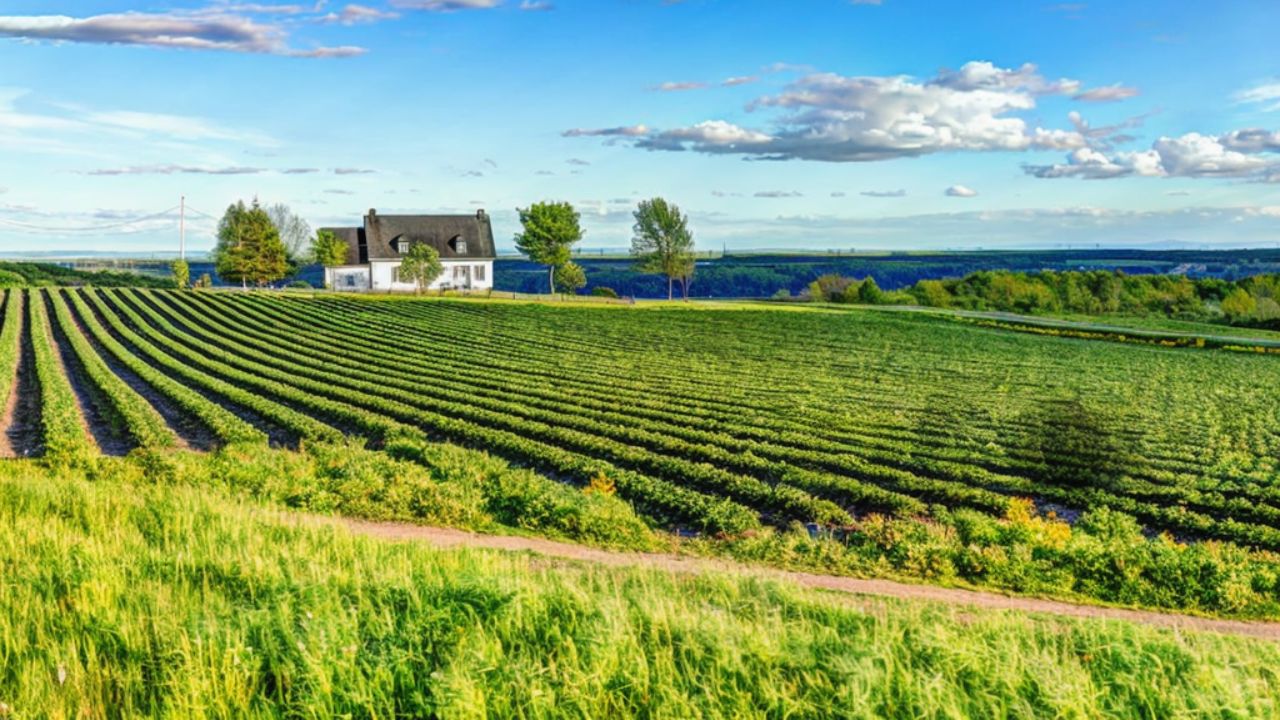
7 habits that wear out your land faster than you think
Photo credit: Krblokhin/istock.com
Land can handle a lot, but it’s not indestructible. How you use and maintain it has a big impact on how well it holds up over time. Overworking soil, compacting ground, or ignoring drainage problems can quietly strip away the health and stability of your property.
You might not notice it season to season, but these habits can slowly turn good ground into a maintenance nightmare.
Driving heavy equipment when the ground’s wet
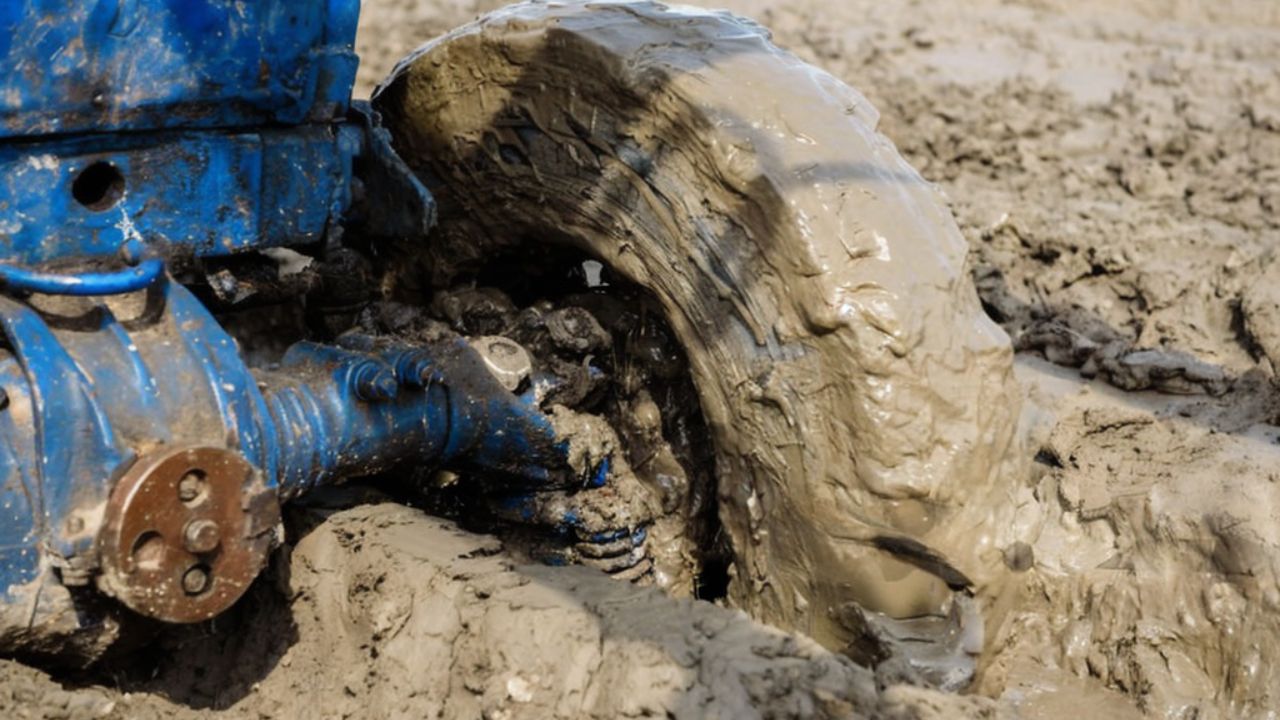
Working on your land when it’s soggy packs down the soil and destroys its structure. Once the top layer compacts, water can’t drain right and roots struggle to grow. Over time, this leads to more standing water and less healthy grass or crops. Waiting until the soil is dry before driving tractors or trucks helps preserve your topsoil and keeps your ground workable long term.
Letting erosion go unchecked
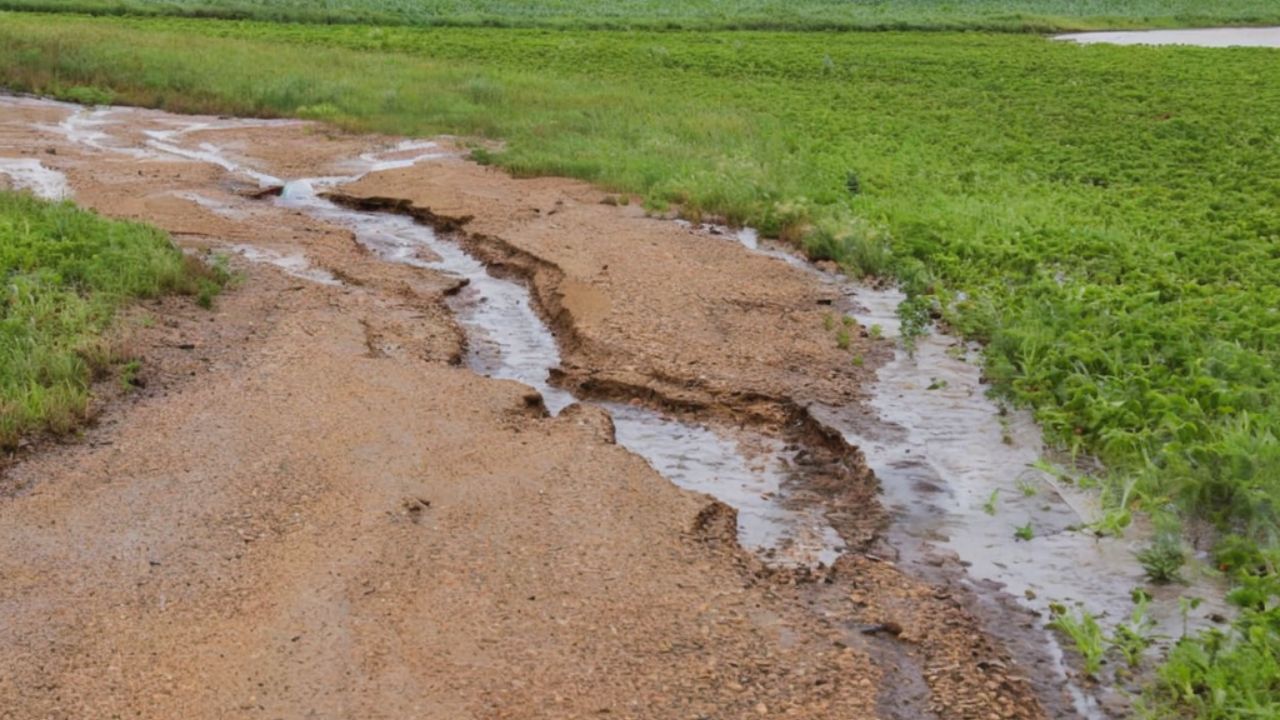
If you notice washouts forming after heavy rain and don’t fix them, they’ll only grow. Erosion strips away nutrient-rich topsoil, exposes roots, and weakens your property’s structure. Simple fixes—like adding gravel, planting ground cover, or shaping drainage paths—go a long way toward keeping your soil where it belongs. The longer you ignore it, the harder and more expensive it becomes to fix.
Overgrazing pasture
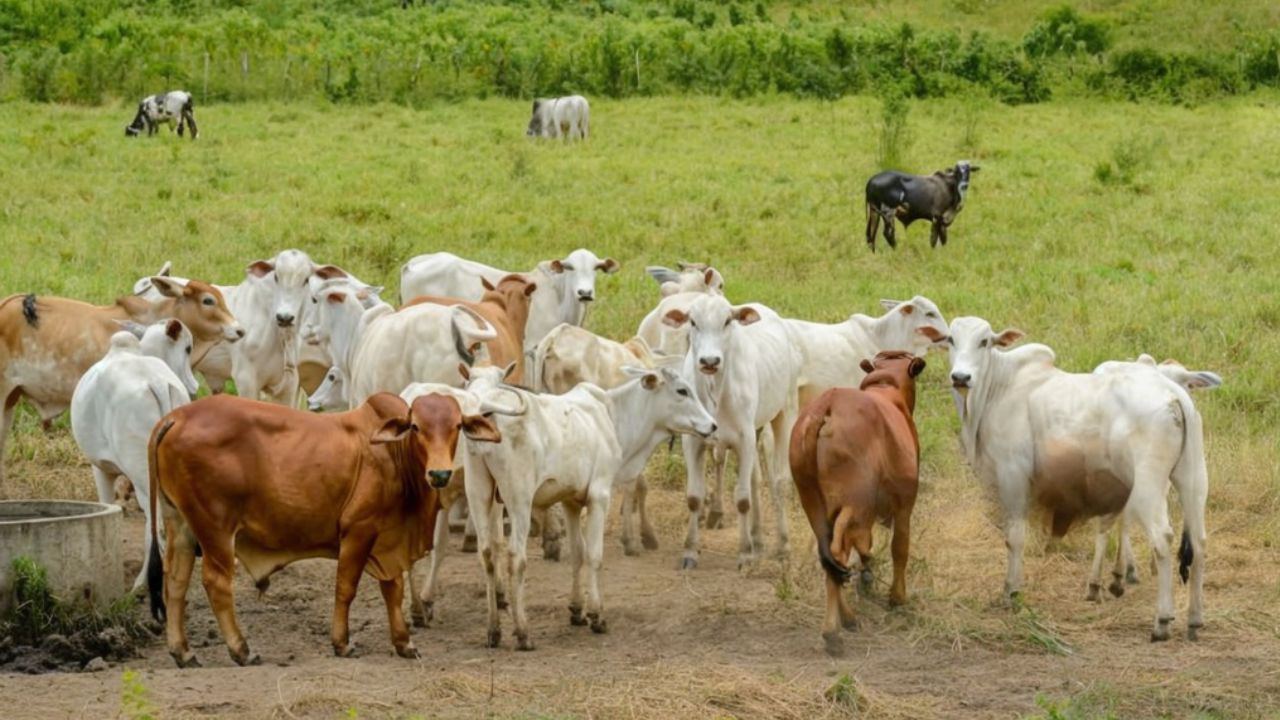
Livestock can quickly wear down a pasture when they’re left too long in one area. Overgrazing removes grass faster than it can regrow, leaving bare spots that erode with every rain. Rotational grazing gives the land a chance to recover and keeps forage healthier year-round. It’s one of the simplest ways to keep your ground strong and productive for decades.
Ignoring drainage issues
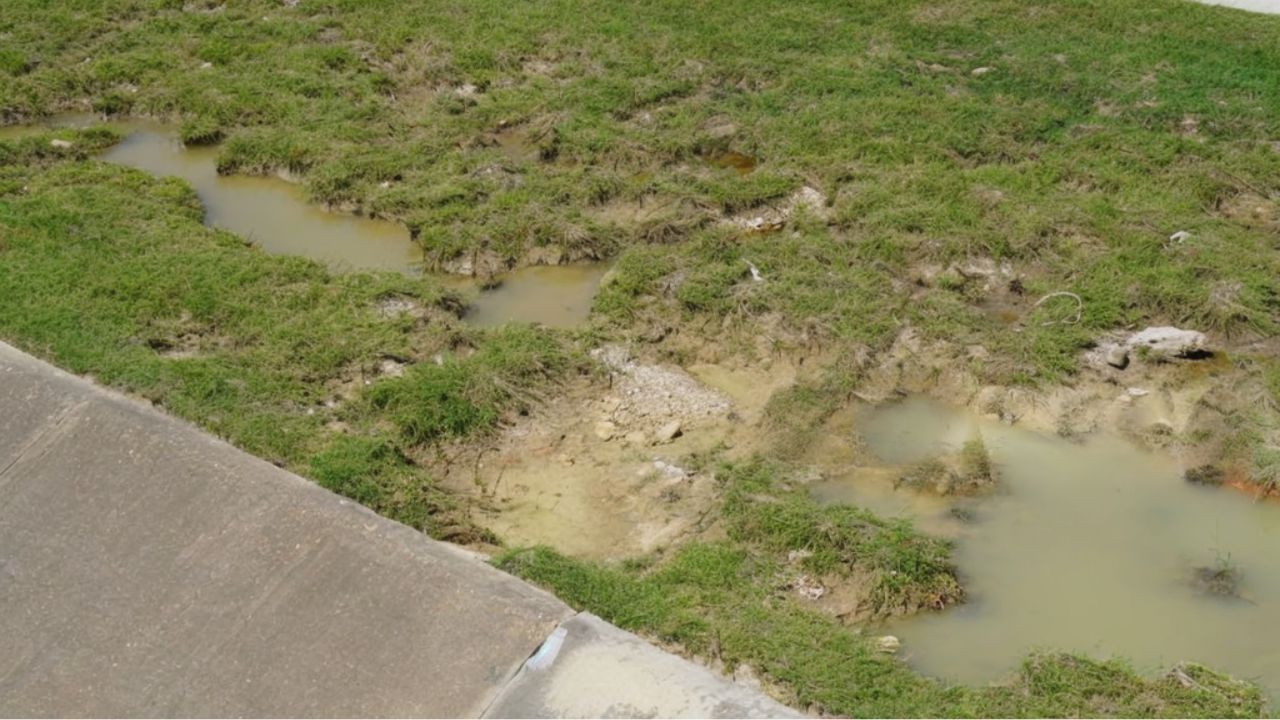
Water that sits too long on your property slowly damages everything around it—driveways, foundations, and soil included. If you’ve got areas that never dry out, you’re dealing with poor grading or blocked runoff paths. Fixing the flow now, with ditches, swales, or French drains, saves you from bigger issues like sinkholes or foundation problems later.
Cutting trees or brush without stabilizing the soil
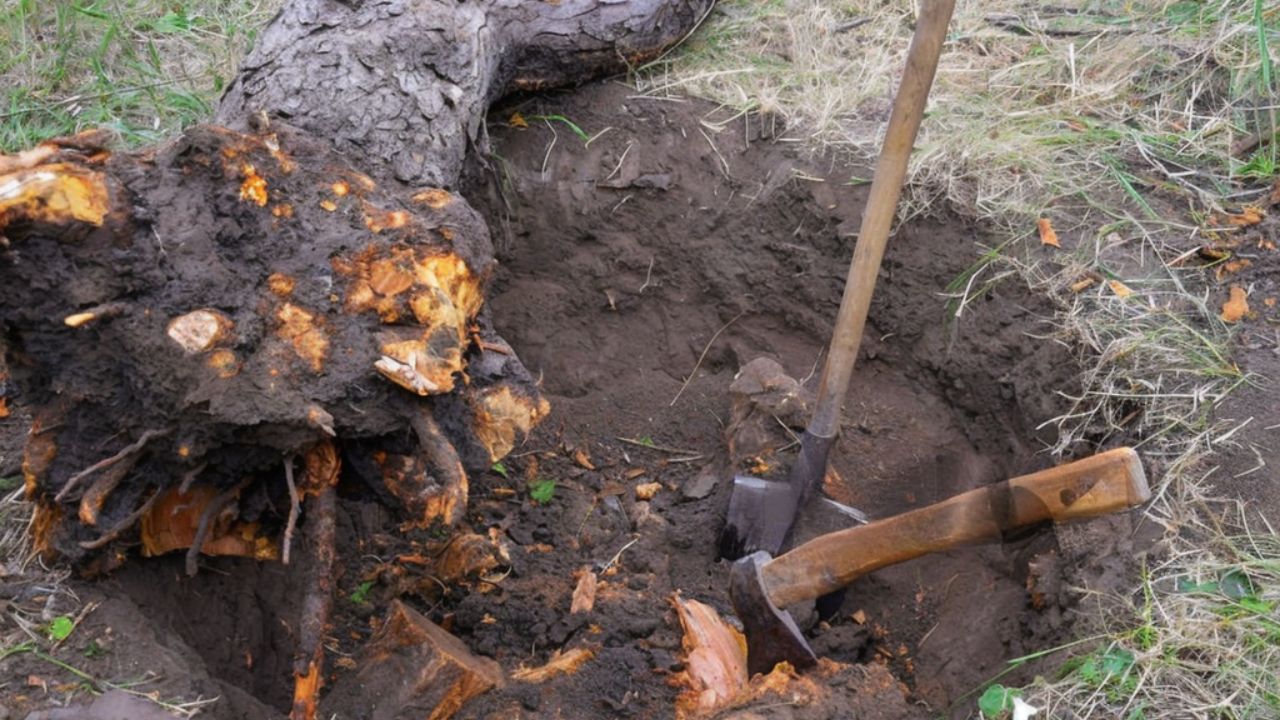
Clearing trees might make your property look neater, but removing deep roots without reinforcing the ground causes erosion. Those roots were holding soil in place. If you clear land, plant grass or other cover quickly to stabilize it. Skipping that step leaves you with runoff problems and uneven terrain you’ll spend years trying to fix.
Overusing fertilizers or chemicals
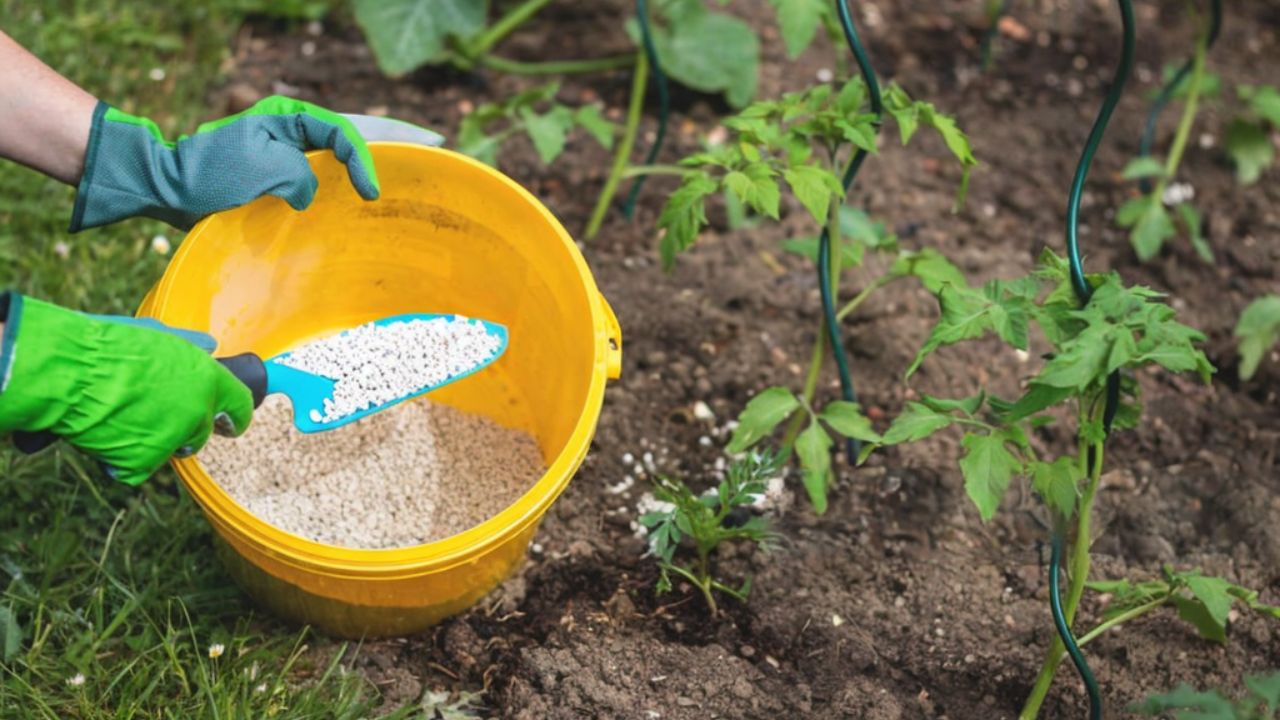
Dumping on too much fertilizer might make things greener short-term, but it depletes natural soil health and kills off beneficial microbes. Chemical runoff also seeps into nearby water systems, damaging your property’s balance long-term. Using organic amendments or compost adds nutrients naturally without stripping away the soil’s life.
Leaving bare soil exposed
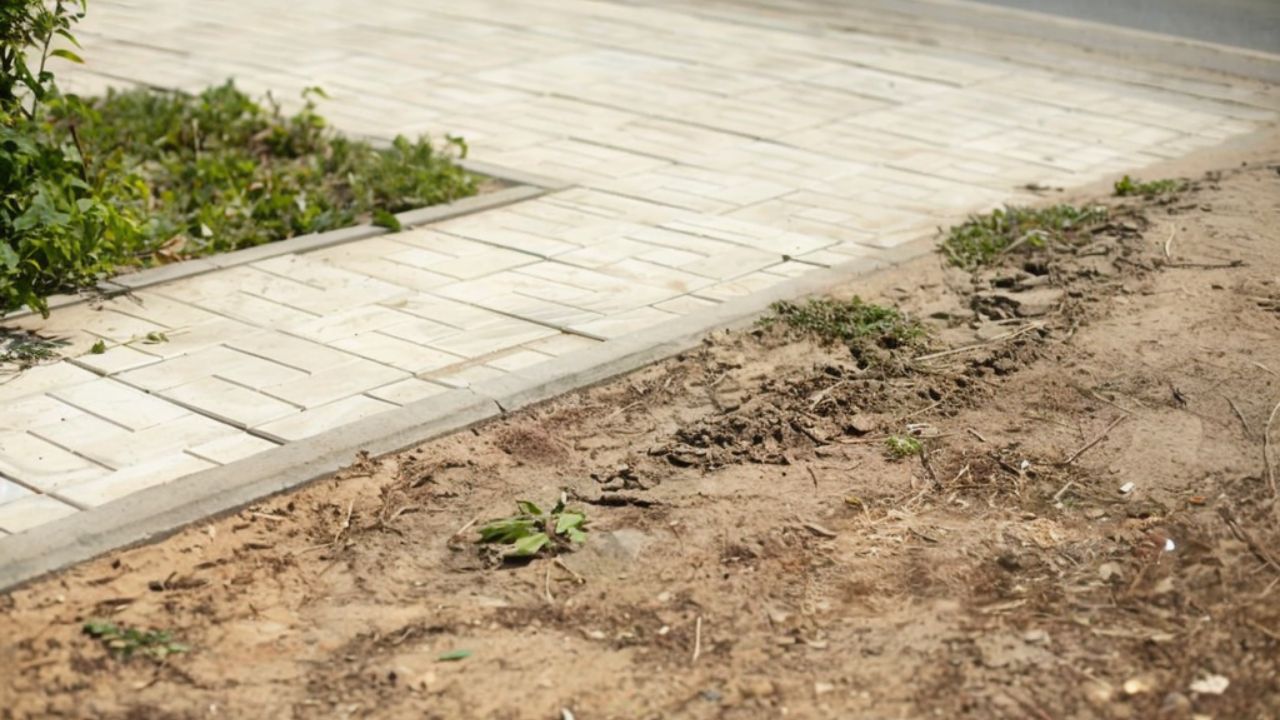
Exposed dirt is an open invitation for erosion, weeds, and runoff problems. Whether it’s around driveways, barns, or garden beds, bare ground doesn’t last long before nature starts reclaiming it. Keeping areas covered with mulch, gravel, or grass helps hold moisture, prevent erosion, and maintain healthy soil underneath. It’s a small fix that protects your land year-round.
*This article was developed with AI-powered tools and has been carefully reviewed by our editors.