10 things that wreck your property value without you knowing
Photo credit: Joe Hendrickson/istock.com
You might think your home’s value depends on market trends, but a lot of it comes down to small choices that quietly chip away at what it’s worth. Things like poor maintenance, outdated features, or over-personalized changes can make buyers hesitate — even if the rest of your place looks great.
These aren’t always big mistakes, either. Many happen slowly, right under your nose, until it’s time to sell and you realize they’ve added up. Here’s what might be hurting your property value without you realizing it.
Ignoring drainage and grading problems

Standing water in the yard or near your foundation is more than an eyesore — it’s a red flag for buyers and a slow drain on your home’s value. Poor grading and drainage can lead to erosion, foundation damage, and mosquito problems over time.
Fixing it early is always cheaper than repairing the damage later. Proper grading, gutters, and French drains keep water moving away from your house and protect both your structure and your equity.
Using cheap materials for quick fixes
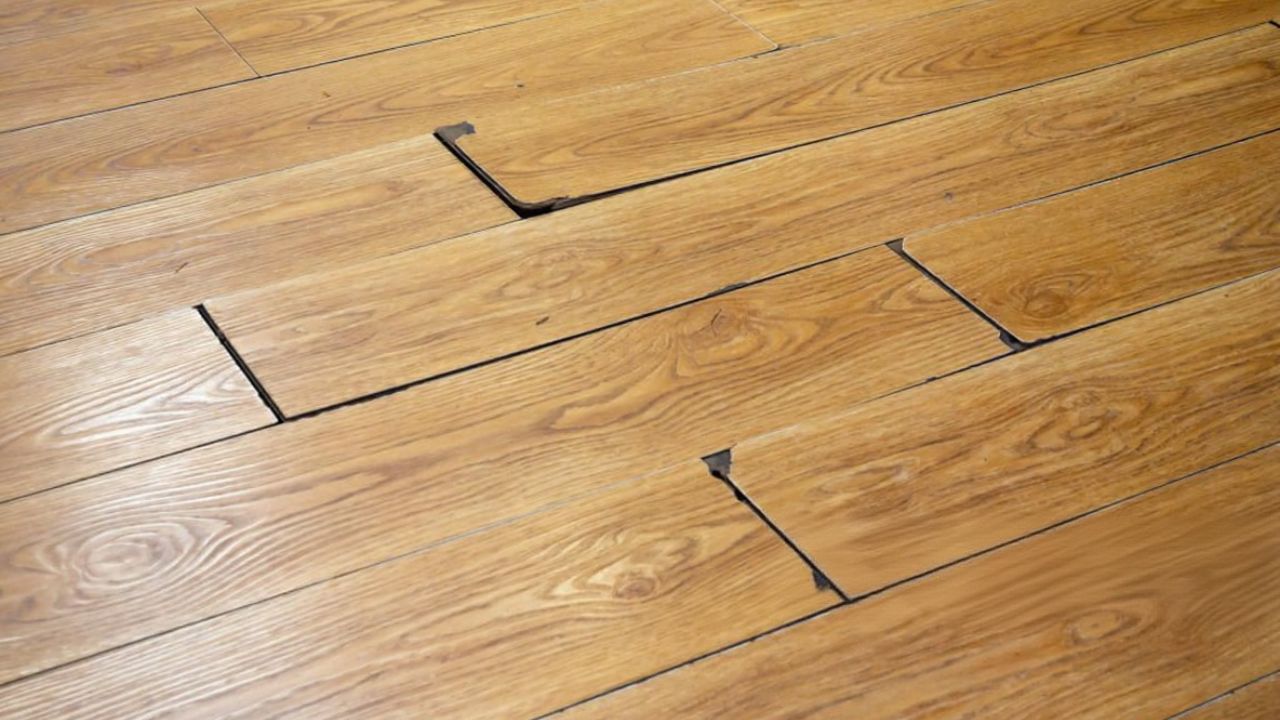
Cutting corners on materials might save money upfront, but buyers and inspectors can always tell. Thin flooring, hollow doors, or bargain fixtures age fast and make your home feel cheaper overall.
When repairs or updates are needed, go for mid-range materials that hold up. You don’t have to go luxury, but using durable, quality finishes tells people your home was cared for — and that adds long-term value.
Letting paint or siding go too long

Peeling paint, faded siding, or cracked trim instantly make a house look neglected. Even if everything else is solid, poor exterior upkeep makes buyers assume bigger issues are hiding underneath.
A fresh coat of paint or simple siding repair goes a long way. It boosts curb appeal, protects against weather damage, and signals that the property’s been maintained — all things that keep value steady.
Overdoing personal decor choices
That bold accent wall or bright-colored cabinets might suit your taste, but not everyone else’s. Highly personalized design choices make it harder for potential buyers to picture themselves in the home.
Neutral paint, classic finishes, and cohesive color schemes appeal to more people. You can still add personality through furniture and decor that’s easy to change later.
Ignoring pest or rodent issues

Signs of bugs, mice, or termites drop property value fast. Even a minor infestation can turn buyers away because it suggests neglect or hidden damage.
If you notice droppings, soft wood, or chewed wiring, deal with it immediately. Regular pest control and sealing entry points keep your property protected and maintain its resale value.
Leaving old or damaged flooring
Outdated carpet, warped vinyl, or scratched wood floors can quietly bring down your home’s value. Flooring sets the tone of a space, and if it looks worn, people assume the rest of the house has issues too.
Replacing floors doesn’t have to be expensive — even affordable options like luxury vinyl plank can make a huge difference. Fresh, clean flooring adds perceived value instantly.
Skipping regular roof maintenance

A roof that looks questionable makes buyers nervous. Missing shingles, dirty streaks, or soft spots suggest expensive repairs are coming — even if the roof technically has years left.
Regular inspections and cleaning prevent long-term damage. Replacing a few shingles now can save thousands later, and it keeps your home’s value intact by reassuring anyone who comes to see it.
Neglecting your landscaping

Overgrown trees, dead patches, or cluttered yards don’t just look bad — they can also hide drainage problems or damage foundations. Curb appeal sets the tone, and neglected landscaping tells people the rest of the property might need work too.
Trim trees, edge beds, and keep things tidy. Even basic upkeep like mowing regularly and mulching makes your land look cared for, which adds perceived value.
Using mismatched exterior upgrades
Mixing styles — like modern windows with an outdated roof or mismatched trim — makes a home look pieced together. It tells buyers that upgrades were done separately without a long-term plan.
If you’re updating your home, think cohesively. Matching materials and colors give a polished, unified look that makes your property feel higher-end without spending a fortune.
Ignoring small structural issues
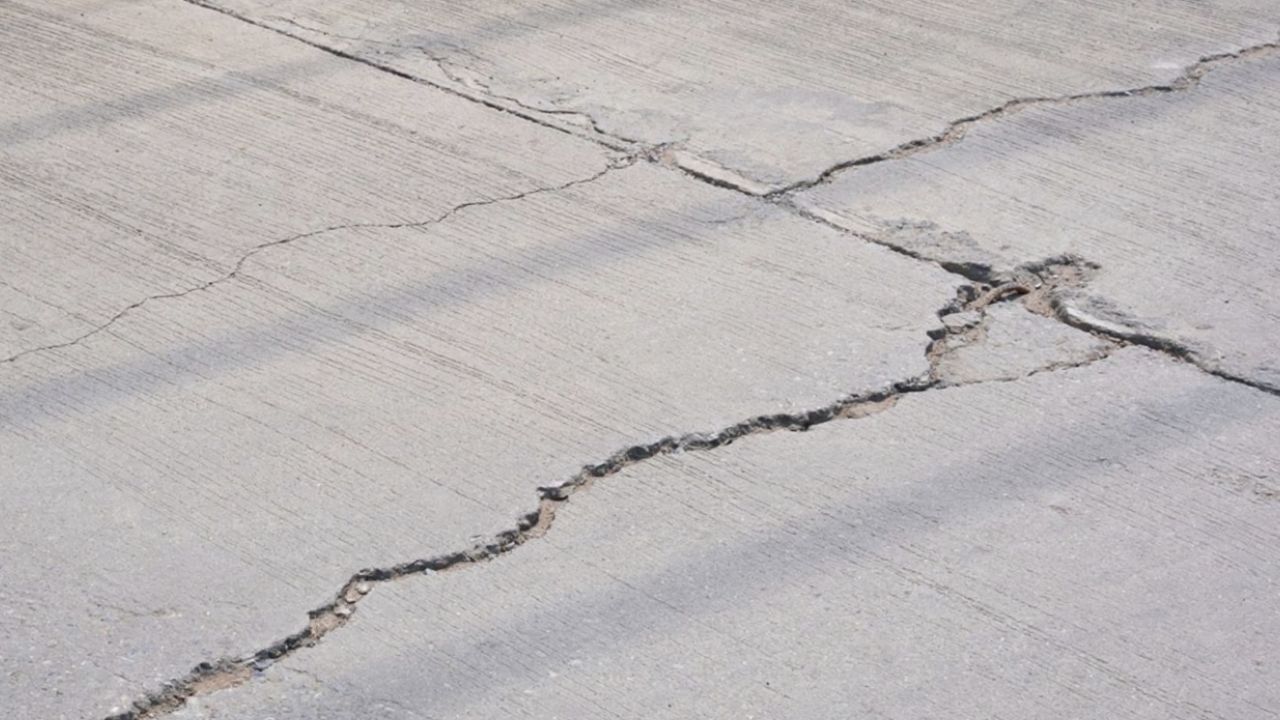
Cracks in the driveway, leaning fences, or sagging steps might seem minor, but they raise questions about overall stability. Even if they’re cosmetic, buyers see them as future expenses.
Fix small problems as they come up. Keeping your property solid and safe builds trust and prevents those little issues from adding up to a big hit on your home’s value.
*This article was developed with AI-powered tools and has been carefully reviewed by our editors.