How to prep your house for a La Niña winter
Photo credit: BanksPhotos/istock
La Niña winters tend to bring stronger temperature swings, heavier storms, and unpredictable precipitation. Depending on where you live, that can mean colder, wetter weather—or drier conditions with higher wind risk. Either way, it’s a season that tests how well your home is sealed, drained, and powered.
Prepping now saves you from scrambling when the first front rolls through. Here’s how to make sure your home is ready to handle whatever this year’s La Niña throws your way.
Seal air leaks around doors and windows
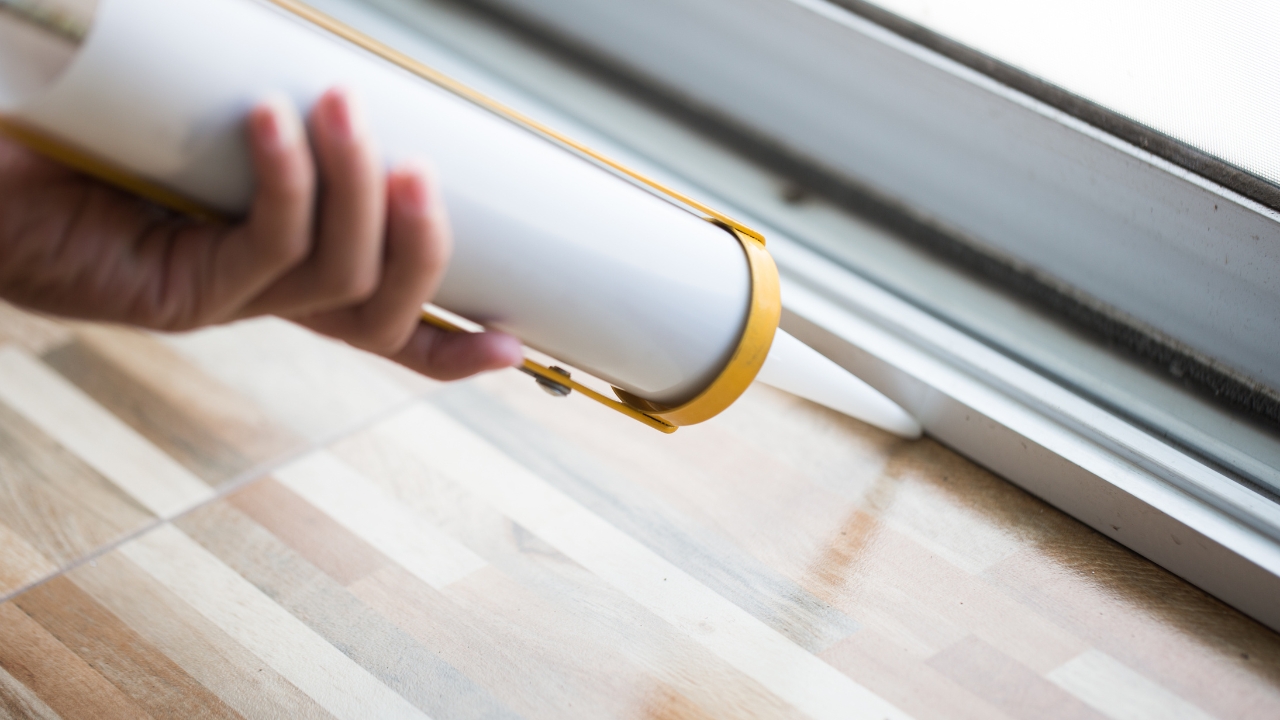
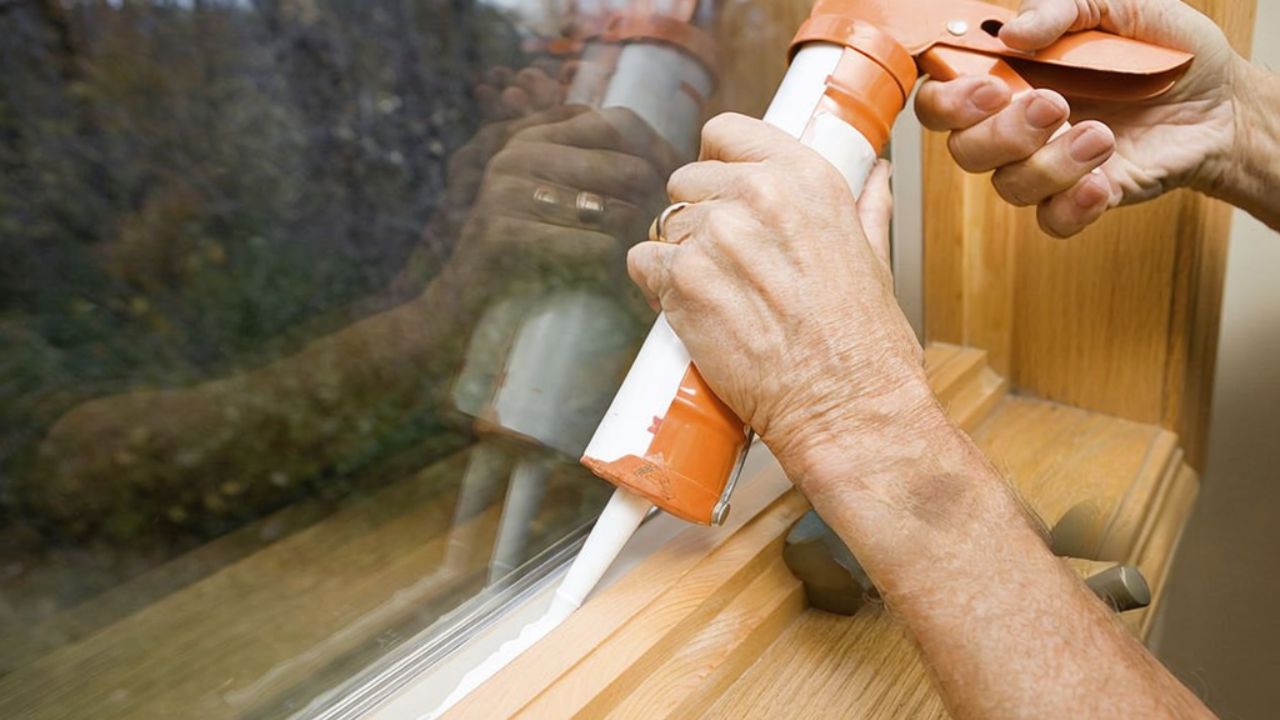
La Niña winters often mean more extreme temperature drops, which highlight every draft in your home. Check for gaps around doors, windows, and attic access panels. Use weatherstripping and caulk to seal them up before the cold sets in.
Even small leaks can add up to big heating losses and higher bills. You’ll feel the difference fast—your rooms stay warmer, and your HVAC won’t have to work as hard.
Inspect and clean gutters

Heavy rain and snow are common in many regions during La Niña years, and clogged gutters can lead to major damage. When water can’t drain properly, it seeps into your roofline or freezes into ice dams.
Clean out leaves and debris, check that downspouts are clear, and make sure they direct water away from your foundation. If your gutters sag or leak, repair them now before the first major storm.
Check your roof for weak spots
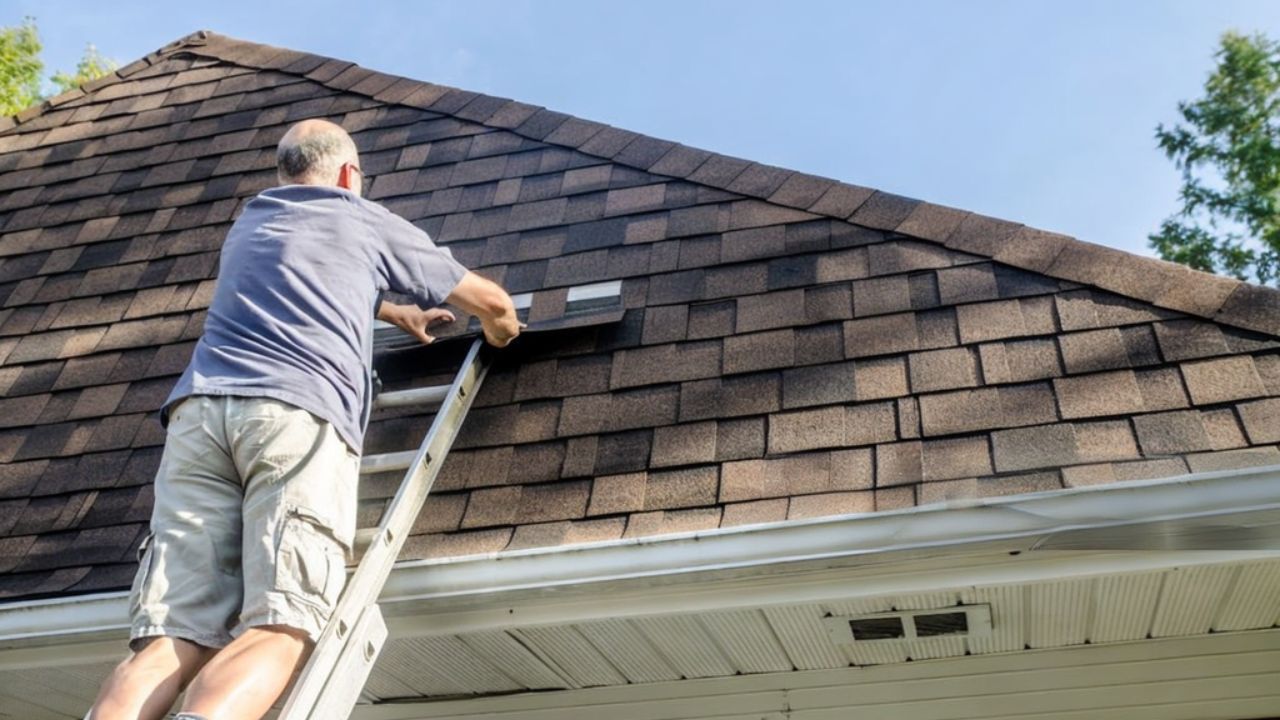
Wind and moisture can expose even small roofing flaws during La Niña weather. Look for missing shingles, cracked flashing, or soft spots where water can sneak in.
If you spot damage, get it fixed quickly—especially before repeated freeze-thaw cycles start widening those cracks. Preventing leaks now is far cheaper than repairing ceiling stains and insulation damage later.
Test your sump pump
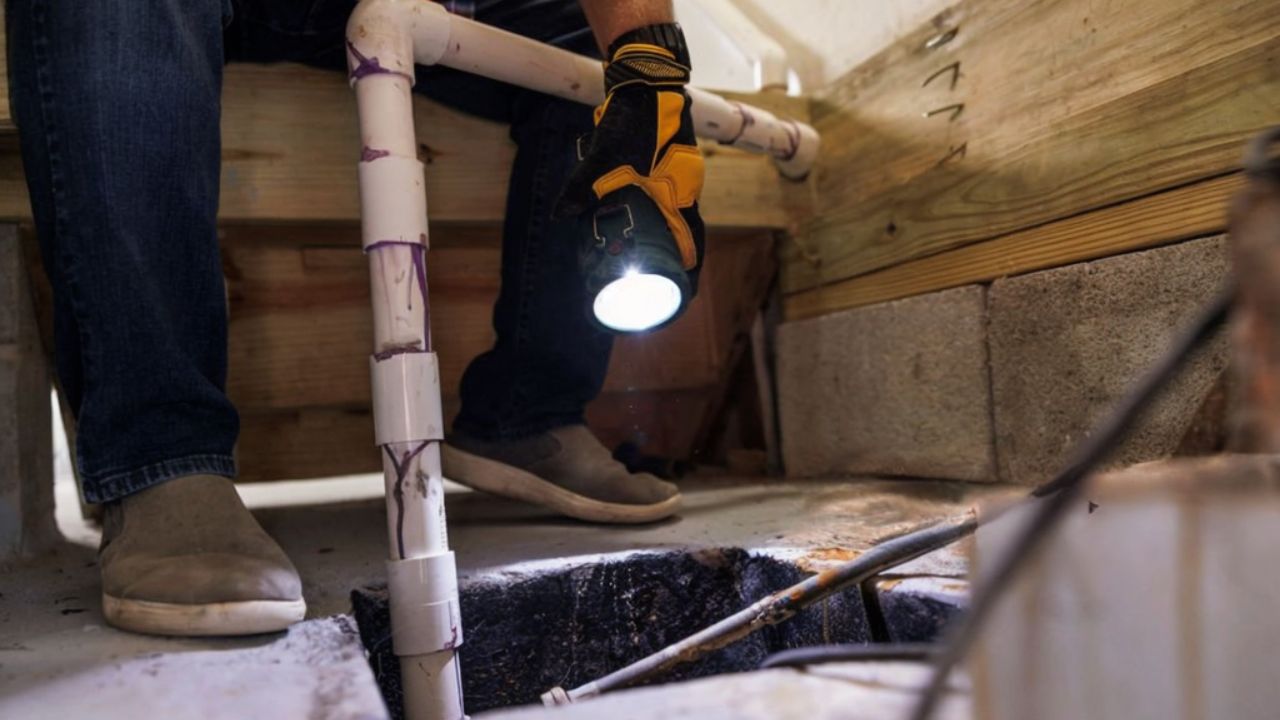
With La Niña bringing heavier rainfall to many parts of the country, basement flooding becomes more likely. Pour water into your sump pit to make sure your pump activates automatically.
Clean out any debris and inspect the discharge pipe for blockages. If your pump has a backup battery, test it too. A working sump pump can be the difference between a dry basement and a major cleanup job.
Trim trees and clear debris

High winds and soaked soil make trees more prone to breaking during a La Niña winter. Trim back branches near your roof, power lines, and vehicles before storms start.
Remove dead limbs and clear yard debris that could clog drains or turn into projectiles. A few hours of pruning now can prevent major damage once the weather starts swinging.
Protect outdoor plumbing
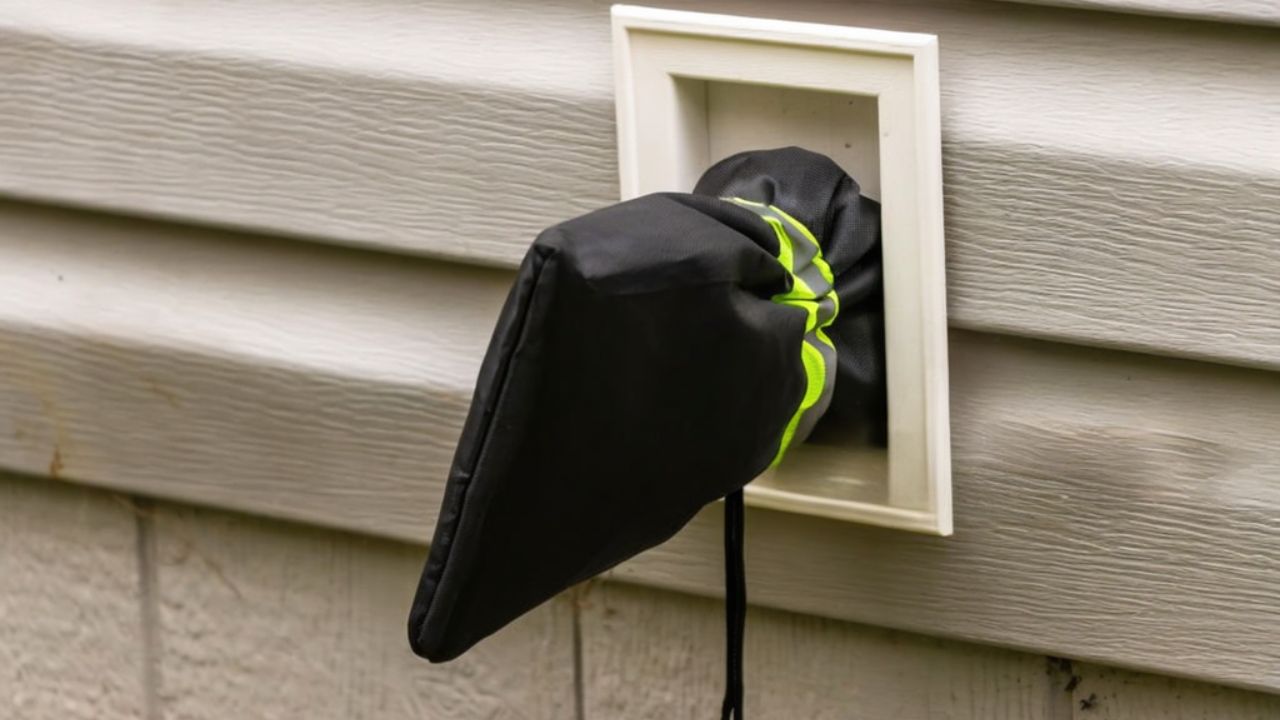
Sudden cold snaps can surprise even southern regions during a La Niña year. Drain and disconnect hoses, shut off outdoor faucets, and use covers or insulation sleeves on exposed spigots.
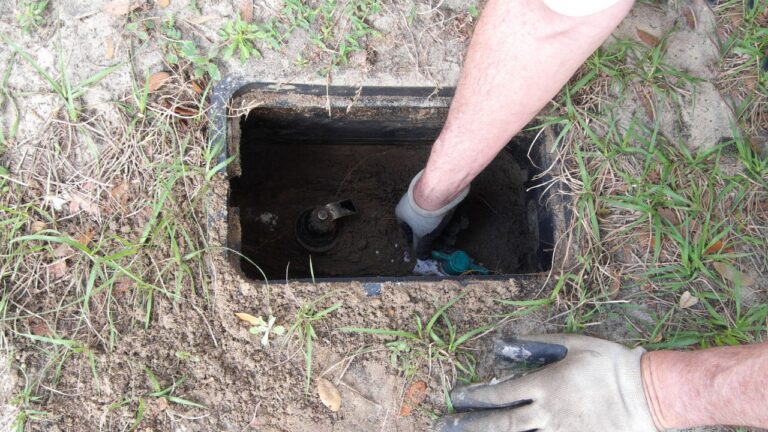
If you have irrigation lines, blow them out before the first freeze. Preventing frozen pipes is one of the easiest ways to avoid expensive repairs and water damage.
Prepare for power outages
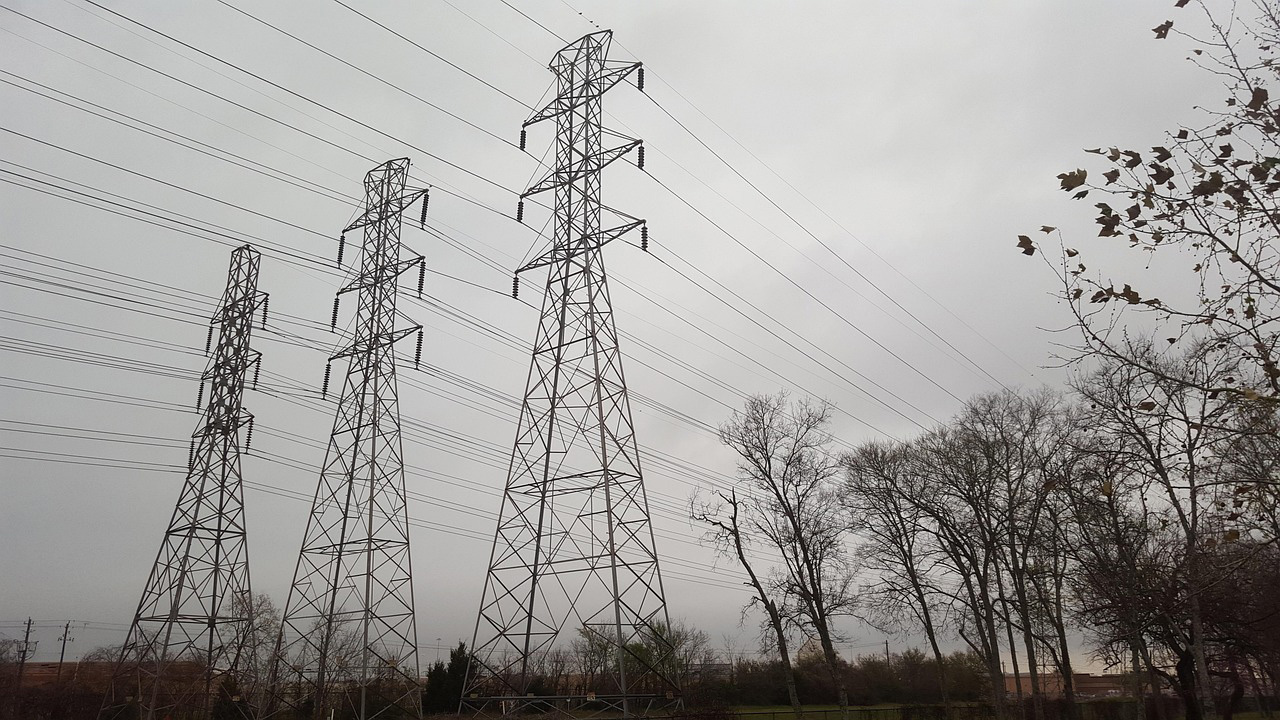
Storms and high winds mean more downed lines and flickering power. Check that your generator or backup batteries are in good shape and have enough fuel or charge.
Keep flashlights, blankets, and nonperishable food handy. If you rely on electric heating, make sure you have an alternative source of warmth like a wood stove or propane heater that’s safe for indoor use.
Reinforce your insulation
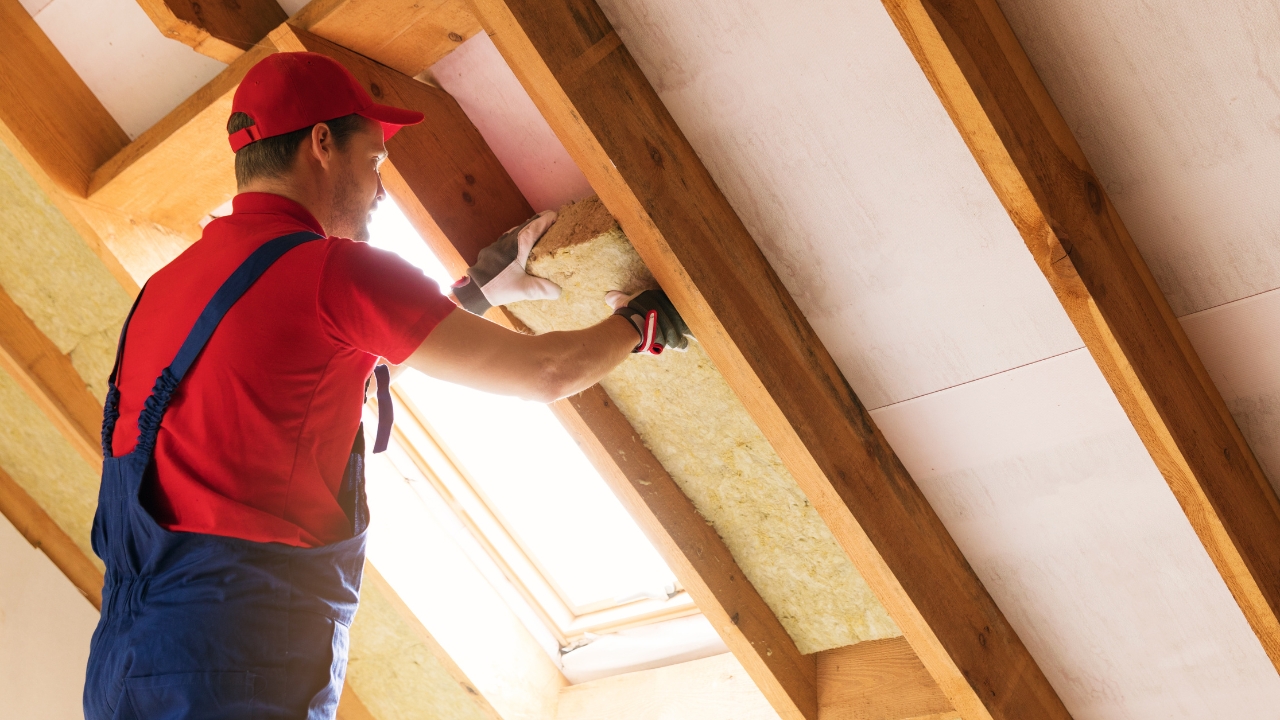
Uneven weather patterns can strain your heating system. Check your attic, crawlspace, and exterior walls for insulation gaps or compacted material.
Adding insulation helps your home hold steady through temperature swings and keeps energy bills manageable. Even sealing the attic hatch or adding insulation around pipes can make a noticeable difference in comfort and efficiency.
Inspect your drainage systems

La Niña winters can bring intense rain to some areas and drought to others—both stress your drainage setup. Make sure ditches, culverts, and French drains are clear so runoff moves away from your home.
For sloped lots, verify that the grade still slopes outward, not toward the foundation. Good drainage keeps your yard and foundation from taking a beating during extended storms.
Stock up on essentials early
If the forecast turns fast, stores will run out of essentials like propane, ice melt, and batteries. Stock up now while prices are steady. Keep an eye on local forecasts throughout the season—La Niña can flip from mild to severe quickly.
Being prepared means you won’t be the one standing in an empty hardware aisle when the weather turns ugly.
*This article was developed with AI-powered tools and has been carefully reviewed by our editors.