Your house feels smaller because of this one design mistake
Photo credit: Curtis Adams/Pexels.com
A home can have plenty of square footage and still feel tight if the design works against it. Most people assume it’s clutter or layout, but the real culprit is often how you treat the walls and sightlines.
One mistake can visually shrink your space, making it feel boxed in no matter how organized or minimal you are.
You’ve broken up the visual flow
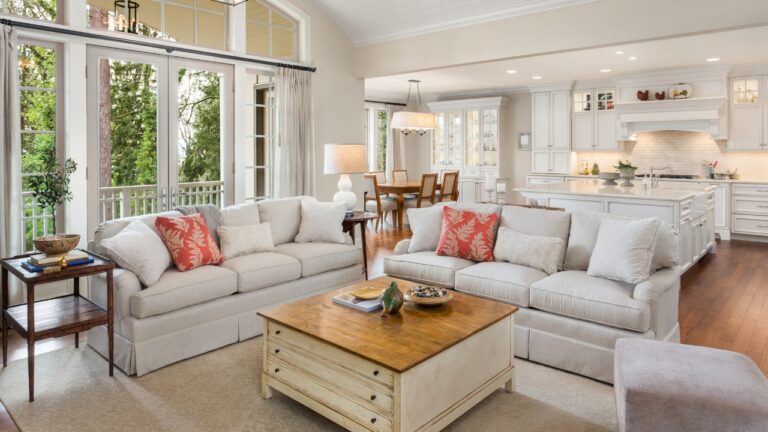
When each room has its own wall color, trim tone, or flooring type, your eye stops at every threshold instead of traveling smoothly through the space. Those constant visual breaks make even an open floor plan feel choppy. The same goes for heavy window treatments, bulky furniture that interrupts walkways, and decor that pulls focus in too many directions.
A home feels larger when it flows. Keeping your wall colors consistent, repeating materials, and aligning furniture so there’s a clear line of sight from one space to the next helps the eye move freely. The goal is to make your brain register it all as one cohesive area instead of several smaller ones.
Why this mistake happens so often

It’s easy to fall into the trap of treating every room as its own project. Maybe you saw a color online or found a rug you loved and tried to design around it. But when each space becomes its own style moment, your home starts feeling like a collection of separate boxes instead of one connected space.
The truth is, cohesion doesn’t have to mean boring. You can still use color, texture, and contrast—but repeat them intentionally. Let one wall tone carry through the main areas, and use accent pieces to define personality instead of paint or flooring changes. When your home flows visually, it instantly feels larger and more relaxed.
How to fix it without starting over
You don’t need to repaint every wall or rip out your floors. Start by picking one neutral color family and using it to bridge the spaces that feel disconnected. If your trim or doors are different shades, choose one and stick with it throughout. Even matching curtain rods or rug tones can make a noticeable difference.
Then, look at your furniture layout. Can you see from one end of the house to the other without tall pieces blocking the view? Can natural light travel easily between spaces? Little adjustments like these stretch the sense of space far more effectively than decluttering alone.
The difference it makes
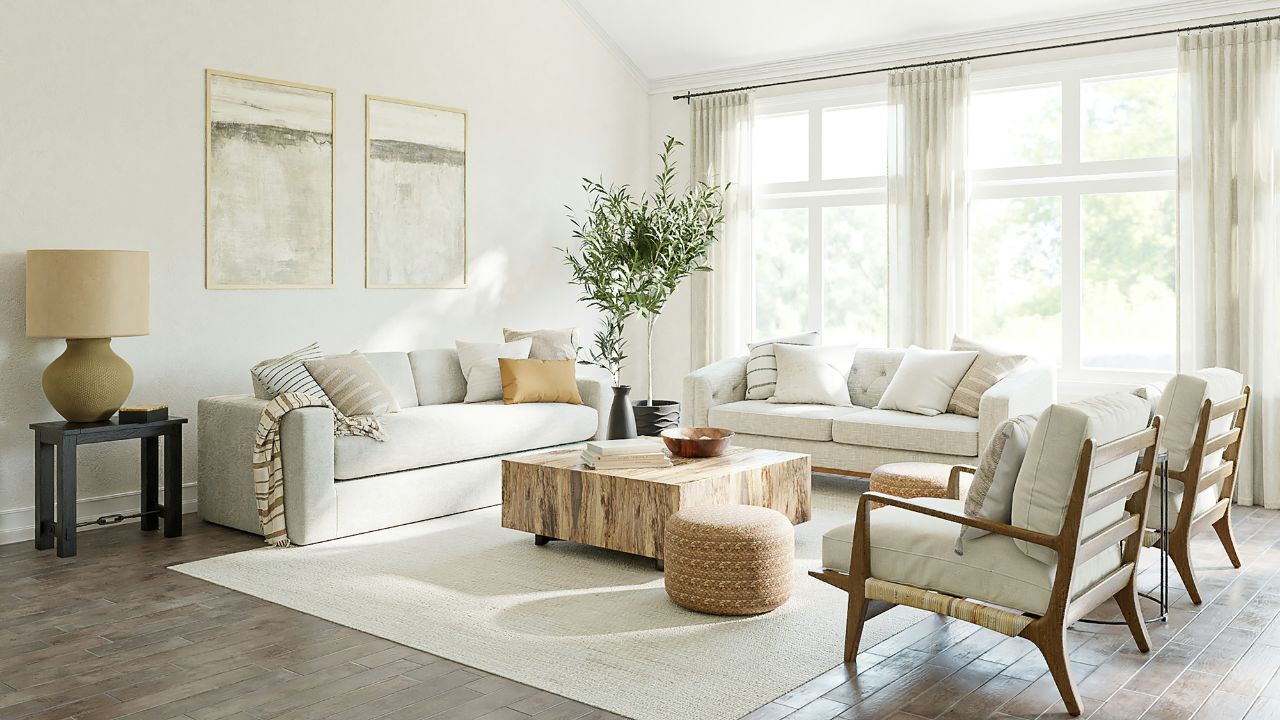
When your home’s design flows, it feels calmer and more open—even if the dimensions haven’t changed an inch. You’ll notice how much farther light travels, how cleaner each room feels, and how much easier it is to decorate without feeling cramped.
The fix isn’t more furniture or decor—it’s letting the space breathe again. Once you stop breaking up your rooms with competing colors, styles, or barriers, your home will finally feel as spacious as it actually is.
Like Fix It Homestead’s content? Be sure to follow us.