Why this $60 light fixture did more for our home than a $600 one
Photo credit: Aaron Huber/Unsplash.com
It’s easy to think the higher the price, the better the result—but when it comes to lighting, that’s not always the case. We’ve splurged on expensive fixtures before, and while they looked nice in photos, they didn’t actually do much for the space. Then one $60 light changed everything. It wasn’t designer, and it didn’t come with a fancy brand name, but it completely shifted how our house looked and felt.
That experience taught me something that’s true for most homes: lighting isn’t about how much you spend—it’s about how it works in the space you actually live in.
The right light makes everything else look better
A good light fixture isn’t just decoration. It affects how every color, surface, and texture in the room looks. When you get the tone and placement right, your walls look warmer, your decor pops, and even the furniture feels more high-end.
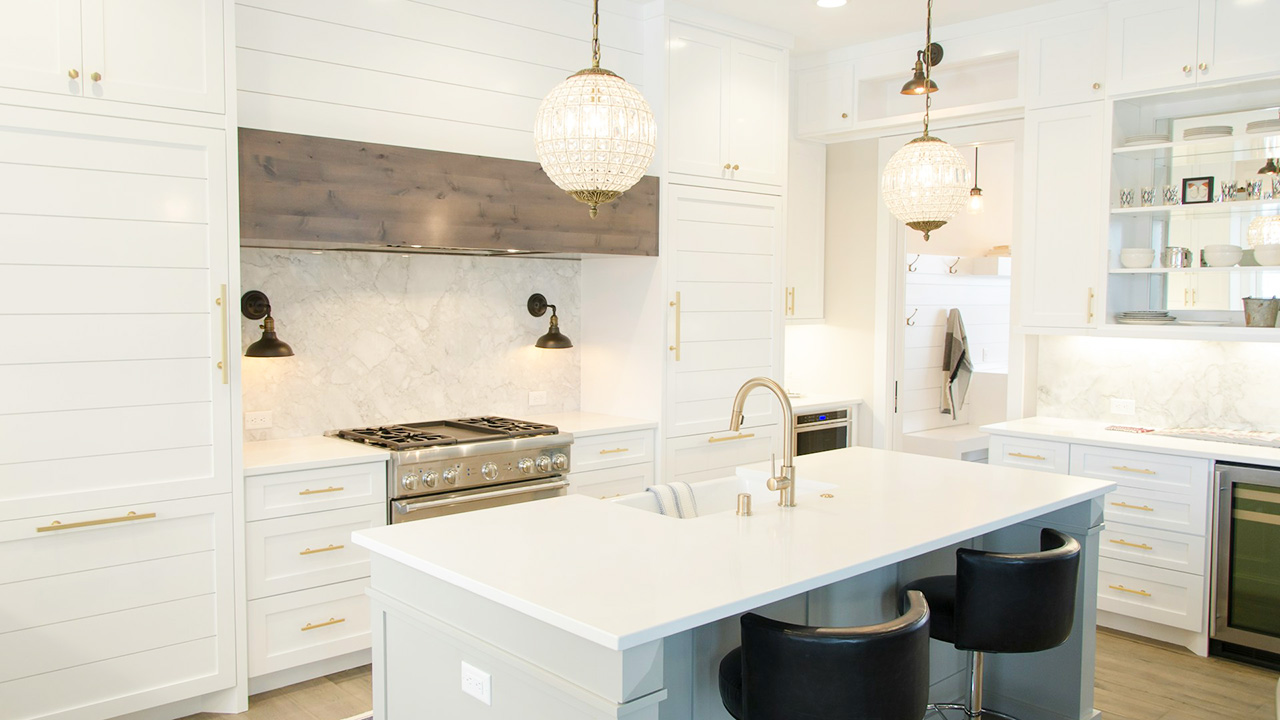
Our $60 fixture wasn’t special by itself—it was a semi-flush mount with a diffused shade—but it cast light evenly, which instantly made the room feel cleaner and bigger. The expensive fixture it replaced had an exposed bulb that left harsh shadows and made everything feel yellow and dated.
It wasn’t that the $600 light was ugly—it just didn’t fit how the room needed to function.
You don’t need designer lighting to get designer results
The trick is to focus on effect, not prestige. A $600 fixture might use premium materials, but a $60 one can create the same atmosphere if the tone and brightness are right.
Warm white light (2700K–3000K) tends to make homes feel more inviting, while cool-toned lighting (4000K and above) can make things feel sterile. Most people blame their paint color or furniture for a space feeling “off,” but it’s often the lighting. When we swapped the bulb temperature and diffuser style, the whole room came to life—without spending another dime on decor.
Lighting is more about placement than price

Most rooms don’t suffer from bad fixtures—they suffer from bad placement. If your light is centered too high, too low, or doesn’t spread enough coverage, even an expensive piece can fall flat.
That $60 fixture worked because it spread light evenly across the ceiling and walls, cutting out shadows that made the space feel cramped. It complemented the natural light during the day and made evenings feel soft instead of harsh. The shape and size were balanced, so it felt integrated rather than forced.
Cheap lighting doesn’t have to look cheap
The secret to making an affordable fixture look high-end is choosing something with clean lines and timeless finishes. Matte black, brushed brass, or frosted glass almost always look polished without being flashy.
Avoid anything too trendy or overly decorative—it’ll date the room fast. The fixture that replaced our expensive one was simple, with a diffused globe and metal trim. No one guessed it cost less than a dinner out because it looked intentional, not attention-seeking.
Light placement sets the mood for how you live
We often design lighting for looks instead of lifestyle. The problem with that is your day-to-day life happens under that light. If it’s too dim, too bright, or too concentrated, the space doesn’t feel comfortable.
The cheaper fixture ended up being better suited to how we actually use the room—reading at night, playing with the kids, relaxing before bed. It felt softer, more natural, and less staged. It worked with us instead of against us.
Functionality should always come first
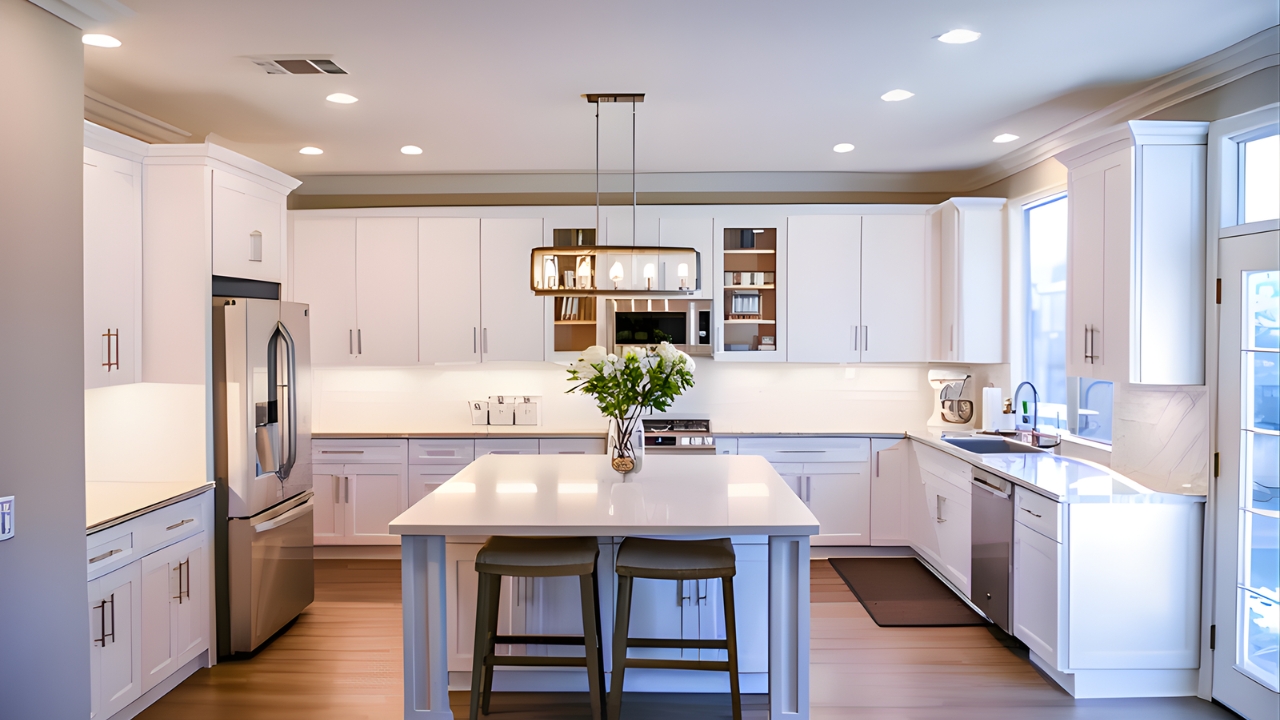
Before choosing a light, think about what you do in that space. Kitchens need clear, even light. Bedrooms benefit from diffused or dimmable options. Bathrooms need brightness that mimics natural daylight so you don’t look completely different when you step outside.
If a fixture looks incredible but doesn’t provide the right light, you’ll regret it every day you use it. The $60 fixture proved that something affordable can outperform a statement piece if it fits your needs better.
Why spending less often gets you more
With lighting, you’re paying for more than the fixture—you’re paying for design branding, materials, and marketing. But functionally, a $60 light can provide the same brightness, color accuracy, and energy efficiency as a luxury one.
The real difference comes from how intentional you are when choosing it. If you take the time to match size, tone, and placement to the room, you’ll get a better result than throwing money at something expensive that doesn’t fit.
What this taught us about upgrading our home
That one small lighting change made us rethink how we spend money on the house. Instead of chasing luxury items, we’ve started looking for high-impact, low-cost upgrades that make the space feel elevated without draining our budget.
Now, every time someone compliments that light, we laugh and tell them it was under $60. They’re always surprised—but it proves what we’ve learned: expensive doesn’t always mean better. Smart choices do.
Like Fix It Homestead’s content? Be sure to follow us.