
You’ll hate your layout later if you get this part wrong
Photo credit: Tima Miroshnichenko/Pexels.com
When you’re building or remodeling, it’s easy to focus on the big things—how big the kitchen is, how open the living space feels, or how many bedrooms you’ll have. But the part that quietly makes or breaks your layout isn’t the size of your rooms. It’s how they connect.
The flow of a house determines how comfortable it feels to actually live in, and if you get that part wrong, no amount of decorating will fix it later.
You didn’t think about how you move through the house
A good floor plan feels natural. You shouldn’t have to walk through a maze to get from the kitchen to the laundry room or carry groceries through half the house just to reach the pantry. The best layouts make daily life easier because everything is placed where it makes sense.
Before you finalize anything, think about what you do every day. Where do you come in with groceries? Where will muddy boots land? How many steps does it take to get from your bedroom to the coffee pot? Those little movements matter more than you realize once you’re living in the space.
Your kitchen isn’t connected to the right spaces
The kitchen is the heart of the house, but its position can make it either the most functional or the most frustrating part of your layout. If it’s too far from the main entry or dining area, it’ll feel like a constant inconvenience.
A good kitchen layout has a clear flow—close to where you unload groceries, near where you eat, and visible enough to feel connected to the rest of the house without being in the way. You don’t want to carry bags through a narrow hallway or feel cut off from everyone when you’re cooking.
The entry doesn’t lead anywhere useful
A lot of homes have an entry that looks nice but doesn’t function well. You walk in and have nowhere to set down bags, take off shoes, or hang coats. Then everything piles up by the door and the space starts to feel cluttered no matter how clean you keep it.
A functional layout starts at the entry. Even a small landing area or mudroom can make a huge difference. It sets the tone for the rest of the house and keeps traffic from bottlenecking every time someone walks in.
Bedrooms aren’t placed with privacy in mind
Privacy is one of those things you don’t think about until you don’t have it. If your primary bedroom is right off the living room, you’ll hear every conversation, TV show, and kid running down the hall.
Good layouts separate private and common spaces. You want enough distance—or at least a hallway buffer—between bedrooms and high-traffic areas. That way, you can rest without hearing every sound from the kitchen or bathroom.
Bathrooms are too far—or too close
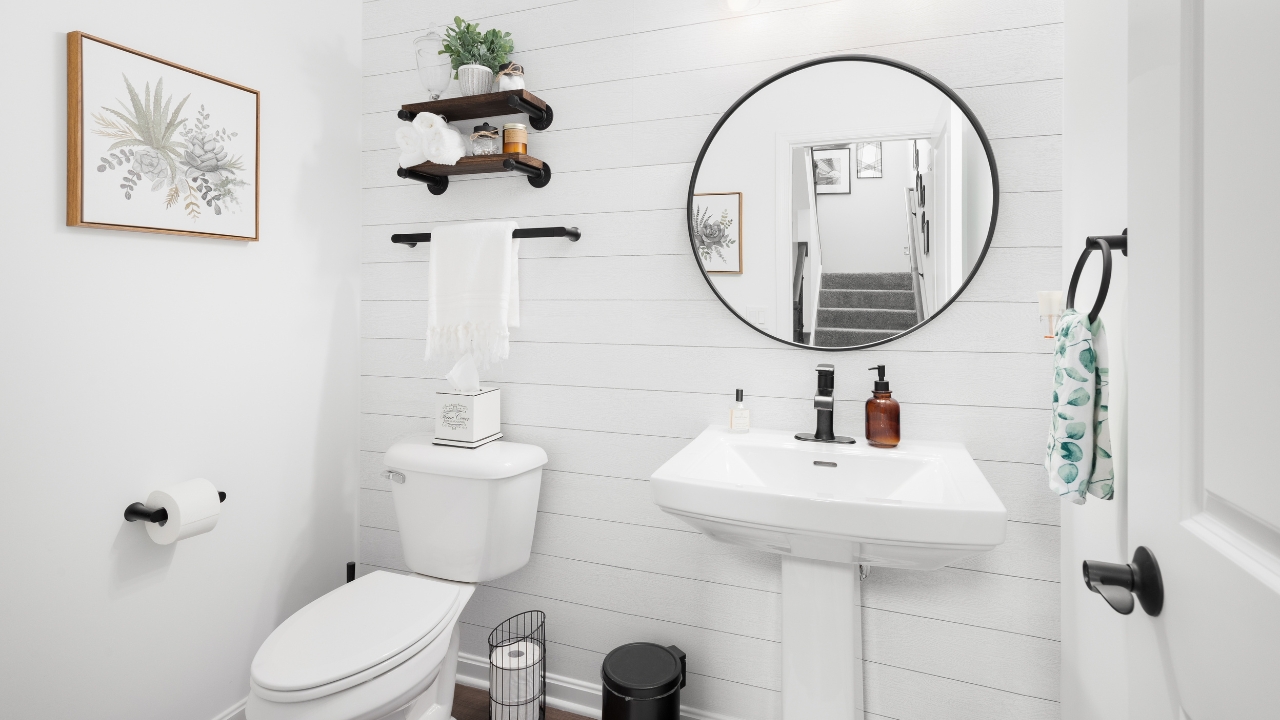
Bathroom placement is one of the biggest regrets people have once they move in. If you only have one near the bedrooms, guests will have to walk through private areas to use it. If it’s too close to the kitchen or dining area, it’ll feel awkward every time someone uses it during dinner.
Every bathroom should feel convenient but not exposed. It’s worth reworking your layout to get that balance right because fixing it later is expensive and messy.
You didn’t plan for how furniture actually fits
A layout might look great on paper until you start adding furniture. Doors, windows, and walkways eat up more space than most people realize. If you can’t place a couch without blocking a walkway or fit a dining table without bumping elbows, you’ll start to regret it fast.
Before you finalize your plans, measure your actual furniture—or at least standard sizes—and map out where they’ll go. Make sure every room has enough clearance for comfort, not just appearance.
The laundry room is in the wrong spot
Laundry placement might not seem like a big deal at first, but it affects your daily routine more than you’d think. If your laundry area is tucked away on another floor or far from the bedrooms, hauling clothes back and forth gets old fast.
Putting the laundry near where clothes actually come from—bedrooms or bathrooms—saves time and effort. It also cuts down on clutter since you’re not walking piles of laundry through main living areas.
The flow between indoor and outdoor spaces doesn’t make sense
If you plan to spend time outside, how you access your outdoor space matters. A patio or deck that’s hard to reach or only accessible through a bedroom won’t get used as much as one that connects naturally from the main living area.
Think about where you’ll grill, eat, or relax outside. Having easy access from the kitchen or living room makes outdoor living feel like part of the home instead of an afterthought.
You didn’t plan for future needs

Your layout should work for now and later. That might mean space for aging parents, growing kids, or even just easier mobility as you get older. If every doorway is narrow and all bedrooms are upstairs, you might regret it sooner than you think.
A flexible layout gives you room to adapt. You don’t have to build a huge house to future-proof it—just think ahead before you commit to something you can’t easily change.
You focused on looks instead of lifestyle
It’s easy to get caught up in what looks good in photos, but you’re the one who has to live in it every day. A trendy open floor plan might look beautiful, but if noise or clutter stress you out, it’s not the right fit.
A layout should reflect how you live, not what’s popular. When you prioritize flow, function, and comfort, you end up with a home that feels right long after the new-house excitement wears off.
Like Fix It Homestead’s content? Be sure to follow us.