Your tractor won’t save you from this land mistake
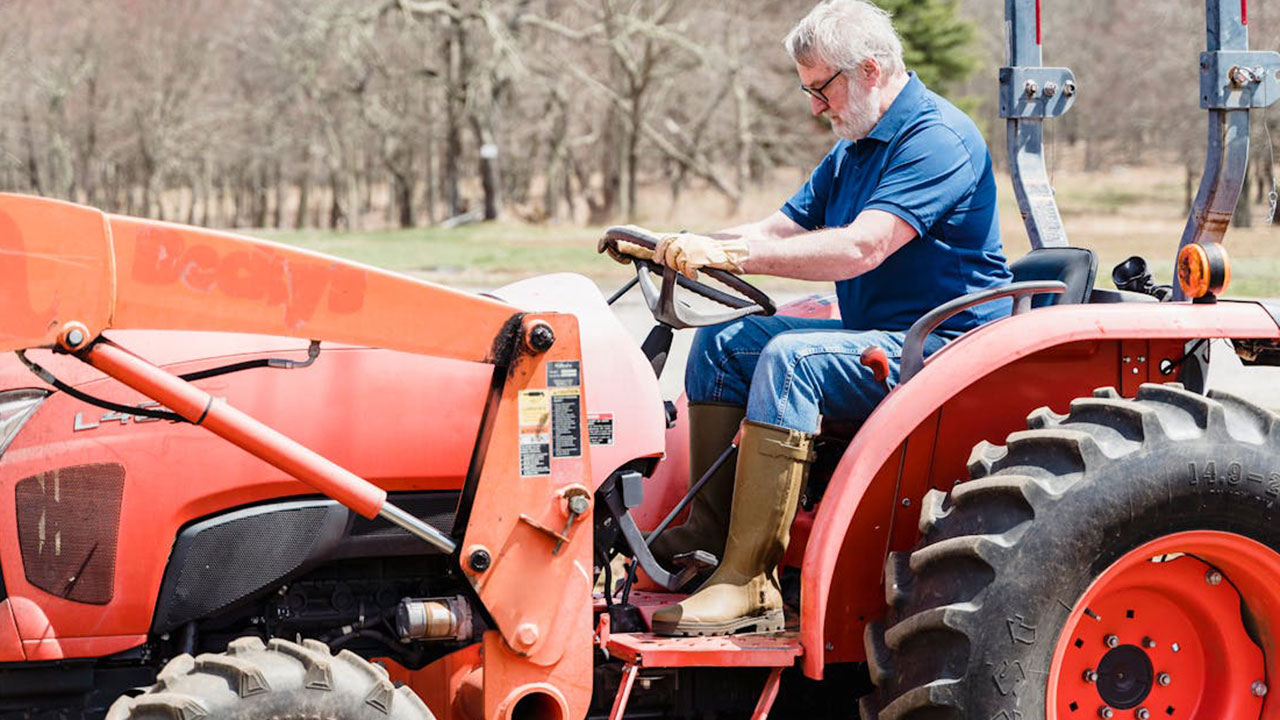
Photo credit: Wes Moore/Pexels
When you buy land, it’s tempting to think a tractor can handle everything. It feels like the ultimate solution—pulling, grading, mowing, hauling. But no matter how capable your machine is, it can’t fix poor land planning.
The biggest mistake people make isn’t not having enough equipment—it’s not knowing the land before they start tearing into it.
The terrain decides what you can and can’t do
Every piece of land looks manageable until you put a tractor on it. Then you realize where the ground’s too soft, the slope’s too steep, or the soil won’t hold traction. The land will always tell you what it wants, but you have to pay attention before the first pass with your box blade or mower.
If you skip that step, you’ll end up spinning tires, eroding hillsides, or ruining your access roads. Walk the property after rain, study how water drains, and notice where your tractor starts to bog down. The terrain will teach you faster than any manual.
Drainage problems will beat horsepower every time
You can have a 75-horse tractor with every attachment available, but if your drainage is wrong, you’ll be fighting mud, washouts, and standing water forever. Poor grading is one of the hardest and most expensive mistakes to fix.
A tractor can move dirt, but it can’t correct a bad slope design. Water always wins. If your land doesn’t shed water properly, every project after that—your driveway, barn, garden, even your house site—will suffer. Spend time studying runoff patterns before you do any digging or spreading. A few days of planning can save years of frustration.
The right setup matters more than raw power
A tractor can make or break your progress depending on how it’s equipped. The mistake many people make is assuming bigger is better. It’s not. A massive tractor without the right tires or ballast will tear up your land faster than it helps it.
If you’ve got soft ground, go with wider tires or add chains for grip. If you’re moving heavy loads, use ballast for stability. Know your attachments and their limits. The right setup lets you work smarter and safer without chewing up your property.
You can’t fix a bad access plan with a tractor
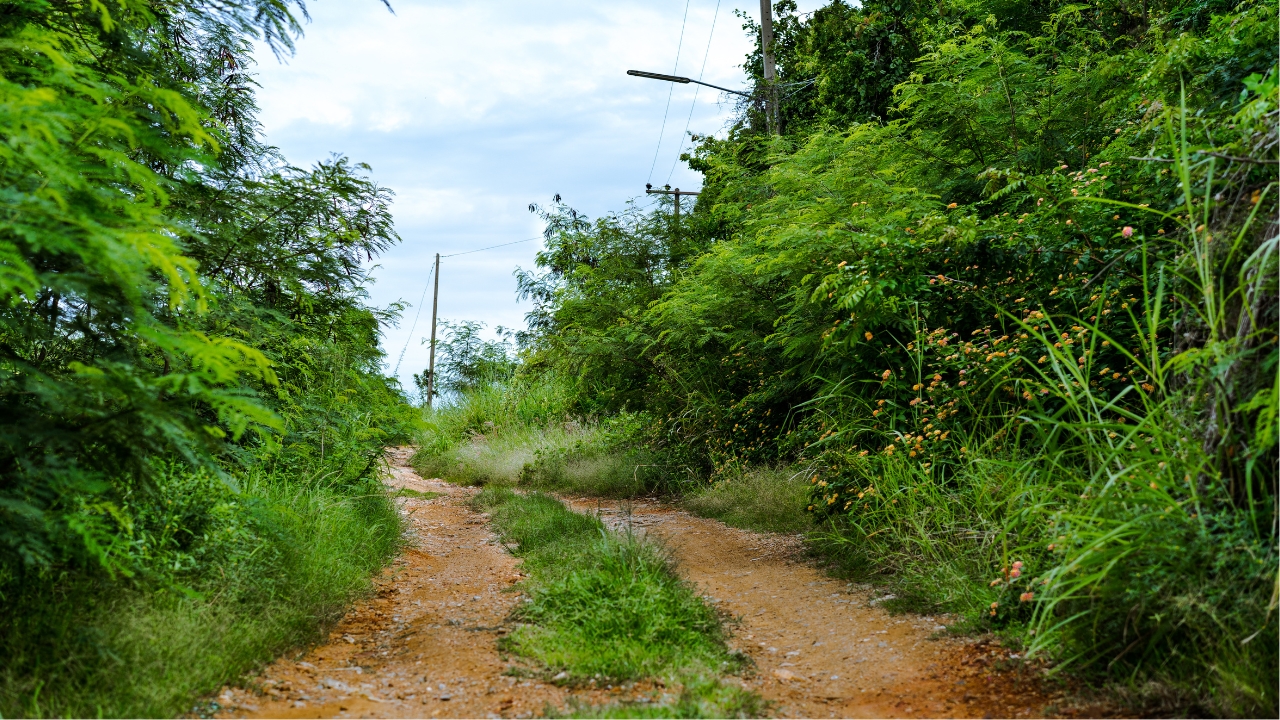
A tractor might clear trails or pull a load, but it can’t make up for bad access roads. If your main path floods or gets rutted every time it rains, that’s a layout problem—not a horsepower one.
Plan your routes before you ever start grading. Use high ground where possible and add proper drainage ditches or culverts early on. Once you’ve established good access, everything else—from hauling hay to maintaining fences—gets easier. Skip this step, and you’ll wear out your tractor trying to patch mistakes that could’ve been avoided.
Soil quality determines more than you think
Tractors can plow, till, and grade, but they can’t fix poor soil structure. Compacted or clay-heavy soil won’t drain properly and can ruin everything from your garden to your foundation. Before using your tractor to “fix” soil problems, get a soil test.
Knowing your soil composition helps you plan where to plant, build, or graze animals. It’ll also tell you whether you need amendments or a different approach entirely. You can move dirt all day, but if it’s the wrong kind in the wrong place, you’re working against nature.
Overworking the land can do more harm than good
A tractor makes it easy to overdo things. You start moving dirt, and before long, you’ve stripped away topsoil, compacted the ground, or ruined natural drainage paths. Once that top layer is gone, it’s not coming back easily.
Try to move as little as possible when working your land. Let the terrain work for you, not against you. A light hand and a good plan go farther than brute force ever will.
Knowing when not to use your tractor is key
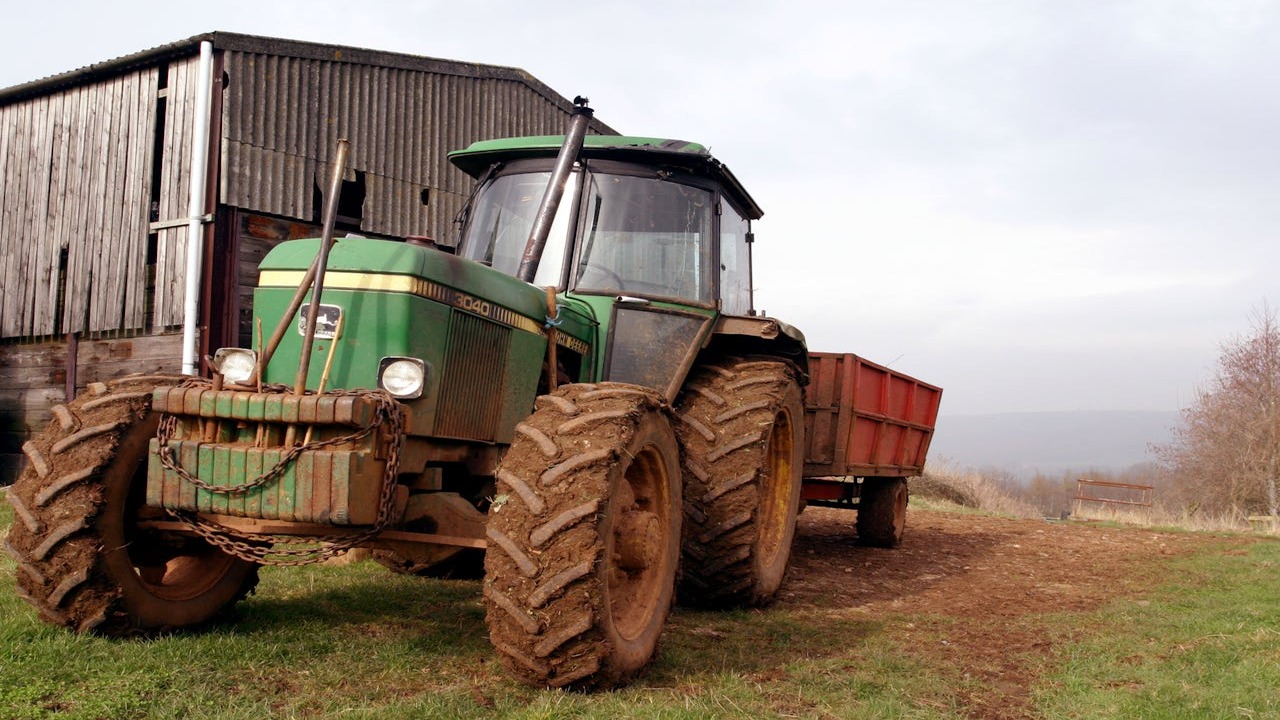
Sometimes the smartest move is leaving the tractor parked. Working when the ground is wet or frozen can do lasting damage to your property—and your equipment.
If your tires are leaving deep ruts or your implements are clumping soil, stop. Wait until the land is ready to be worked. It’s better to lose a few days than to spend years fixing compacted soil or drainage ruts.
The tractor is a tool, not a plan
Owning a tractor makes life on land easier, but it doesn’t replace thoughtful planning. A well-run property starts with understanding how water, soil, and terrain work together.
If you plan first and drive second, your tractor becomes what it’s meant to be—a helper. Skip that step, and it becomes a very expensive way to make your problems worse.
Like Fix It Homestead’s content? Be sure to follow us.