This $20 habit keeps your generator alive longer than most warranties
Photo credit: Olhandra/Shutterstock.com
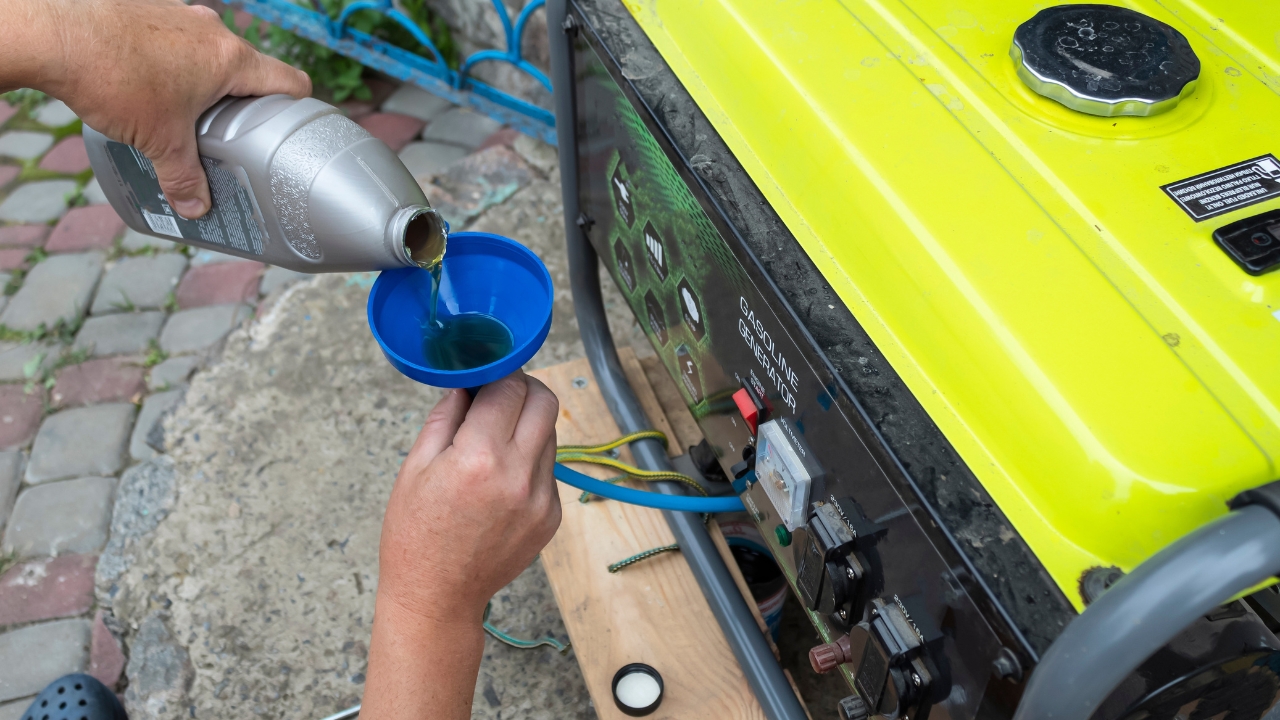
A lot of people spend thousands on a generator, run it hard for a few storms, and then wonder why it’s acting up after a year or two. The truth is, generators don’t die from use—they die from neglect. And the fix isn’t complicated or expensive. In fact, one $20 habit can keep yours running well past its warranty: regular oil changes.
If you treat your generator’s oil like an afterthought, it won’t take long for it to remind you how important it is.
Your generator’s engine depends on clean oil
Think of generator oil like the blood in your body—it keeps everything moving and prevents damage from heat and friction. Every time your generator runs, that oil collects carbon, moisture, and microscopic metal shavings. Over time, it thickens and loses its ability to lubricate.
When that happens, your engine has to work harder, heat builds up faster, and wear increases dramatically. Fresh oil keeps the moving parts coated, cool, and clean—exactly what you need for longevity.
If your generator has been sitting for months without running, that old oil has probably absorbed moisture and lost its protective properties. Changing it before a storm or extended use can prevent a lot of headaches later.
The first oil change matters most
What most people don’t realize is that the very first oil change is the most important one. During those early hours of use, the engine sheds small metal particles as parts wear in. Those bits get suspended in the oil, and if you don’t replace it, they stay there—circulating through your engine like sandpaper.
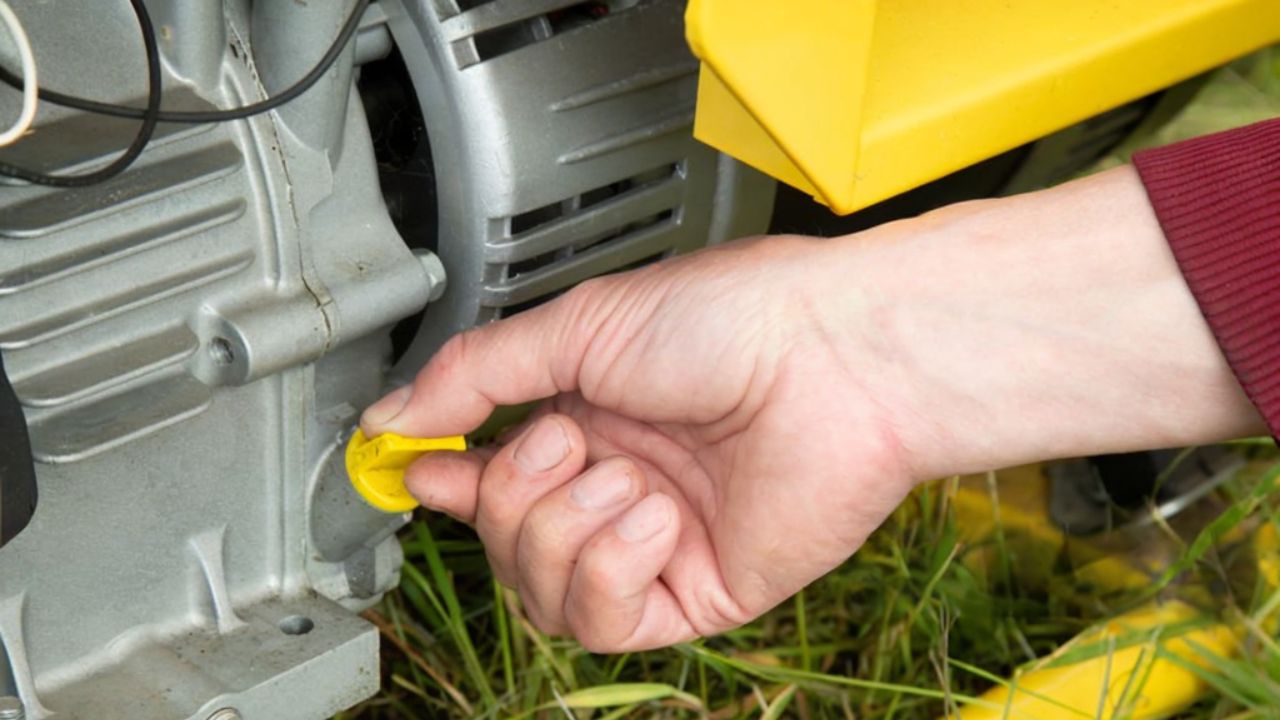
Most manufacturers recommend the first oil change after about 5–10 hours of operation, and then every 50–100 hours after that. Skipping that initial one can cut your engine’s lifespan in half.
If you bought a used generator or can’t remember if it was done, don’t assume someone else handled it. Drain the oil and start fresh.
Oil breaks down faster under heavy load
Generators don’t get the same easy life as lawn mowers or vehicles. They’re often run for long hours, under load, and sometimes in extreme temperatures. That kind of use breaks oil down faster than you’d expect.
Running a generator near its max capacity means more heat, and more heat means your oil thins out and loses viscosity quicker. When it can’t properly coat moving parts, the engine wears faster and loses compression over time.
Changing oil more frequently during extended outages or heavy use isn’t overkill—it’s smart maintenance.
Not all oils are equal
You can buy a quart of oil for a few bucks, but not all oils protect your engine the same way. Generator engines need specific viscosity ratings and, ideally, oils made for small engines. Using the wrong type can lead to poor lubrication and harder starts, especially in cold weather.
For most generators, 10W-30 works well year-round, but in colder climates, a synthetic blend might perform better. The best move is to check your manual, then spend the extra few dollars on quality oil. It’s still cheaper than a single repair.
Don’t forget the air filter
Oil changes do the heavy lifting when it comes to protecting your engine, but your air filter plays a big role too. If it’s clogged, your engine has to pull harder to breathe, which means more strain and dirt getting pulled in. That dirt can end up in the oil, breaking it down faster.
Every time you change your oil, check your air filter. Clean or replace it if it’s dusty, oily, or dark. It takes seconds and extends both oil life and engine life.
Keep track of your run hours
If you’re not keeping track of how long your generator runs, it’s easy to lose track of maintenance intervals. Some models have built-in hour meters, but if yours doesn’t, you can buy one for under $20 and attach it yourself.
Knowing when you last changed the oil means you won’t have to guess. It also helps you spot patterns—if you’re needing oil changes more often, that could be a sign of fuel dilution or an underlying issue worth checking.
Stale oil causes long-term damage
Even if you haven’t used your generator much, oil goes bad over time. Additives settle, contaminants separate, and moisture builds up. If it’s been sitting unused for six months or longer, it’s smart to drain and replace the oil before firing it up again.
That small effort keeps old sludge from circulating through your system and damaging bearings or seals. It’s one of those habits that only takes ten minutes but saves you from the most common generator failures.
The payoff is longevity
A generator that’s had regular oil changes starts easier, runs quieter, and lasts longer. It’s the difference between an engine that fails after three years and one that still runs strong after a decade.
Manufacturers set their warranties assuming average users won’t maintain them perfectly. When you take care of yours, you beat the odds—and you end up with a machine that outlives its paperwork.
A $20 habit worth keeping
A quart or two of oil, a small funnel, and fifteen minutes of your time—that’s all it takes to keep your generator from burning itself out.
You don’t need fancy additives, expensive tools, or complicated maintenance routines. You just need to treat it like the machine it is and give it what it needs before it fails.
Every storm season, people pull out their generators and realize too late that it’s seized, smoking, or won’t start at all. You can avoid that whole mess with a single $20 habit. Keep fresh oil in it, keep it clean, and your generator will outlast every forecast.
Like Fix It Homestead’s content? Be sure to follow us.