9 Reasons Dogs Dig Up the Yard—and What Actually Stops Them
Photo credit: pexels.com
Some dogs were born to dig. Others picked it up out of boredom or frustration. But no matter how it started, digging can turn a nice yard into a disaster fast. If you’re tired of patching holes or trying to keep your dog from escaping under the fence, you’re not alone.
The key is figuring out why your dog is doing it in the first place—then adjusting things so they don’t feel the need to anymore.
Boredom or Lack of Stimulation
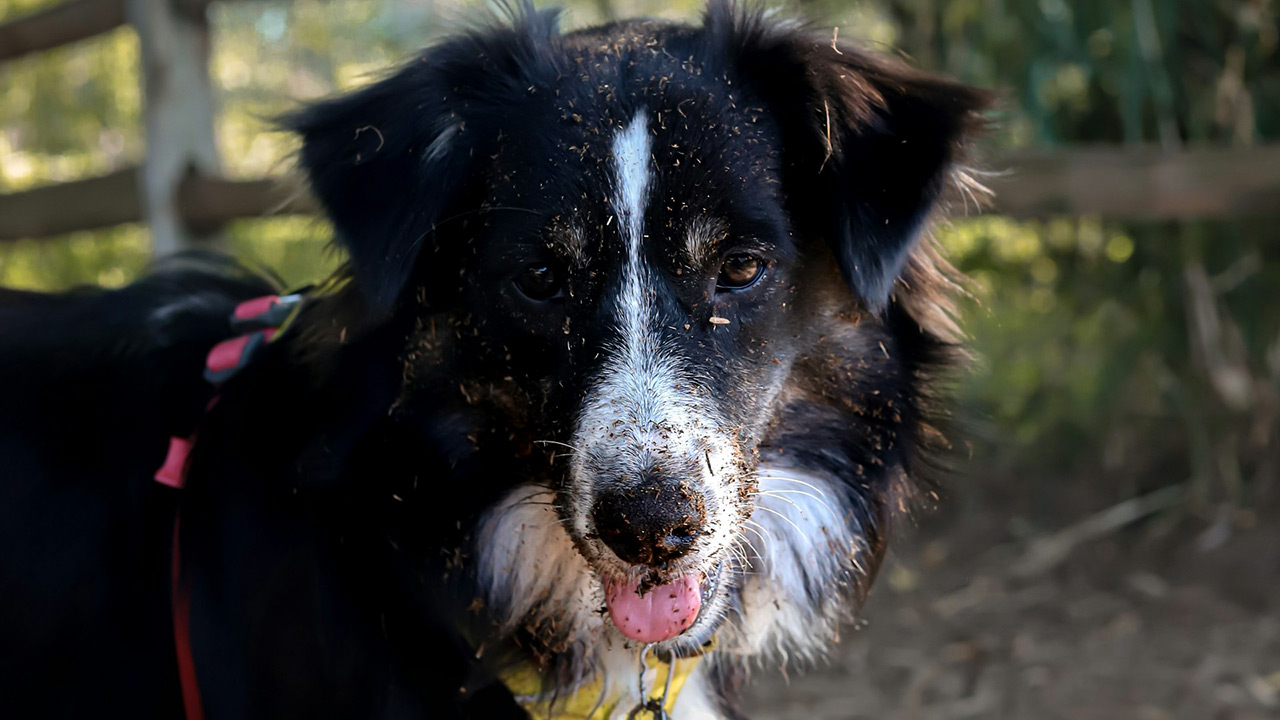
If your dog’s digging up the yard out of nowhere, they might be bored. Dogs need both mental and physical stimulation, and if they’re not getting it, they’ll make their own fun. Unfortunately, that often looks like holes in the flower bed.
Make sure your dog is getting daily exercise, playtime, and some kind of brain work—puzzle toys, scent games, or obedience drills. A tired dog is less likely to dig for entertainment.
Too Much Energy to Burn
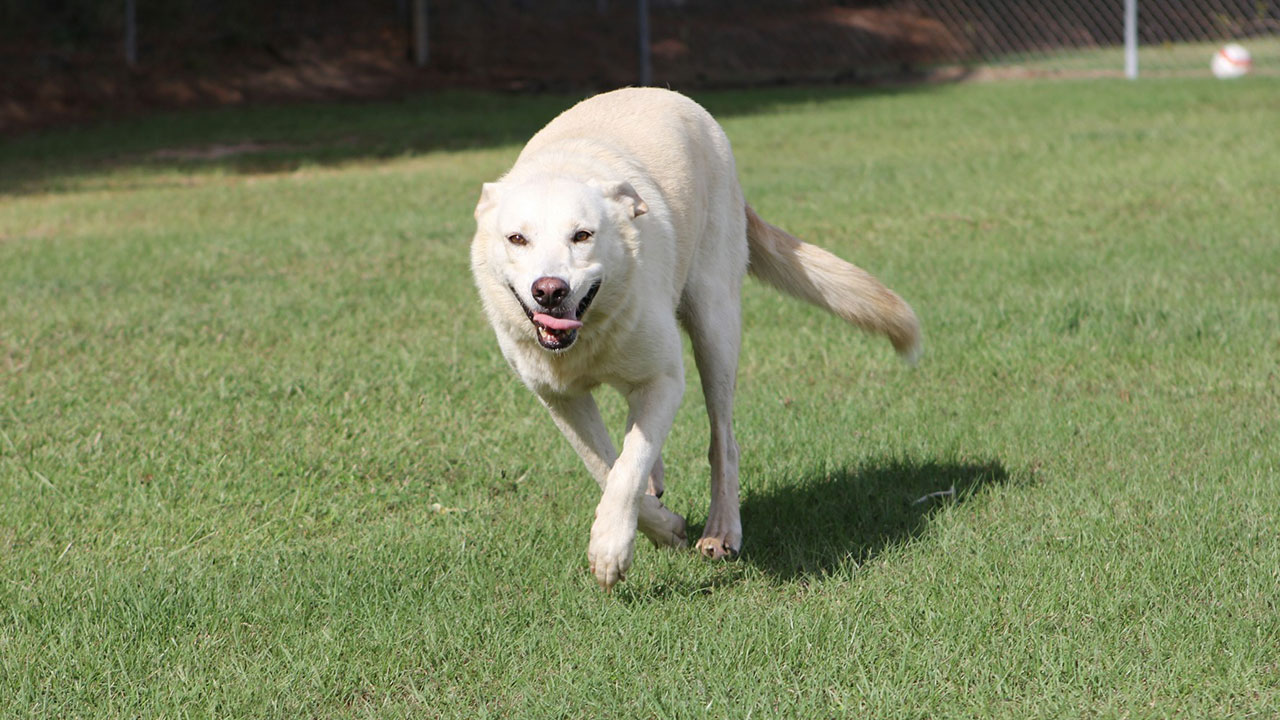
High-energy breeds are especially prone to digging when they’ve got too much built-up energy. It’s not about misbehaving—it’s their way of coping when they don’t have a better outlet.
If your dog’s always on the go, you may need to ramp up your routine. More walks, longer play sessions, or even agility exercises can go a long way toward curbing the digging.
Trying to Escape

Dogs that dig along fences or near gates are usually trying to get out. They could be curious, looking for a mate, or anxious about something in the yard. Either way, digging is their solution.
Block escape spots with buried chicken wire, paving stones, or an L-footer barrier. Also, make sure your fence is high enough and check for triggers outside the yard—like another dog or loud machinery.
Seeking Comfort

In hot weather, dogs may dig to create a cool spot to lie in. In cold weather, they may burrow to stay warm. Either way, digging becomes a way to manage their own comfort.
Provide a shaded area with a cooling mat in summer or a dry, insulated dog house in winter. If your dog knows they’ve got a better option, they’re less likely to start digging up the yard.
Hunting Buried Critters
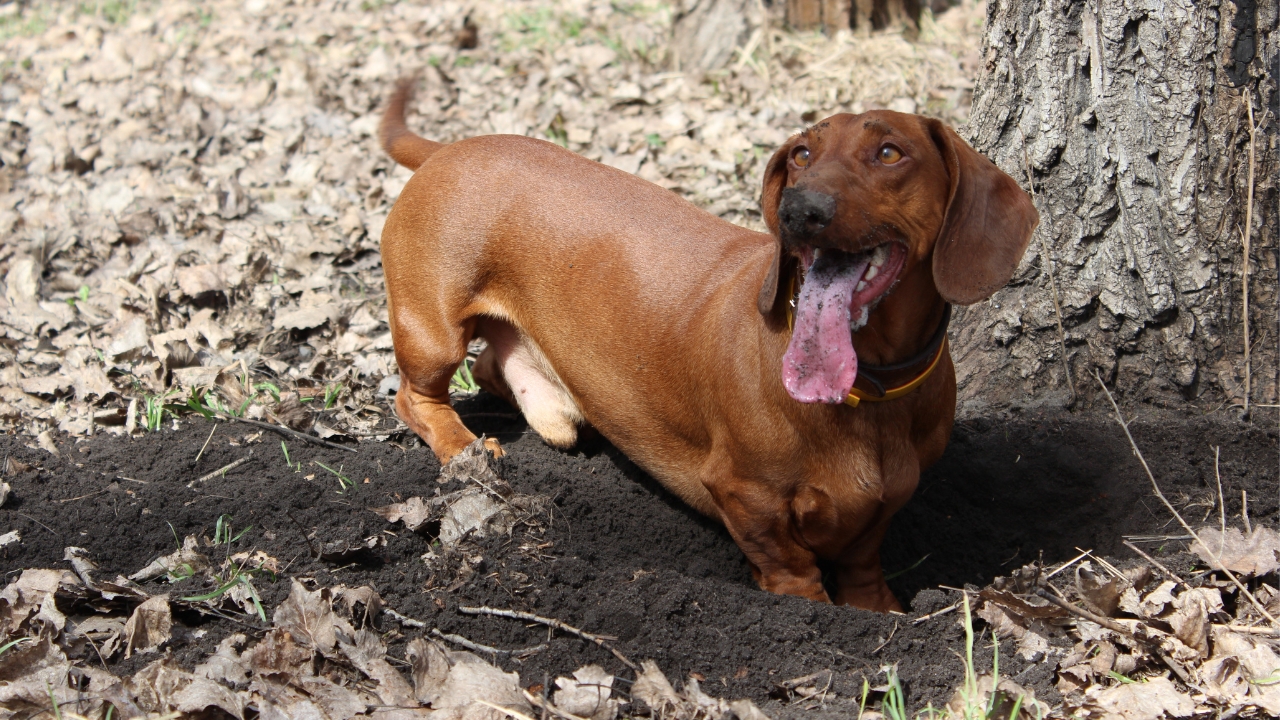
Some dogs dig because they smell or hear something underground. Moles, voles, or even insects can draw their attention. It’s not about being destructive—it’s instinct kicking in.
If your dog is focused on one area, you might have a pest problem. Getting rid of the critters (without using harmful chemicals) can stop the digging right at the source.
Copying What They See
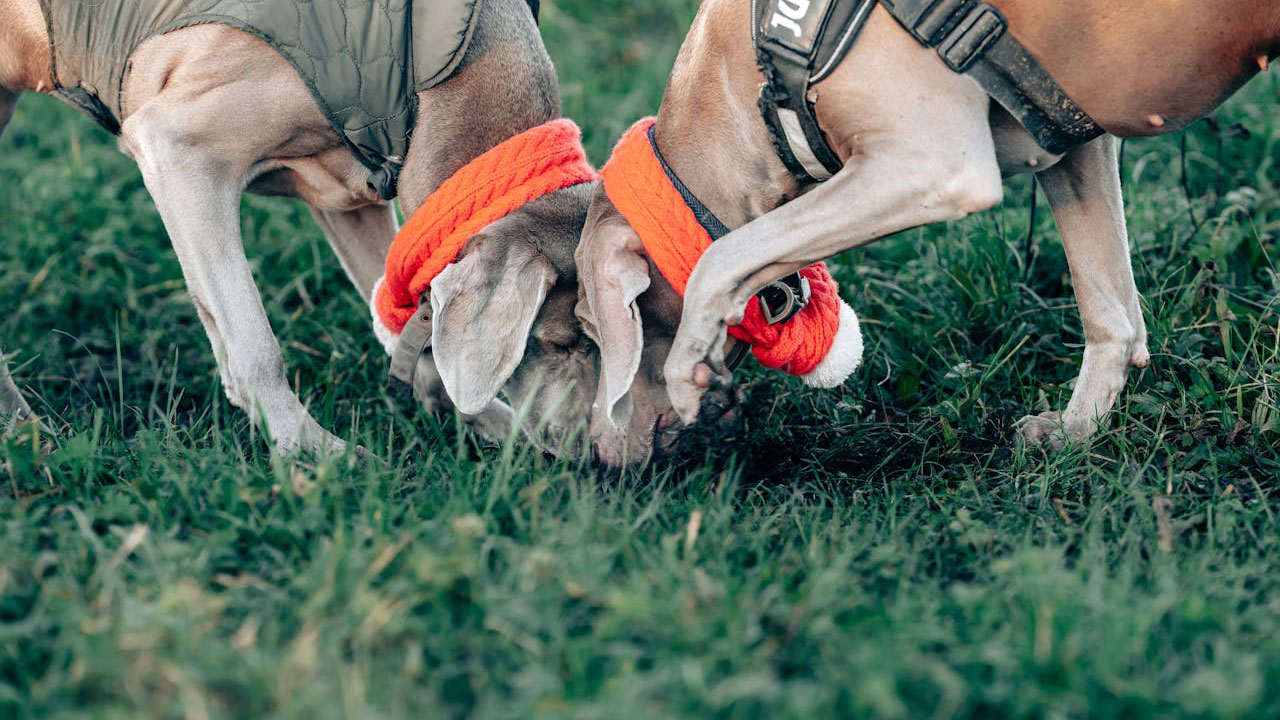
Believe it or not, dogs can learn digging from other dogs. If you’ve recently brought home a new pup or visited a dog park, they might’ve picked up the habit from a furry friend.
Limit exposure to dogs that dig, and don’t make a big deal out of it when yours does. Redirect quickly with a toy or command, then praise when they stop. Consistency is key.
Attention-Seeking Behavior

Some dogs figure out that digging gets your attention—good or bad. Even if you’re yelling “no,” it still means they’ve got your focus, and they may keep doing it.
Instead, calmly redirect them and offer praise when they stop. Make sure they’re getting attention in other ways throughout the day so they don’t feel the need to act out.
Lack of Designated Space
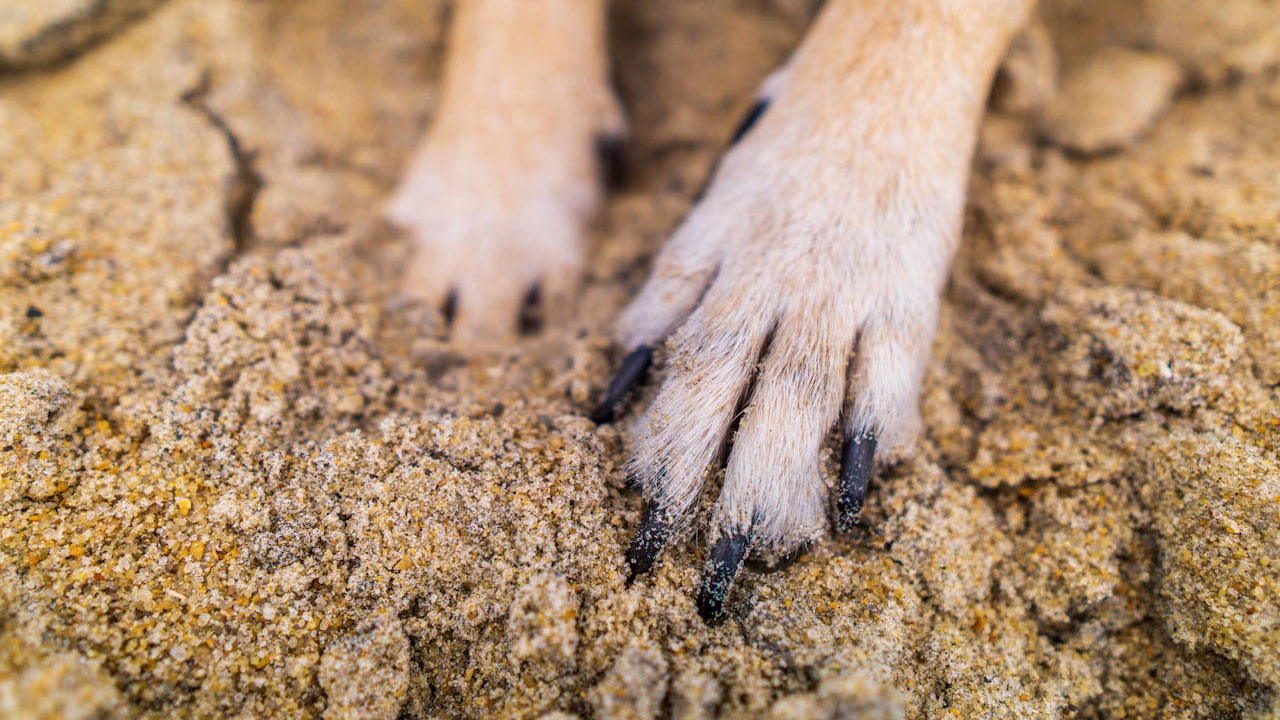
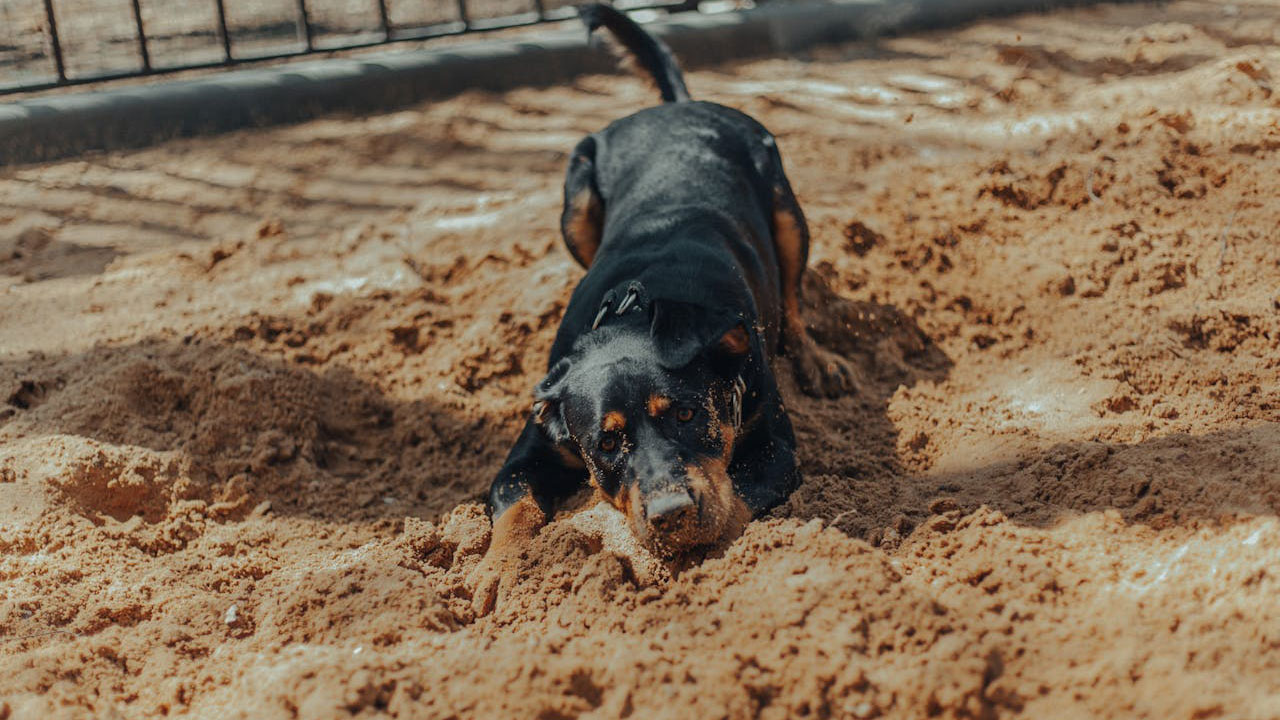
If your dog’s never been taught where digging is okay, they’ll dig wherever they feel like. Giving them a designated digging zone can work wonders, especially for breeds that naturally love it.
Set up a sandbox or loose soil area where digging is allowed. Bury toys or treats to make it fun. Reward them for using that spot instead of the flower beds.
Anxiety or Stress

Dogs under stress may turn to repetitive behaviors like digging as a way to cope. Changes in the home, loud noises, separation anxiety, or even boredom can trigger it.
Address the root of the stress where you can, and give your dog more structure, comfort, and calm interaction. In tougher cases, a vet or trainer may be able to help guide the next step.
*This article was developed with AI-powered tools and has been carefully reviewed by our editors.
Like Fix It Homestead’s content? Be sure to follow us.