This $15 trick helps your house feel warmer without touching the heat
Photo credit: Monkey Business Images/Shutterstock.com
When the temperatures drop, most people rush straight to the thermostat. But before you crank up the heat and watch your bill climb, there’s a cheap fix that actually makes your house feel warmer—thermal curtains.
For around $15 a window, they can make a bigger difference than you’d expect, especially in older homes or rooms that never seem to stay warm no matter how high you set the thermostat.
The problem isn’t always your heat—it’s the windows
Even if your heater’s working perfectly, your home can lose a ton of warmth through the windows. Glass doesn’t insulate well, and cold air sneaks in through gaps around the frame. You might not feel a draft, but you’ll feel the chill that lingers in those rooms.
Thermal curtains help trap the heat that’s already inside while blocking the cold air that seeps through the glass. The result is a noticeable difference in temperature—sometimes five to ten degrees—without burning extra energy.
How thermal curtains actually work
Thermal curtains aren’t just thicker versions of regular ones. They’re designed with a special lining that adds insulation, reducing heat transfer. That lining creates a barrier that slows down how fast warm air escapes and cold air comes in.
It’s the same idea as layering up in winter—you’re keeping warmth close to where you want it. Once they’re installed, you’ll notice the room feels warmer faster and holds that heat longer, especially at night when temperatures drop the most.
Installation takes minutes and pays off fast
You don’t need tools or experience to make this upgrade. Most thermal curtains hang from your existing rod. If you want to seal things even tighter, you can use magnetic or Velcro-style side fasteners that close gaps along the window frame.
You’ll feel the difference almost immediately. Within a day or two, rooms that used to feel drafty start staying more comfortable. And because your heater doesn’t have to run as long to maintain the same temperature, you’ll likely see a drop in your energy use, too.
Not all thermal curtains are equal
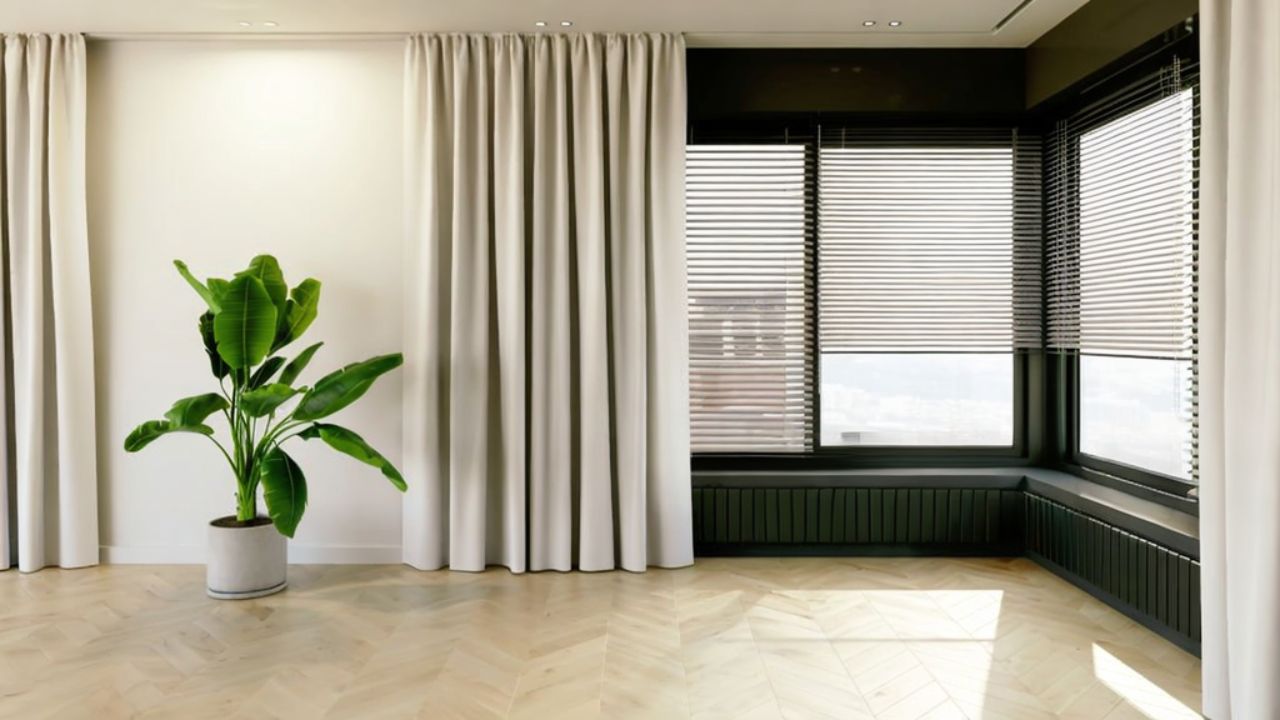
If you’re spending around $15 per window, look for curtains labeled “energy-saving” or “insulated blackout.” These usually have the right lining for warmth while still being affordable. Some cheaper options only darken the room but don’t do much to block heat loss.
You can tell a quality thermal curtain by its thickness and weight. It should feel heavier than a normal curtain and have at least two layers—the fabric on the outside and a thermal or foam lining on the back.
Placement makes a huge difference
Hanging the curtains correctly helps them work better. Make sure they extend several inches past each side of the window frame and touch the floor. The tighter the seal, the less air slips around the edges.
If you have baseboard heaters or vents near the window, keep a small gap at the bottom so air can circulate freely. You want the curtains to insulate, not block airflow.
They do more than hold heat
Thermal curtains aren’t just for winter. They also block out summer heat, making your home cooler when the sun is beating through the windows. That means you’ll get year-round use out of them, making that $15 feel even more worthwhile.
They also reduce outside noise and light, which can make your home feel calmer and quieter. It’s a small comfort upgrade that pays off in more ways than one.
Other small things that help even more

If you really want to stretch your heating budget, combine thermal curtains with a few other quick fixes. Add weatherstripping around window frames, use door draft stoppers, and close off unused rooms to keep warm air where you actually need it.
Even switching ceiling fans to spin clockwise on low can push warm air back down from the ceiling, helping your space feel warmer without touching the thermostat.
It’s a cheap fix that feels like a big one
Spending $15 on thermal curtains might not sound like much, but when you add them up across the house, the difference is real. You’ll feel it every time you walk into a room that used to feel chilly.
They don’t replace your heating system—but they make it work smarter. And that means you stay more comfortable, your energy bill stays lower, and you stop wasting heat you’ve already paid for. Sometimes the simplest upgrades make the biggest difference, especially when the weather turns cold.
Like Fix It Homestead’s content? Be sure to follow us.