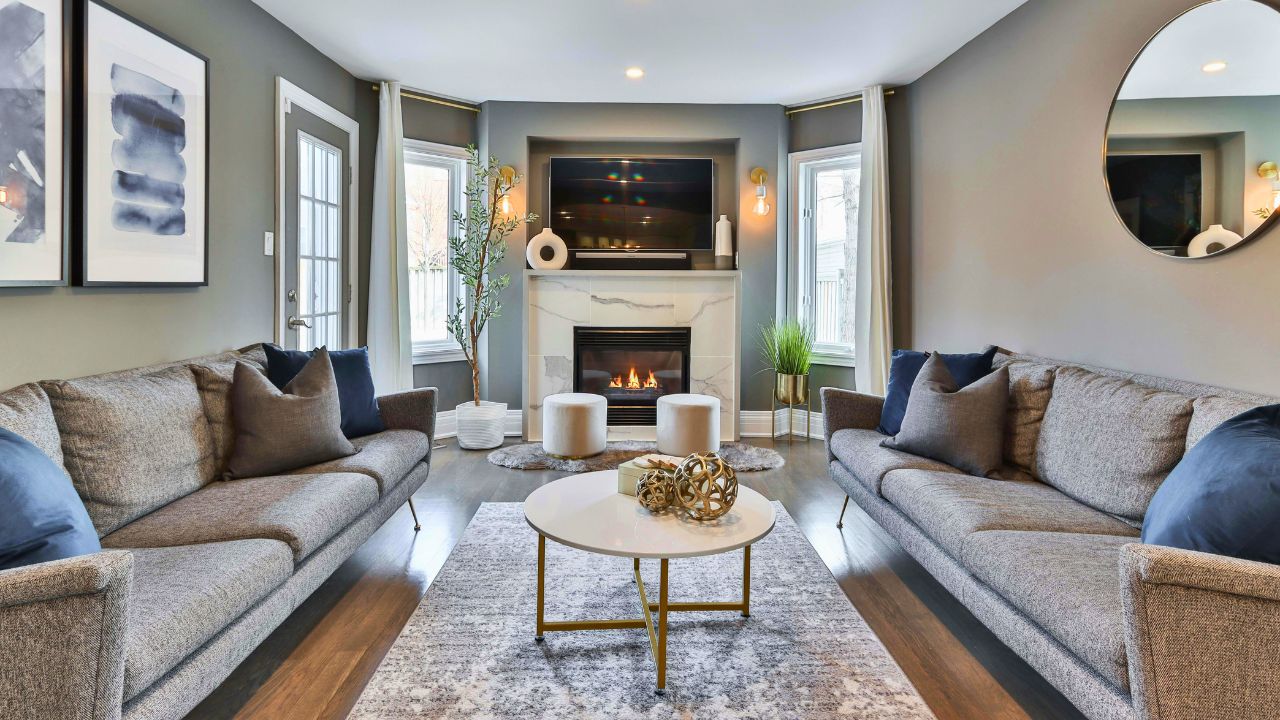
Your wall color says more about your home than your furniture does
Photo credit: Lotus Design N Print/Unsplash.com
You might think people notice your furniture first when they walk in—but they don’t. They notice your walls. Wall color sets the tone before anyone ever takes in the rest of your space. It affects how clean, cozy, or expensive your home feels, even if the furniture is nice. A room painted in the right color can make average furniture look elevated, while the wrong shade can make even expensive pieces look mismatched or dated.
That’s why designers always start with walls. It’s the backdrop that everything else has to live with. And when it’s off, no amount of decorating fixes it.
Color affects how finished your space feels
One reason wall color matters more than furniture is that it covers the most surface area in your home. Even if you have a great couch or beautiful decor, if your walls clash or look tired, the whole room feels unfinished. Fresh paint does more for a space than new furniture ever could.
Light, neutral shades—like warm white, greige, or soft taupe—tend to make a home feel brighter and more open. On the other hand, deeper, moodier tones can make a space feel intentional and cozy when done right. What doesn’t work is leaving builder-grade beige or old paint that’s lost its tone and depth. It sends the message that the room hasn’t been touched in years.
Wall color sets the mood
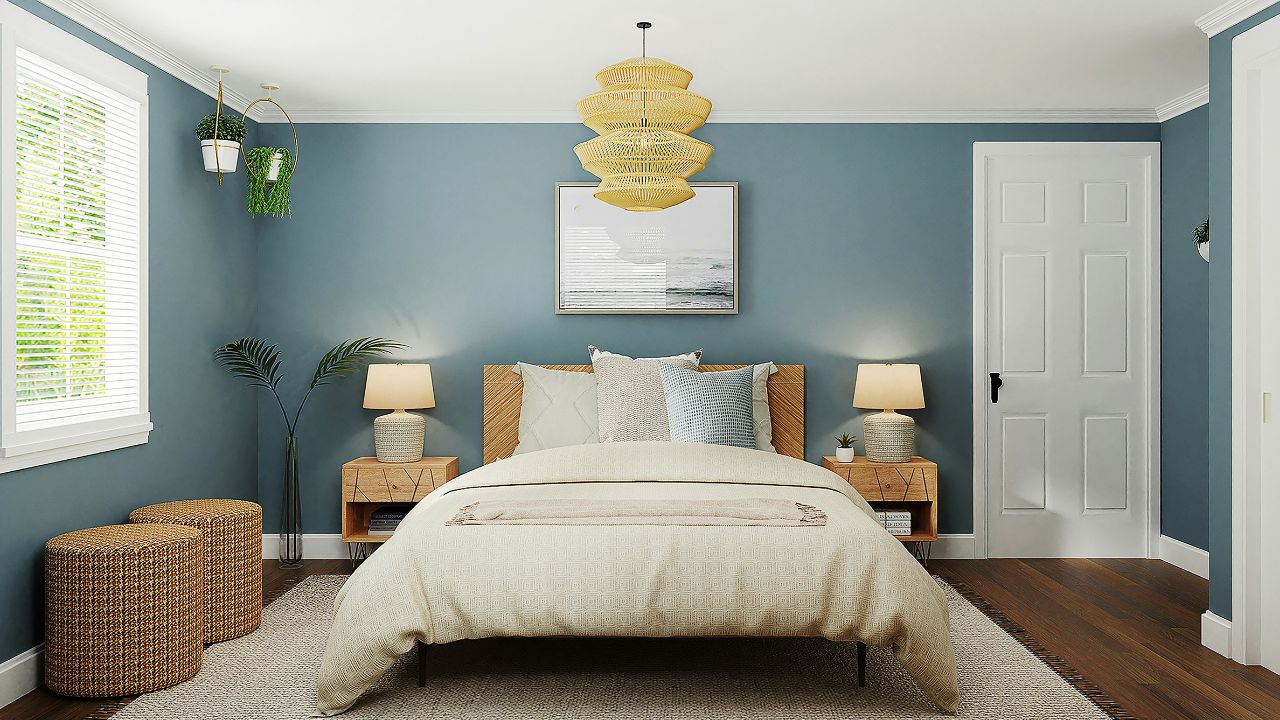
The color of your walls also changes how people feel in your home. Blues and greens create calm and balance, making them great for bedrooms or bathrooms. Warm tones like beige or cream feel inviting in living spaces, while crisp whites can make a room feel fresh and modern—but only if the undertones match your lighting and flooring.
If your walls have a yellow tint under cool lighting or look gray against warm wood floors, the tone might be fighting your space instead of enhancing it. Getting that right balance between the paint color, natural light, and flooring can completely change the energy of your home.
Furniture can’t fix poor lighting or bad undertones
People often spend thousands on new furniture trying to “update” their home when the real issue is the wall color. If your furniture doesn’t look right no matter how you arrange it, it’s probably your paint throwing things off.
The undertones in your walls—whether warm, cool, or neutral—impact how every other color in the room reads. A gray with blue undertones can make tan furniture look orange. A warm cream can make white furniture look dingy. You don’t need to repaint every room to fix it, but even one updated wall color can make everything else fall into place.
The right color makes your home feel intentional
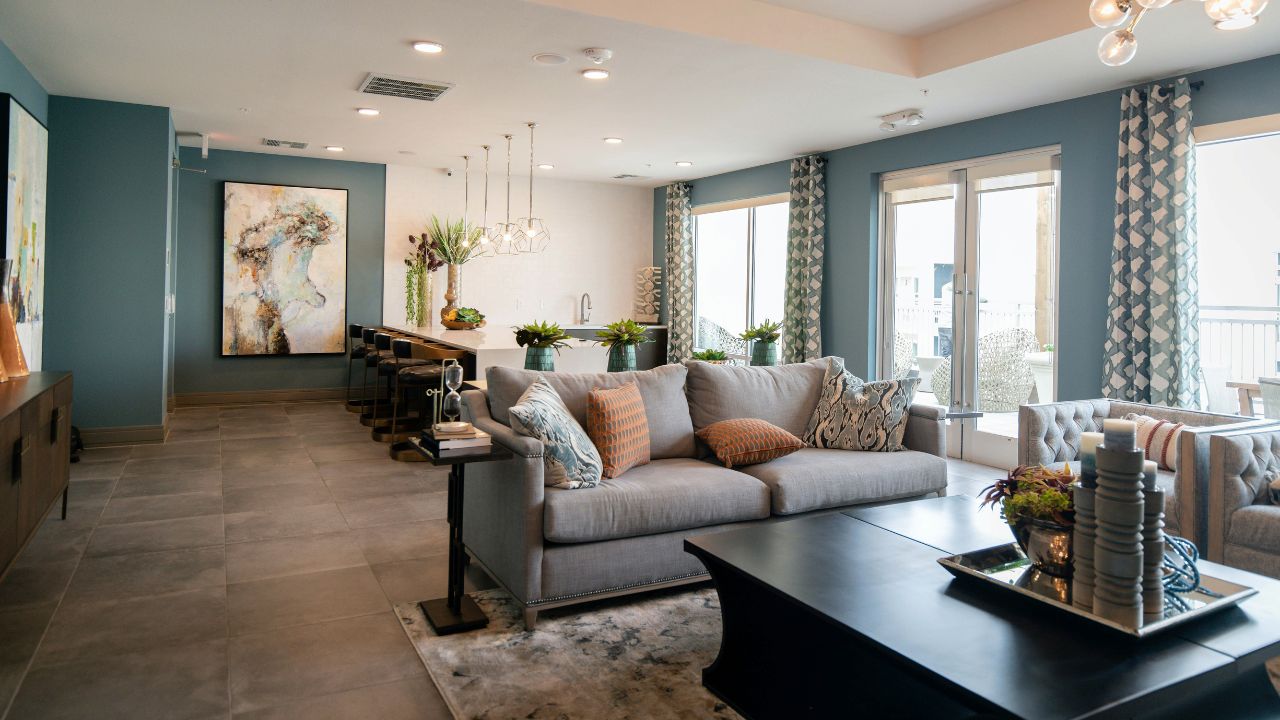
The biggest difference between homes that feel “put together” and those that feel random is color cohesion. When the walls work with the furniture and decor instead of competing, the whole space feels more elevated.
That’s something high-end homes have mastered—they keep a consistent color palette throughout. You don’t have to copy that exactly, but sticking to a few complementary shades instead of repainting each room in a totally different tone helps your house feel more connected.
Paint is the easiest high-impact change you can make
If your home feels dated or disconnected, a new paint color is one of the cheapest and fastest ways to fix it. You don’t have to replace your furniture or rip out flooring—just shift the tone of your walls.
Color is powerful. It changes how big a room feels, how much light it reflects, and even how your decor looks in photos. If your goal is to make your home feel more cohesive, cleaner, and higher-end, start with the walls. They’re quietly doing more work for your home than any piece of furniture ever could.
Like Fix It Homestead’s content? Be sure to follow us.