Tractors vs. Trucks: Which One Handles Homestead Tasks Better?
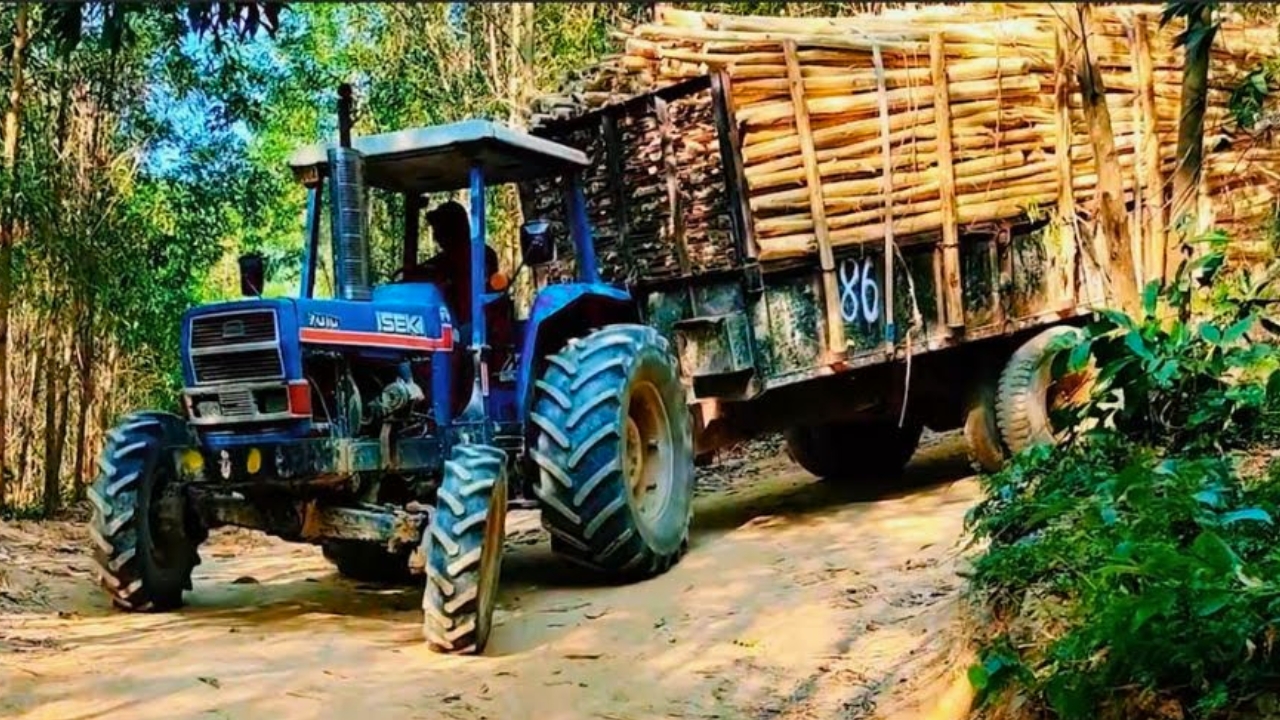
Photo credit: Forestry Gear/YouTube.
If you’ve got land to work and chores that pile up faster than firewood in the fall, chances are you’ve wondered: should I rely more on a tractor or a truck? Both are workhorses in their own right, but they handle different kinds of jobs. This breakdown will help you figure out which one really pulls its weight around the homestead—and where one falls short.
Hauling Heavy Loads

When it comes to hauling serious weight—think logs, hay bales, or feed—tractors usually come out ahead. They’re built for pulling and towing, not cruising down the highway, so their gearing gives you more control at low speeds.
Trucks can haul, sure, but they’re more suited for getting things from A to B. They’ll tow a trailer just fine, but they’re not as good for slow, steady pulling through uneven ground or mud.
Getting Around the Property
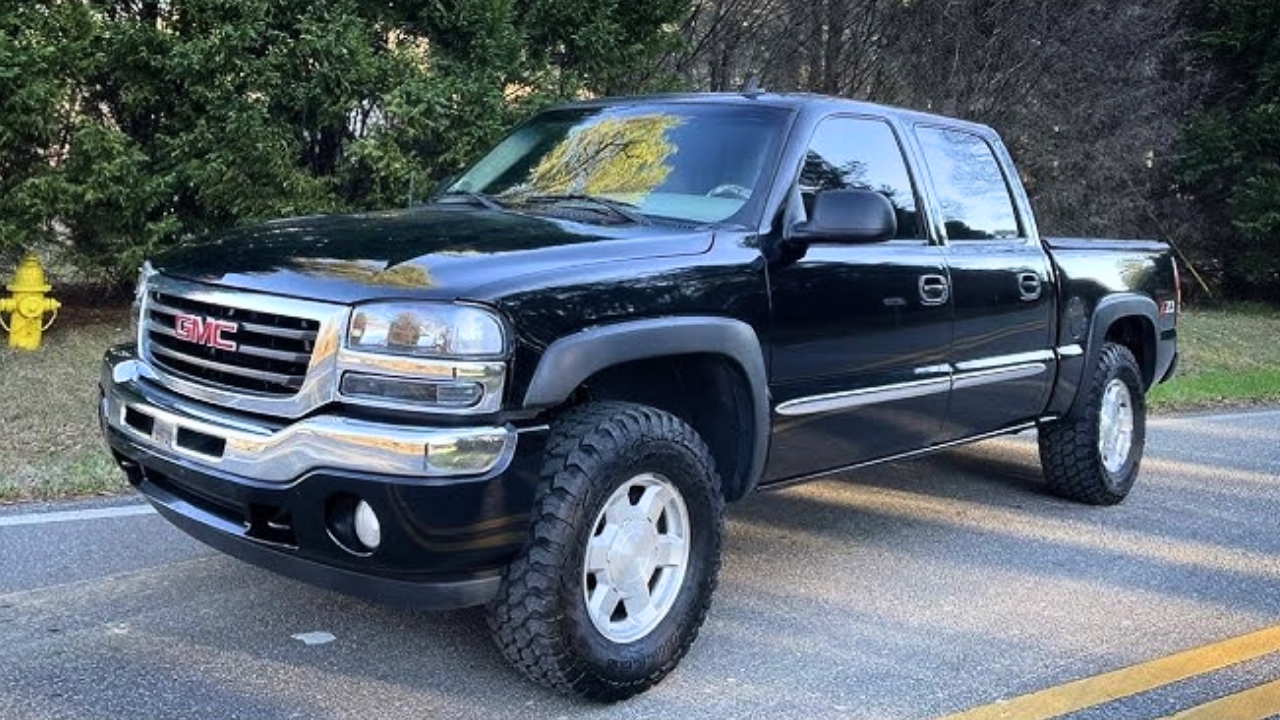
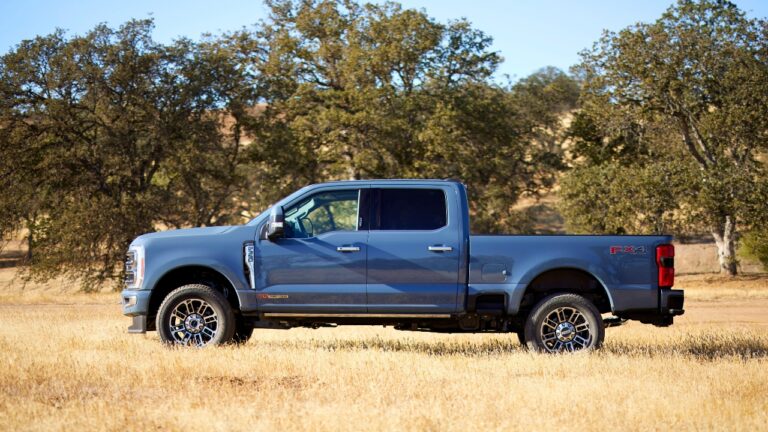
If you’re moving around a large property, a truck will get you there faster. You can toss gear in the bed and drive out to the back pasture without blinking. Trucks are more comfortable, have better suspension, and handle longer distances without a fuss.
Tractors, on the other hand, aren’t built for comfort or speed. They’re slow and noisy but better for getting into tight spots where a truck just wouldn’t fit or would risk getting stuck.
Handling Attachments and Implements
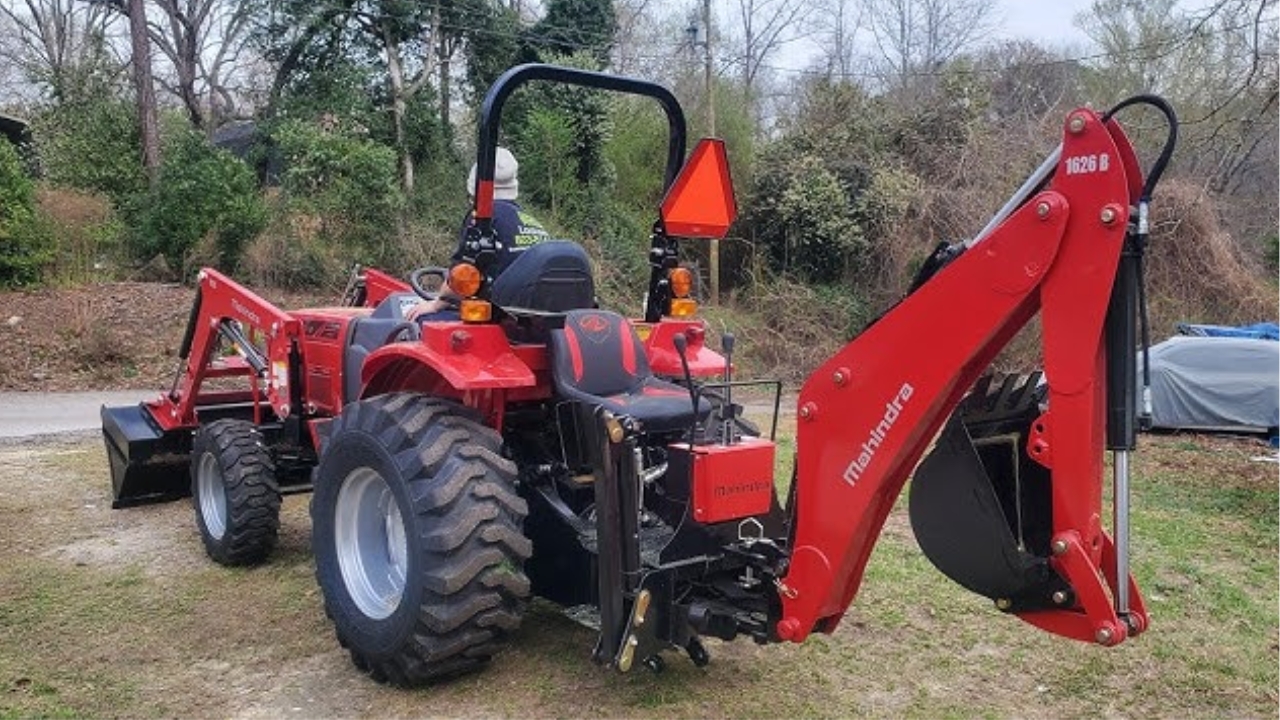
This one’s a clear win for tractors. You can hook up all kinds of tools—mowers, tillers, augers, box blades—you name it. That kind of versatility makes them essential for digging, plowing, grading, or even snow removal.
A truck just can’t compete here. You might rig up a plow for snow or a winch, but it’s limited. Trucks aren’t designed to work with multiple attachments like a three-point hitch system.
Off-Road Capability
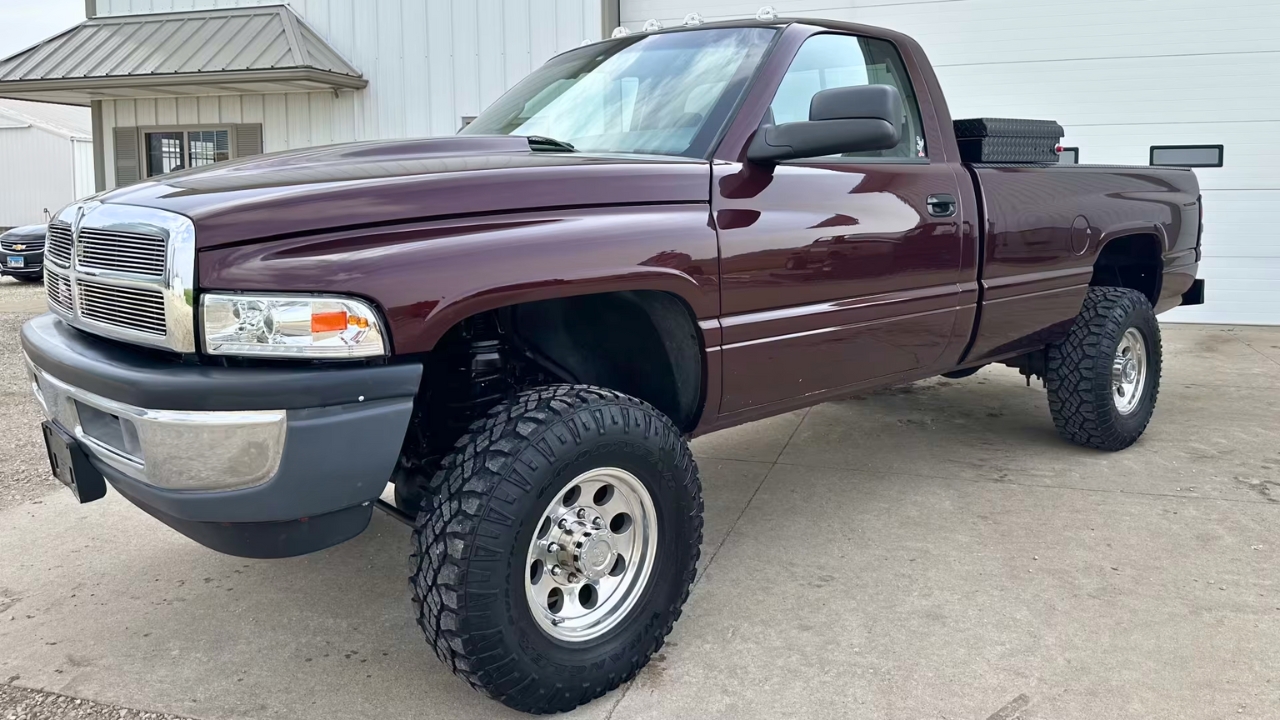
Trucks do great on rough trails and gravel roads, especially with 4×4 engaged. They’ll get you through mud, snow, and hilly terrain without much trouble. You’ve also got better speed and range if you need to get into town.
Tractors are slower, but they’re made for uneven ground. Big tires, high clearance, and low-end torque let them crawl over stumps or deep ruts. It’s not a fast ride, but it’ll usually get you through.
Fuel Efficiency and Maintenance

Tractors tend to burn diesel slowly and are made to last decades with proper care. But maintenance can be more specialized and sometimes pricey, especially if you break something like a hydraulic line or PTO shaft.
Trucks need more regular upkeep—oil changes, brakes, tires—and depending on what you drive, fuel costs can creep up. But finding parts and a mechanic is usually a lot easier and cheaper.
Storage and Space Needs
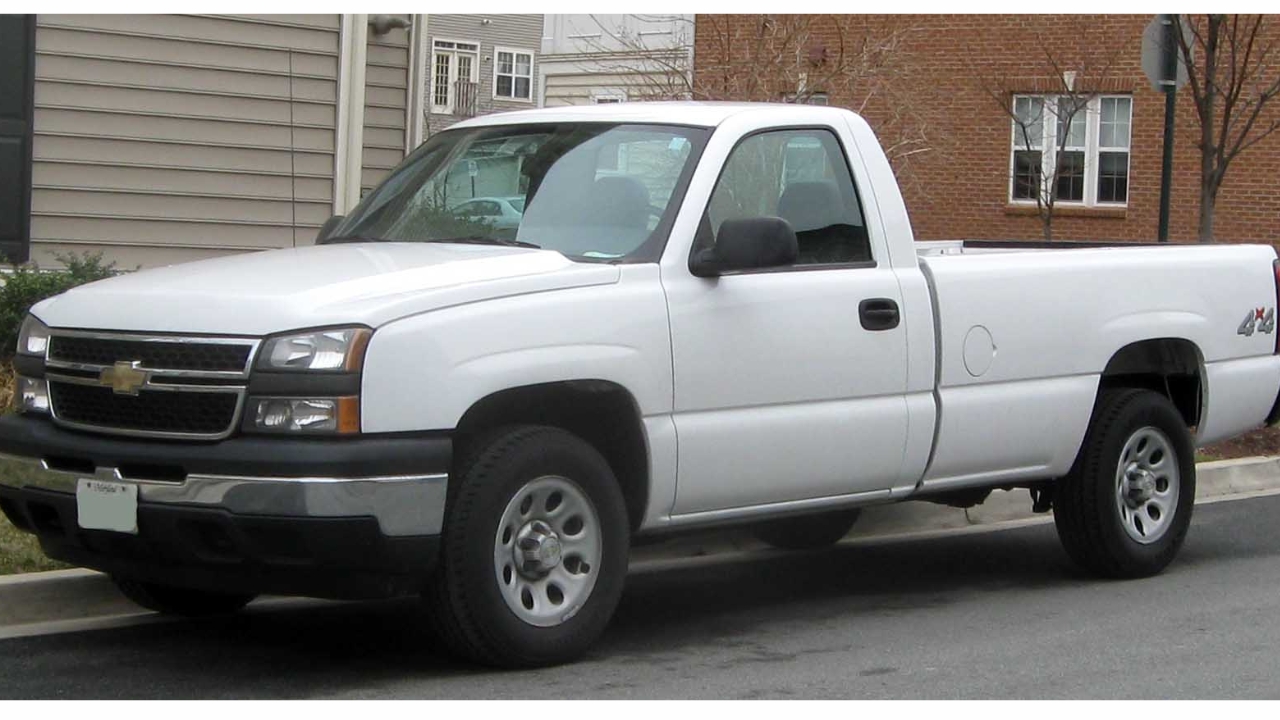
Tractors take up less space in terms of length, but if you’ve got attachments, you’ll need a good-sized shed or barn to keep everything covered. They’re not the easiest thing to leave out in the weather year-round.
A truck might take up more room in your garage, but it doesn’t need its own implement bay. Just one vehicle, ready to roll, and a bed that can be covered with a topper or left open depending on the season.
Daily Use and Versatility
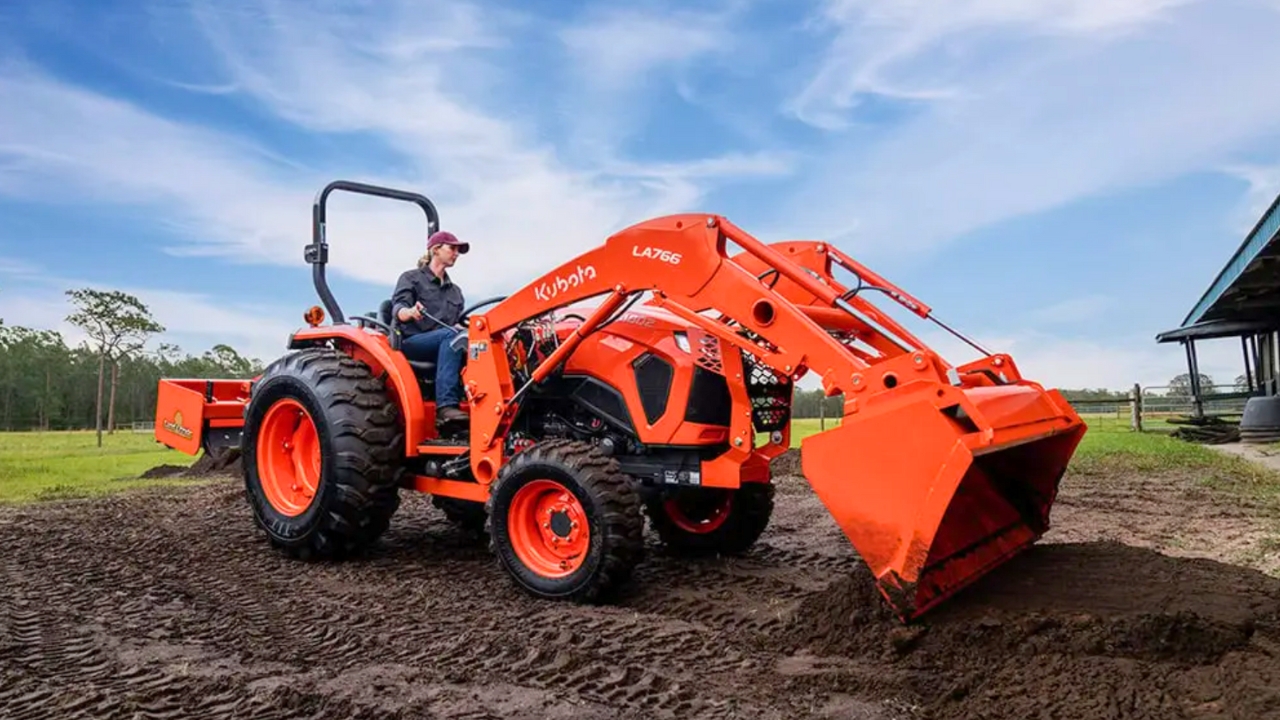
If you’re just running into town, picking up supplies, or hauling firewood down the road, a truck wins hands down. It’s road-legal, has better seats, and handles errands without any extra steps.
Tractors shine when the jobs stay on the property. They’re slow but focused. If you’re doing task after task in the field or garden, a tractor works harder over a full day than a truck ever could.
*This article was developed with AI-powered tools and has been carefully reviewed by our editors.