10 Expensive Beginner Mistakes That Can Wreck Your Homestead Animals
Photo credit: Kolomiyets Viktoriya/ Shutterstock.com
Raising animals on a homestead isn’t something you can just wing. A lot of beginners jump in thinking it’s as simple as tossing some feed out and letting nature do the rest. That kind of thinking leads to dead animals, busted fences, and a lot of wasted money.
I’ve seen people lose livestock because they didn’t secure their fencing, go broke trying to feed more animals than they could handle, or bring home a sick animal that wiped out their whole flock. These mistakes add up fast. If you’re serious about keeping animals, you need to do it right from the start. Here are the biggest beginner mistakes that will cost you—and how to avoid them.
Buying More Animals Than You Can Handle

It’s easy to get caught up in the excitement of starting a homestead, but jumping in too fast will cost you. A few chickens turn into a whole flock, a couple of goats suddenly need a barn, and before you know it, you’re overrun and struggling to keep up.
Too many animals too soon leads to overcrowding, poor care, and unexpected expenses. It’s better to start small and expand once you’ve got a solid routine down. Focus on quality over quantity—healthy, well-cared-for animals will always be more productive than a bunch you can barely manage.
Skipping Secure Fencing

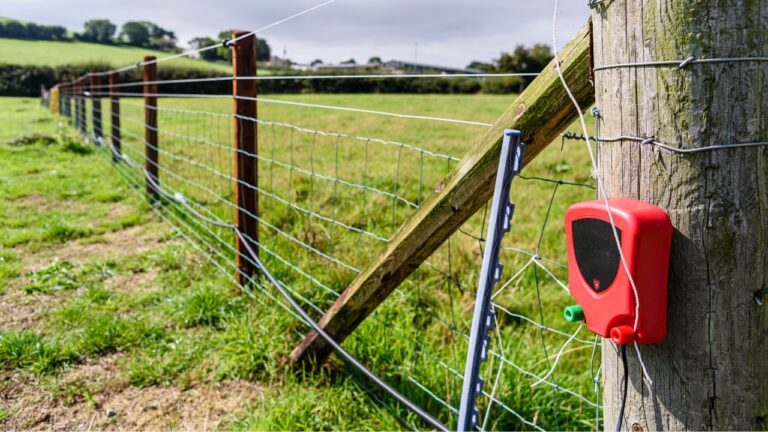
If you think your animals won’t test the limits of your fencing, you’re in for a surprise. Goats will climb, pigs will root under, and predators will find the weak spots faster than you think. A flimsy fence is an invitation for disaster—lost animals, expensive replacements, and predators picking off your livestock.
Invest in strong, well-installed fencing from the start. Electric wire can help with escape artists, and buried fencing prevents digging predators. Fixing bad fencing after an animal gets loose is way harder (and more expensive) than getting it right the first time.
Underestimating Feed Costs
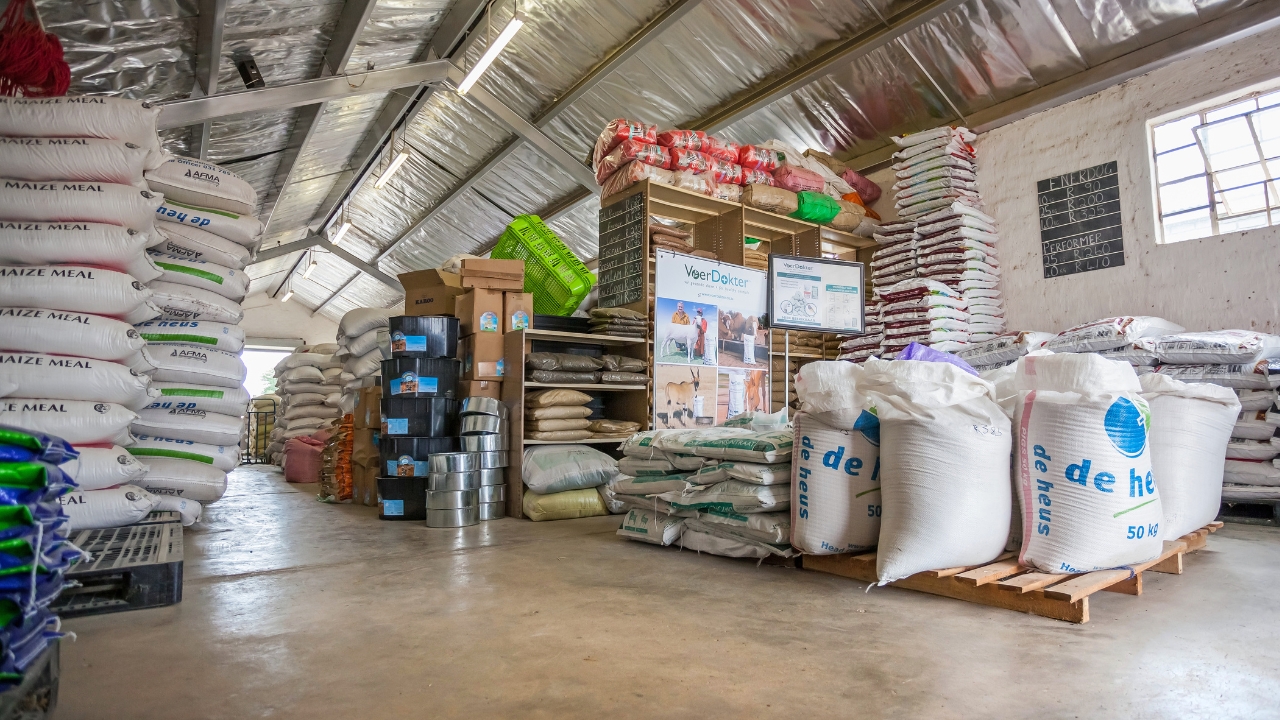
People think raising animals means free food, but unless you’ve got acres of quality pasture, feed bills add up fast. Cheap feed might seem like a good way to save money, but poor nutrition leads to slow growth, weak immune systems, and bigger health issues down the line.
Plan for feed costs before you buy animals. Know how much each species eats, what kind of nutrition they need, and how seasonal changes will impact your supply. Bulk buying and supplementing with pasture or homegrown feed can help, but skimping on quality will cost you more in the long run.
Not Having a Vet Plan
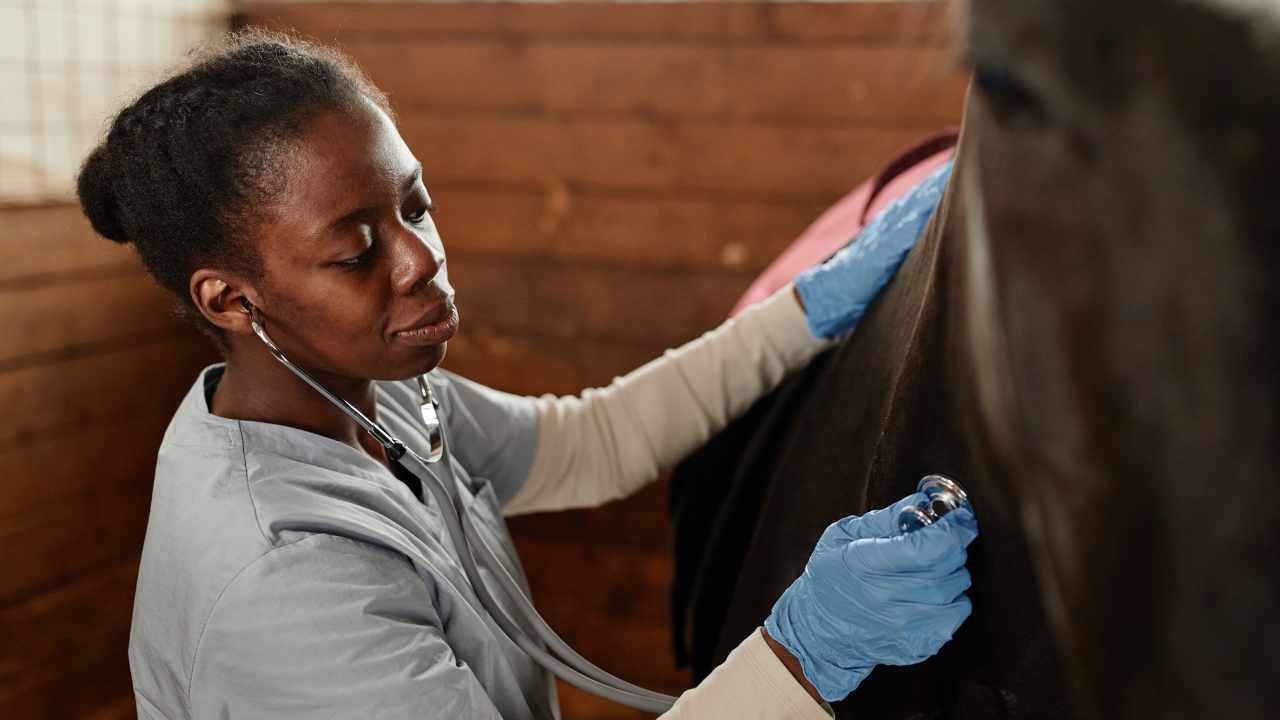
Homesteading isn’t about calling the vet for every little thing, but when you need one, you need one fast. If you don’t already have a vet lined up, trying to find one in the middle of an emergency can be a nightmare. Some vets don’t treat livestock, and not every area has farm-call services.
Before bringing home animals, find out which vets near you handle livestock and what their emergency policies are. Learn the basics of first aid—knowing how to handle minor injuries, infections, or illnesses can save both money and lives.
Ignoring Predator Proofing
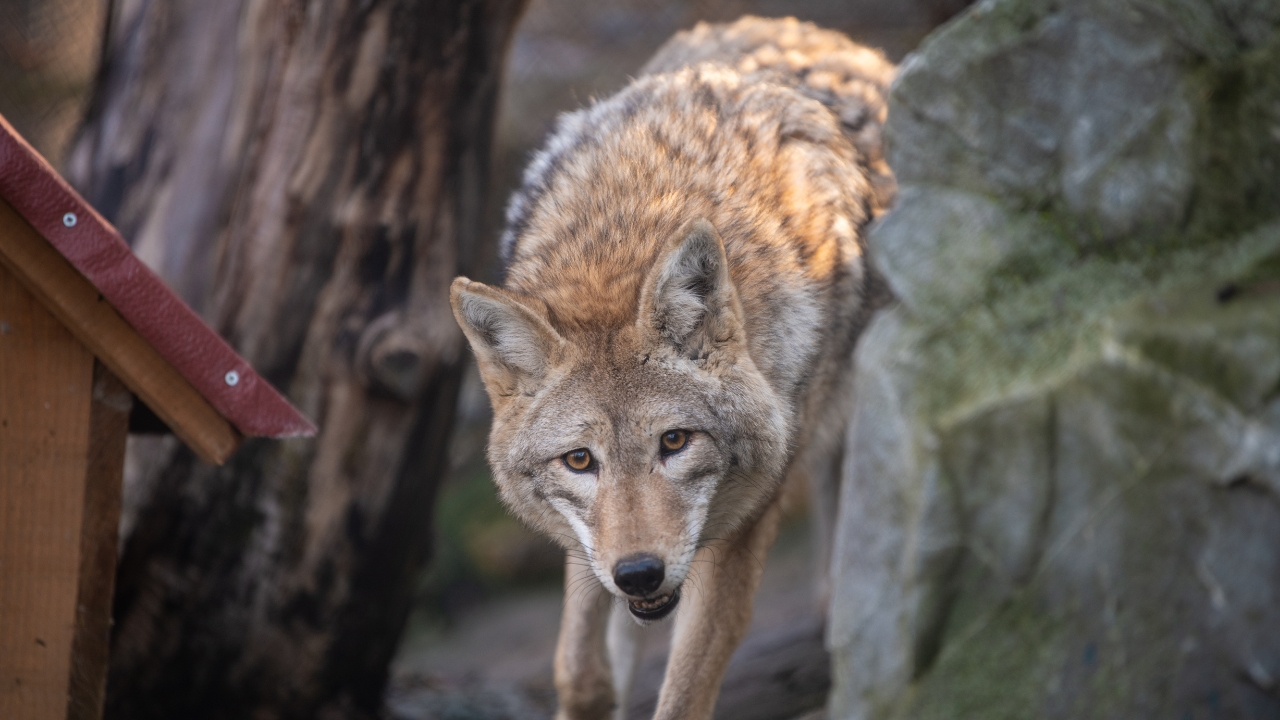
Nothing will gut-punch you faster than walking out to the coop and finding your chickens torn apart because you thought the fencing was “good enough.” Raccoons, coyotes, foxes, and even stray dogs can wipe out an entire flock or herd overnight.
Secure coops, strong fencing, and nighttime lockups are non-negotiable. Use hardware cloth instead of chicken wire (raccoons can rip through chicken wire like it’s nothing), bury fencing to stop diggers, and consider livestock guardian animals for extra protection. If predators get a free meal once, they’ll be back for more.
Using the Wrong Shelter Setup

A barn or coop that looks good but isn’t practical will cost you in the long run. Poor ventilation leads to respiratory issues, damp bedding breeds disease, and overcrowding causes stress and injuries.
Shelters need to be dry, well-ventilated, and spacious enough for the number of animals you have. Factor in easy cleaning—because you’ll be doing it often. Think ahead for weather conditions, too. A poorly insulated barn won’t keep animals warm in winter, and a coop without shade can turn into an oven in summer.
Skipping Quarantine for New Animals

Bringing home new animals and tossing them straight in with your existing flock or herd is a rookie mistake. If they’re carrying parasites or disease, your whole setup can go downhill fast.
New animals should be quarantined for at least 2-4 weeks. Watch for signs of illness, check for parasites, and make sure they’re eating well before introducing them to the rest of your animals. It’s a simple step that can save you a lot of money and headaches.
Not Planning for Winter
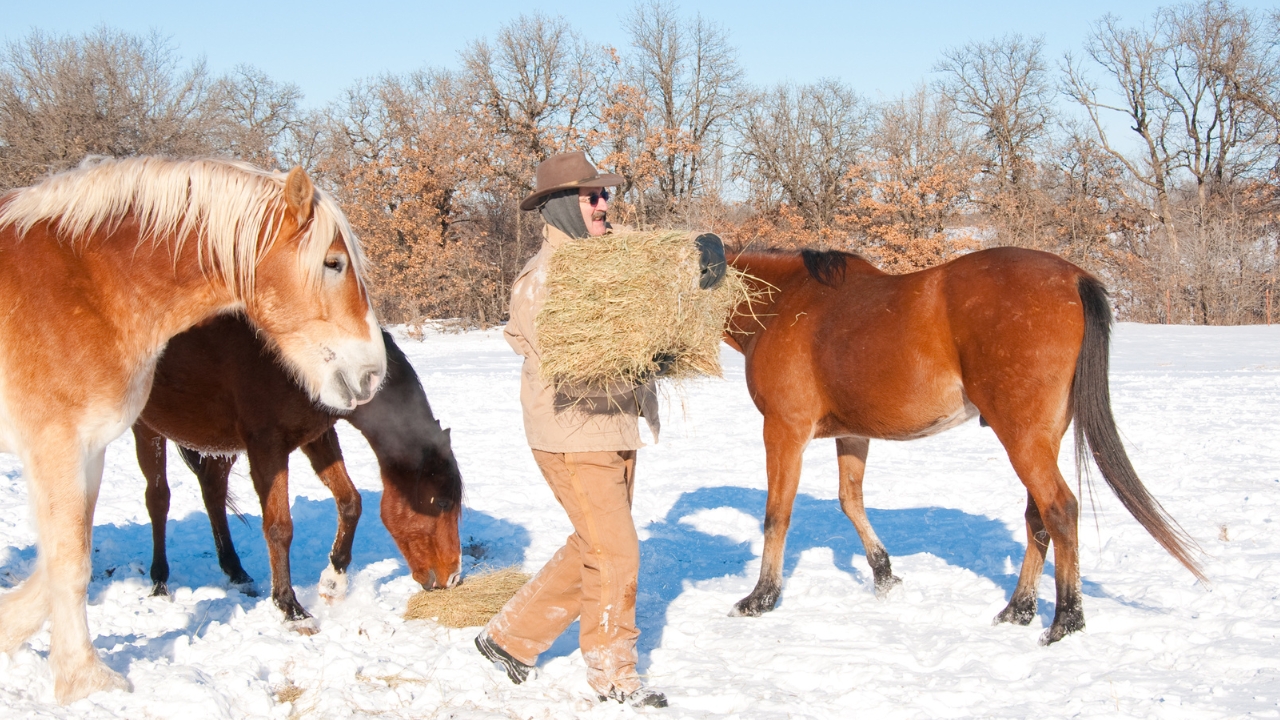
Winter can be brutal on livestock, and if you’re not prepared, you’ll be scrambling to keep animals alive when the cold hits. Frozen water, lack of dry shelter, and insufficient feed can lead to sick, stressed, and even dead animals.
Plan ahead. Heated waterers or water buckets keep drinking sources from freezing. Stockpile enough hay, grain, and bedding before winter sets in. Make sure shelters are dry and draft-free but still ventilated. Winter is tough enough—you don’t want to be fighting to keep animals alive because you weren’t ready.
Relying on One Water Source
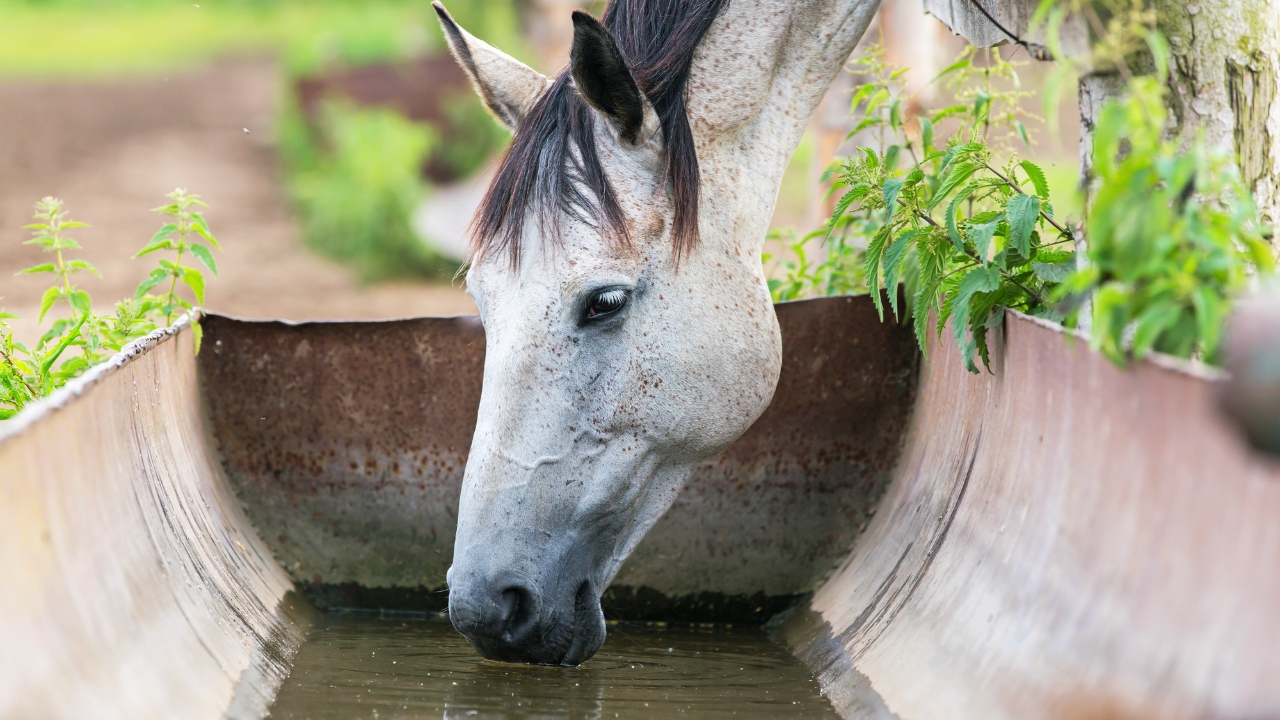
Water is one of the most important things your animals need, and yet a lot of beginners don’t think about what happens if their only water source goes down. A frozen pipe, a busted well pump, or even a tipped-over bucket can leave animals without water fast.
Always have backups. Extra waterers, rainwater collection, or even just large storage containers can save you when something goes wrong. Keep an eye on water quality too—dirty water leads to disease and dehydration, even if the animals are drinking it.
Overlooking Basic Medical Care
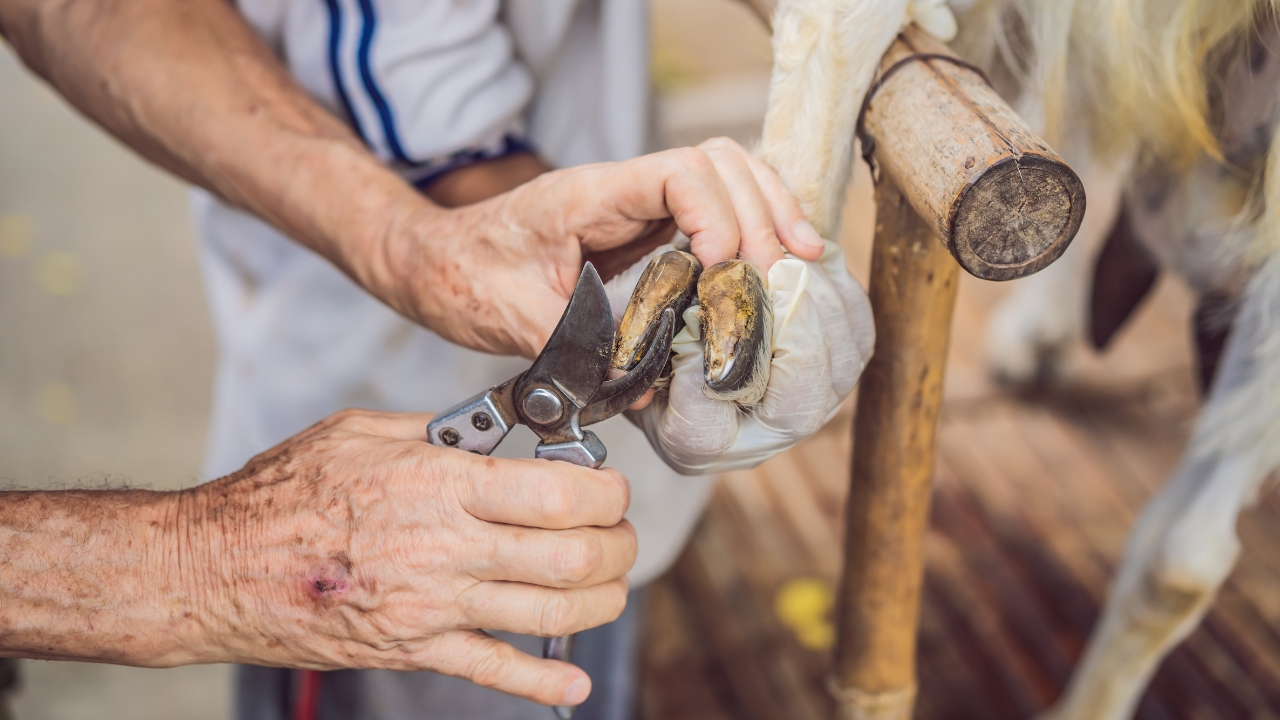
You don’t need to be a vet to keep your animals healthy, but skipping basic care will cost you in the long run. Hoof trimming, deworming, and vaccinations aren’t optional—they’re necessary to keep animals from suffering or developing expensive problems.
Learn the basics of animal care before you bring livestock home. Know how to check for parasites, spot early signs of illness, and handle minor medical issues yourself. A little prevention goes a long way in keeping your animals healthy and avoiding costly vet bills.
Not Breeding Responsibly
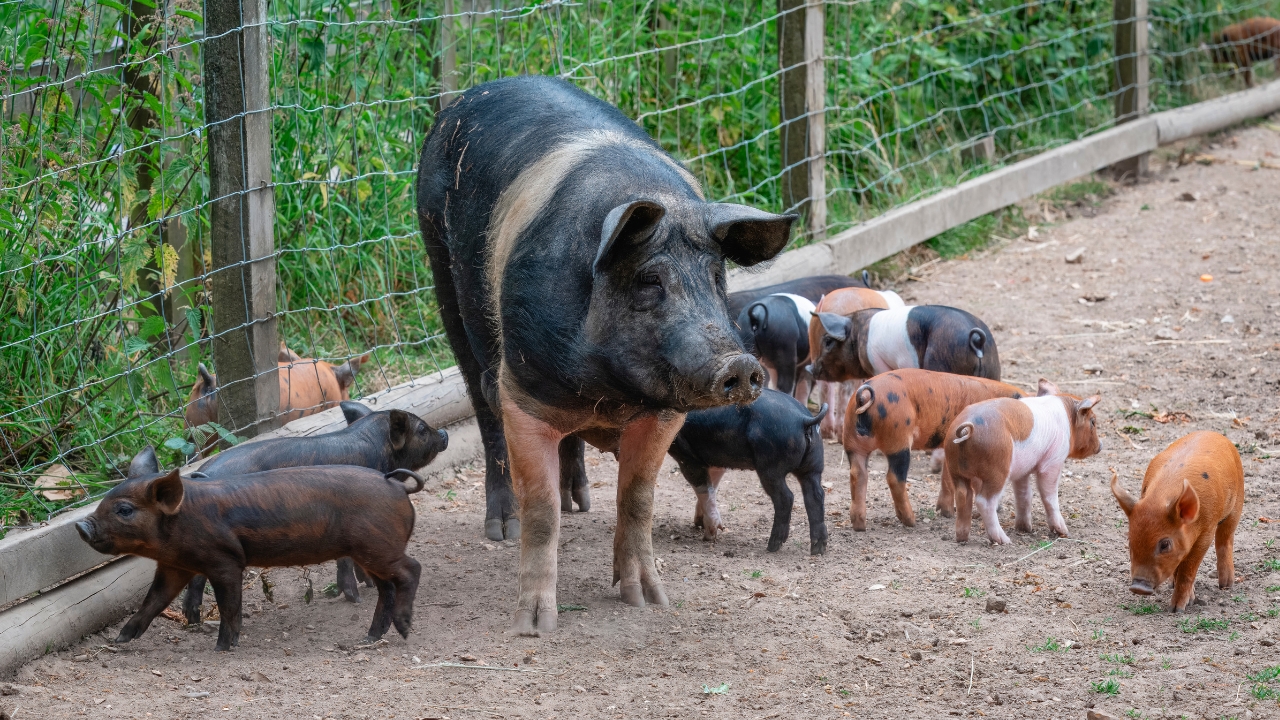
It’s easy to think, “I’ll breed my animals and make extra money,” but if you don’t have a plan, you’ll end up with more mouths to feed and not enough resources to care for them. Backyard breeding without a purpose leads to weak genetics, health issues, and extra expenses you weren’t ready for.
If you’re breeding animals, have a plan for where the offspring will go. Make sure you have enough space, food, and time to care for them properly. Not every animal should be bred—strong genetics and good health should always come first.
Neglecting Manure Management
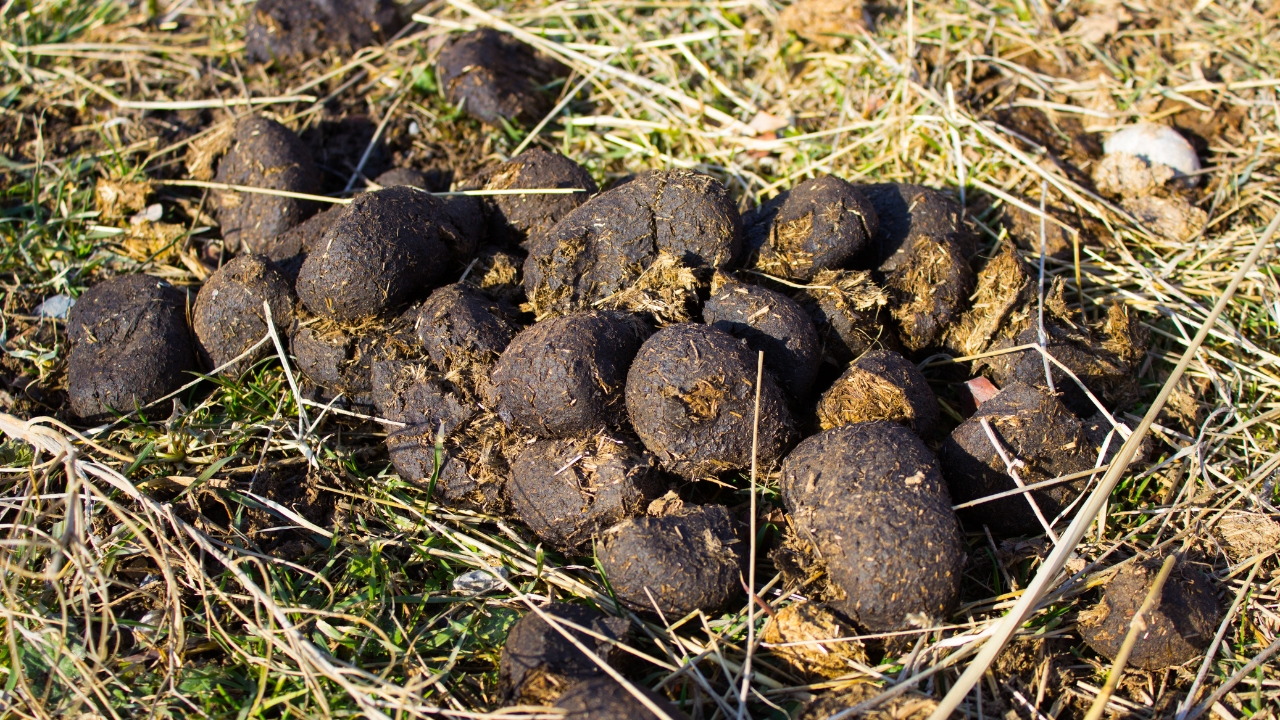
Animal waste piles up faster than you think. If you’re not managing manure properly, it can become a breeding ground for parasites, attract pests, and lead to unhealthy living conditions for your animals.
Composting is the best way to handle manure—it turns waste into valuable fertilizer for your garden. If you don’t compost, you’ll need a designated area to dispose of it safely. Keep pens and shelters clean to prevent health issues and keep flies under control.
Skipping Routine Health Checks

Just because an animal looks fine doesn’t mean it is. A goat that’s losing weight, a chicken with a pale comb, or a cow with a dull coat could be dealing with parasites, nutritional deficiencies, or early signs of illness.
Make it a habit to check animals regularly. Look for changes in weight, behavior, and appearance. Catching problems early is always cheaper and easier than dealing with a full-blown health crisis. Prevention and early detection will save you a lot of money and heartache in the long run.
*This article was developed with AI-powered tools and has been carefully reviewed by our editors.