The garage items that do not tolerate freezing and where to put them instead
Photo credit: Pranav Kukreja/Shutterstock.com
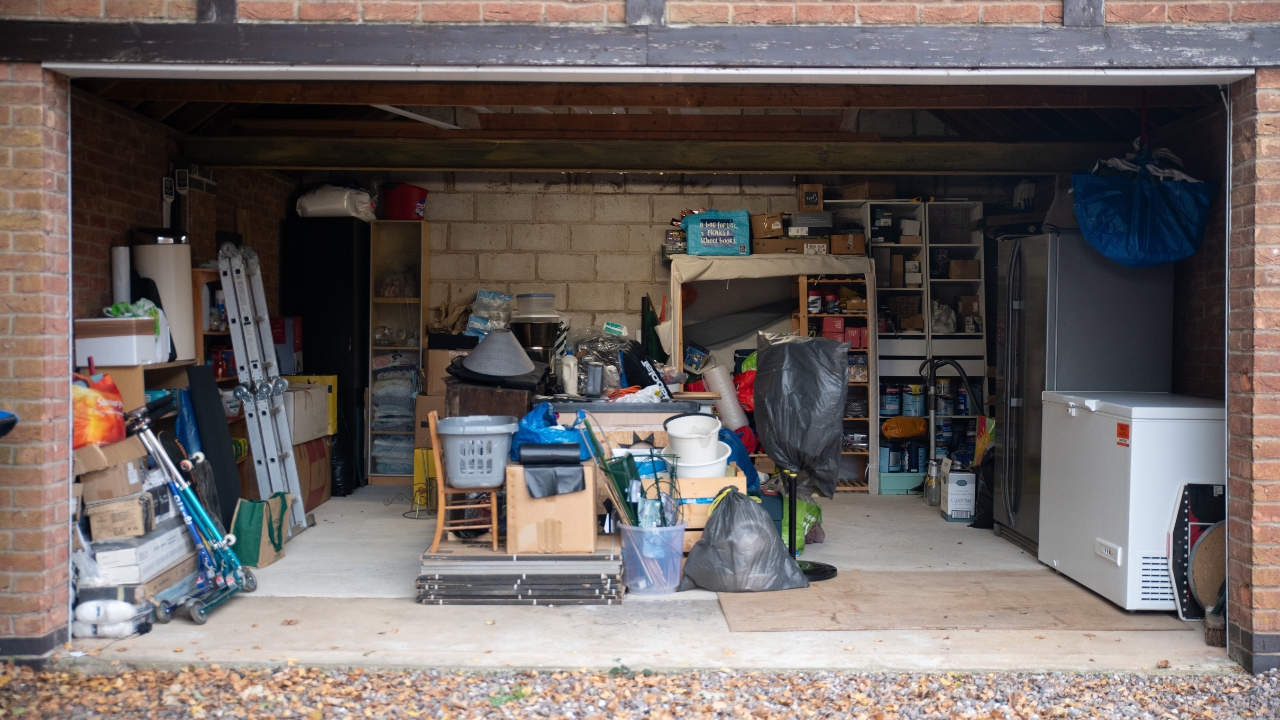
The garage feels like the catch-all for anything you don’t want in the house, but some things really do not handle freezing temps. Cold snaps can ruin them, make them unsafe, or shorten their life by a lot.
Here’s what shouldn’t sit out there in winter—and better spots to stash them.
1. Paint and wood stain
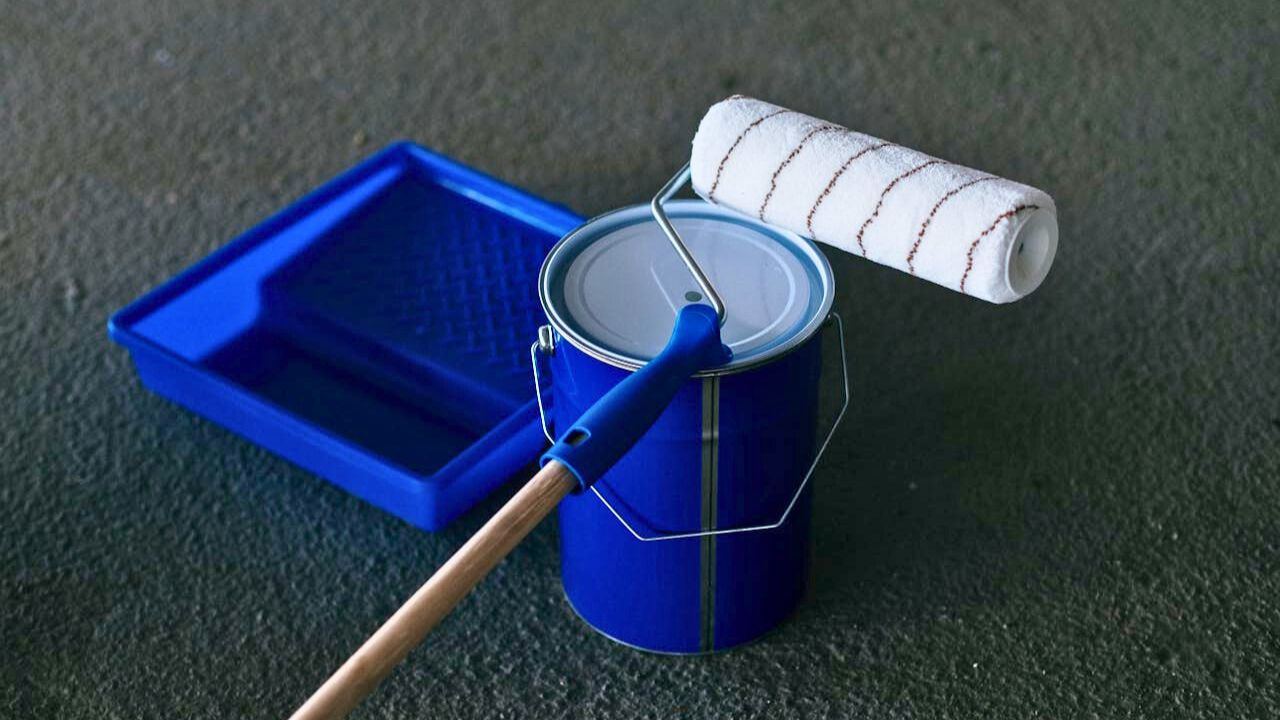
Latex paint and many finishes separate, clump, or fail completely after they freeze and thaw. Store them in a basement, interior closet, or heated utility room where temps stay above about 50°F. If the can already looks chunky or rubbery inside, it’s probably done.
2. Aerosol cans and spray cleaners
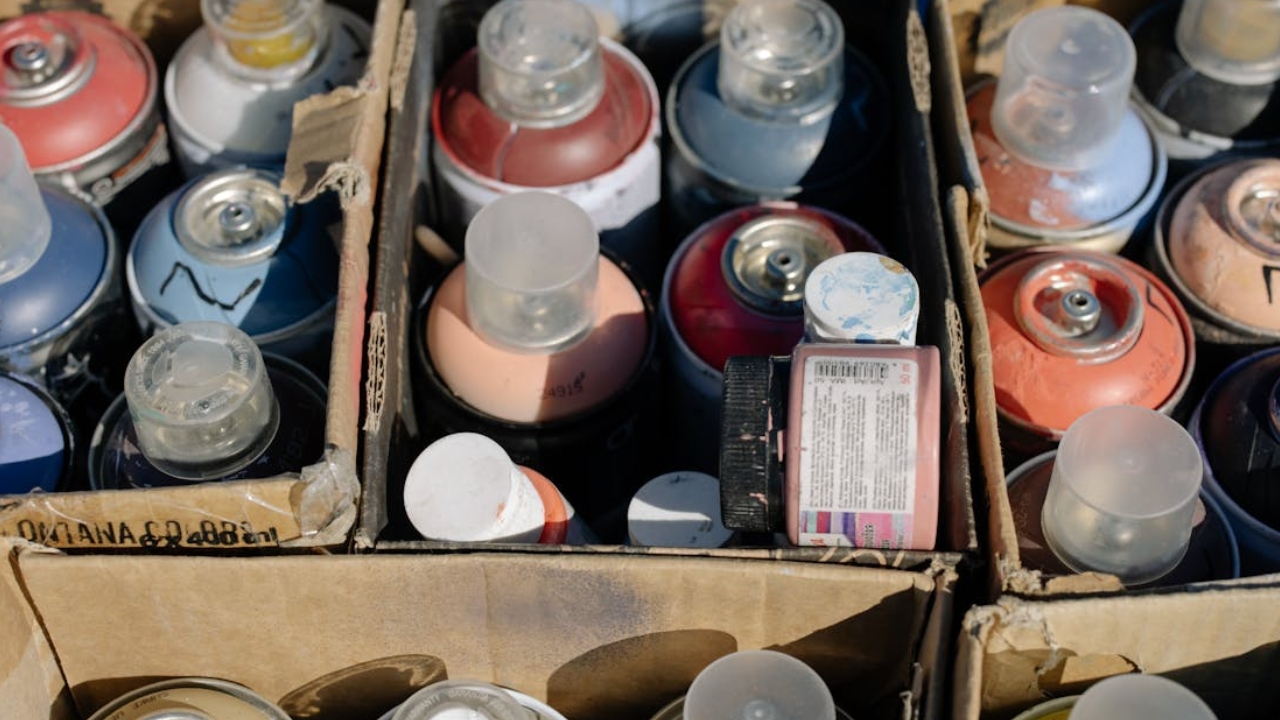
Aerosol cans (spray paint, lubricants, cleaners) can be damaged by extreme cold and heat and sometimes burst if pressure changes a lot. Keep them on a shelf in a utility closet, laundry room, or basement where temperatures are steadier.
3. Liquid fertilizers and pesticides
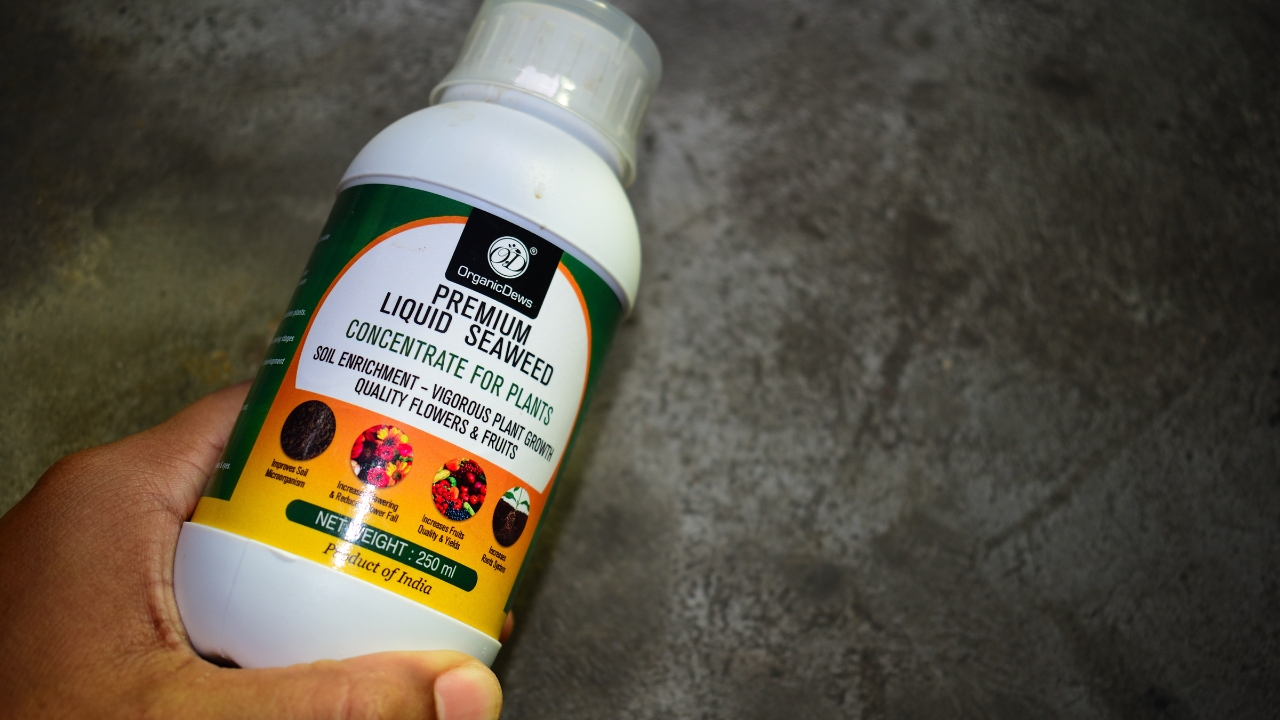
Many liquid lawn products, pesticides, and herbicides can separate or crystallize in the cold, which makes them less effective or unusable. Check the label—most say to store above freezing. A locked cabinet in a basement or heated storage area is safer for both kids and pets.
4. Canned food
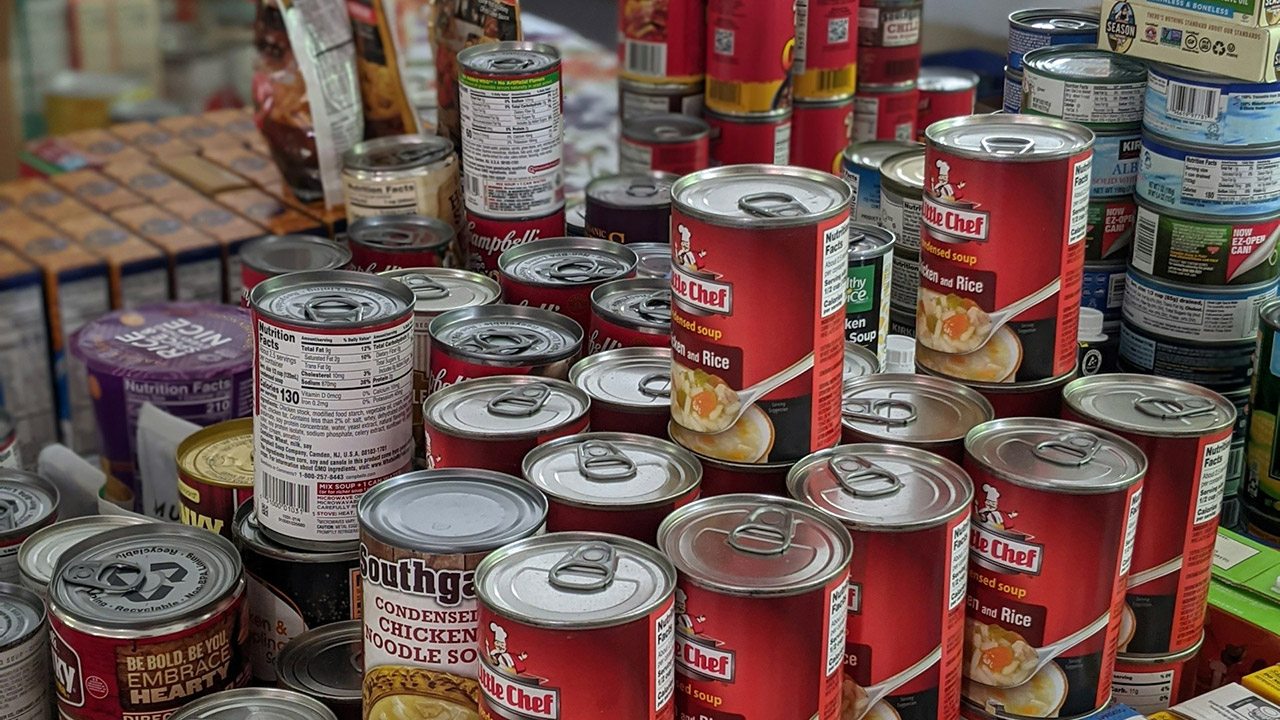
Canned food can freeze, expand, and break seals, even if the can doesn’t visibly burst. That can let bacteria sneak in. Food should live inside the house: pantry, interior closet, or a cool-but-not-freezing storage room.
5. Pet food and bird seed
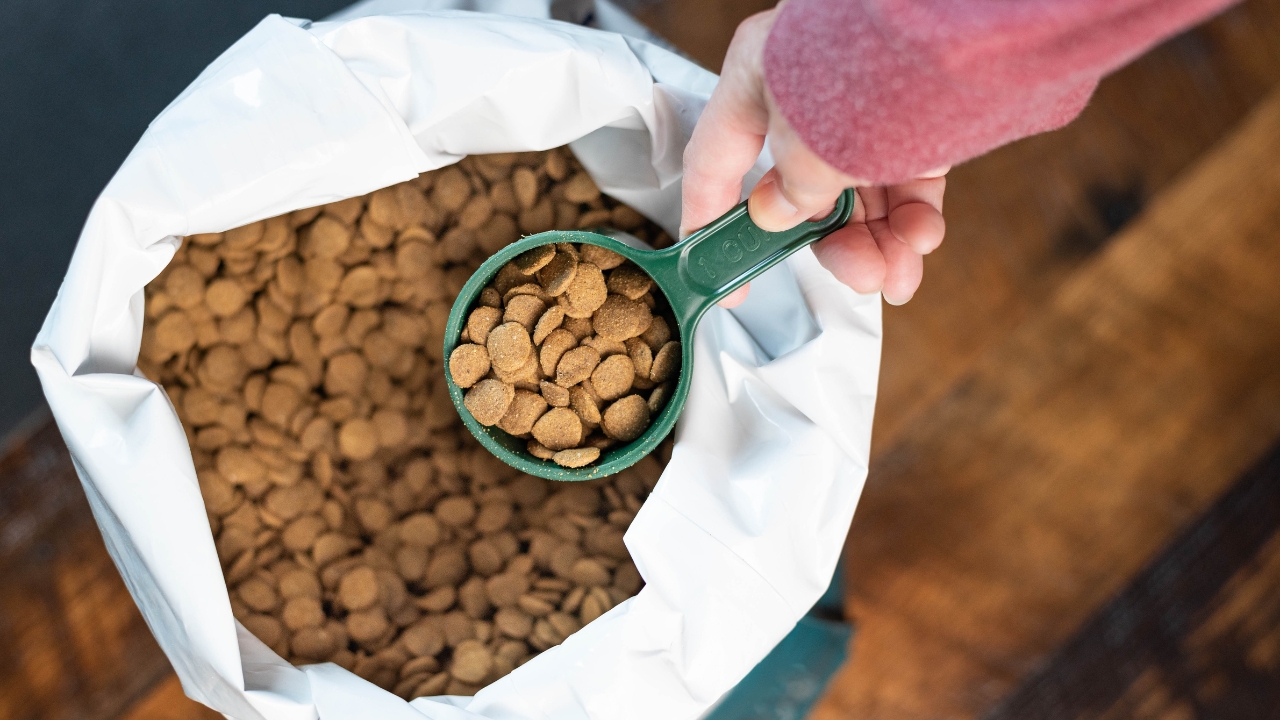
Bags of pet food and seed in the garage are a magnet for mice, raccoons, and bugs—and big swings in temperature can speed up spoilage. Store them inside in sealed bins with tight lids, in a mudroom or closet.
6. Batteries and small electronics

Extreme cold shortens battery life and can damage rechargeable packs and small electronics. Keep batteries and devices in a drawer inside the house. A small lidded bin in a hallway or office works well so they’re also easier to find.
7. Musical instruments and nice wooden furniture
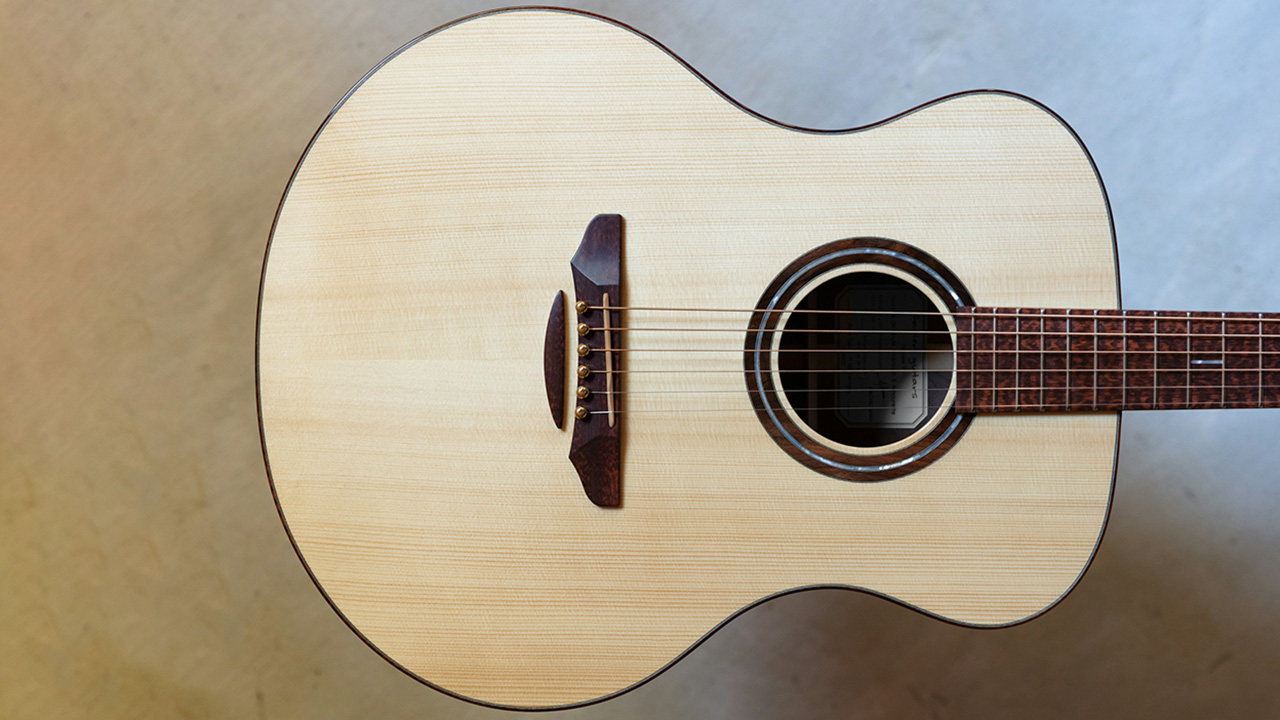
Wood doesn’t love big humidity and temperature swings. Instruments and nicer wood pieces can crack, warp, or lose their finish if they live in the garage all winter. These belong inside where temps stay steadier—even if that means under a bed for now.
8. Extra drinks that are in glass bottles

Glass bottles of soda, beer, or sparkling water can freeze, expand, and crack. Even if they don’t explode, carbonation can be off later. If you like buying drinks in bulk, keep them in a cool closet or an interior storage space that doesn’t hit freezing.
9. Houseplants “waiting out the cold”
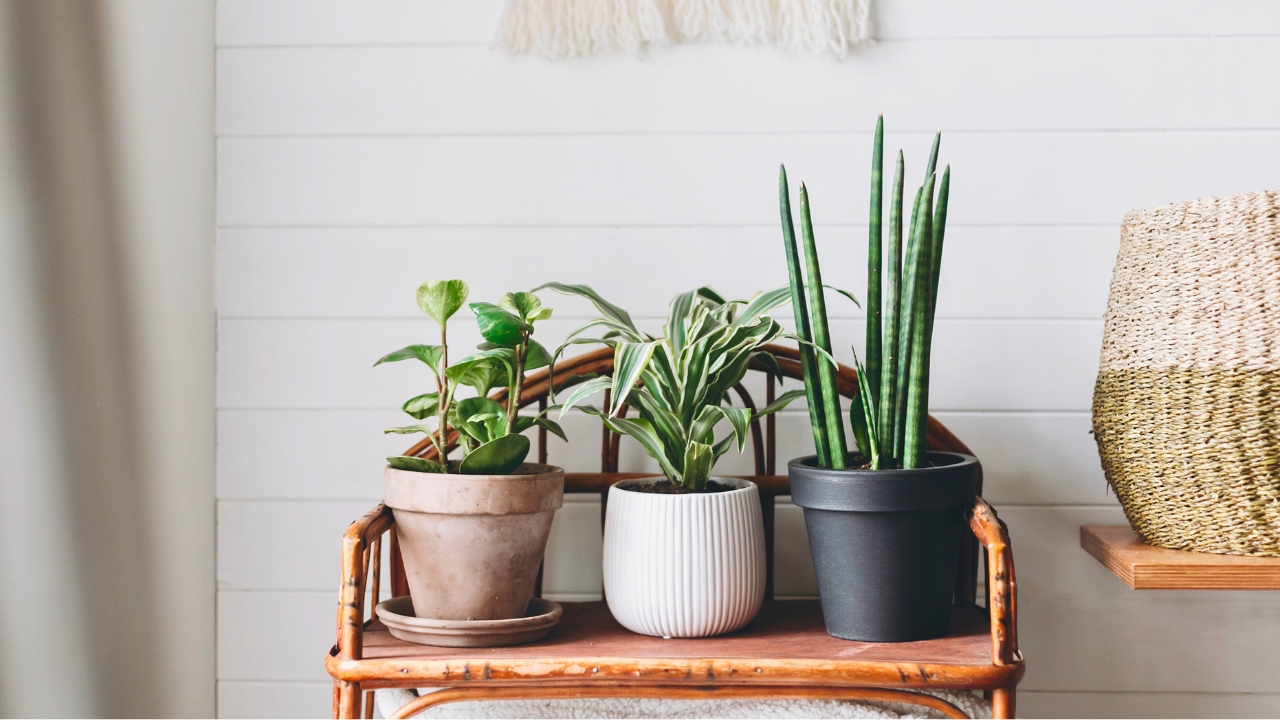
Some people park houseplants in the garage thinking it’s warmer than outside. For most tropicals, even a few hours near freezing is enough to do serious damage. If you need a holding zone, use a bright room, enclosed porch that stays above freezing, or a basement window.
10. Anything sentimental you’d be heartbroken to lose
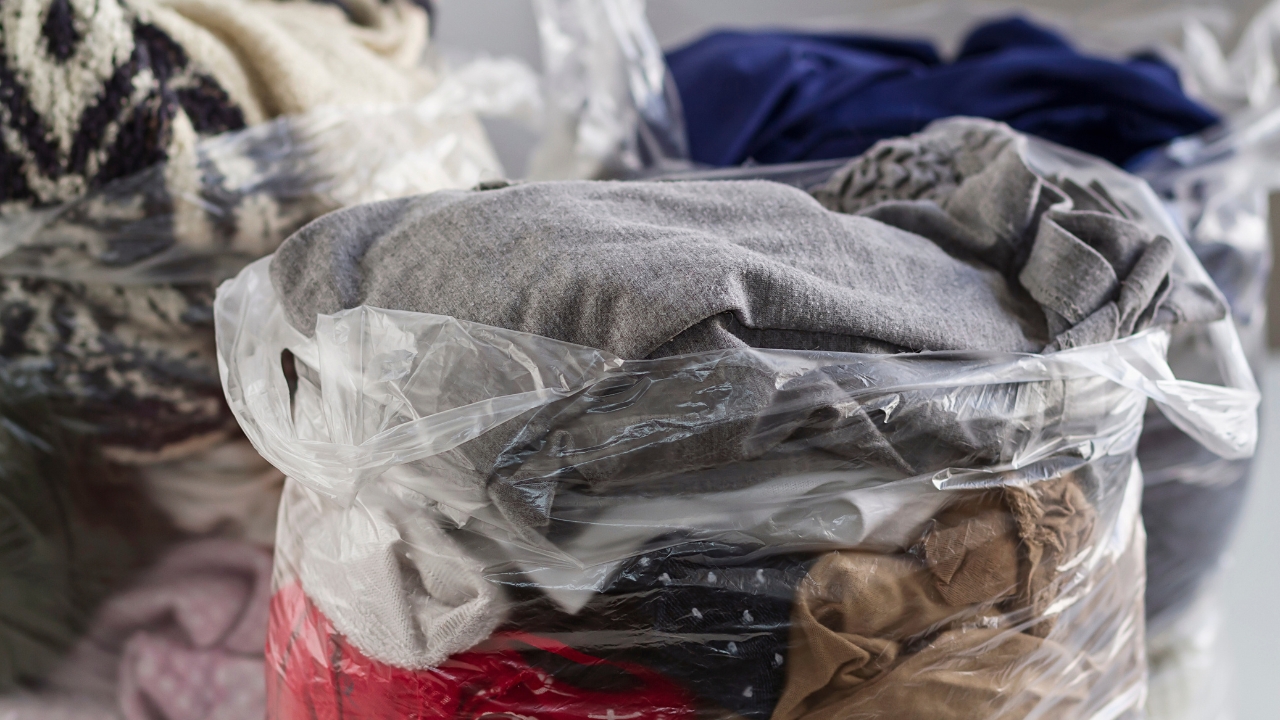
Photos, kids’ keepsakes, heirloom fabrics, and paper-based items don’t do well with moisture swings, mice, or cold. They’re safer in labeled bins in a closet or on high shelves inside. The garage is fine for rakes and coolers—not the irreplaceable stuff.
Like Fix It Homestead’s content? Be sure to follow us.