
The window treatment tip that helps a cold room feel warmer
Photo credit: Moyo Studio/istock.com
Sometimes a room feels colder than the thermostat says, and it’s not always the walls or the windows—it’s how the window treatments are working against you. The good news is you usually don’t have to replace the windows to feel a difference. One smart tweak in how you hang and use curtains can cut drafts and make the whole room feel cozier without touching the HVAC.
It comes down to this: use your curtains like a soft barrier, not a decorative strip of fabric that lets cold air spill right into the room.
Hang curtains wider and higher than the window frame
Most people hang curtains exactly the width of the window and right at the top of the trim. That leaves you with two problems: cold air leaks around the edges, and you block a lot of daylight when the curtains are open.
If you can, extend the curtain rod several inches past the window on each side and hang it a few inches above the trim. That way, when the curtains are closed, they cover more wall and overlap the frame, helping trap cold air behind them instead of letting it pour out at the edges.
When they’re open, the panels stack mostly on the wall, not in front of the glass, which gives you maximum sun during the day—free heat you’re otherwise wasting.
Use a heavier panel or liner where it actually counts
You don’t have to swap every curtain in the house for a thermal one, but in the coldest rooms, a heavier panel or simple liner can make a big difference.
If you already like your curtains, you can clip a thermal or flannel-backed liner to the back instead of buying new ones. Aim for something that:
- Has some weight and thickness to it
- Reaches close to the floor
- Covers the full width when pulled closed without stretching
You’re basically turning the window into a soft, insulated wall at night. The right panel or liner traps cold air between the glass and the fabric so it doesn’t wash straight into the room.
Make sure panels touch the floor instead of “hovering”

Short curtains that stop several inches above the floor give cold air an easy exit route. The air that gathers behind your curtains drops to the floor, hits that gap, and slides right out into the room.
If possible, choose panels that just skim or lightly “kiss” the floor. They don’t have to puddle dramatically, but you want enough length that there isn’t a big gap at the bottom.
If buying new isn’t in the cards, you can cheat a little by lowering the rod if you have room, or using curtain ring clips to gain a bit of extra length from panels that are almost long enough.
Close them at the right times—and open them when the sun is working for you
Curtains are not “set and forget” if you’re using them to help with temperature. Timing matters.
During the day, especially on sunny sides of the house, open curtains fully so the sun can warm the room. Even in winter, that direct sunlight makes a difference. At dusk, close them before the cold really settles in for the night. That’s when the glass cools and starts pulling warmth out of the room.
This simple routine—open by day, closed by evening—stops a lot of that nighttime chill and makes the room feel less like it’s battling the outdoors 24/7.
Seal obvious drafts first so curtains aren’t doing all the work
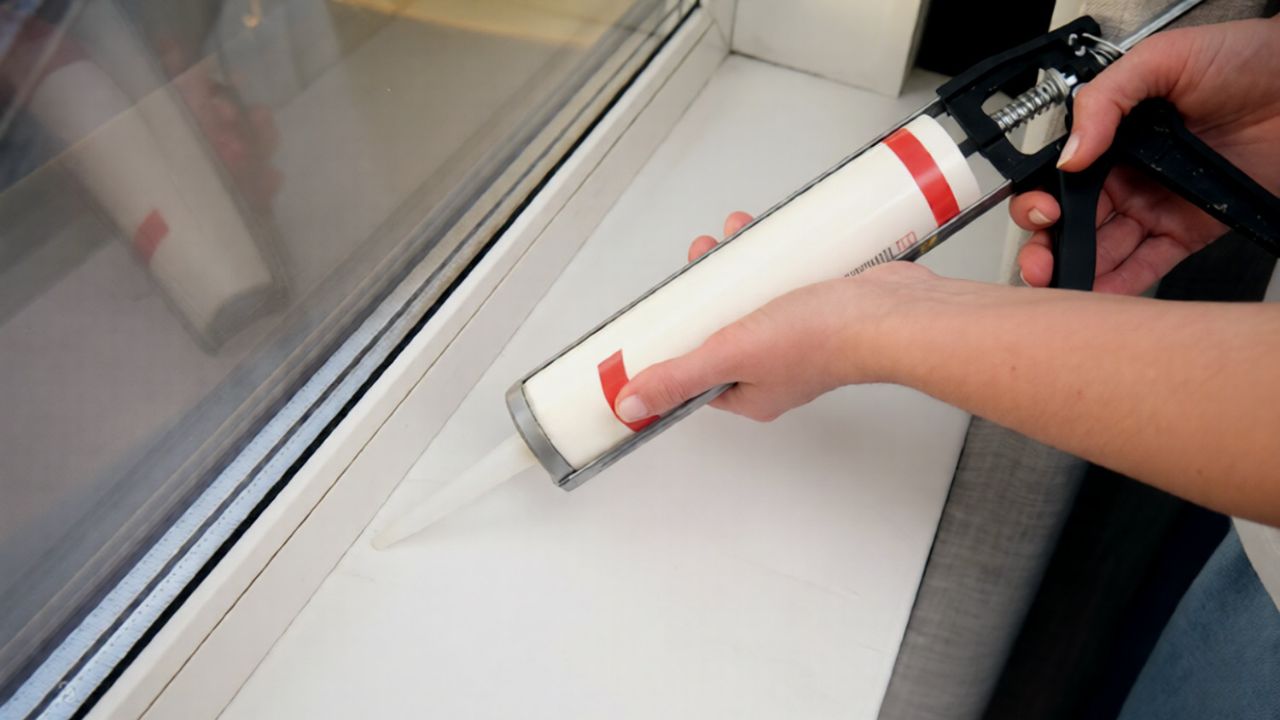
Curtains can help, but they can’t fix a serious draft by themselves. If you feel cold air pouring in at the sides or bottom of the window even with panels closed, it’s worth doing a few quick fixes:
- Add simple self-adhesive weatherstripping around the sash
- Use removable caulk where you feel air sneaking through
- Lay a draft stopper or rolled towel at the bottom of especially leaky windows
Once the worst of the draft is under control, your curtains can actually do their job—softening the chill instead of trying to block a wind tunnel.
Consider layered treatments in the coldest rooms
In rooms that are always cold—like north-facing bedrooms or a drafty living room—one layer may not be enough. Layered treatments give you options.
A simple setup that works well:
- Basic blinds or shades mounted inside the window for light control
- Heavier curtain panels hung wider and higher outside the frame
At night, you can close both the shade and the curtains for maximum insulation. During the day, you can raise the blinds and pull panels back to let in light. It’s not about making the window look fancier; it’s about giving that cold air two barriers to get through instead of one.
If you only change one thing, widen and lengthen your curtains so they overlap the window more fully. That small shift, paired with closing them at the right times, is often enough to take a room from “always chilly” to “finally comfortable” without touching the thermostat.
Like Fix It Homestead’s content? Be sure to follow us.