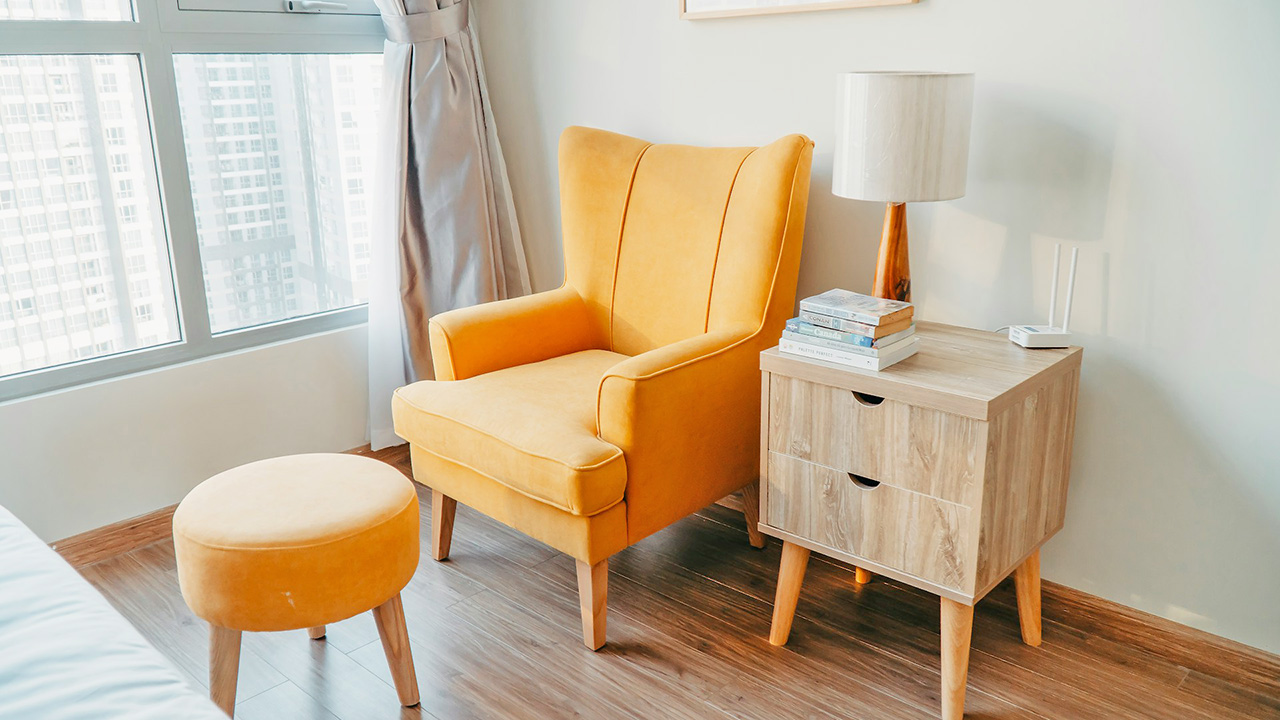
12 Things to Try If You’re Tired of Neutral Decor
Photo credit: Di_An_h/Unsplash.com
Feeling bored with beige but not ready to repaint the whole house? You don’t have to throw everything out and start over. Most “neutral fatigue” comes from too many similar tones and not enough contrast, pattern, or personality. A few small changes can wake up a room without fighting your existing furniture and walls.
Here are simple, low-risk ideas that can make neutral decor feel intentional instead of flat.
1. Add one bold color in small, repeatable ways
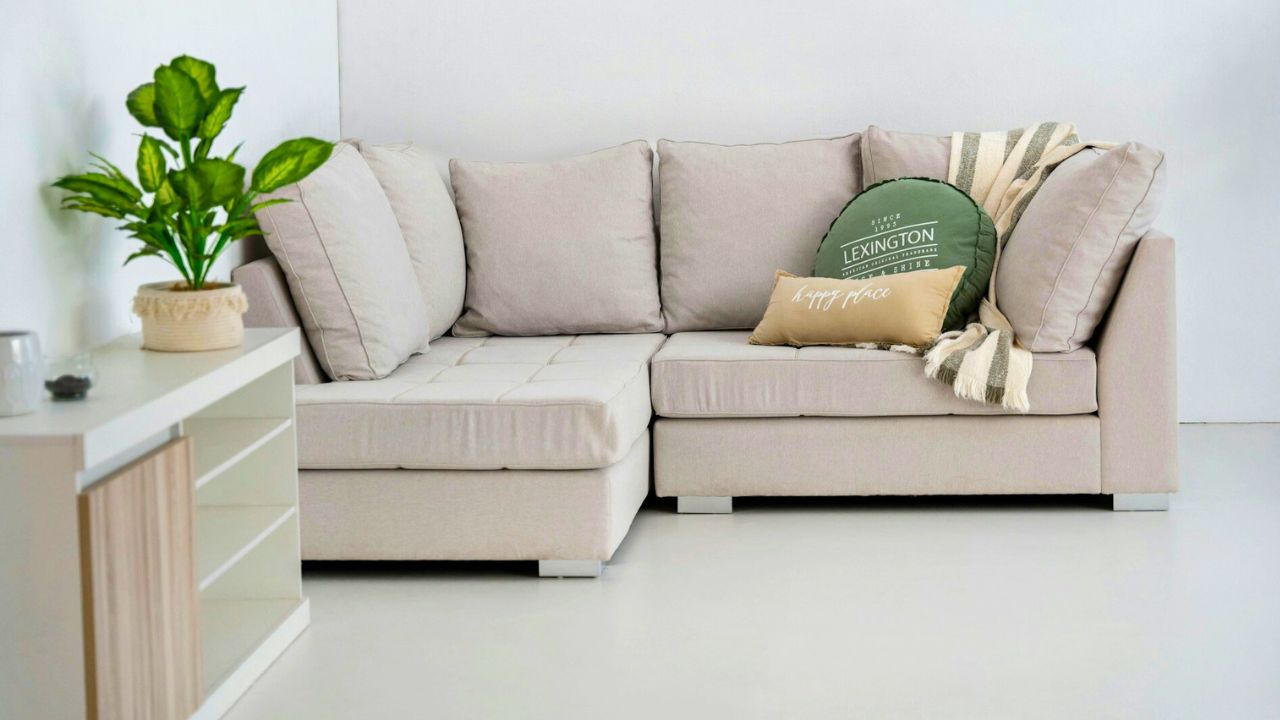
Instead of sprinkling five different colors around, pick one accent color and repeat it. Think deep navy, forest green, rust, or even a muted mustard.
Bring it in through throw pillows, a blanket, a vase, maybe one piece of art. The key is repetition—let that same color show up in three to five spots so it looks planned, not random. Your neutral sofa and walls suddenly feel like a backdrop on purpose, and that single strong color does the heavy lifting.
2. Swap in patterned pillows instead of all solids
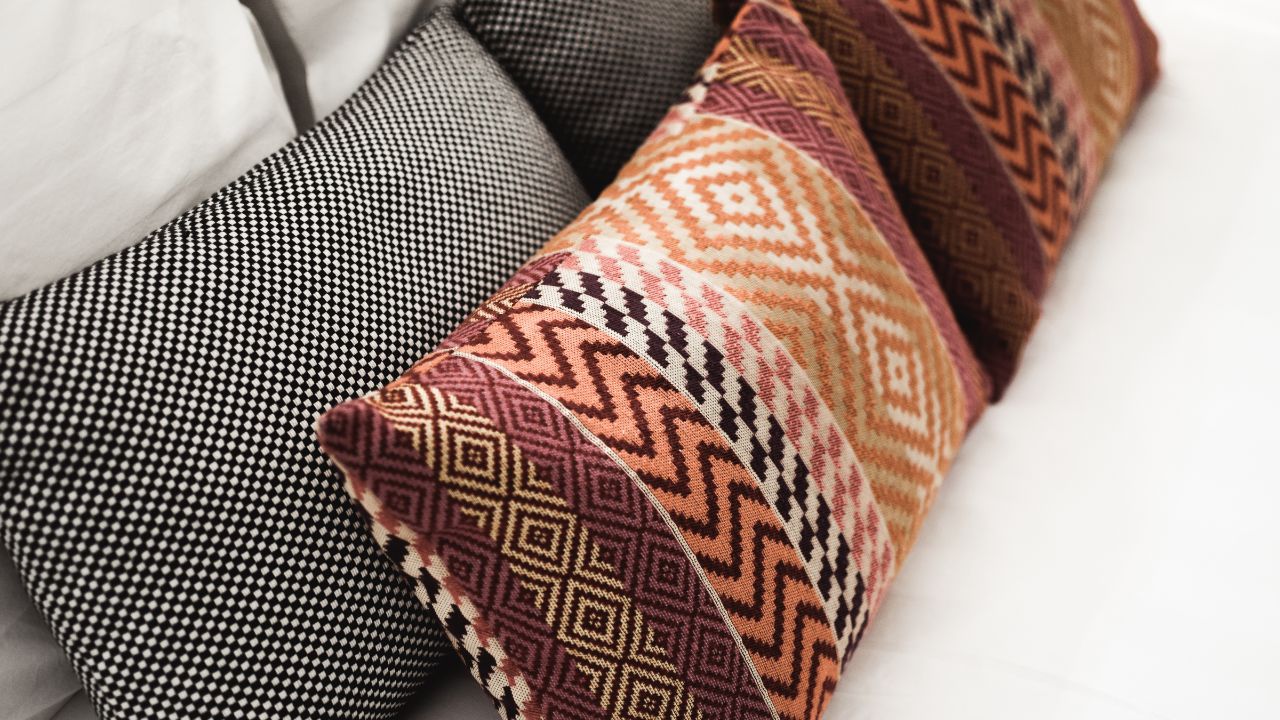
If everything in the room is solid—solid sofa, solid rug, solid curtains—no wonder it feels flat. Pattern is one of the easiest ways to give a neutral room some energy.
Try mixing a few patterns that share the same color palette: a stripe, a small-scale print, and maybe a subtle plaid. Keep the colors soft so you don’t feel like you’re committing to something wild. Even just two patterned pillows on a neutral sofa can make the whole space feel updated without buying new furniture.
3. Layer in darker wood tones for contrast
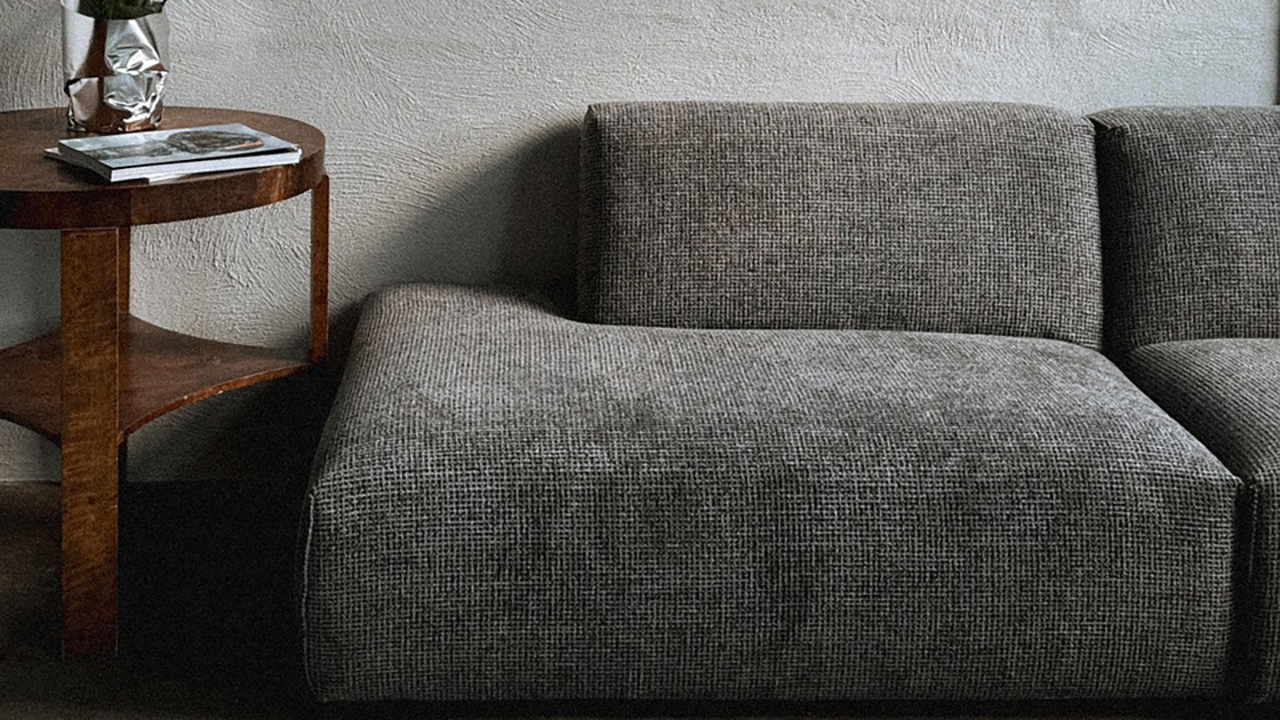
A room full of light wood and light upholstery can start to feel washed out. Adding one or two darker wood pieces grounds everything.
This doesn’t have to be a big purchase. A dark wood side table, picture frame, tray, or even a lamp base can do the job. The contrast between light and dark tells your eye where to land. That little bit of depth makes all the creams and tans feel richer instead of bland.
4. Bring in texture with woven pieces
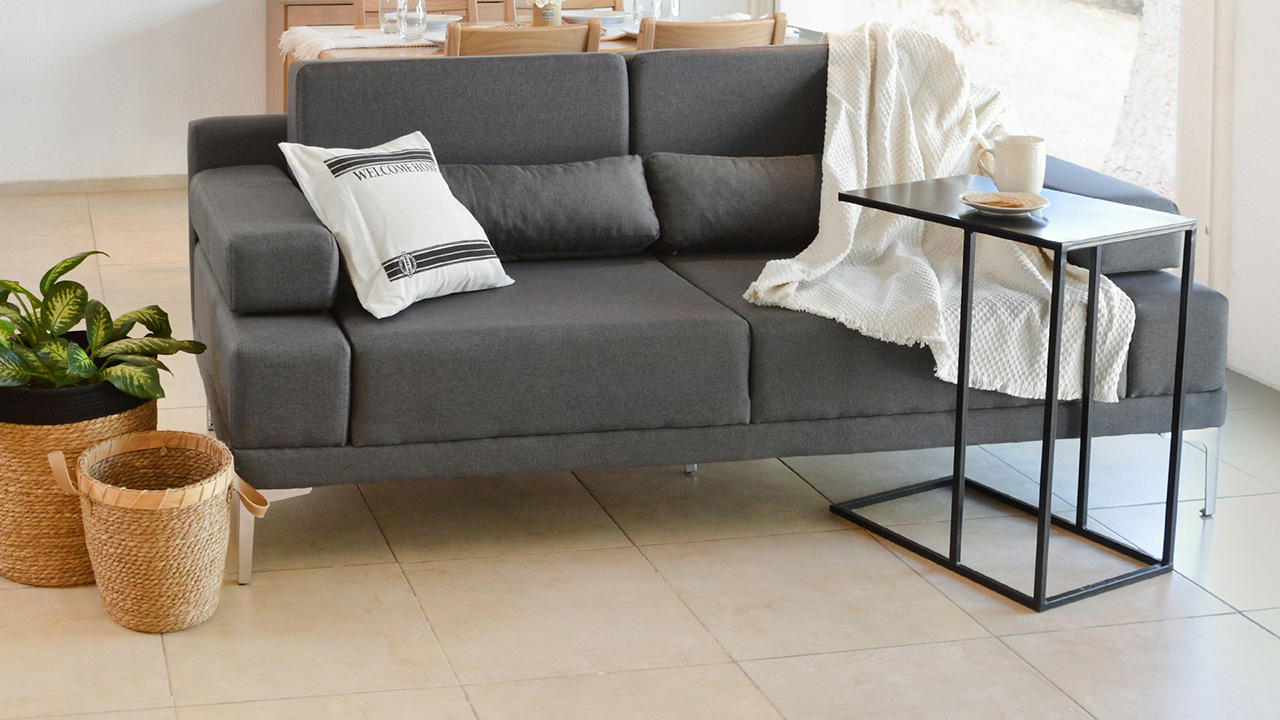
If your neutrals are mostly smooth surfaces—flat rugs, leather, slick side tables—the space can feel cold even if the colors are warm. Texture fills that gap.
Look for woven baskets, seagrass or jute trays, chunky knit throws, or a nubby pouf. These pieces still count as “neutral,” but they catch the light differently and add interest without adding color. You’ll be surprised how much more finished a room feels when there are a few rough, soft, and woven textures mixed in.
5. Choose one area rug that actually has some personality
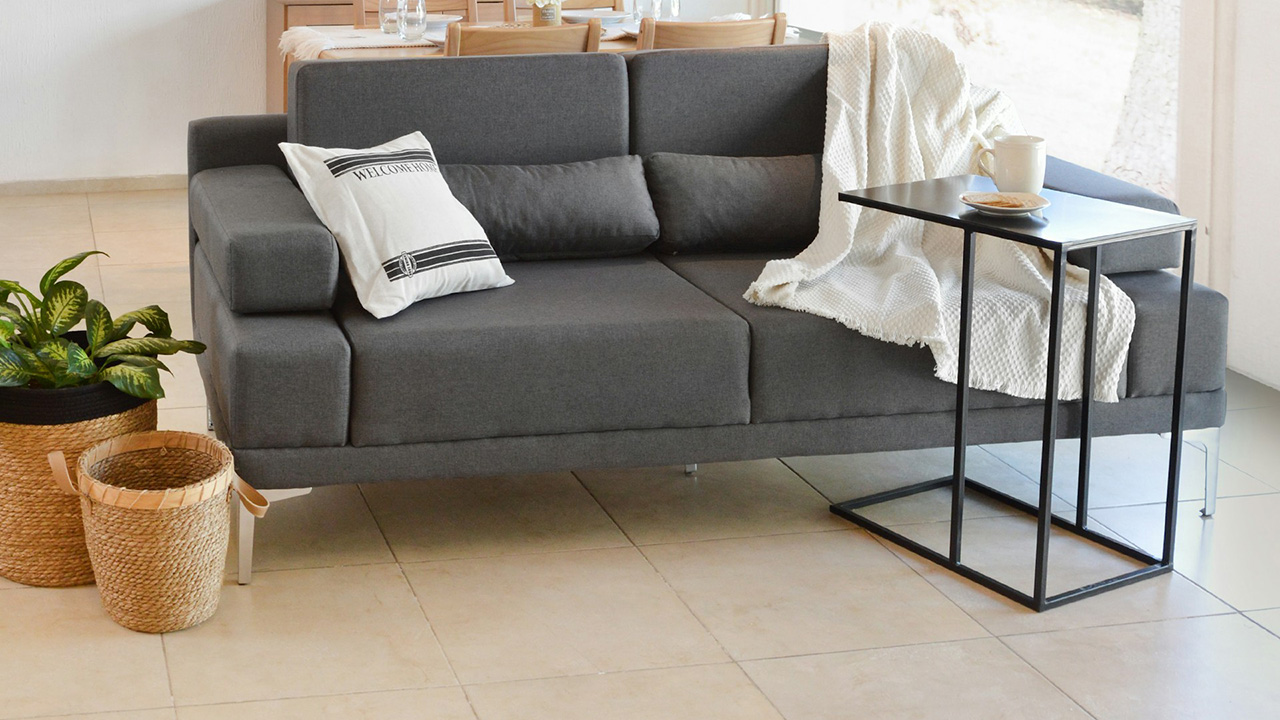
Rugs carry a lot of visual weight. If your rug is plain and close to the wall color, the whole room can feel like it’s fading together.
Try a rug with a subtle pattern or a slightly deeper tone than your floor and walls. It doesn’t have to be loud—think soft vintage-inspired patterns, tonal stripes, or low-contrast geometrics. When the rug earns a little attention, it makes everything sitting on top of it feel more intentional and pulled together.
6. Add real or faux greenery for a natural pop

Plants are the easiest “color” for neutral lovers. Green works with almost every palette and doesn’t feel trendy.
Put a medium plant in a simple pot near the sofa, a trailing plant on a shelf, or a small vase of eucalyptus on the coffee table. Even good faux stems can help if your house doesn’t get great light. That hit of green breaks up the beiges and whites just enough to make the room feel alive instead of staged.
7. Swap generic wall art for something that feels personal

A lot of neutral rooms get weighed down by generic wall prints that don’t mean anything to you. Swapping even one piece can change the mood.
Look for art that has a bit of color, a meaningful subject, or a style you actually like—family photos in black-and-white, a landscape, or a simple line drawing with bolder matting. You can keep frames neutral while letting the art itself bring in depth and interest.
8. Introduce a small dose of black
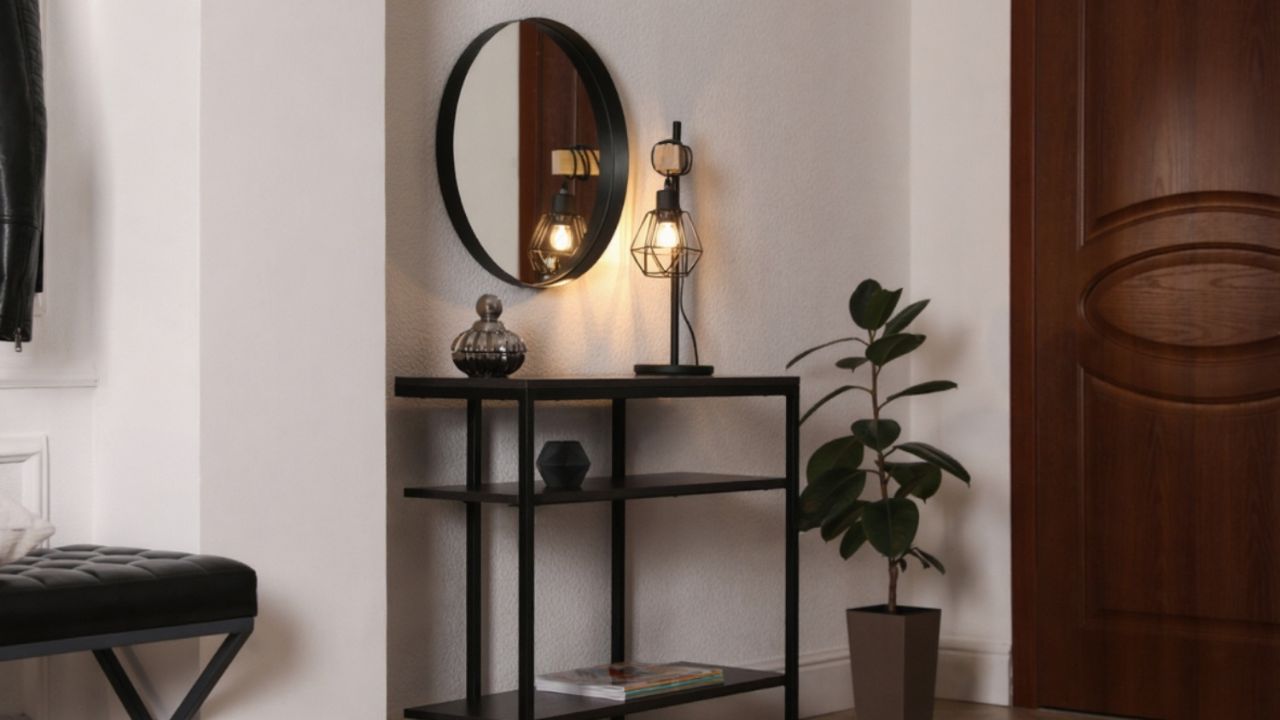
If you’ve avoided black because you’re afraid it’ll be too harsh, this is your sign to try just a little. Black anchors a neutral space and keeps it from feeling washed out.
Think: a black metal lamp, a framed mirror with a thin black edge, black cabinet knobs, or a picture frame. You don’t need much. A few small touches repeated around the room give your eye contrast, which makes all the lighter tones look more intentional and less bland.
9. Play with warm metals in lamps and hardware
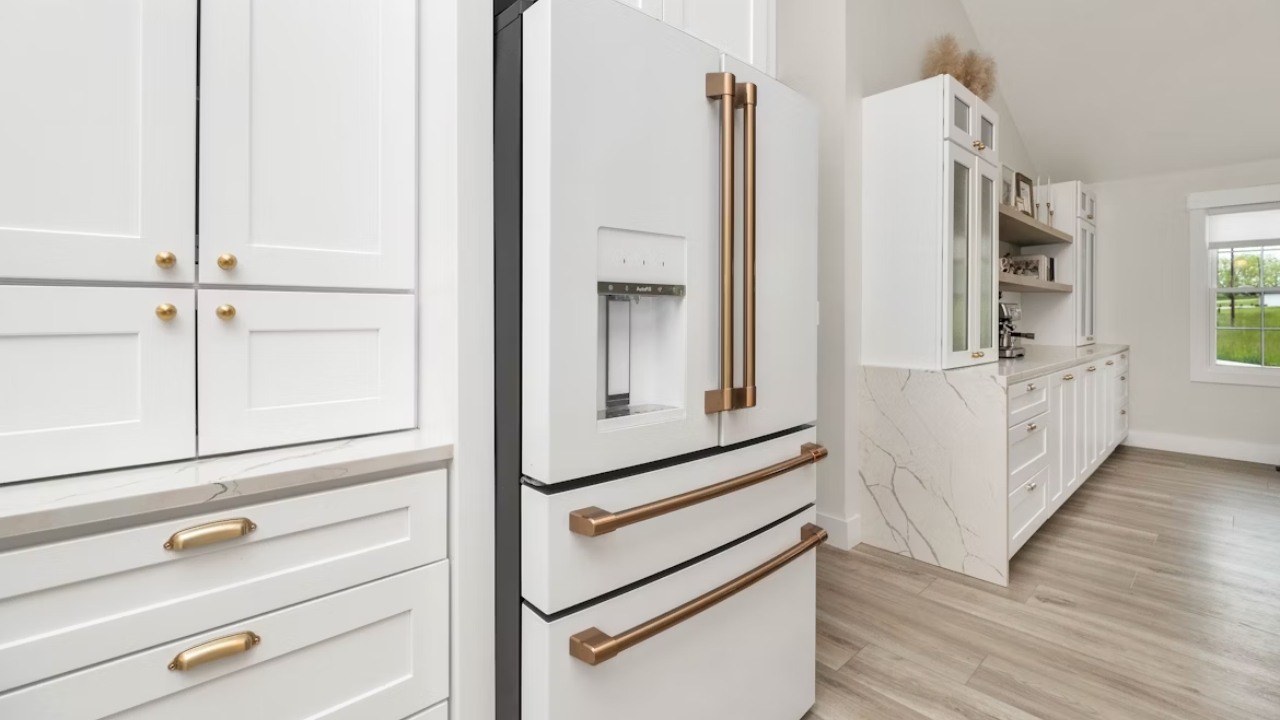
If everything metal in your space is brushed nickel, things can start to feel a little cold. Mixing in warm metals like brass, bronze, or even a soft gold tone can warm up the whole room.
You don’t have to change everything at once. Start with a lamp base, a picture frame, or a tray. Let those warmer metals sit next to your neutrals and see how much more “alive” the space feels. Over time, you can swap a few handles or knobs if you like the direction.
10. Add one “statement” piece you actually love
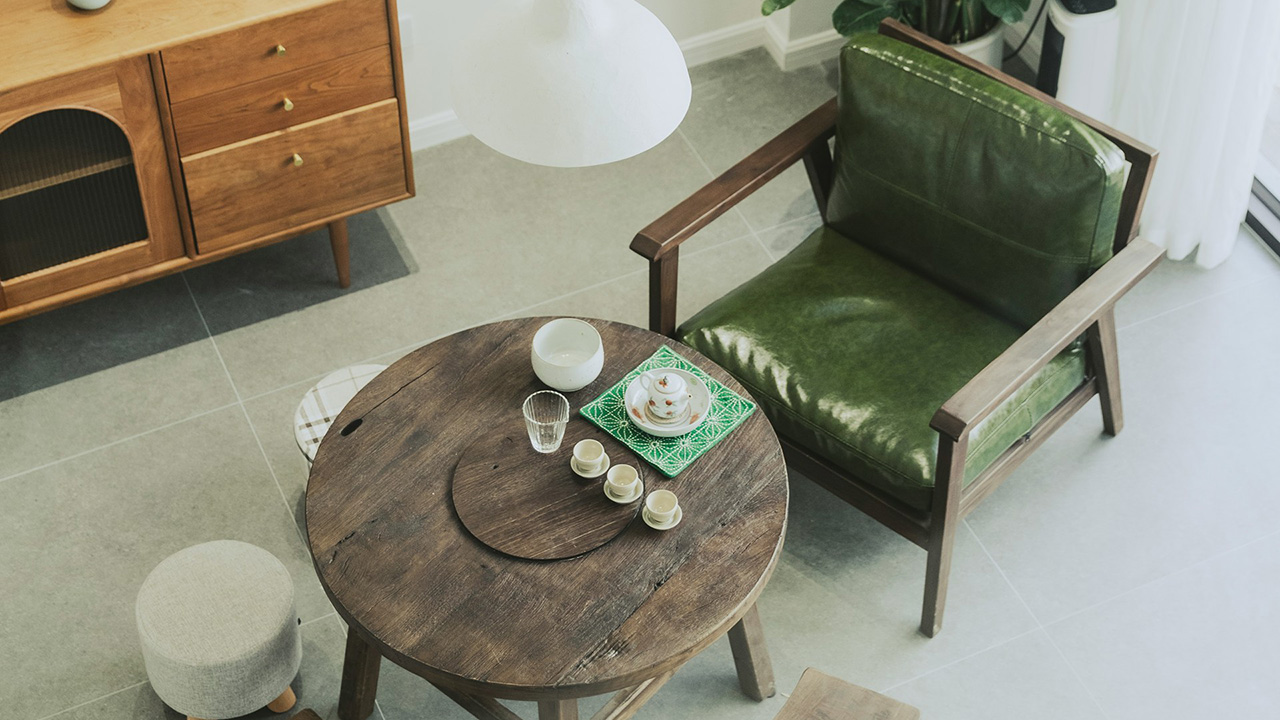
Sometimes neutral decor feels boring because nothing in the room feels like a standout. Choose one piece that has some personality—maybe a patterned chair, a vintage table, or a bold lamp.
Let that piece be a little different from everything else. As long as the colors still talk to the rest of the room, it won’t look out of place. Instead, it becomes the thing that makes your home feel like you instead of a catalog.
11. Layer throws instead of relying on one “perfect” blanket

One pretty throw on the sofa is nice. Two or three layered around the room is better. Different weights, patterns, and textures keep things interesting.
Try draping a chunky knit over the sofa arm, folding a lighter throw over the back of a chair, and keeping a patterned one in a basket by the coffee table. Even if they’re all neutral, the mix of materials and tones keeps the eye moving and gives you that “finished” look without adding loud color.
12. Change out lampshades and bulbs
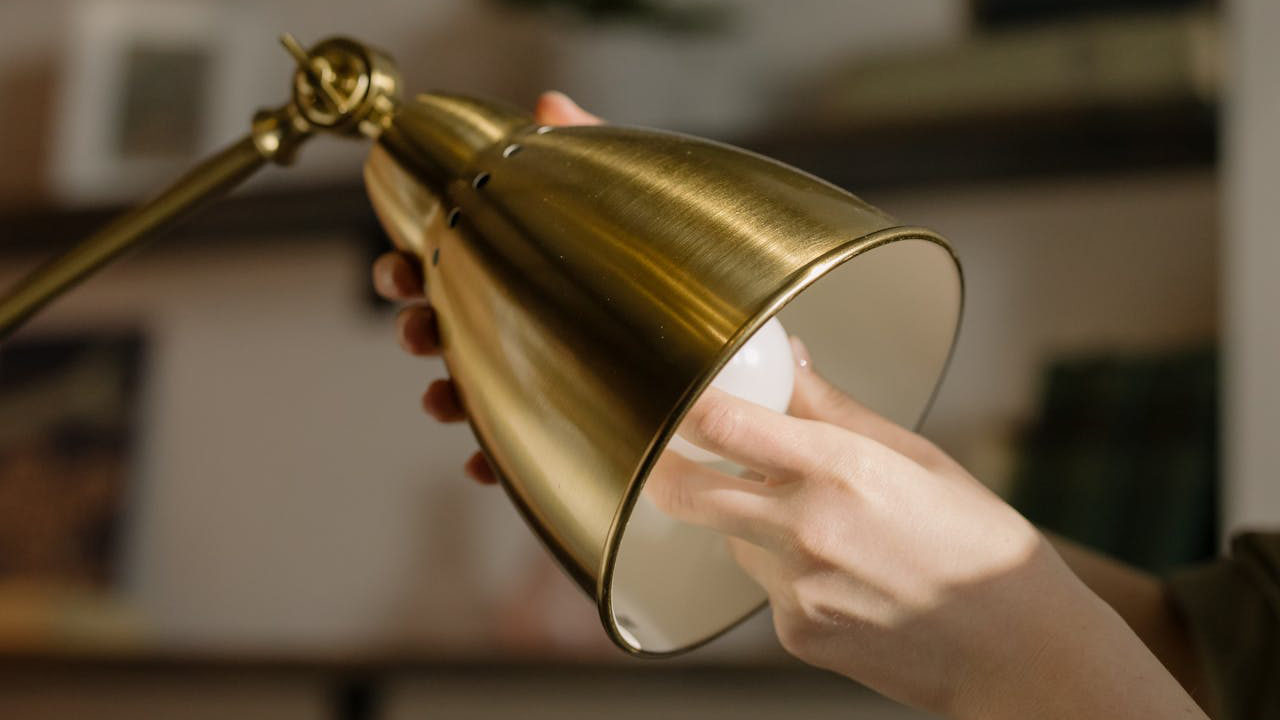
Lighting can flatten a neutral room or bring it to life. Bright, cool bulbs and stark white shades can make everything feel a bit sterile.
Swap to warm white bulbs and consider slightly off-white or linen-textured shades. Light spreads softer and makes the room feel warmer instantly. This is an easy, low-commitment tweak that pays off every single evening you’re home.
Like Fix It Homestead’s content? Be sure to follow us.